
Featured Collection
Your cart
Featured Collection

PEAK SURGICAL
SKU:PS-8726
Couldn't load pickup availability
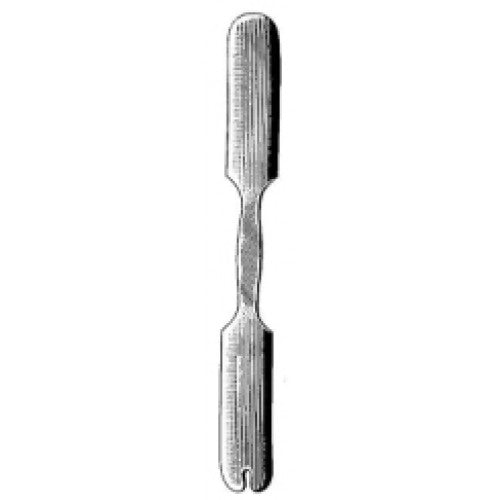
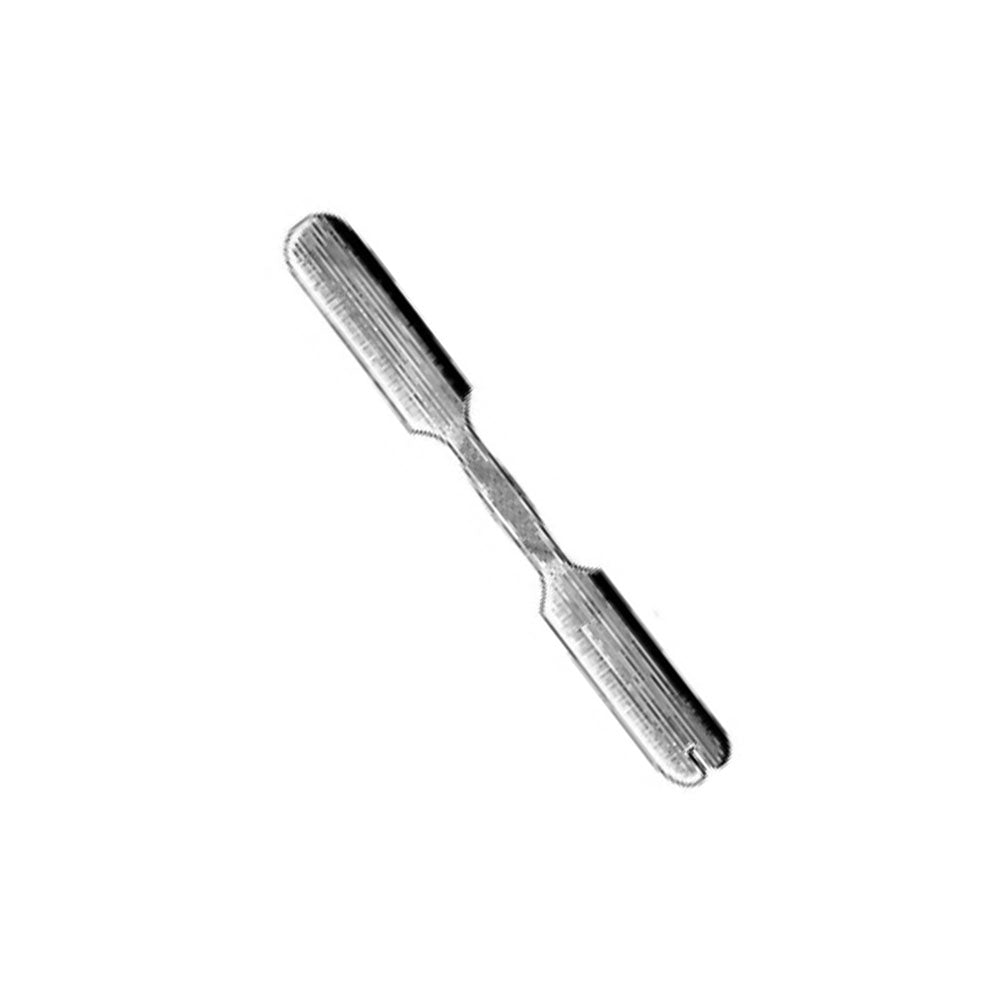
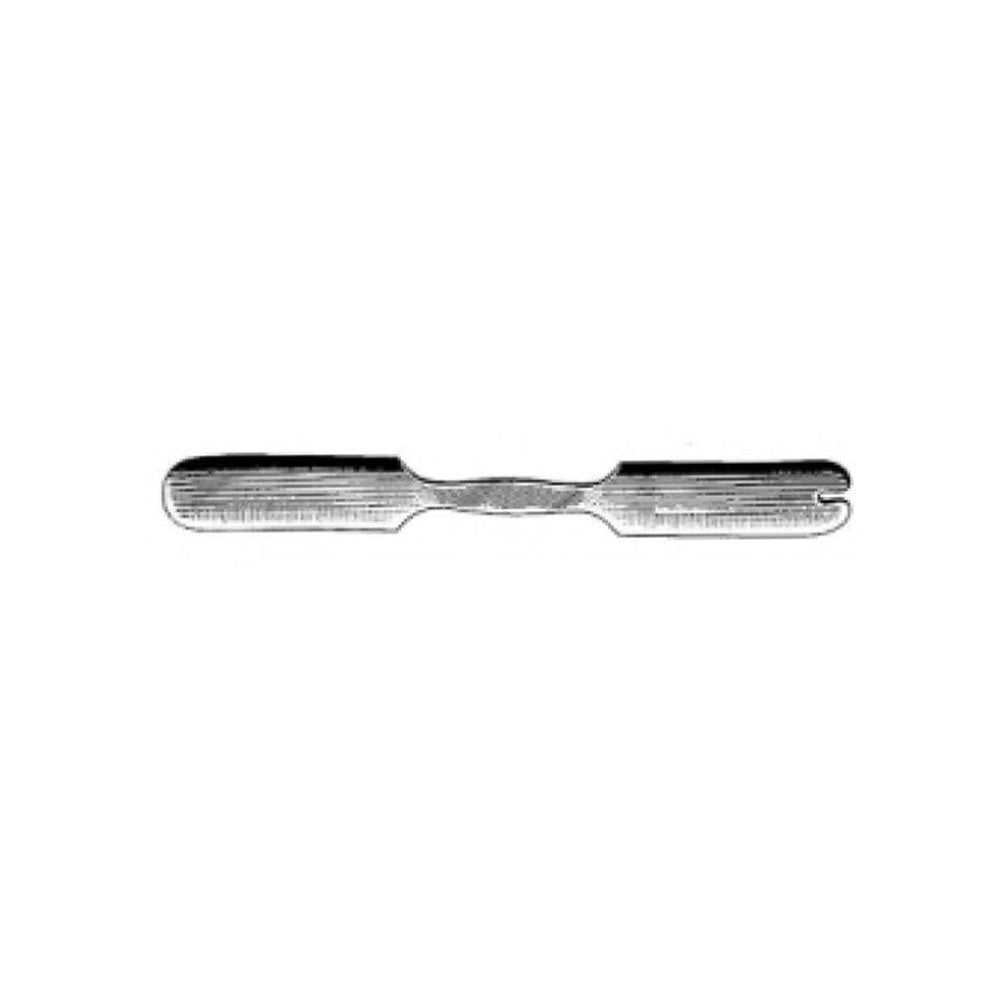
The essential clinical instrument for secure cast application and patient-safe removal. The Metal Plaster Spatula (14.5cm) is a high-precision orthopedic tool engineered to solve the requirement for reliable, trauma-free separation between hardened cast materials and delicate patient skin. Featuring a versatile double-ended architecture and a compact 14.5cm chassis, this spatula acts as a mechanical necessity for orthopedic clinicians, trauma technologists, and fracture clinic staff who need to guide plaster application, smooth cast edges, or create a protective barrier during the critical phase of cast cutting and removal. Its specialized design ensures that every maneuver is performed with maximum visibility and minimum risk of soft-tissue injury.
The Metal Plaster Spatula (14.5cm) is the orthopedic team’s primary tool for procedural safety. When performing a cast removal, the risk of “saw burn” or tissue laceration is a persistent clinical concern. This instrument acts as a mechanical necessity by providing a physical, rigid shield that separates the saw blade from the patient’s underlying padding and skin. Its thin, flat profile allows it to slide into the tightest casts, serving as a mechanical necessity to create the protective margin needed for safe cutting.
At its core, the instrument is engineered for durability and clinical versatility. Beyond removal, its double-ended design is a mechanical necessity for the application phase, where it is used to smooth out plaster layers, integrate padding, and achieve the clean, professional finish required for effective long-term immobilization.
Built to exceed international quality metrics for medical hardware, this spatula is fully reusable, easily serviced, and designed for rigorous daily use in fracture clinics and trauma departments. Its compact, robust construction and dependable, smooth-edge geometry make it an indispensable asset for ensuring safe, professional, and patient-centered orthopedic care.
Feature Details
Instrument Style Double-Ended Orthopedic Plaster Spatula
Working Ends Tapered Smoothing/Separation Blades
Overall Length 14.5cm (approx. 5.7”)
Handle Architecture Balanced High-Tactile Central Grip
Surface Treatment Non-Reflective Glare-Reducing Aura-Satin
Material Base Premium Bio-Inert Surgical Stainless Steel
Reprocessing Limits Fully Autoclavable / High-Vacuum Steam-Safe
Certifications CE, ISO Professional Orthopedic Grade
Q: Why use a metal spatula instead of a plastic one?
A: The stainless steel construction is a mechanical necessity. Metal provides the structural rigidity to withstand the forces of dense, hardened cast material without bending or breaking—a common point of failure for plastic alternatives.
Q: Can it be used to help remove synthetic/fiberglass casts?
A: Yes, the spatula’s hardness is a mechanical necessity for navigating the stiffer fibers of synthetic casts, ensuring the clinician can find the separation gap beneath the material.
Q: How do you remove caked-on plaster debris?
A: Regular maintenance is a mechanical necessity. A stiff, non-metallic brush, combined with an enzymatic soaking solution, will easily remove plaster dust from the spatula’s surfaces, ensuring it remains clean for the next patient.
Q: Is the 14.5cm length too short for deep casts?
A: The 14.5cm length is a mechanical necessity for precision. While longer spatula-type models exist, the compact 14.5cm model provides superior tactile feedback, which is a mechanical necessity for gauging where the saw blade is relative to the skin.
Q: What is the recommended sterilization protocol?
A: The premium stainless steel is a mechanical necessity for rigorous hospital reuse. It is fully rated to undergo standard high-vacuum steam autoclave cycles at 134°C (273°F).
