
Featured Collection
Your cart
Featured Collection

PEAK SURGICAL
SKU:PS-5299-1
Couldn't load pickup availability
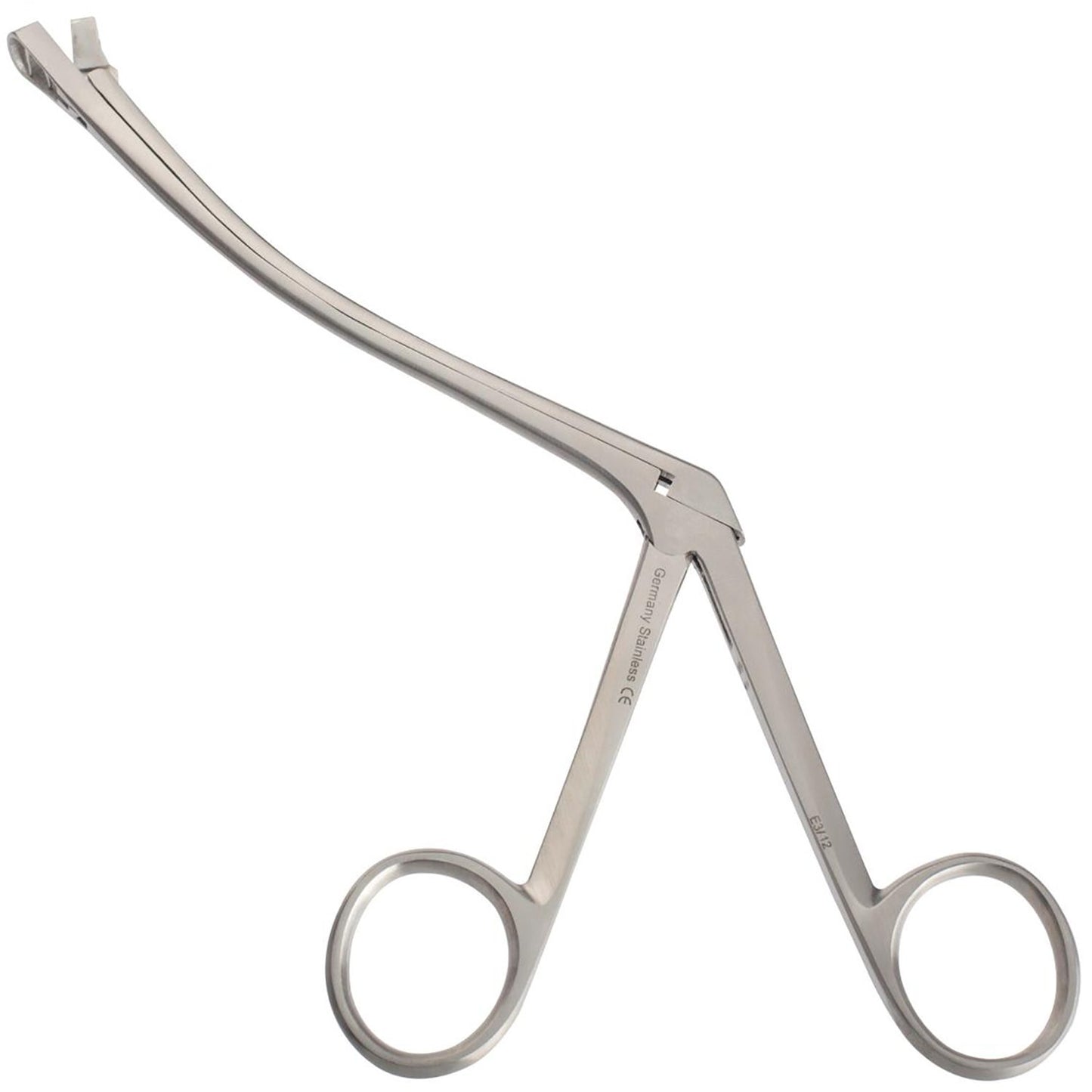
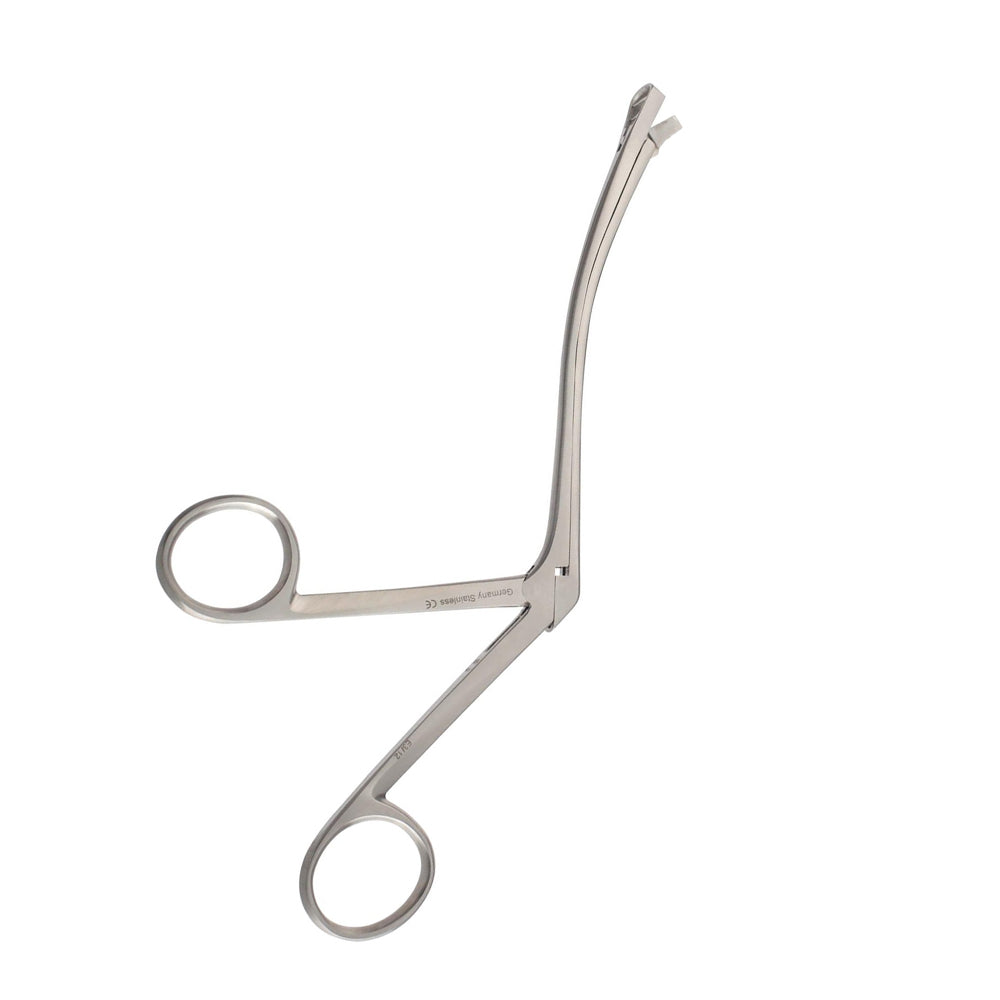
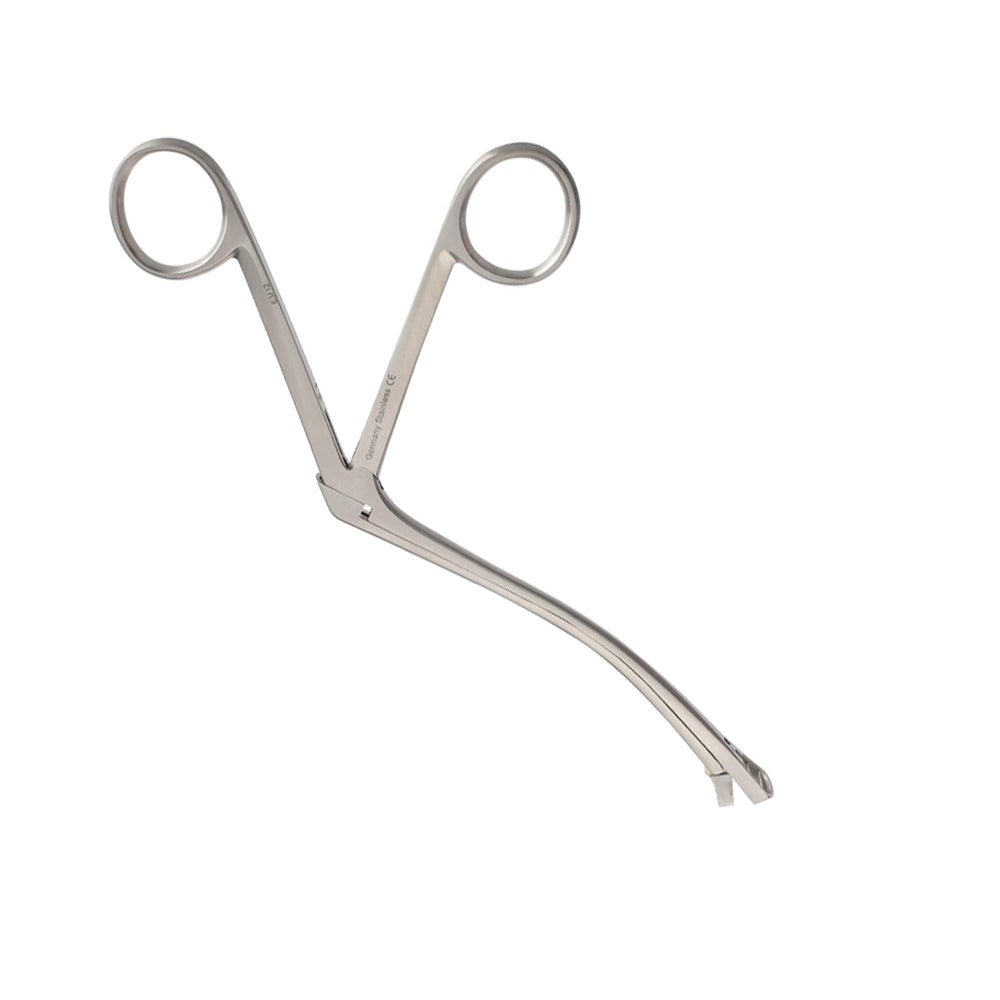
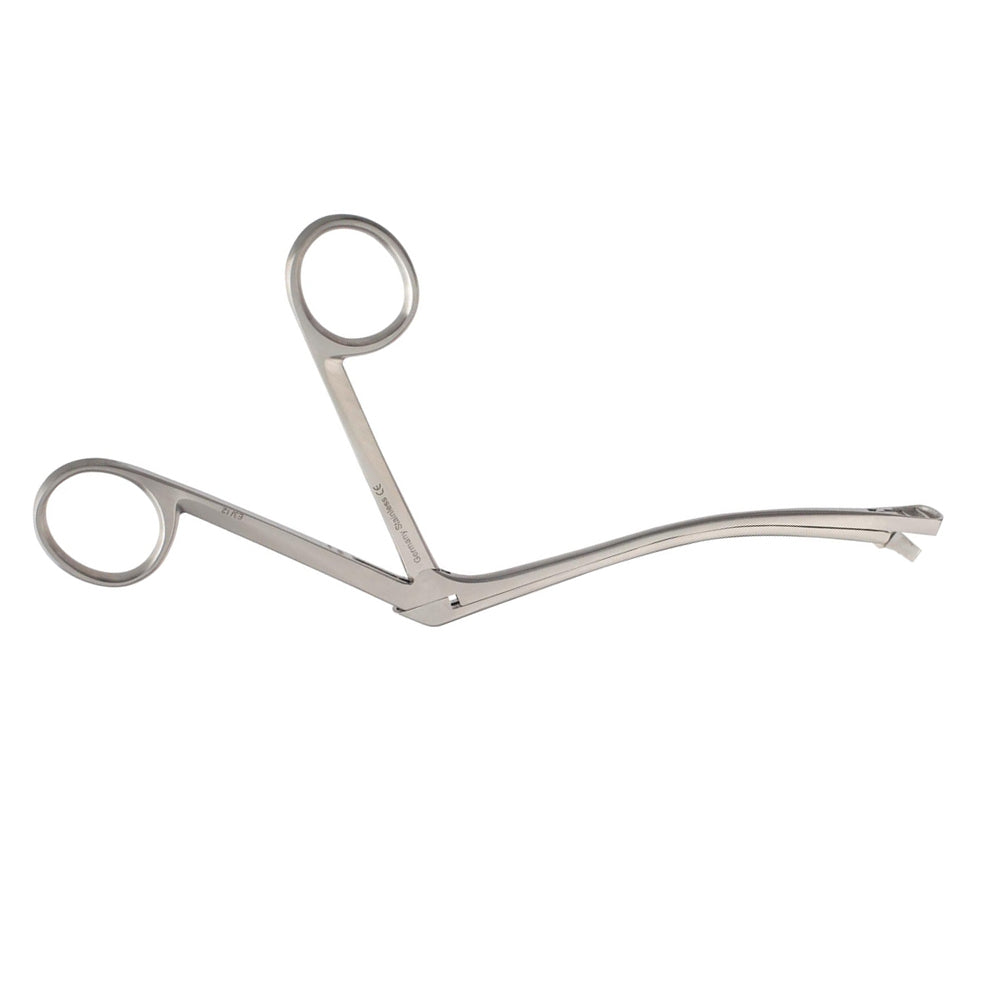
Meltzer Ronis Adenoid Punches, SKU PS-5299-1, are ENT adenoid punch forceps manufactured from German stainless steel for controlled curved access to the nasopharynx during adenoid and posterior nasal tissue excision. This listing is supplied under model PS-5299 as a size-selectable Ronis pattern with a long curved shaft, distal basket-style cup jaw, ring handles, pivoted punch action, and guarded working end for tissue capture behind the soft palate. The instrument is used in adenoidectomy, revision adenoid removal, posterior choanal tissue excision, nasopharyngeal biopsy, and endoscopic posterior nasal debridement. ENT surgeons, pediatric otolaryngologists, head and neck surgeons, hospitals, ambulatory surgery centers, specialist ENT clinics, and procurement teams use this pattern when curved access is required to reach superior or posterior adenoid tissue. The curved shaft supports approach into the nasopharyngeal vault while the basket jaw captures selected lymphoid tissue for measured bite-by-bite removal.
The Ronis pattern uses a curved shaft to alter the approach angle between the surgeon's hand and the adenoid bed. This geometry helps the distal jaw reach posterior and superior nasopharyngeal tissue while the handles remain outside the oral cavity. When the ring handles are compressed, the pivoted mechanism transfers force through the shaft to close the basket-style cup jaw at the working end. The cup captures tissue before excision, while the guarded jaw profile helps focus the bite within the selected area. This is clinically useful near the posterior choanae, pharyngeal wall, and torus tubarius, where uncontrolled sweeping motion can remove more tissue than intended. The ring handles provide stable control during repeated bites, and the pivot creates a consistent closing arc. Compared with a straight punch, the curved Ronis shaft improves line of access when the target lies high in the nasopharyngeal vault or behind a restricted soft palate exposure.
During adenoidectomy, Meltzer Ronis Adenoid Punches are introduced after mouth gag placement, soft palate elevation, suction readiness, and mirror or endoscopic inspection of the nasopharynx. The curved shaft is directed toward the adenoid pad, allowing the basket jaw to meet tissue along the roof and posterior wall without excessive handle elevation. In pediatric cases, the instrument helps manage a restricted working corridor where access around the soft palate must remain controlled. During revision surgery, the curved tip can address residual adenoid tissue near the choanal margin or superior vault. In posterior nasal debridement, the punch supports selective removal of obstructing soft tissue at the posterior choanae. For biopsy, the basket jaw captures a defined specimen from the nasopharyngeal region. The instrument is used during the excision stage before hemostasis, suction clearance, final inspection, and confirmation that the eustachian tube orifices remain protected.
PS-5299 is the listed model family for this Meltzer Ronis pattern, with SKU PS-5299-1 shown on the product listing and pricing from $35.20 USD. The size-selectable format allows ENT teams to choose jaw capacity according to patient age, exposure depth, tissue volume, and the planned bite pattern. Smaller basket selections are suited for pediatric nasopharyngeal spaces, revision tissue, and work close to the choanal border. Larger selections are used when the central adenoid pad requires broader tissue capture under direct visualization. The curved shaft is chosen when a straight Meltzer punch does not align naturally with the posterior target. The ring-handle control supports repeated bites during staged removal, while the guarded working end helps isolate tissue before closure. Hospitals can stock this item for ENT instrument trays, pediatric airway sets, and replacement inventory where a curved adenoid punch is requested for nasopharyngeal access.
German stainless steel construction supports reusable ENT surgical use, repeated cleaning, and stable mechanical alignment through sterilization cycles. The listed satin, dull, and mirror finish options support operating room preferences; satin and dull surfaces reduce glare under surgical lighting, while mirror finishing assists visual inspection during reprocessing. After use, the instrument should move through decontamination, cleaning, rinsing, drying, inspection, packaging, and steam sterilization according to sterile processing protocol. The curved shaft, basket jaw, pivot, handle joint, and internal punch channel should be inspected for retained tissue, smooth closure, and surface integrity before tray return. As a reusable Class I surgical instrument, Meltzer Ronis Adenoid Punches fit purchasing records for ENT departments, hospitals, clinics, and distributors. CE marking, ISO 13485 manufacturing controls, and FDA procurement context support institutional ordering. The one-year warranty, MOQ of one piece, OEM availability, and return or replacement service provide clear terms for single-unit purchase and catalog replenishment.
| SKU | PS-5299-1 |
|---|---|
| Product Name | Meltzer Ronis Adenoid Punches |
| Price | From $35.20 USD |
| Size/Gauge Variants | Size-selectable PS-5299 Meltzer Ronis adenoid punch options |
| Instrument Category | ENT curved adenoid punch forceps |
| Procedure | Adenoidectomy, revision adenoid removal, posterior choanal tissue excision, nasopharyngeal biopsy |
| Material | German stainless steel |
| Finish | Satin, dull, mirror |
| Sterilization | Reusable and autoclavable |
| Instrument Classification | Class I surgical instrument |
| Reusable | Yes |
| Certifications | CE, ISO 13485, FDA |
| Warranty | 1 year |
| MOQ | 1 piece |
| OEM / Custom Orders | Available |
| After-Sale Service | Return and replacement support |
How do Meltzer Ronis Adenoid Punches differ from standard Meltzer Adenoid Punches?
Meltzer Ronis Adenoid Punches use a curved shaft for angled nasopharyngeal access. Standard Meltzer Adenoid Punches typically use a straighter approach for direct tissue capture. The Ronis pattern is selected when the surgeon needs to reach superior or posterior adenoid tissue behind the soft palate. Its curved geometry changes the working angle without forcing excessive handle elevation. The basket-style jaw captures tissue for controlled bite excision. This makes the Ronis pattern useful when straight access does not align well with the adenoid bed.
How should the size-selectable PS-5299 options be chosen?
Selection depends on patient age, nasopharyngeal space, tissue volume, and the target region. Smaller jaw options are used for pediatric adenoidectomy, revision tissue, and work near the posterior choanae. Larger options are selected when central adenoid tissue requires broader bite capacity. Meltzer Ronis Adenoid Punches are used under direct visualization, so the jaw should match the exposed field. In narrow access cases, a smaller bite supports controlled sequential removal. In broader hypertrophy, a larger basket can reduce repeated passes while preserving controlled excision.
What do CE, ISO 13485, and FDA mean for procurement?
CE marking supports conformity documentation for medical device purchasing in markets that recognize European regulatory requirements. ISO 13485 indicates that the manufacturing process follows a medical device quality management system. FDA procurement context supports purchasing records for hospitals, clinics, distributors, and surgical supply teams serving regulated healthcare markets. Meltzer Ronis Adenoid Punches are listed with CE, ISO 13485, and FDA certification information for institutional ordering. These records help align the instrument with vendor files and operating room supply approvals. They also support international distribution where certification details are reviewed before product onboarding.
How is the pivoted punch mechanism used intraoperatively?
The pivot converts ring-handle compression into distal basket-jaw closure. During adenoidectomy, the surgeon positions the curved tip against the selected nasopharyngeal tissue and closes the handles steadily. The jaw captures and excises the tissue held within the working end. Meltzer Ronis Adenoid Punches allow repeated bite-by-bite removal while the curved shaft maintains access to the posterior target. The pivot supports a predictable closing arc during sequential excision. After each bite, the instrument is cleared, repositioned, and used again until the adenoid bed has been adequately reduced.
Can hospitals reprocess this instrument for repeated ENT tray use?
Yes, the instrument is manufactured as a reusable German stainless steel surgical instrument. It is suitable for autoclave sterilization after proper cleaning, rinsing, drying, and inspection by sterile processing staff. The basket jaw, curved shaft, pivot, and handle joint should be checked for retained tissue and smooth closure before tray assembly. Meltzer Ronis Adenoid Punches can be stocked in ENT, pediatric airway, and adenoidectomy instrument sets. The MOQ of one piece supports single replacement purchasing for clinics and operating room supply teams. The one-year warranty and return or replacement service support procurement teams managing reusable ENT inventory.


