
Featured Collection
Your cart
Featured Collection

PEAK SURGICAL
SKU:GO-78965
Couldn't load pickup availability
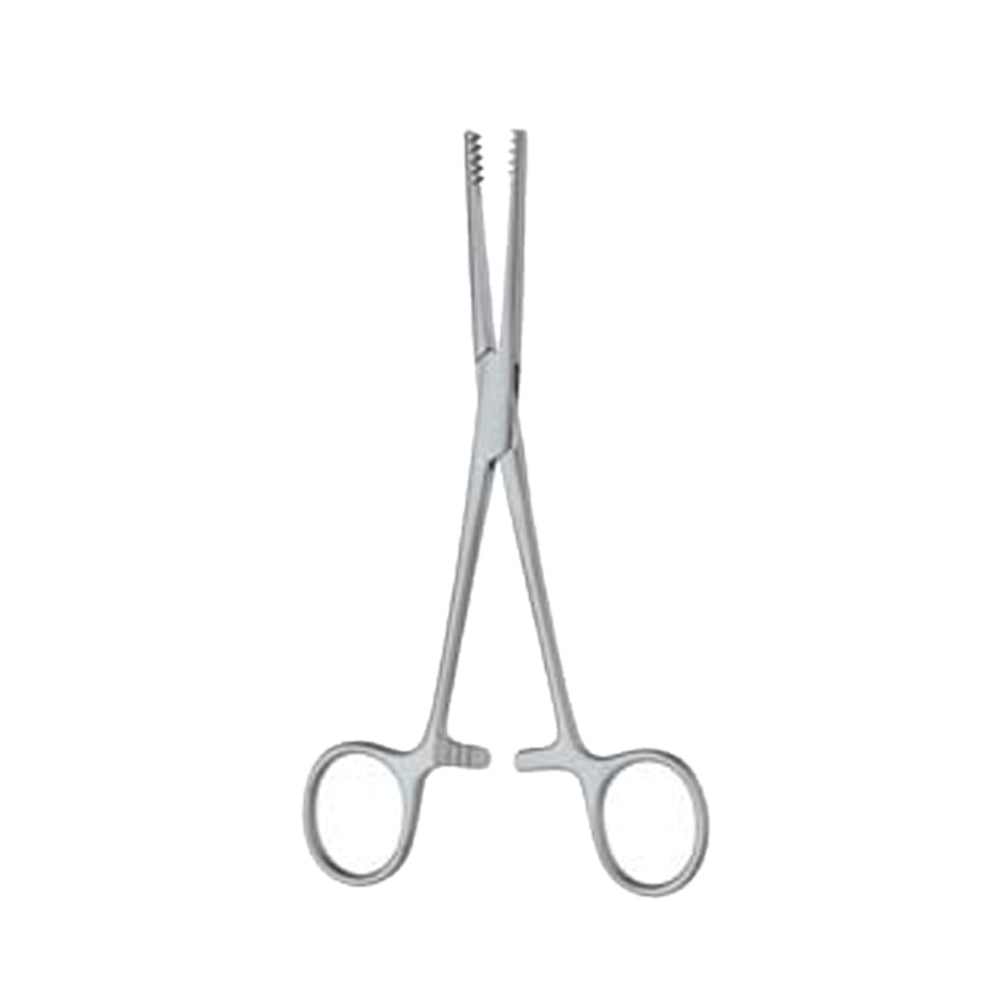
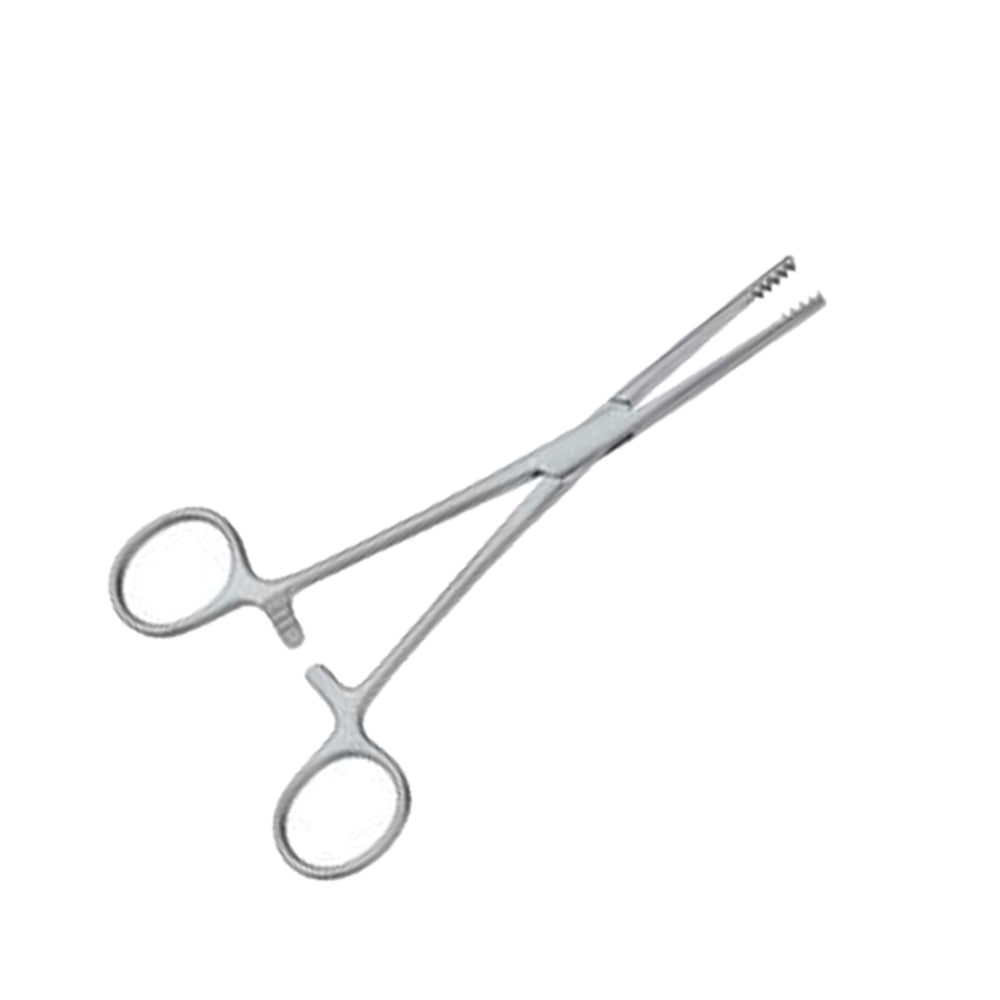
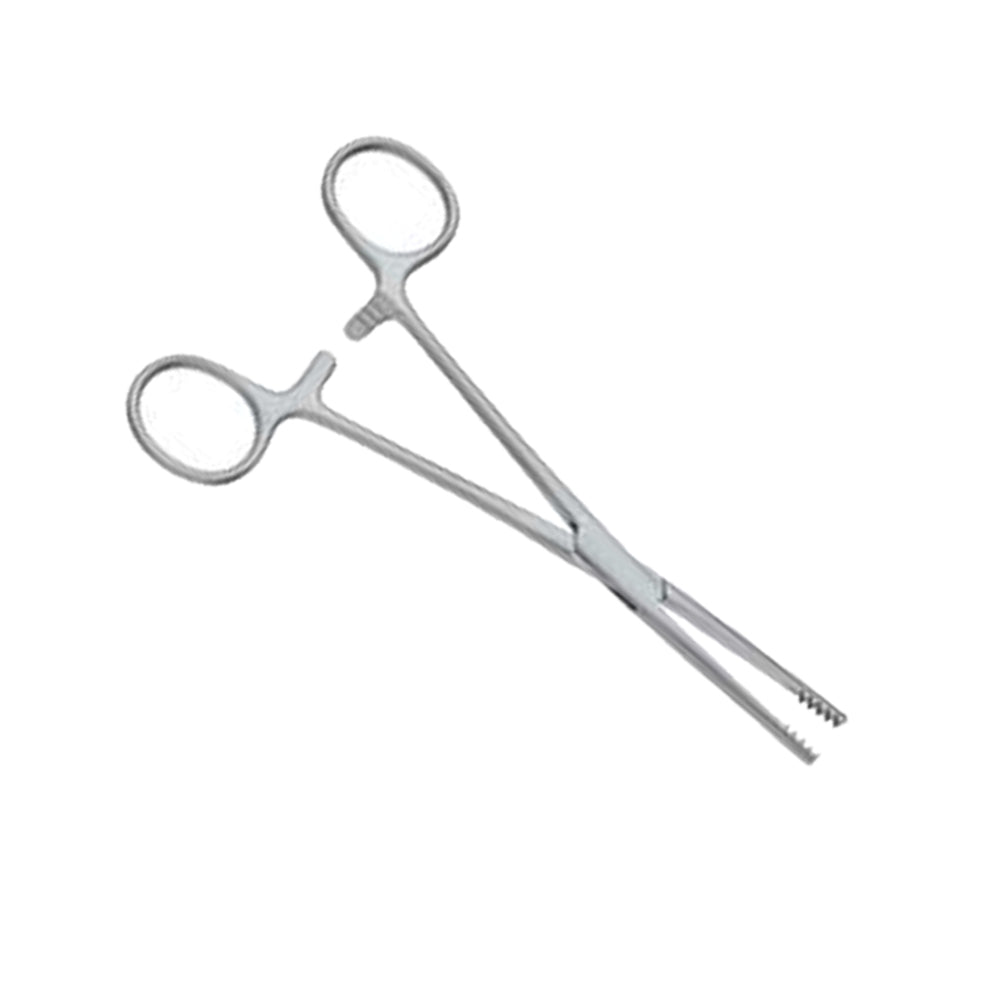
The premier orthopedic instrument for high-stability grasping, retraction, and surgical manipulation of dense meniscal, chondral, and fibrocartilaginous tissues. The Martin Cartilage and Meniscus Seizing Forceps are a task-specific, heavy-duty grasping instrument engineered to solve the clinical challenge of securely holding slippery, resilient meniscal remnants or cartilage fragments during arthroscopic or open joint surgery. Featuring finely serrated, interlocking jaws and a multi-position ratchet locking mechanism, this tool is a mechanical necessity for surgical teams performing meniscectomies, cartilage debridements, and joint reconstruction procedures. Its streamlined 16cm profile allows for deep, unobstructed access into knee, shoulder, or ankle joint spaces, ensuring tissue can be captured and extracted with absolute precision.
The Martin Cartilage and Meniscus Seizing Forceps (16cm Straight) represent the standard for controlled tissue management in sports medicine and joint reconstruction. During meniscectomies or repair procedures, cartilage is notoriously difficult to manipulate because it is resilient, often slippery, and embedded within tight joint pockets. Standard tissue forceps designed for skin or general soft tissue frequently fail to maintain a grip on dense meniscal structures. These Martin forceps feature a dedicated jaw profile specifically calibrated to “bite” and hold this unique tissue density, ensuring the surgeon can retract, trim, or remove fragments with complete confidence.
At its core, the tool is engineered for structural safety and maximal clinical maneuverability. The straight-jaw design provides a direct, predictable path to the tissue, while the ratchet lock provides a reliable “hands-free” hold once the target has been secured. This stability is a mechanical necessity for maintaining the operative window clear for other instruments, such as shavers or suture passers, during complex repairs. By combining a secure, serrated lock with a slender, high-tactile handle system, these forceps enable the surgical team to perform repetitive tissue manipulation tasks efficiently, reducing procedural duration and the potential for accidental damage to healthy chondral surfaces.
Built to exceed international quality standards for medical hardware, these forceps are fully reusable and easy to maintain. Their robust unibody construction, heavy-duty ratchet hinges, and weld-free assembly make them an indispensable asset for ensuring safe, predictable, and high-precision results in all orthopedic sports medicine, joint surgery, and skeletal trauma sets.
Feature Details
Instrument Style Martin-Pattern Meniscus & Cartilage Forceps
Overall Length 16cm (160mm / 6.3”)
Jaw Configuration Straight, Serrated Fine-Bite Profile
Handle Architecture Ergonomic Ring Handles with Multi-Step Ratchet Lock
Surface Treatment Non-Reflective Glare-Reducing Aura-Satin
Material Base Premium Bio-Inert Surgical Stainless Steel
Reprocessing Limits Fully Autoclavable / High-Vacuum Steam-Safe
Certifications CE, ISO, Professional Surgical Grade
Primary Clinical Applications:
Q: Why are these forceps better at gripping cartilage than standard tissue-grasping forceps?
A: Standard forceps are designed with broader, often shallower teeth meant for soft skin or muscle; these tend to skip off or tear through dense, slick meniscal cartilage. The Martin-pattern jaws feature a much finer, deeper, and more aggressive serrated bite specifically engineered to penetrate and hold this unique tissue density, making them a mechanical necessity for sports medicine.
Q: Can these forceps be used for grasping bone fragments, or will the teeth break?
A: These forceps are designed for fibrocartilage and meniscus; while the surgical steel jaws are very strong, they are not intended to grasp or apply high leverage to hard bone cortical surfaces. For bone manipulation, dedicated, heavy-duty bone-holding clamps are required.
Q: Does the ratchet lock feature wear down after repeated hospital autoclave cycles?
A: No. The ratchet rack is machined to tight tolerances using hardened surgical steel. Regular cleaning and application of medical-grade instrument lubricant (“instrument milk”) to the hinge and ratchet rack are mechanical necessities that ensure the lock remains positive and stable through thousands of cycles.
Q: How do you prevent the tissue from tearing when the ratchet is locked shut?
A: The multi-position ratchet system allows the surgeon to choose the exact level of compression. A professional standard is to “lock on” with only enough force to achieve a stable hold, which is a mechanical necessity to prevent crushing or tearing injuries to the surrounding healthy tissue.
Q: What is the approved sterilization protocol for this locking instrument?
A: The premium surgical steel construction is a mechanical necessity built for rigorous hospital reuse. It is fully rated to undergo standard high-vacuum steam autoclave cycles at 134°C (273°F). Leaving the instrument in the “open” (unlocked) position during the cycle is a mechanical necessity for ensuring total steam penetration across the entire locking hinge.
