
Featured Collection
Your cart
Featured Collection

PEAK SURGICALS
SKU:PS-5231
Couldn't load pickup availability
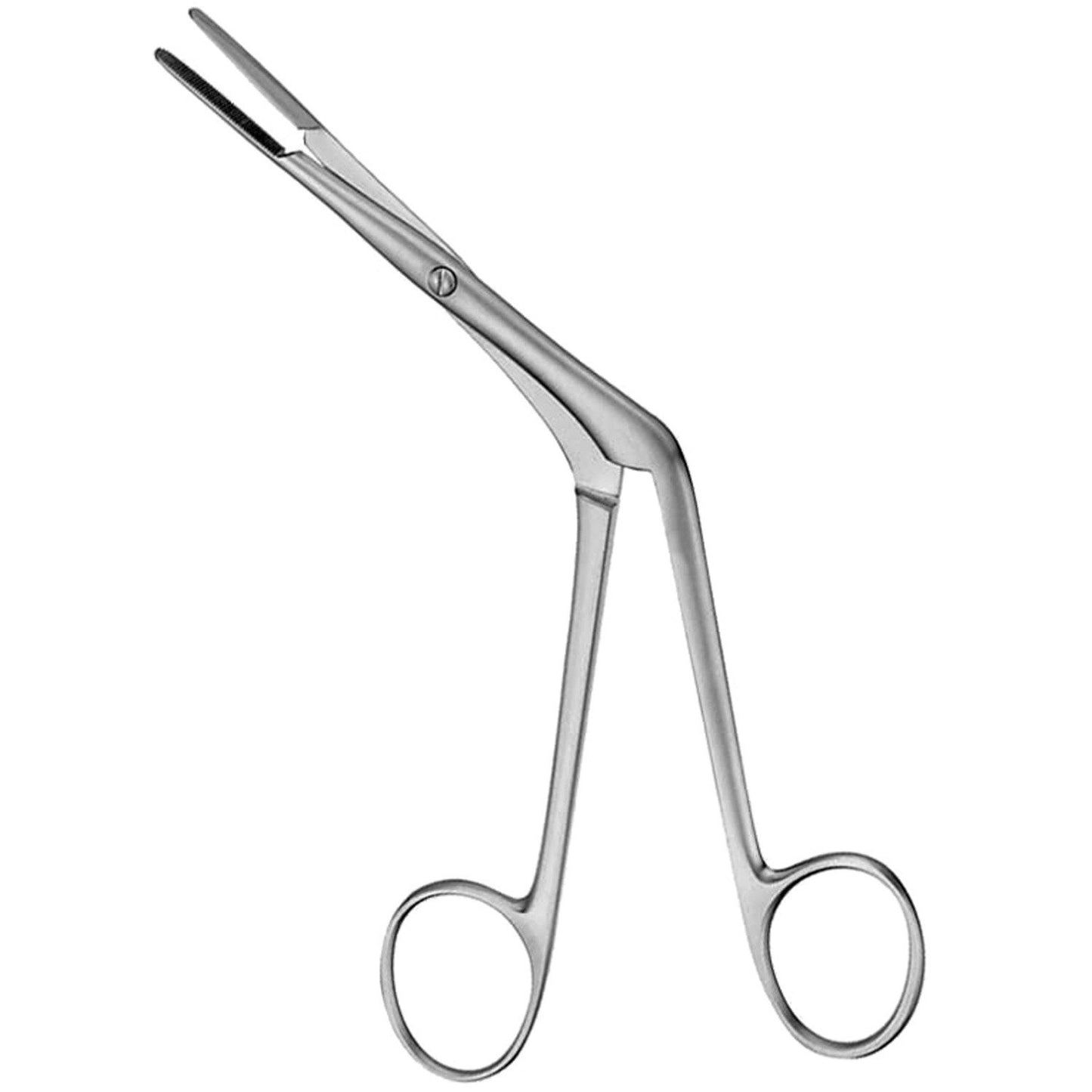
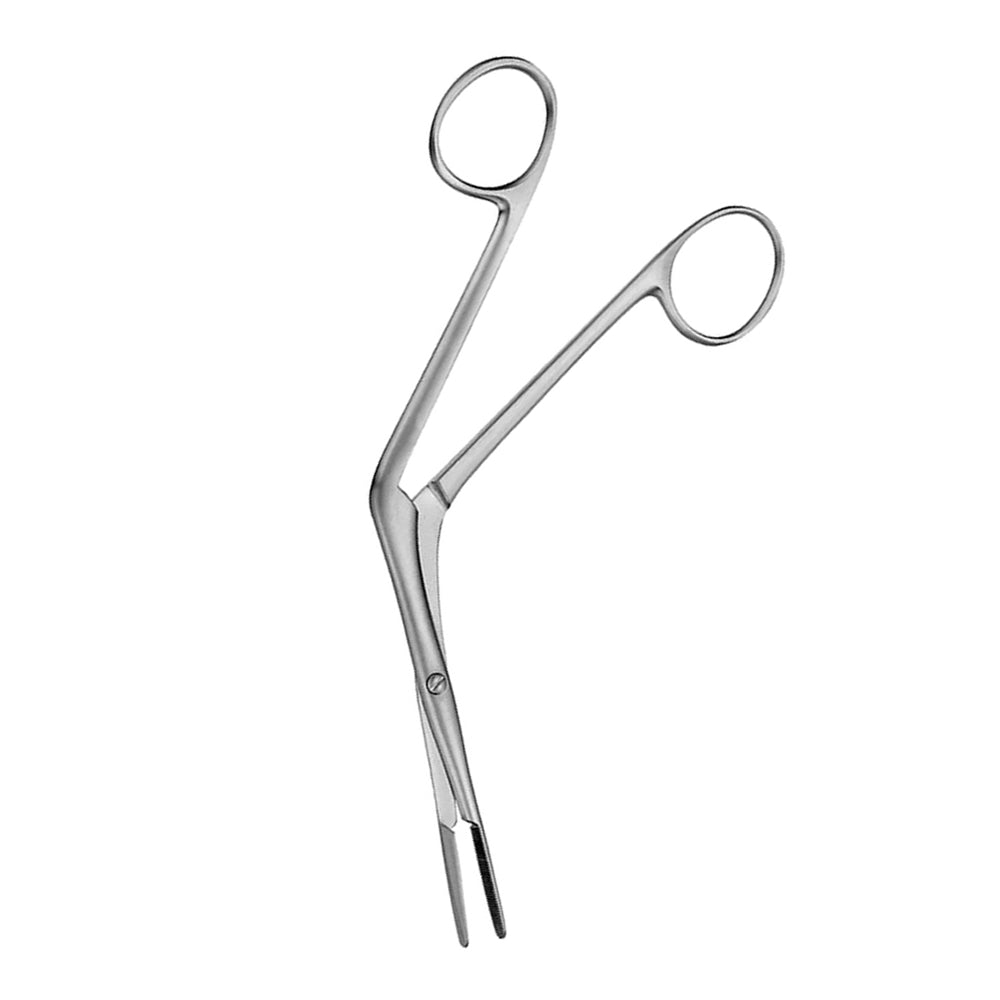
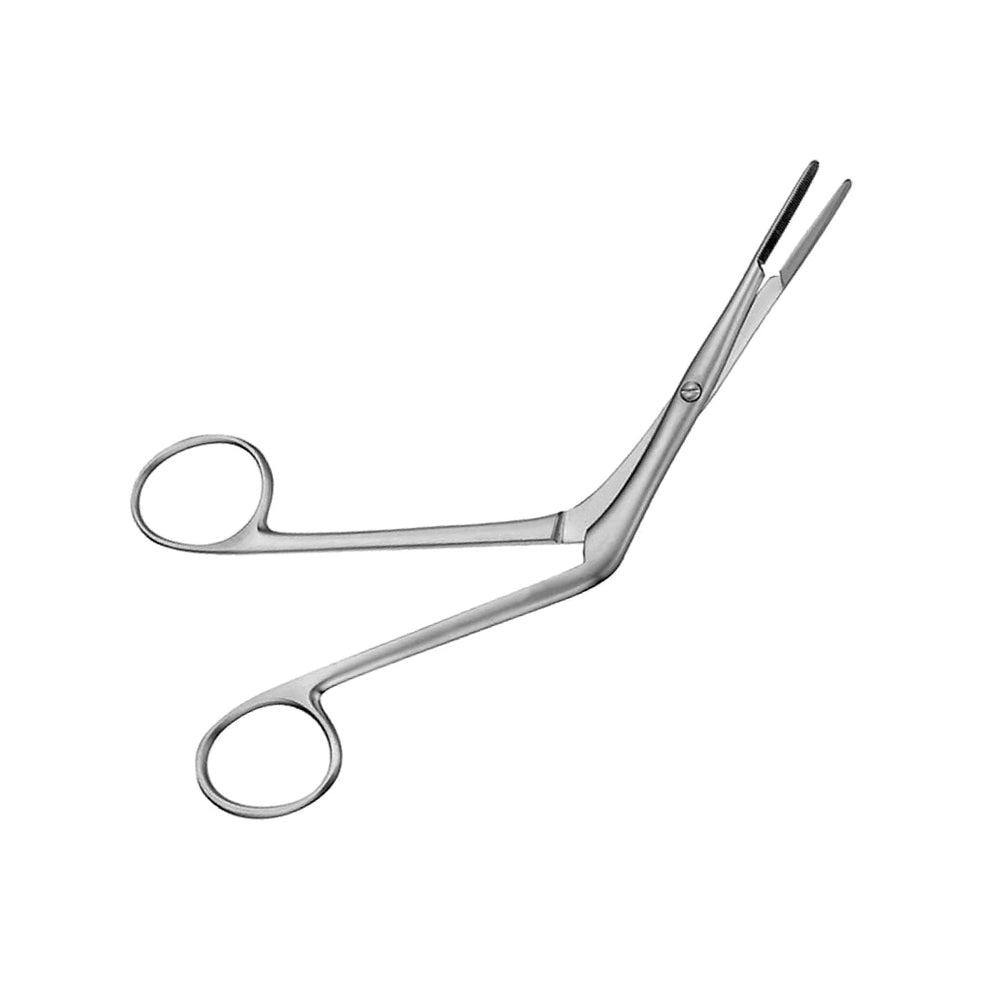
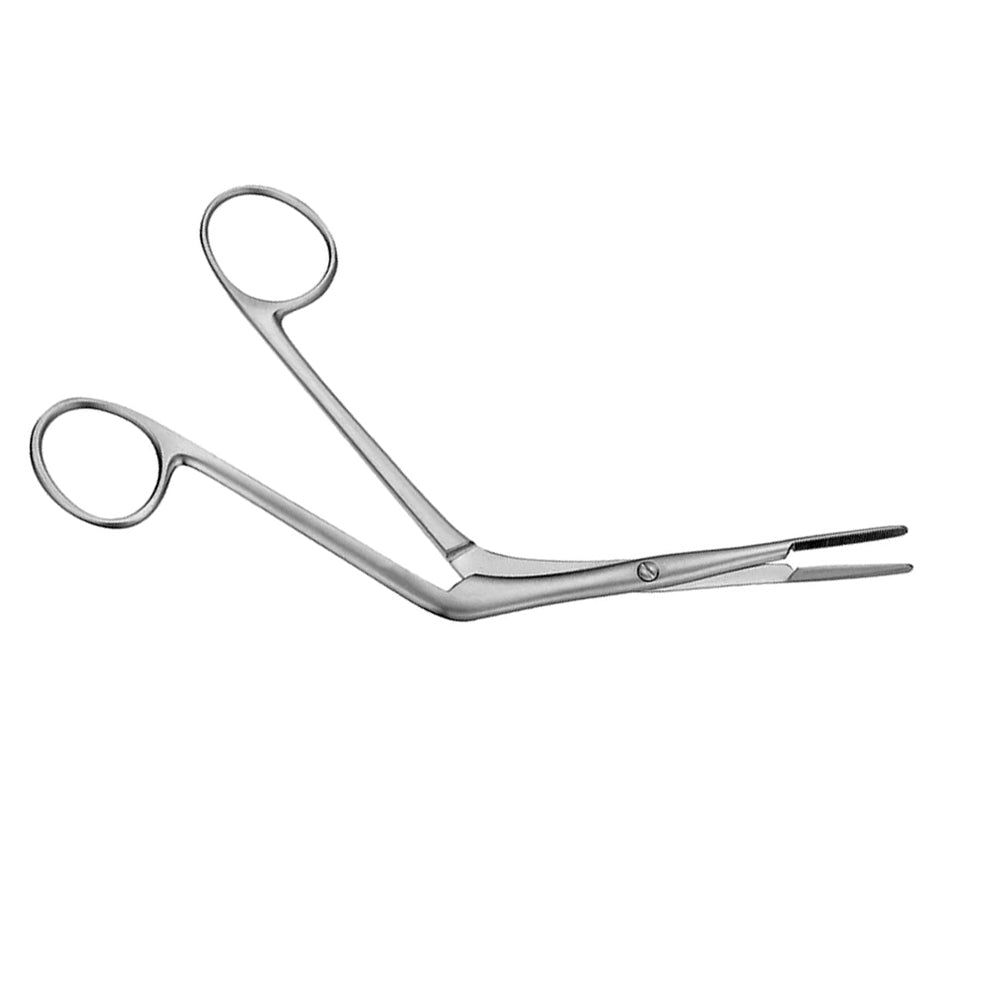
Jako Microlaryngeal Scissors is a reusable ENT microlaryngeal cutting instrument made from German stainless steel for precise soft tissue cutting, lesion trimming, and controlled endolaryngeal dissection during laryngeal procedures. The instrument features a 6mm blade length and 9.5 inches to 23.5cm working length, allowing access through a laryngoscope while keeping the surgeon’s hand outside the oral cavity and optical field. Its long slender shaft, ring handles, pivoted control joint, and fine distal scissor blades support controlled cutting in restricted microlaryngeal spaces. It is used during microlaryngoscopy, direct laryngoscopy, vocal fold lesion trimming, laryngeal polyp work, mucosal edge refinement, supraglottic tissue cutting, and upper airway procedure support.
The instrument works through ring handles connected to a pivoted mechanism that transfers finger pressure along the slim shaft to the distal scissor blades. This configuration allows controlled blade closure at the working tip while the handle remains outside the laryngoscope corridor. The 6mm blade length supports fine tissue cutting without introducing a bulky jaw profile into the airway field. The 23.5cm working length gives ENT surgeons reach to the glottis, vocal fold margin, supraglottis, epiglottic region, vallecula, and selected upper airway targets. The narrow shaft helps preserve space for suction, optics, light carriers, microscopes, endoscopes, and assistant instruments.
During microlaryngoscopy, Jako Microlaryngeal Scissors are introduced after exposure is obtained and the target tissue is identified under direct, endoscopic, or microscopic visualization. The distal blades can be used for precise cutting of vocal fold lesions, soft tissue tags, polypoid tissue attachments, mucosal edges, and selected supraglottic tissue. The instrument supports cold-instrument microlaryngeal technique when controlled mechanical cutting is preferred over powered or thermal methods. The clinical role is fine laryngeal cutting and tissue refinement, not grasping, suctioning, cautery, or broad blunt dissection.
The 6mm blade length is selected for precise endolaryngeal cutting where the surgeon needs a short working blade with controlled closure at the distal tip. This blade size supports tissue refinement around vocal fold lesions, small mucosal margins, polyp attachments, and delicate laryngeal soft tissue. The 9.5 inches to 23.5cm working length supports standard microlaryngoscopy access through a laryngoscope while maintaining hand clearance outside the oral cavity. Selection depends on target depth, laryngoscope exposure, microscope angle, suction placement, and the space available beside other microlaryngeal instruments.
German stainless steel construction provides rigidity, corrosion resistance, and dimensional stability for repeated ENT tray use. Satin, dull, and mirror finish options support operating room preferences; lower-reflection surfaces help reduce glare under microscope, endoscope, or headlight illumination, while polished surfaces support inspection after cleaning. Reusable construction fits central sterile workflows involving point-of-use soil removal, manual cleaning, decontamination, blade function inspection, packaging, and steam autoclave sterilization. CE marking supports European procurement documentation, ISO 13485 alignment reflects medical device manufacturing controls, and FDA-compliant purchasing language assists hospitals, clinics, and distributors serving regulated healthcare markets.
| Product Name | Jako Microlaryngeal Scissors |
|---|---|
| Price | $44.00 |
| Blade Length | 6mm |
| Working Length | 9.5 inches to 23.5cm |
| Instrument Category | ENT microlaryngeal scissors |
| Procedure | Microlaryngoscopy, direct laryngoscopy, vocal fold lesion trimming, laryngeal polyp work, mucosal edge refinement, supraglottic tissue cutting, upper airway procedure support |
| Material | German stainless steel |
| Finish | Satin, dull, and mirror finish options |
| Sterilization | Reusable instrument for validated cleaning, decontamination, inspection, and steam autoclave processing |
| Instrument Classification | Class I manual surgical instrument |
| Reusable | Yes |
| Certifications | CE, ISO 13485, FDA |
| Warranty | 1 year |
| MOQ | 1 piece |
| OEM / Custom Orders | Available for eligible procurement and distributor requirements |
| After-Sale Service | Return and replacement support |
How is this different from Jako Microlaryngeal Grasping Forceps?
Jako Microlaryngeal Scissors are used for fine cutting and tissue refinement during microlaryngeal procedures, while Jako Microlaryngeal Grasping Forceps are used for controlled tissue capture and specimen handling. The scissors use distal cutting blades for lesion trimming, mucosal edge work, and polyp attachment division. The grasping forceps use jaws for holding, stabilizing, and retrieving tissue. ENT teams often keep both instruments in the same microlaryngeal tray because cutting and grasping tasks are performed at different stages of the procedure.
When should the 6mm blade be selected?
The 6mm blade is selected when the surgeon needs a short, controlled cutting surface inside a restricted laryngoscope corridor. It is suitable for vocal fold lesion trimming, fine mucosal cutting, polyp attachment work, and selected supraglottic tissue refinement. The blade size helps maintain precision when working beside suction, optics, and other microlaryngeal instruments. Selection depends on lesion size, target location, exposure quality, and the required cutting angle.
What does CE, ISO 13485, and FDA context support in procurement?
Jako Microlaryngeal Scissors are supplied with CE, ISO 13485, and FDA procurement context for regulated surgical instrument purchasing. CE marking supports European medical device supply channels. ISO 13485 alignment relates to manufacturing under a medical device quality management system. FDA-compliant purchasing language assists hospitals, clinics, and distributors serving United States healthcare markets. These references support vendor review, product file documentation, and reusable ENT airway tray purchasing.
How does the pivot mechanism support cutting control?
The ring handles close around a pivot that transfers finger pressure through the slender shaft to the distal scissor blades. As the surgeon compresses the handles, the blades approximate at the working tip to cut the selected tissue. The pivot gives tactile feedback during blade closure, supporting controlled cutting in a narrow microlaryngeal field. This mechanism helps preserve distal precision while the handle remains outside the oral cavity and away from the optical pathway.
How should ENT teams manage sterilization and stocking?
Jako Microlaryngeal Scissors should be cleaned after use with attention to the distal blades, hinge region, shaft, pivot, and ring handles. The blades should be opened and closed during cleaning so mucus, blood, tissue, and biological material are removed from moving surfaces. After decontamination and inspection, the instrument can be packaged for steam autoclave sterilization under the facility’s validated protocol. ENT departments can stock this 6mm blade and 23.5cm working length pattern in microlaryngoscopy, vocal fold lesion, airway, and biopsy support trays.


