
Featured Collection
Your cart
Featured Collection

PEAK SURGICAL
SKU:GH-84697
Couldn't load pickup availability
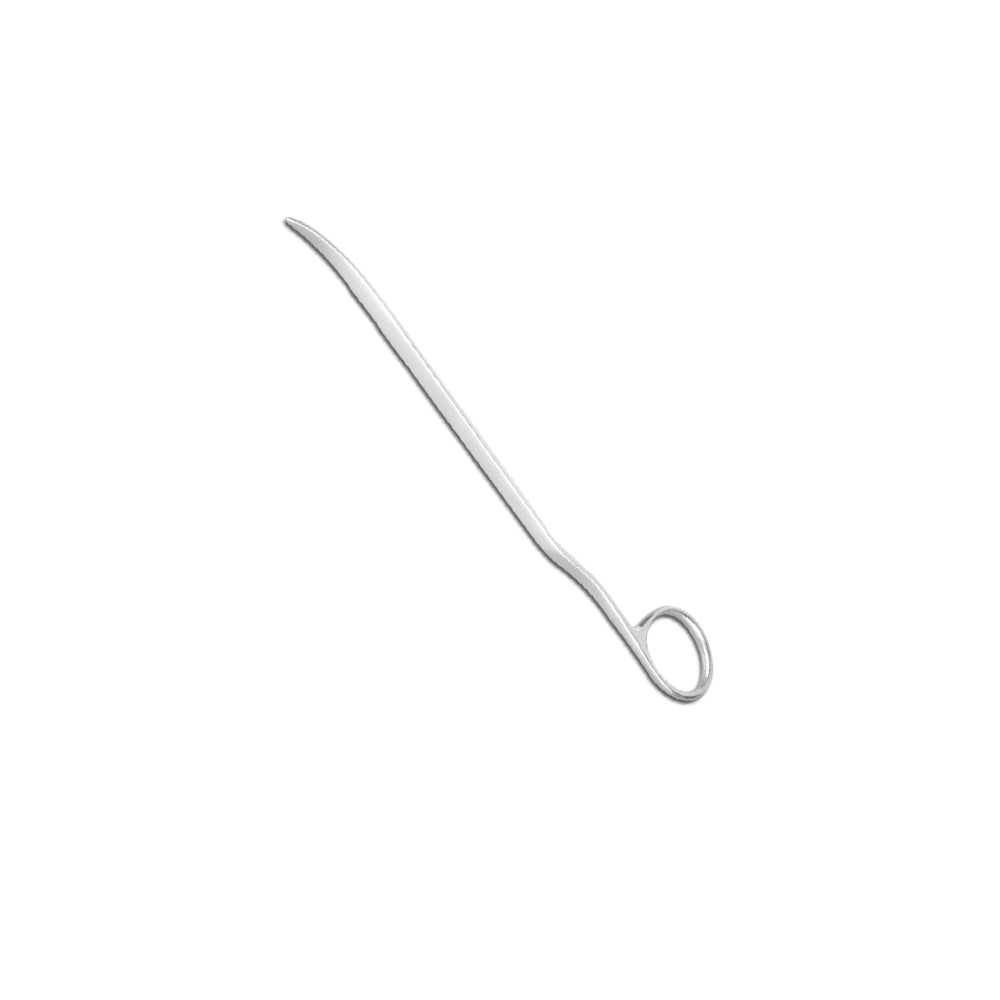
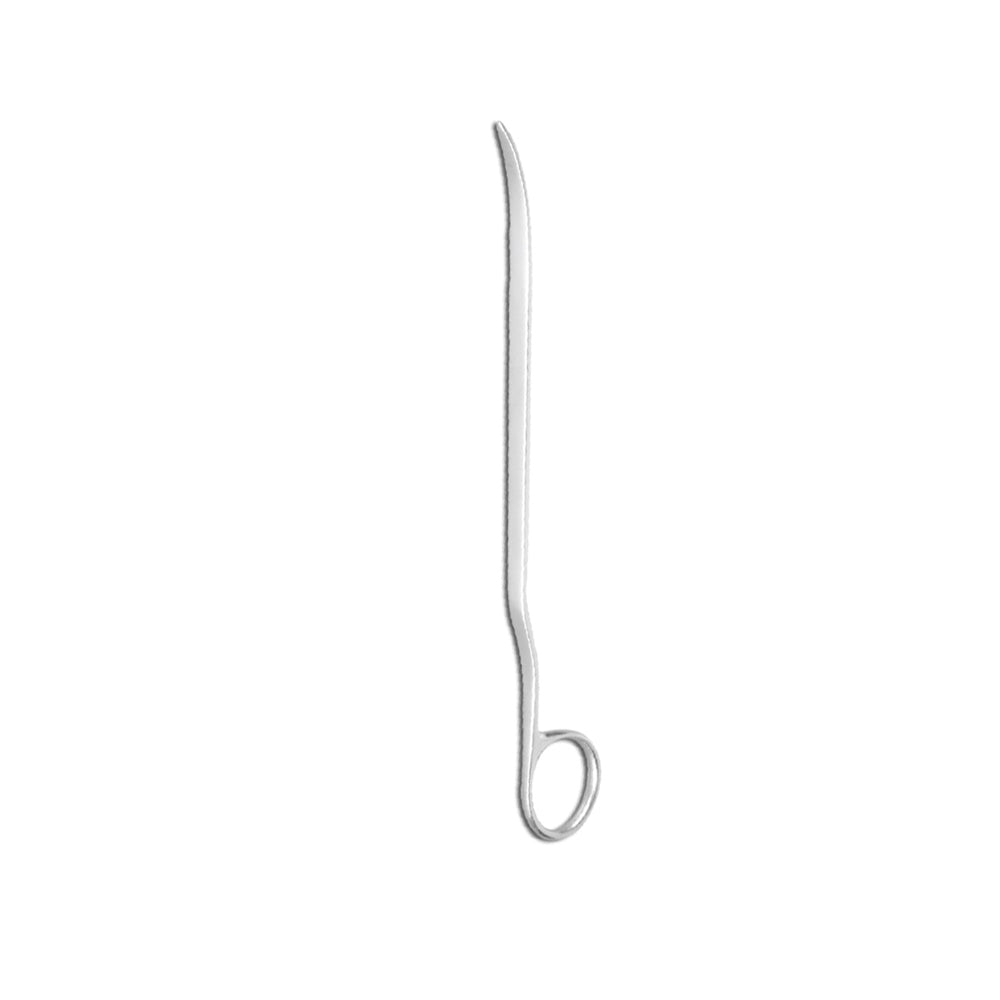
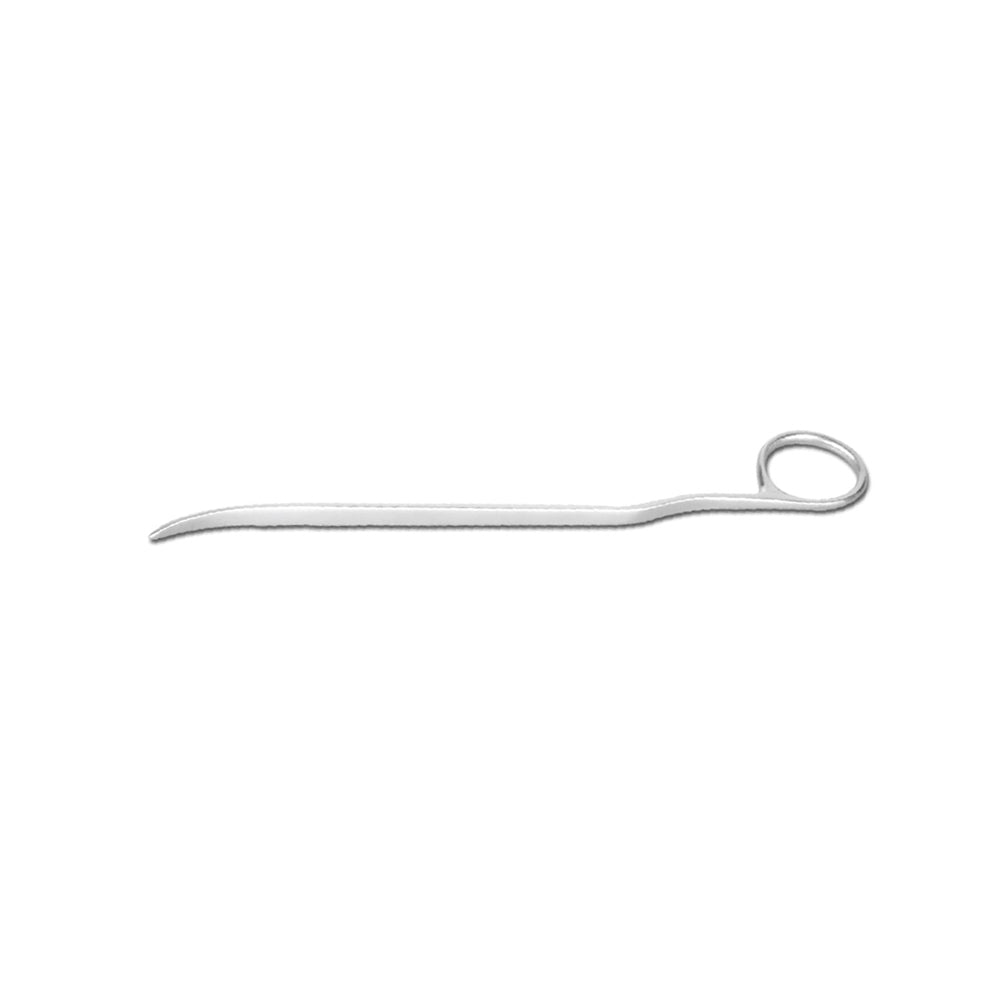
The premier orthopedic instrument for micro-leverage, anatomical fragment positioning, and streamlined tissue deflection in intermediate skeletal surgery. The Lane Bone Lever 21cm is a task-specific orthopedic elevator designed to solve the critical challenge of lifting, shifting, and stabilizing dense bone structures without crowding tight incisions. Featuring a streamlined, slender shaft paired with an ergonomic ring-style control handle, this tool is a mechanical necessity for surgical teams performing open reduction and internal fixation (ORIF) of intermediate fractures, periosteal elevations, and corrective osteotomies. Its optimized physical profile delivers high tactile sensitivity, ensuring accurate manipulation near fragile neurovascular pathways.
The Lane Bone Lever (21cm with Ring Handle) represents the industry benchmark for streamlined, high-control skeletal manipulation in small-to-intermediate fragment trauma surgeries. During delicate reconstructive procedures or fracture reduction, aligning displaced bone fragments requires controlled, steady pressure. Utilizing oversized, broad bone levers can easily tear fragile muscle attachments or compromise the regional blood supply. This specialized ring-handle lever functions as an elegant mechanical tool, translating small manual adjustments into highly precise, locked-in skeletal elevation.
At its core, the tool is engineered for maximum workflow safety and high clinical maneuverability. The integrated ring handle allows the surgical assistant to maintain continuous leverage with minimal physical fatigue. This feature is a mechanical necessity for maintaining the operative window stability during long plate fixation steps. By resting flat against anatomical contours and providing an unobstructed working corridor, the Lane lever ensures clear visibility, allowing the surgical team to track guide pins, position anatomical reconstruction plates, and secure locking screws with complete confidence.
Built to exceed international quality standards for medical hardware, this heavy-duty bone lever is fully reusable and easy to decontaminate. Its resilient unibody profile, low-profile blade curve, and open-ring architecture make it an indispensable asset for ensuring safe, organized, and high-precision results in all upper- and lower-extremity trauma, podiatric reconstruction, and orthopedic surgery settings.
Feature Details
Total Overall Length 21cm (210mm / 8.3”)
Handle Style Integrated Circular Finger-Ring Grip
Tip Profile Gently Curved, Blunt Elevation Blade
Shaft Architecture Slender, Tapered Rigid Spine
Surface Finish Non-Reflective Aura-Satin Coating
Material Base Premium Bio-Inert Surgical Stainless Steel
Reprocessing Limits Fully Autoclavable / High-Vacuum Steam-Safe
Certifications CE, ISO, Professional Surgical Grade
Primary Clinical Applications:
Q: What is the main clinical advantage of a ring handle on a bone lever?
A: The ring handle is a mechanical necessity that provides a secure, ergonomic anchor point for the assistant’s finger or thumb. This configuration prevents the tool from rotating, slipping forward, or sliding out of alignment when wet with blood or saline, offering far more stability than flat handles.
Q: Can this 21cm Lane bone lever be used to reduce a large adult femur fracture?
A: No. This compact 21cm lever is optimized for intermediate- to long-bones such as the radius, ulna, fibula, and clavicle. Attempting to lever a heavy adult femur fracture can overload the slim shaft; for large bones, heavy-pattern, 24cm to 30cm Hohmann or Verbrugge levers are required.
Q: Is there any risk of the instrument bending or snapping under manual leverage?
A: No. The solid-state forged surgical steel unibody is a mechanical necessity engineered to tolerate high manual pulling and rotational leverage without flexing or structural failure, provided it is used within standard clinical limits.
Q: How do you prevent scraping the bone cortex when sliding the curved tip into place?
A: It is a professional standard to keep the curved, blunt tip in close, continuous tactile contact with the bone plane, sliding it smoothly beneath the tissue layers. This technique ensures the tool stays under the muscle fascia, serving as a mechanical necessity to avoid tissue pinching.
Q: What is the approved sterilization cycle for this tool?
A: The premium surgical steel construction is a mechanical necessity built for rigorous hospital reuse. It is fully rated to undergo standard high-vacuum steam autoclave cycles at 134°C (273°F) with zero risk of structural breakdown, finish clouding, or corrosion.
