Featured Collection
Your cart
Featured Collection

PEAK SURGICAL
SKU:PS-2693
Couldn't load pickup availability
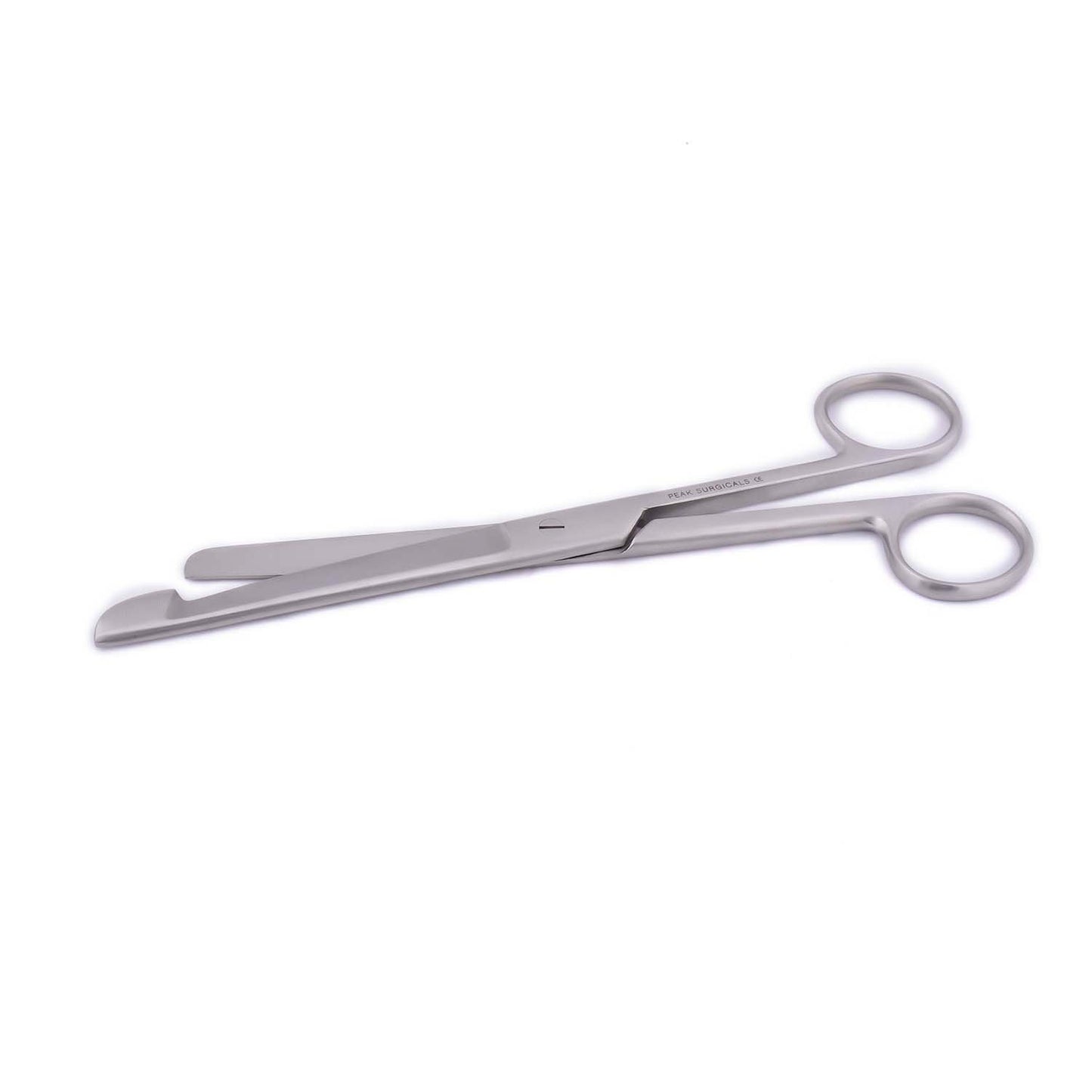
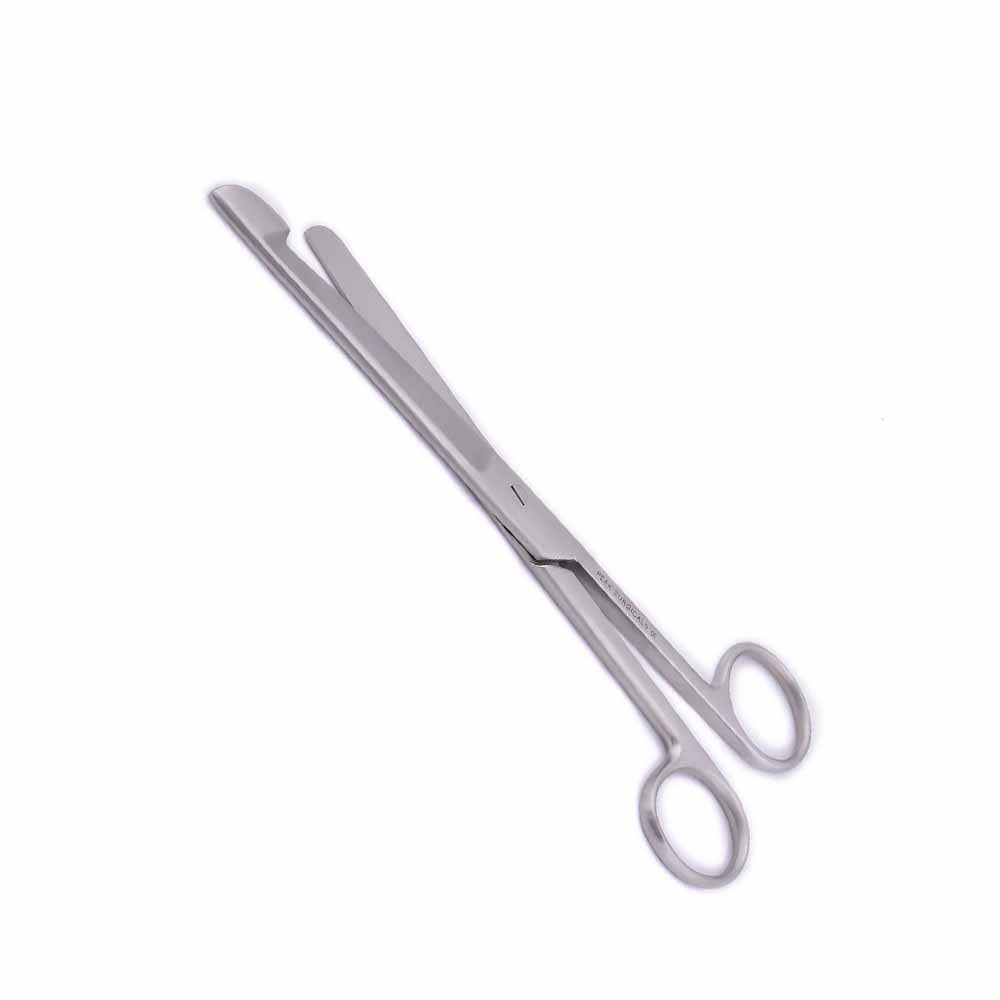
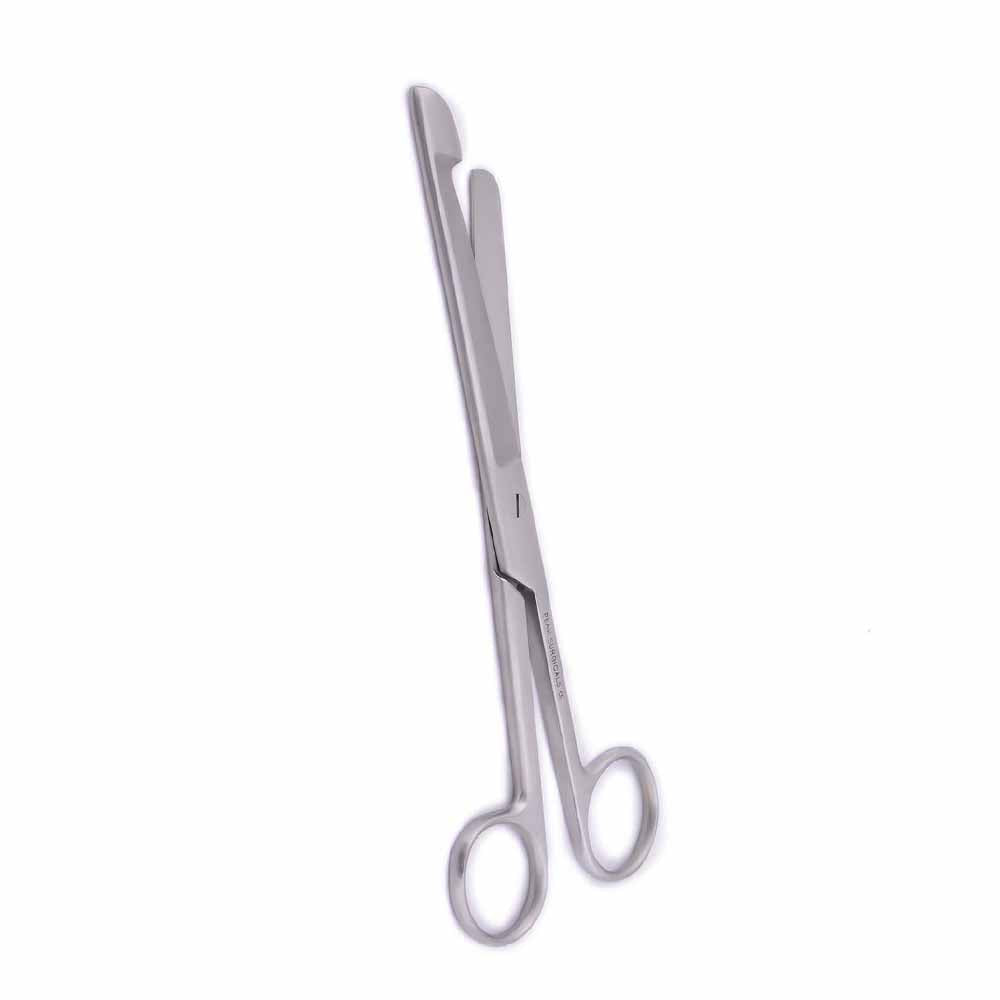
Knowles Bandage Scissors, SKU PS-2693, are reusable dressing and bandage scissors manufactured from German stainless steel for controlled removal of gauze dressings, adhesive wraps, compression bandages, stockinette, soft cast padding, surgical drapes, and clothing during clinical exposure or wound-care workflow. The listed size selections are 5 5/8" and 5.5", giving nursing, emergency, orthopedic, surgical, and veterinary teams compact cutting profiles for bedside, ward, operating room, and procedure-room use. The image shows a broad blunt protective lower blade, opposing cutting blade, screw-joint pivot, straight shanks, and ring handles for manual fingertip closure. Emergency physicians, trauma nurses, wound-care clinicians, orthopedic technicians, operating room staff, plastic surgery teams, dental surgical assistants, and veterinary clinicians use this instrument during postoperative dressing change, burn dressing removal, trauma clothing exposure, wound inspection, cast-padding adjustment, compression wrap removal, suture-line access, sterile field setup, and first-aid response in hospitals, clinics, ambulatory centers, emergency departments, surgical wards, and reusable dressing instrument trays.
The instrument works through two crossing blades joined by a screw-joint pivot that converts ring-handle compression into controlled cutting movement. The lower blade has a broad blunt guard profile that slides beneath gauze, tape, stockinette, clothing, cast padding, or compression wrap while keeping the cutting edge elevated away from the patient-facing surface. The opposing blade then closes over the material and divides it as the operator advances along the dressing line. This geometry is clinically useful when cutting near fragile postoperative skin, burn dressings, limb wraps, abdominal coverings, and orthopedic padding. The straight shanks keep the hand aligned with the cut path, while the ring handles provide thumb and finger control during short progressive cuts. The screw joint maintains blade alignment and needs smooth movement so fabric or gauze does not fold between the edges. There is no ratchet, spring, or locking catch; control depends on blade placement, patient clearance, visual guidance, and measured fingertip pressure.
During wound-care dressing change, the blunt blade is introduced beneath the outer layer of gauze, adhesive wrap, or tubular bandage before the cutting blade is closed over the material. This allows clinicians to expose postoperative incisions, graft donor sites, ulcer dressings, flap edges, burn coverings, and suture lines without using a pointed scissor close to the skin. In emergency departments, Knowles Bandage Scissors assist rapid clothing exposure for trauma assessment, hemorrhage control, wound irrigation, fracture inspection, and preparation for sterile coverage. Orthopedic teams use the pattern to trim stockinette, cast padding, soft splint material, compression wraps, and postoperative limb dressings. In operating rooms, the scissors can cut drape edges, gauze strips, soft ties, and dressing material during setup or closure support. Veterinary clinicians use the same blunt-guard design for bandage removal from limbs, thorax, abdomen, and postoperative wounds. The instrument is used after the material is lifted or tensioned, keeping the guarded blade between the dressing and the patient surface.
The 5 5/8" size selection gives slightly extended reach for cutting layered gauze, orthopedic padding, compression wraps, and dressing material around adult limbs, abdominal wounds, and ward-based postoperative sites. It is suitable when the clinician needs compact control but still requires enough shaft length to pass beneath a bandage layer. The 5.5" selection provides a close-hand profile for first-aid kits, outpatient wound rooms, small dressing trays, pediatric dressing work, dental surgical packs, and veterinary minor procedure setups. Its shorter length helps the operator maintain hand control when trimming material near a small wound margin or limited access area. Both selections use the same blunt guard blade, screw-joint pivot, and ring-handle mechanism, so the clinical difference is reach and handling preference rather than functional design. Selection depends on dressing thickness, patient site, glove use, hand clearance, and whether the task involves bedside dressing removal, emergency clothing exposure, or orthopedic padding adjustment. Procurement teams can stock both sizes for dressing rooms and emergency carts.
German stainless steel construction supports repeated clinical use by maintaining blade stability, corrosion resistance, and a smooth surface through cleaning and steam sterilization cycles. Satin, dull, and mirror finish options allow procurement teams to match surface preference with glare control, inspection workflow, and existing tray standards. After use, the blades should be opened and cleared of gauze fibers, adhesive residue, lint, blood, topical ointment, and dressing material before enzymatic cleaning. Processing can include manual brushing, ultrasonic decontamination, washer-disinfector exposure, rinsing, drying, pivot inspection, edge review, packaging, and steam autoclave sterilization according to facility protocol. The screw joint needs attention because dried adhesive or fabric debris can change resistance and reduce smooth closure. CE marking, ISO 13485 documentation, and FDA procurement context support purchasing records for hospitals, clinics, emergency units, orthopedic departments, distributors, veterinary facilities, and surgical training programs. Class I classification, reusable construction, carton-box packing, 1-piece MOQ, OEM availability, 1-year warranty, and return and replacement support assist replacement ordering and distributor supply.
| SKU | PS-2693 |
|---|---|
| Product Name | Knowles Bandage Scissors |
| Price | $9.08 |
| Size/Gauge Variants | 5 5/8"; 5.5" |
| Instrument Category | Reusable dressing and bandage scissors |
| Procedure | Postoperative dressing change, burn dressing removal, trauma clothing exposure, wound inspection, cast-padding adjustment, compression wrap removal, suture-line access, sterile field setup, first-aid response |
| Material | German stainless steel |
| Finish | Satin, dull, or mirror finish |
| Sterilization | Reusable instrument suitable for manual cleaning, ultrasonic decontamination, washer-disinfector processing, drying, pivot inspection, packaging, and steam autoclave sterilization |
| Instrument Classification | Class I reusable surgical instrument |
| Reusable | Yes |
| Certifications | CE, ISO 13485, FDA |
| Warranty | 1 year |
| MOQ | 1 piece |
| OEM / Custom Orders | Available for distributor supply, institutional branding, bulk purchasing, and customized packing programs |
| After-Sale Service | Return and replacement support for eligible orders |
How are Knowles Bandage Scissors different from Lister bandage scissors?
Lister bandage scissors are the closest alternative because they are also used to cut dressings close to skin. Knowles Bandage Scissors use a broad blunt protective blade that slides under dressing material while the opposing edge cuts above it. A Lister pattern commonly has a pronounced angled foot, while this Knowles pattern has a flatter guarded lower blade with ring-handle control. Both instruments are selected for dressing removal, bandage trimming, and emergency exposure rather than tissue dissection. The clinically relevant difference is the shape of the guard, the way the lower blade passes under material, and the handling preference of the clinical team. Knowles Bandage Scissors are suitable when a compact guarded dressing scissor is required for ward, emergency, orthopedic, and operating room sets.
How should the 5 5/8 inch and 5.5 inch sizes be selected?
The 5 5/8" size is selected when the clinician wants slightly more reach beneath adult limb wraps, abdominal dressings, orthopedic padding, or layered compression material. It gives enough length to pass under a dressing without using larger trauma shears. The 5.5" size is selected for compact dressing trays, outpatient procedure rooms, first-aid kits, pediatric dressing work, and veterinary minor procedure setups. Knowles Bandage Scissors in the shorter size give close hand control when the cut is made near a wound margin or small patient site. Size selection depends on dressing thickness, anatomical location, hand clearance, glove use, and whether the task is bedside dressing change or emergency exposure. Stocking both sizes helps procurement teams cover compact and slightly extended dressing-removal workflows.
What do CE, ISO 13485, and FDA details mean for procurement?
CE documentation supports international conformity records for reusable medical instrument purchasing. ISO 13485 indicates manufacturing under a medical device quality management system covering production control, inspection, and traceability. FDA procurement context supports U.S. purchasing files for Class I reusable surgical instruments. Knowles Bandage Scissors can be entered into hospital, clinic, emergency department, orthopedic, veterinary, and distributor catalogs with documented material, finish, warranty, MOQ, OEM availability, and after-sale service. These records help purchasing officers, receiving teams, and sterile processing departments align the item with internal approval requirements. The certification profile supports tender files, replacement stock, first-aid kits, and standardized dressing instrument trays.
How does the blunt guard blade and screw joint control cutting?
The blunt guard blade is the main patient-facing control feature because it passes beneath bandage material before the sharp opposing blade closes. The screw-joint pivot transfers ring-handle pressure into blade closure and keeps the cutting edges aligned. During use, the clinician lifts or tensions the dressing, slides the blunt blade under the material, and closes the handles with measured pressure. The guarded blade helps keep the cutting line above the patient-facing surface while the operator follows the dressing path. Knowles Bandage Scissors do not use a ratchet, spring, or locking catch, so control depends on visual placement, blade angle, patient clearance, and fingertip pressure. Cleaning around the pivot is important because adhesive residue or lint can alter resistance and reduce smooth closure.
Are these scissors suitable for reusable sterile processing and distributor stock?
Yes, Knowles Bandage Scissors are reusable German stainless steel instruments suitable for hospital, clinic, emergency, orthopedic, veterinary, distributor, and operating room supply workflows. After use, the blades and screw joint should be opened so adhesive residue, gauze fibers, lint, blood, and topical dressing material can be removed before sterilization. Processing can include manual cleaning, ultrasonic decontamination, washer-disinfector exposure, drying, pivot inspection, packaging, and steam autoclaving. The 1-piece MOQ supports replacement ordering for small clinics, first-aid kits, procedure rooms, and ward dressing carts. OEM availability supports distributor branding, institutional packing, and bulk purchasing programs. The 1-year warranty and return and replacement service support procurement teams managing recurring dressing-scissor inventory.