
Featured Collection
Your cart
Featured Collection

PEAK SURGICAL
SKU:SD-74589
Couldn't load pickup availability
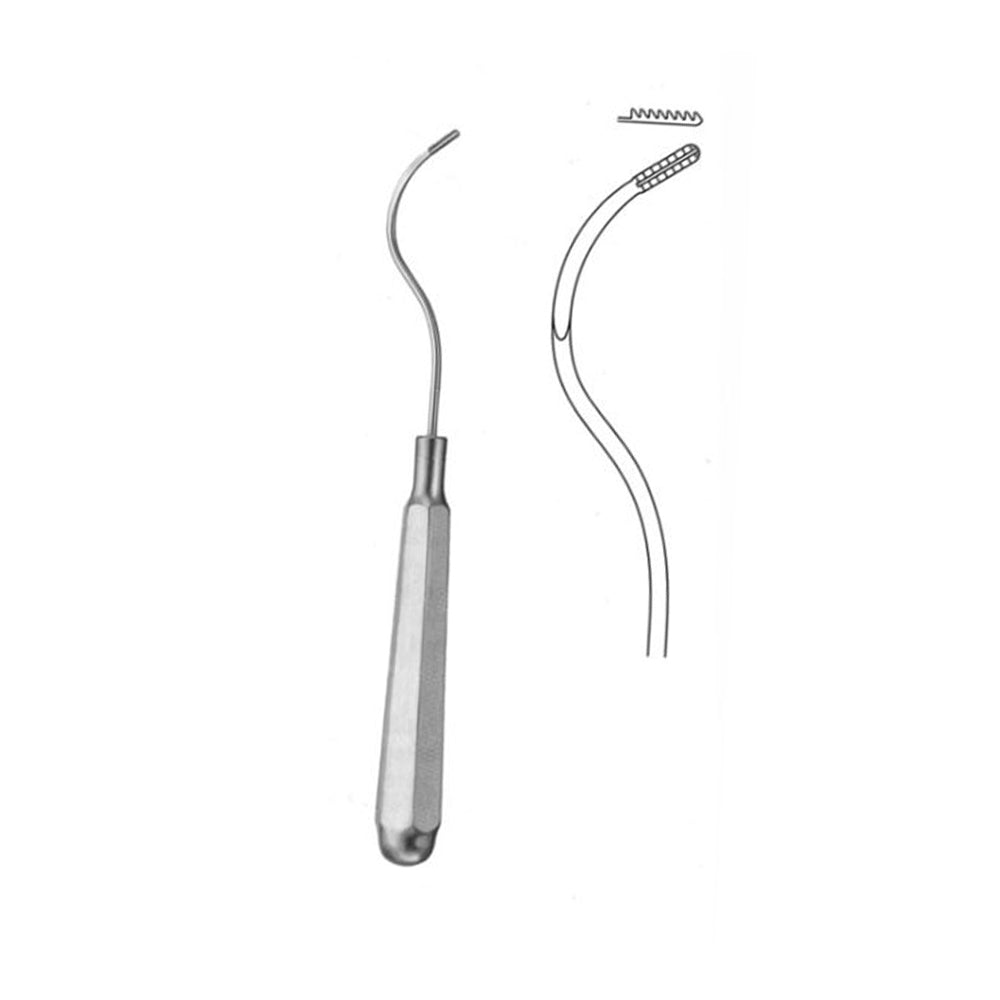
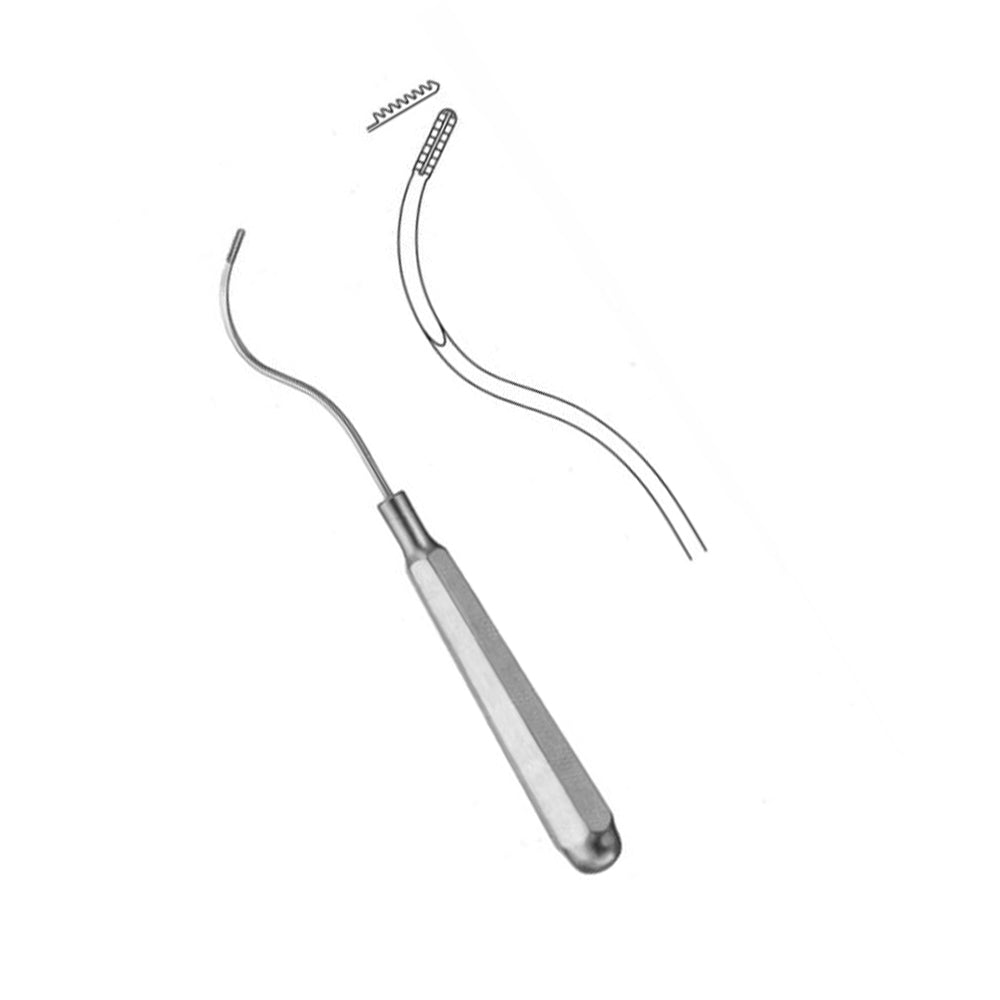
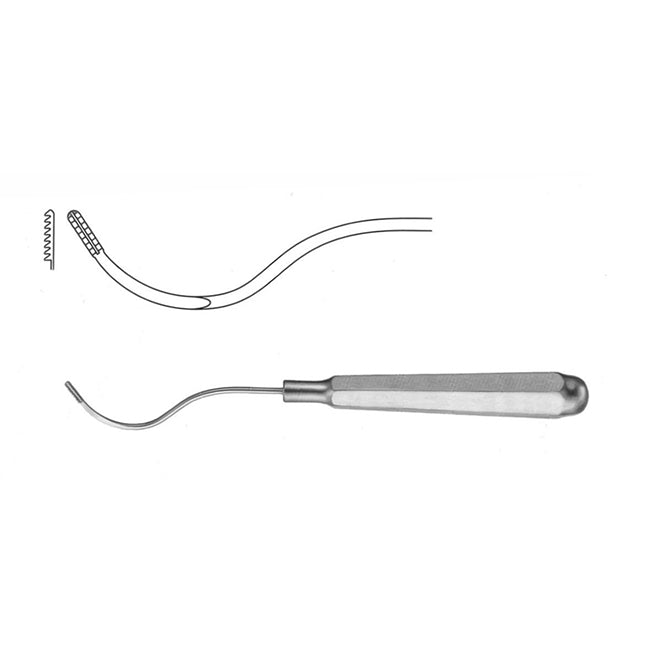
In the highly specialized field of plastic and reconstructive surgery, the ultimate goal is to create smooth, natural contours. The Kistler Antihelix Cartilage Rasp (Right) is a special tool made for carefully shaping cartilage and bone. The name comes from ear reconstruction (otoplasty), but its versatility and accuracy have made it an important tool for many types of surgery, including advanced breast and facial surgery.
Designs Just for Plastic Surgery
The Kistler Rasp is designed to allow the surgeon to "sculpt" instead of cutting by controlling how much it scratches. This is very important when working with fragile structures because small changes in volume or shape can have a big effect on how the final product looks.
Made to work best with the right hand: This model is curved and set up for right-handed use, giving the user the ergonomic leverage they need to follow the patient's natural anatomical curves.
Stainless Steel of the Highest Quality: The rasp is made from high-quality surgical-grade stainless steel, which makes it resistant to rust and keeps its abrasive properties even after being sterilized many times.
Precision Gritting: The rasp's surface has finely tuned serrations that let you slowly remove tissue without the risk of over-correction or jagged edges.
Breast and Reconstructive Procedures That Are Flexible
The Kistler Rasp is a tool that has been used for a long time to reshape the antihelix of the ear. It is now a favorite in breast surgery and other plastic sub-specialties:
Breast Reconstruction: Used to make the surfaces of bones or cartilage smoother during flap procedures or implant-based reconstructions.
Otoplasty: A procedure that weakens the cartilage in the ear's antihelical fold so that it can be reshaped to look more natural.
Cartilage Grafting: The best way to smooth out the edges of harvested cartilage grafts before putting them in the nose, breast, or face.
Rhinoplasty can help with small dorsal hump reductions or making the nasal bridge smoother.
Handling and ergonomics
The Kistler Rasp's handle is made to feel good in the hand, so the surgeon can keep full control even when wearing wet gloves. The instrument's balance lets you touch it "feather-light," which is important when you need to thin cartilage to a certain level of transparency or flexibility.
How long instruments last and how to clean them
To keep the abrasive surface working well, you must take good care of it:
By hand, Before Cleaning: Before autoclaving, use a nylon brush with soft bristles to get rid of tissue debris from the rasp's teeth.
Standard Sterilization: Works with all modern ultrasonic cleaning and autoclave methods.
Check the rasping surface regularly to make sure it isn't dull. This will make sure that it works the same way every time.
Important Details
Type of Tool: Cartilage Rasp or Sculpting Tool
Right-Handed Orientation Material: High-Quality Surgical Stainless Steel
Plastic, reconstructive, and breast surgery are all examples of when this is useful.
