Featured Collection
Your cart
Featured Collection

PEAK SURGICALS
SKU:PS-8851
Couldn't load pickup availability
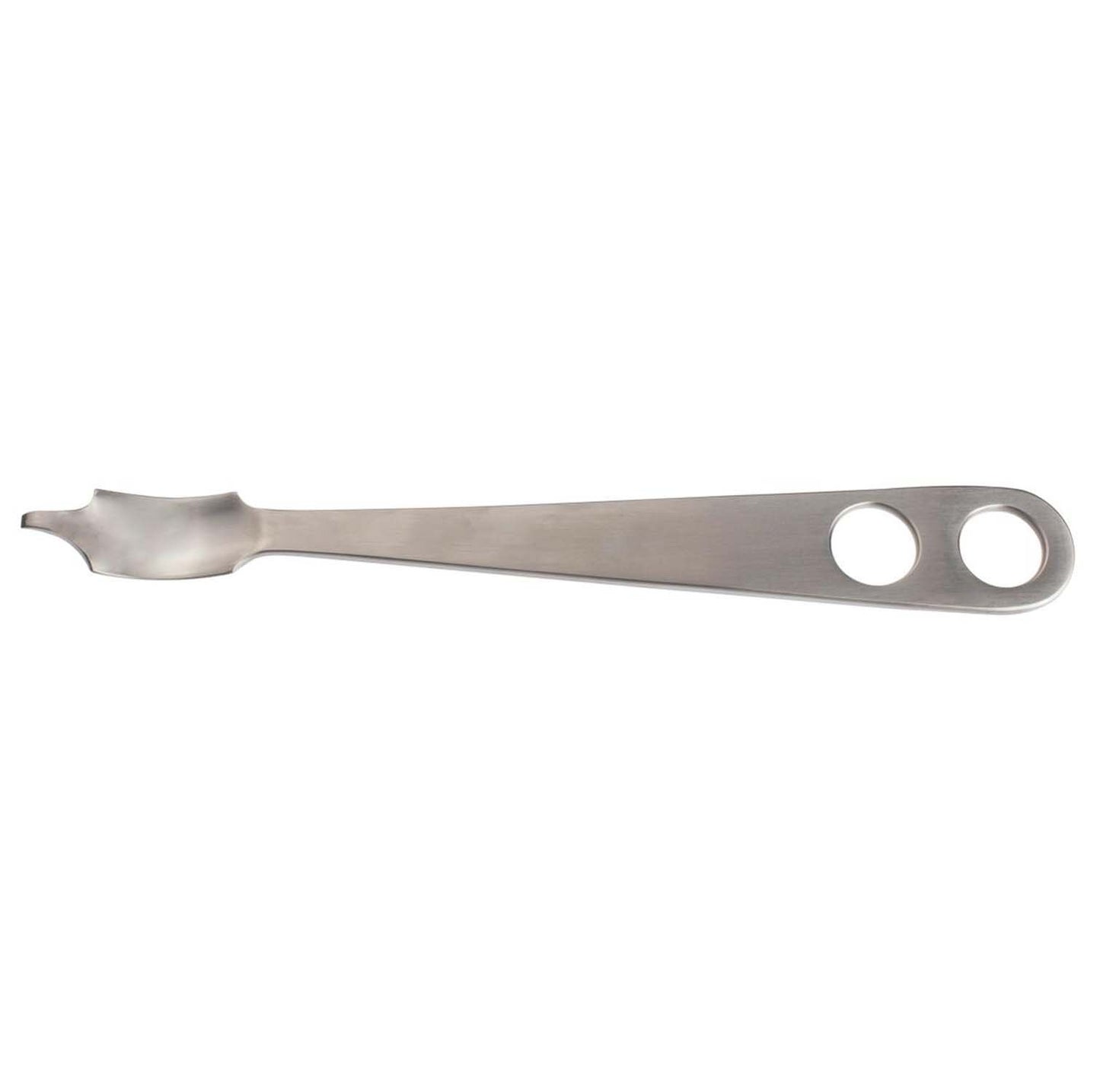
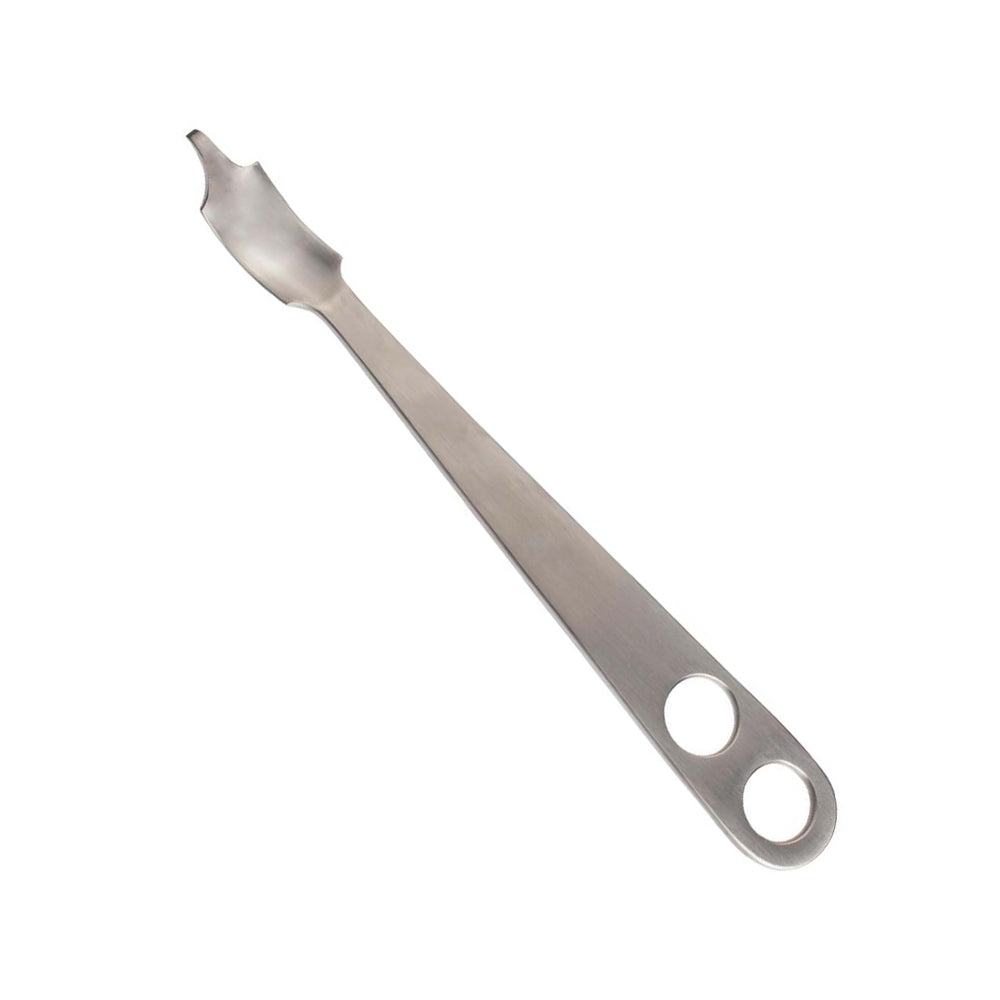
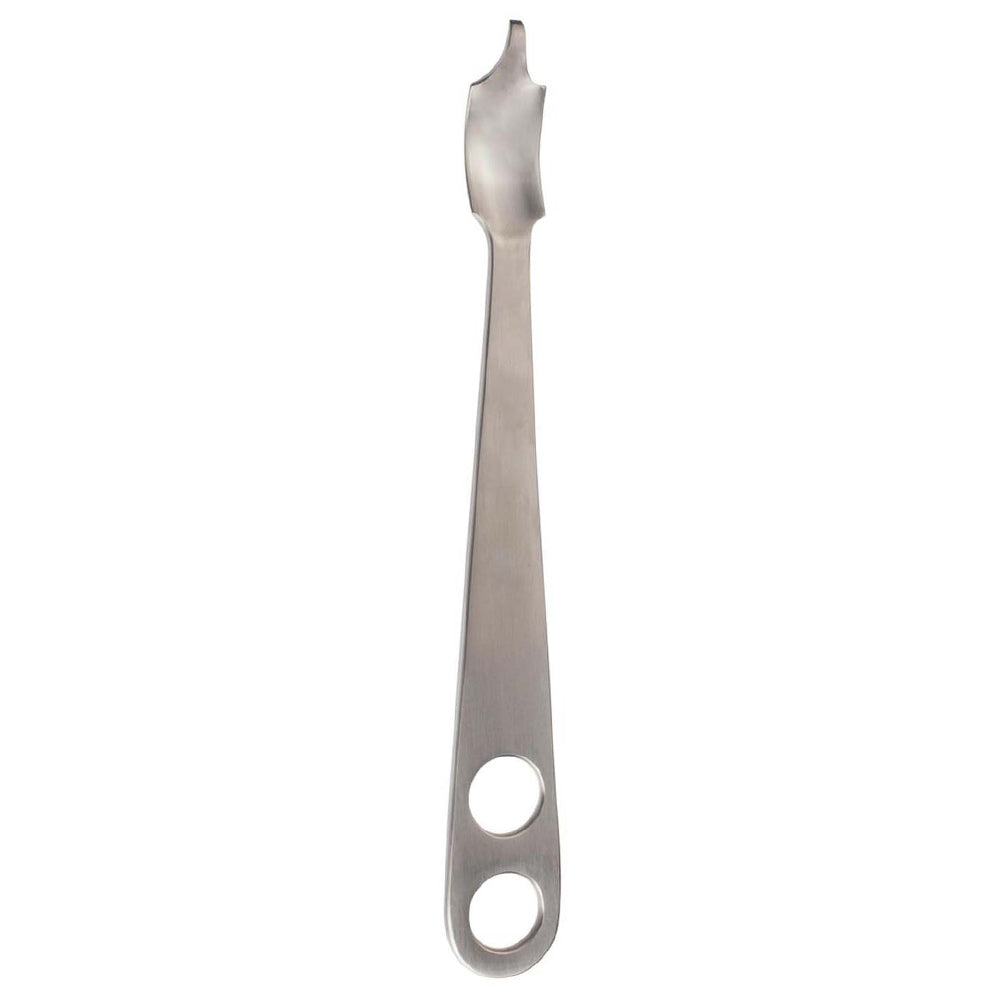
Humeral Head Retractor 180mm, SKU PS-8851, is a reusable orthopedic shoulder retractor manufactured from German stainless steel for controlled displacement of the humeral head and exposure of the glenoid during open shoulder surgery. The instrument is supplied in a 7-inch (180 mm) configuration and incorporates a strongly curved distal profile, two blunt widely spaced prongs, an elongated rigid body, and a broad flat handle with dual finger openings. Its working end is positioned between the humeral head and glenoid so the distal prongs can engage around the posterior glenoid rim and distribute manual retraction toward the glenoid neck. This configuration is used during anatomic total shoulder arthroplasty, reverse shoulder arthroplasty, shoulder hemiarthroplasty, glenoid preparation, prosthetic component placement, and selected open reconstructive procedures requiring direct visualization of the glenohumeral joint. The pronounced curvature allows the shaft and handle to remain outside the central operative corridor while retractors, reamers, guides, drills, trial components, and implants are introduced. Shoulder and upper-extremity orthopedic surgeons use this pattern in hospital operating rooms and specialist arthroplasty centers during glenoid exposure and reconstruction.
The 180 mm humeral head pattern works through direct manual leverage rather than a ratchet, spring, pivot, or self-retaining assembly. At the distal end, two blunt widely spaced prongs create separated contact points around the posterior glenoid rim while the intervening profile accommodates the underlying contour. This arrangement distributes applied force rather than concentrating traction at a narrow pointed tip. The pronounced curve between the working end and main shaft follows the spatial relationship between the proximal humerus and glenoid, allowing the operator to retract the humeral head while keeping the instrument body away from the exposed articular surface. The long rigid section transfers controlled hand force from the proximal grip to the deep working end without a joint that could introduce unwanted movement. A broad flattened handle terminates in two circular openings, providing secure finger purchase and permitting small changes in rotational orientation during exposure. Because no locking mechanism maintains tension automatically, the surgeon or assistant can increase or release force immediately as the operative stage changes. The distal prongs should be seated securely before sustained traction is applied, and retraction should remain sufficient for visualization without uncontrolled levering against the glenoid neck or humeral surface.
During anatomic total shoulder arthroplasty, the Humeral Head Retractor 180mm becomes particularly relevant after humeral head osteotomy and soft-tissue releases have created access to the glenoid. The working end is introduced between the proximal humerus and glenoid, with the blunt prongs positioned around the posterior rim so controlled displacement of the humerus opens the glenoid face to direct visualization. Once exposure is established, the surgeon can perform labral and capsular management, identify the glenoid center, prepare the articular surface, introduce reamers and guides, drill fixation holes, and position the glenoid component. In reverse shoulder arthroplasty, the same exposure principle supports preparation for baseplate fixation and subsequent glenosphere placement. During hemiarthroplasty and selected reconstructive procedures, the device can maintain clearance of the humeral head or proximal segment while the joint surface and surrounding structures are assessed. The strong curve is important during these stages because it moves the handle and shaft away from the central instrumentation pathway. Retraction must be coordinated with capsular release and limb positioning rather than used to compensate for inadequate mobilization. Excessive leverage should be avoided, particularly in osteoporotic bone, revision surgery, or compromised glenoid anatomy where uncontrolled force can damage bone or surrounding soft tissue.
PS-8851 is supplied as a 7-inch (180 mm) humeral head retractor, giving the instrument a compact shoulder-specific reach without the excess length of deeper pelvic or hip retractors. The two blunt distal prongs form the principal working interface and are spaced to obtain contact around the posterior glenoid margin while reducing focal penetration associated with sharp-tip patterns. Their blunt geometry makes the device a retractor and lever rather than a tissue-piercing hook. Immediately proximal to the working end, the strong anatomical curve allows the shaft to clear the humeral contour and wound edge while traction is maintained. The elongated central body provides sufficient distance between the surgeon’s hand and deep glenohumeral articulation, preserving space for glenoid preparation instruments. At the proximal end, two large circular apertures within the flat handle provide alternative finger positions and support directional control during insertion, sustained retraction, and withdrawal. Unlike a multi-size product family, this page identifies one 180 mm configuration, so selection is based on the surgical approach and required shoulder-joint exposure rather than choosing among blade widths or shaft lengths. The device is most appropriate when the operative objective is controlled humeral displacement with direct glenoid visualization through an open shoulder approach.
German stainless steel provides the rigidity and corrosion resistance required for a manual orthopedic retractor exposed to sustained leverage during shoulder-joint access. Peak Surgicals lists satin, dull, and mirror finish options for PS-8851. A satin or dull surface can limit reflected operating-room light around the deep shoulder field, while a polished surface facilitates visual inspection for residue, staining, corrosion, and surface damage during sterile processing. Because the device is reusable, gross contamination should be removed promptly after surgery, with particular attention to the distal prongs, curved blade transition, handle apertures, and recessed surfaces where blood or tissue can remain. Cleaning should be followed by thorough rinsing, complete drying, and inspection for distortion, damaged tips, surface deterioration, or loss of symmetry. The 180 mm body should remain straight outside its intended anatomical curve, and the working end should retain its original shape before returning to a shoulder set. Sterilization should follow the healthcare facility’s validated reusable stainless-steel instrument cycle and applicable reprocessing instructions. Peak Surgicals lists the instrument as Class I with CE, ISO 13485, and FDA-related procurement information, together with a one-year warranty, one-piece MOQ, OEM availability, and return-and-replacement support.
| SKU | PS-8851 |
|---|---|
| Product Name | Humeral Head Retractor 180mm |
| Price | $21.45 USD |
| Size/Gauge Variants | 7 in (180 mm) |
| Instrument Category | Orthopedic Shoulder Retractor |
| Procedure | Anatomic total shoulder arthroplasty, reverse shoulder arthroplasty, shoulder hemiarthroplasty, glenoid preparation, and open shoulder reconstruction |
| Material | German Stainless Steel |
| Finish | Satin, Dull, Mirror |
| Sterilization | Reusable; sterilize through a validated healthcare-facility protocol for reusable stainless steel surgical instruments |
| Instrument Classification | Class I Reusable Manual Orthopedic Retractor |
| Reusable | Yes |
| Certifications | CE, ISO 13485, FDA-related procurement documentation |
| Warranty | 1 Year |
| MOQ | 1 Piece |
| OEM / Custom Orders | Available |
| After-Sale Service | Return and Replacement |
How does the Humeral Head Retractor 180mm differ from a Hohmann Retractor?
The Humeral Head Retractor 180mm uses two blunt widely spaced distal prongs and a strong curve specifically suited to gaining exposure between the humeral head and glenoid. A conventional Hohmann Retractor typically uses a solid blade or pointed distal profile positioned against a bone margin to retract surrounding tissues. The humeral-head pattern distributes contact across two separated blunt points around the posterior glenoid rim rather than concentrating force through a single narrow tip. Its pronounced curve also moves the handle away from the glenoid working axis during shoulder arthroplasty. A Hohmann remains useful for general bone-edge retraction across numerous orthopedic procedures, whereas PS-8851 is more anatomically focused on glenohumeral exposure. Instrument choice should therefore reflect the intended bony contact point, surgical approach, and required direction of retraction.
Why select the 180 mm Humeral Head Retractor for shoulder surgery?
The 180 mm length provides sufficient reach to the glenohumeral joint while keeping the proximal handle outside the central shoulder incision. This 7-inch configuration allows the blunt distal prongs to engage the posterior glenoid region without the excessive shaft length associated with instruments designed for deeper anatomical cavities. During total or reverse shoulder arthroplasty, the compact length also preserves working clearance for glenoid reamers, guides, drills, and implant insertion instruments. The strong distal curve accommodates the contour of the humeral head as the proximal humerus is displaced from the glenoid. Humeral Head Retractor 180mm is therefore selected according to shoulder-joint depth, surgical approach, patient anatomy, and the exposure required for glenoid preparation. The listed Peak product is a single 180 mm configuration rather than a multi-length variant series.
What do CE, ISO 13485 and FDA references mean for procurement?
Peak Surgicals lists CE, ISO 13485, and FDA-related information for the Humeral Head Retractor 180mm. ISO 13485 relates to the quality-management system used for controlled medical-device manufacturing and associated processes. CE documentation supports conformity review within applicable medical-device markets. United States hospitals and distributors should evaluate the FDA records applicable to the device category, manufacturer, and purchasing requirements of their organization. Regulatory wording should not be converted into an unsupported statement that PS-8851 is individually FDA approved unless that precise status is documented. Procurement teams can retain certificates, supplier records, model identification, and purchasing documents within their vendor-qualification files.
How is retraction controlled when PS-8851 has no locking mechanism?
The Humeral Head Retractor 180mm is a fully manual device and contains no ratchet, spring, pivot, or self-retaining lock. The surgeon or assistant seats the blunt distal prongs around the intended posterior glenoid contact area before applying sustained traction through the handle. The rigid shaft transfers that hand force directly to the working end, while the strong curve redirects the line of retraction around the proximal humeral contour. The two openings in the broad handle provide secure finger purchase and allow controlled changes in orientation. Reducing hand pressure immediately reduces retraction, allowing exposure to be adjusted as glenoid reaming, drilling, trialing, or component insertion progresses. The instrument should not be used as an uncontrolled pry when appropriate capsular release or humeral mobilization has not been achieved.
How should hospitals order and reprocess the Humeral Head Retractor 180mm?
Hospitals should order the instrument using model PS-8851 and the 7-inch (180 mm) size designation so orthopedic inventory and sterile-processing records remain aligned. Peak Surgicals lists a price of $21.45, MOQ of one piece, one-year warranty, OEM availability, and return-and-replacement after-sale service. After surgery, visible blood and tissue residue should be removed promptly from the distal prongs, curved blade, shaft, handle apertures, and surface transitions. Cleaning should be followed by thorough rinsing, drying, and inspection for corrosion, deformation, damaged tips, or alteration of the intended curve. The retractor should then be packaged and sterilized according to the institution’s validated reusable stainless-steel instrument process and applicable instructions for use. Orthopedic set-management teams should confirm the PS-8851 identifier and intact working geometry before returning it to a shoulder arthroplasty tray.