Featured Collection
Your cart
Featured Collection

PEAK SURGICAL
SKU:PS-7804
Couldn't load pickup availability
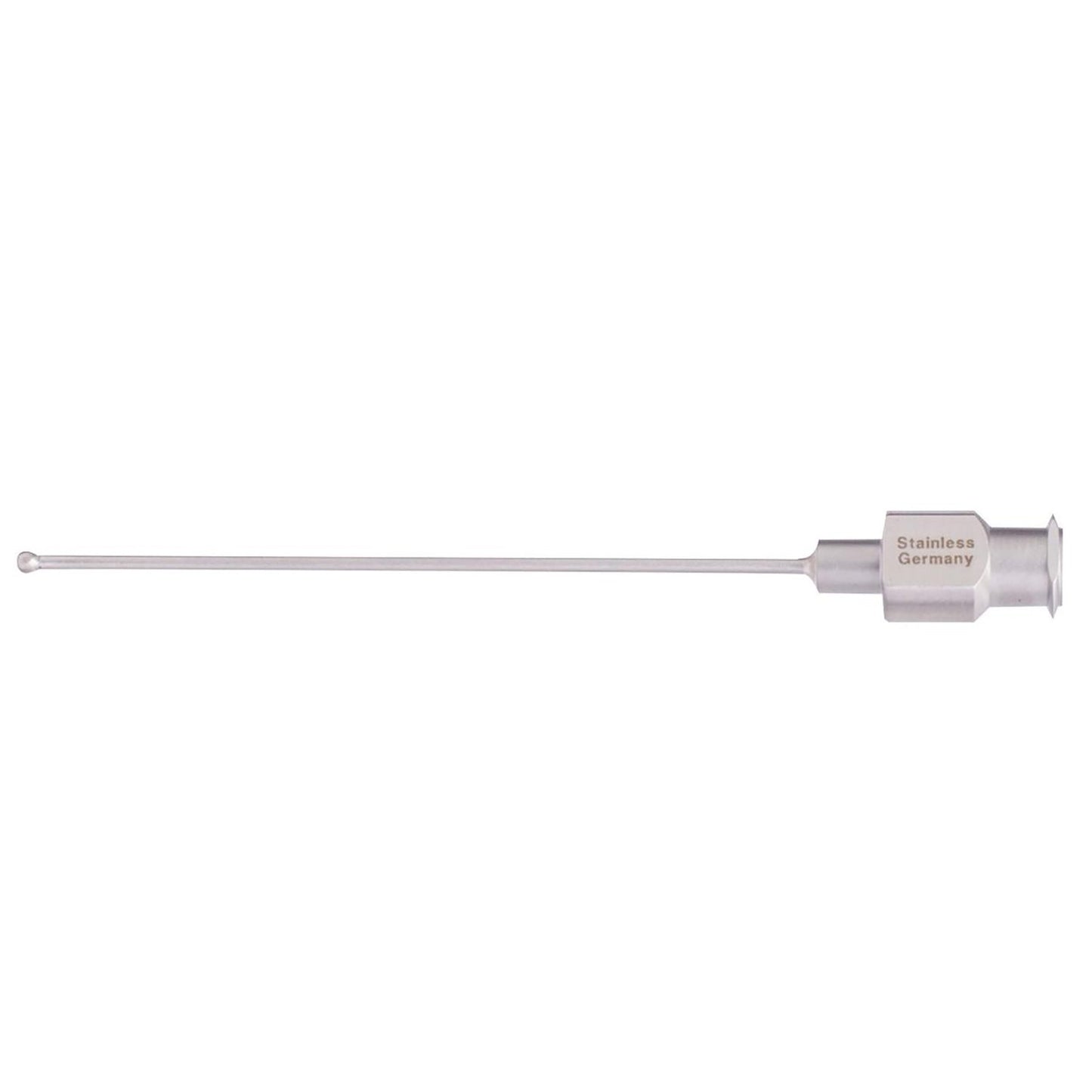
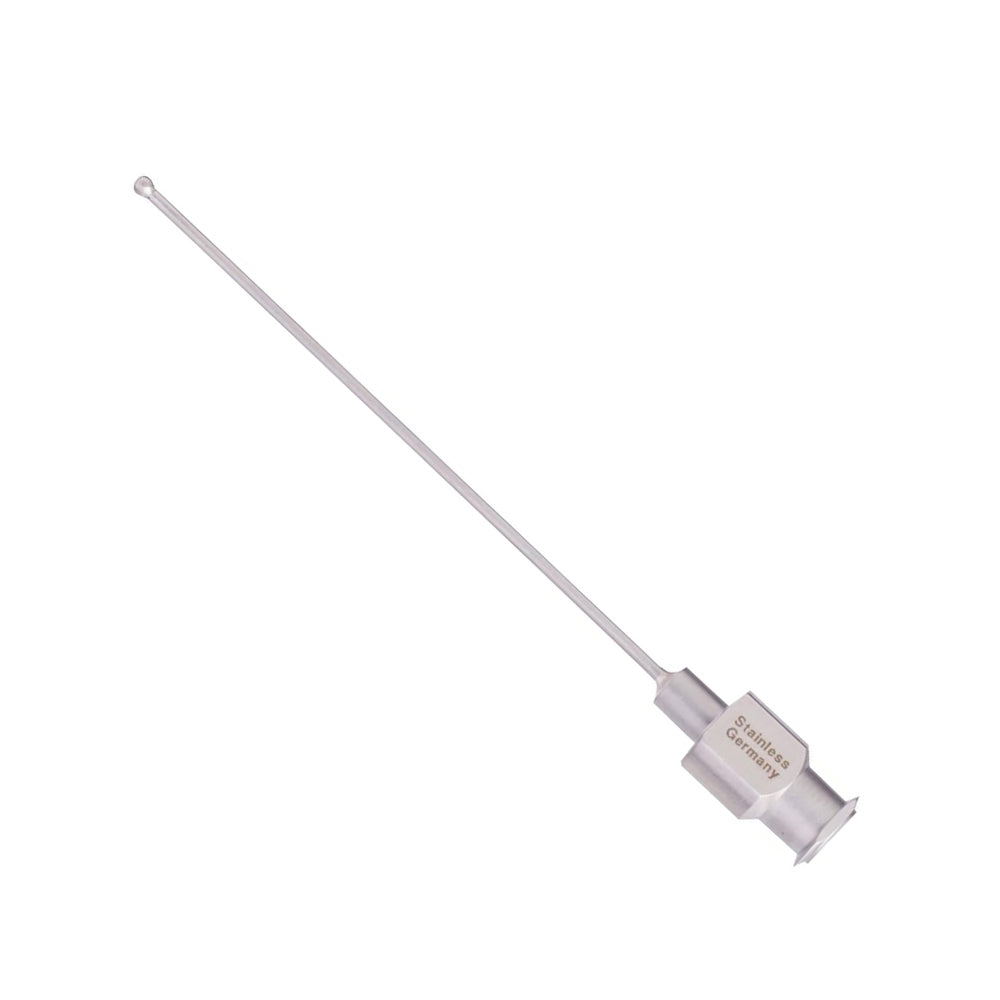
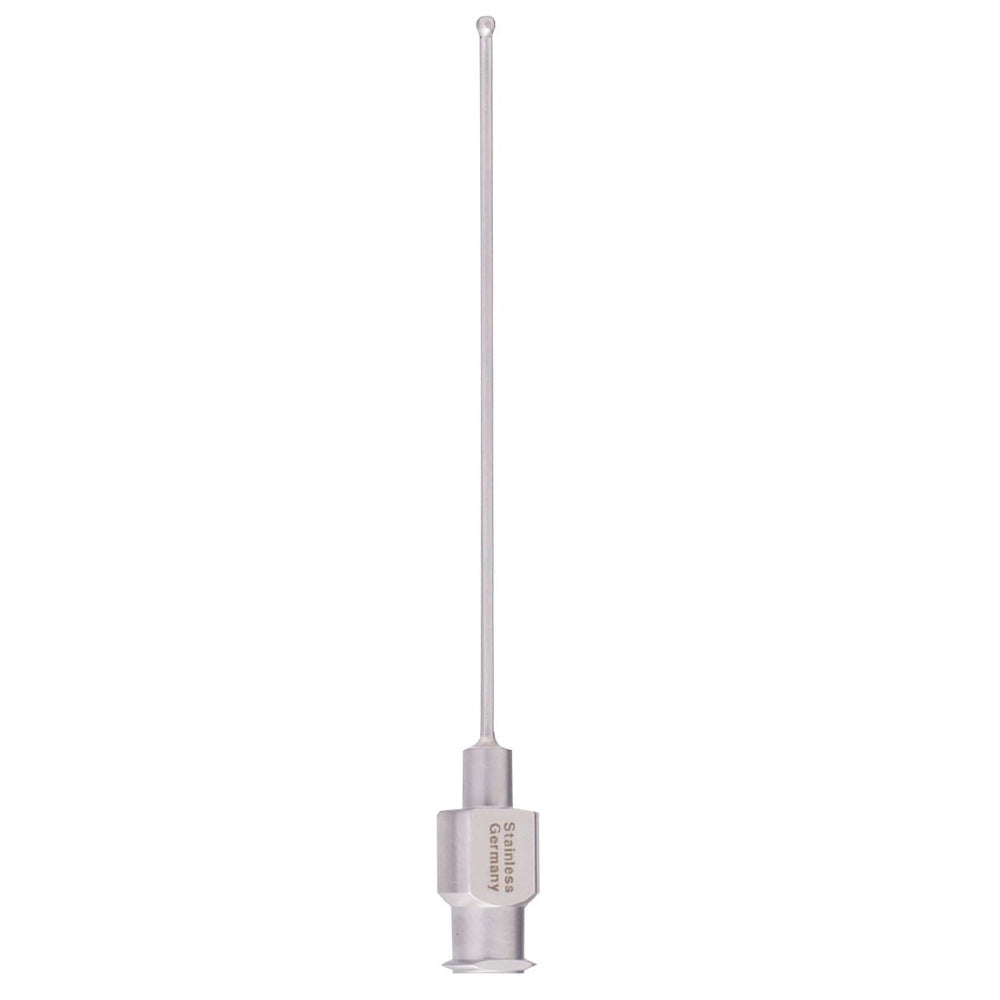
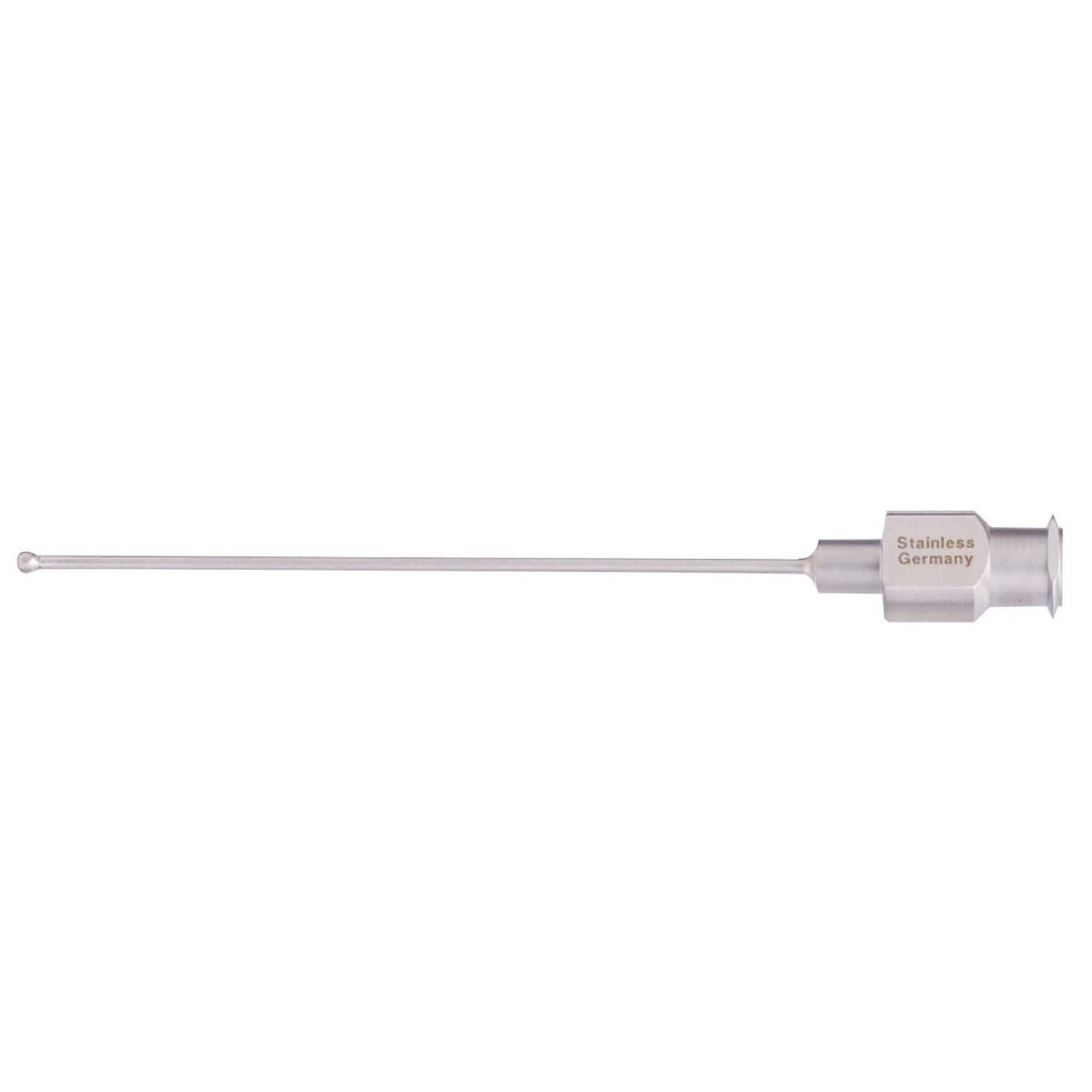
In the field of vascular and cardiovascular surgery, preventing intra-arterial blood clotting is a major security concern. The Heparin Cannula (also known as a vascular flushing cannula) is a specialized medical device used to deliver anticoagulants--primarily heparinized saline--directly into a blood vessel. This specific delivery will ensure that the blood vessel stays open (open) in addition to being free of thrombus development during delicate surgical procedures.
A heparin cannula (also known as a heparin) tiny hollow tube usually made of surgical-grade stainless steel or high-quality medical polymers. Contrary to standard needles, they typically have a sharp or "olive-tipped" end. This type of design permits the surgeon to access an artery or vein that is delicate without risk of damaging the posterior wall or causing the intimal tear (damage to the inner lining of a vessel).
Design of the heparin-infused cannula is focused on precision and vascular protection
The cannula for heparin is an essential component in every "vascular tray" and is used in a variety of high-precision processes:
Because these instruments come in direct contact with the lining of the major blood vessels The finish has to be perfect. The best heparin cannulas are polished to an almost mirror-like finish to remove tiny burrs that could cling to tissues. The use of high-quality stainless steel guarantees that the device will be repeatedly sterilized without compromising its strength or becoming fragile.
It is the Heparin cannula is a little-known essential part of the operating room. It provides the crucial "flush" that keeps vascular pathways free. Its brutal design and precise delivery method are essential devices for surgeons looking to minimize the risk of post-operative thrombosis, and also make sure that the surgery goes as planned.