
Featured Collection
Your cart
Featured Collection

PEAK SURGICAL
SKU:PS-8727
Couldn't load pickup availability
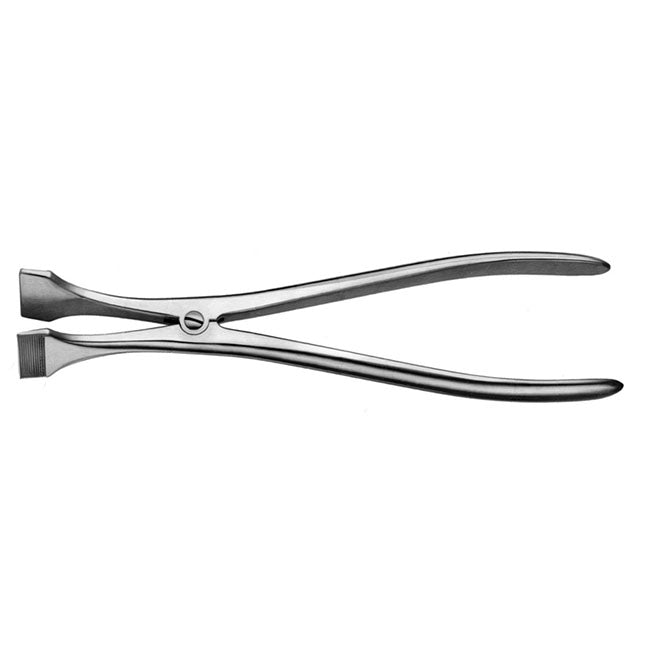
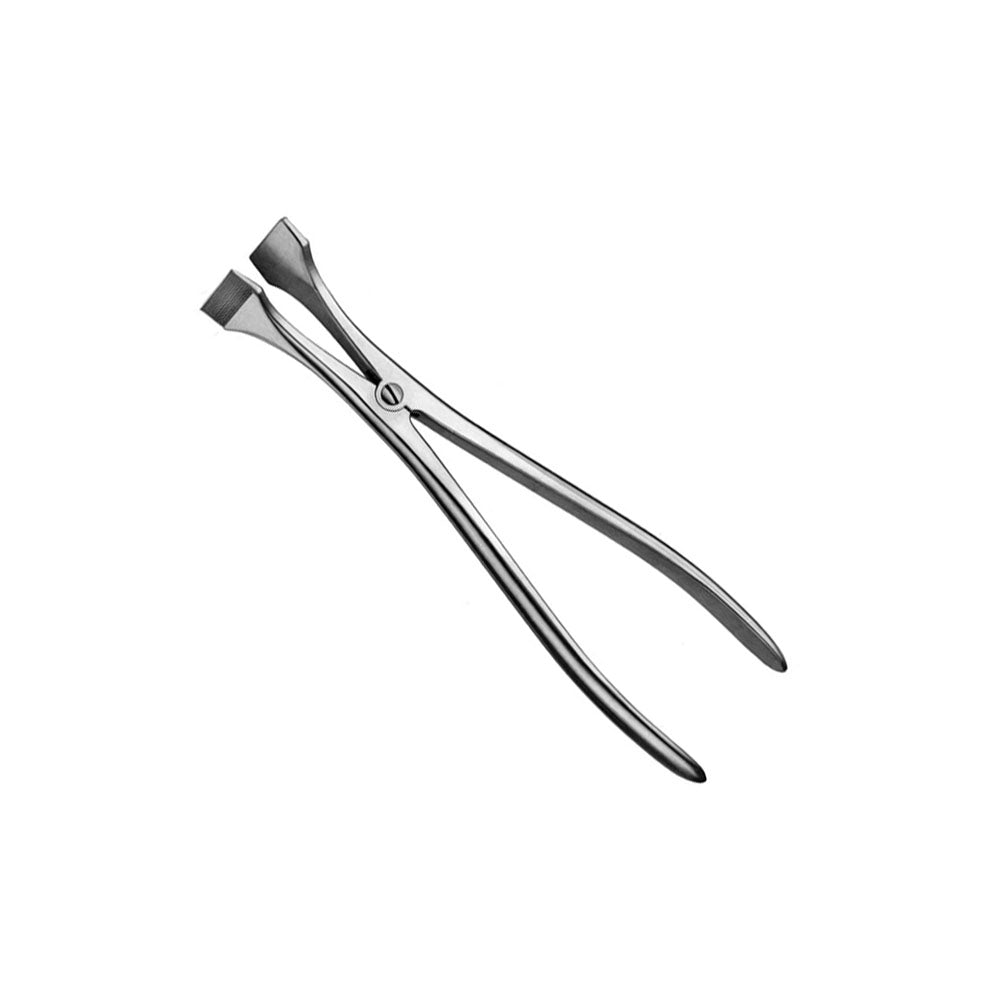
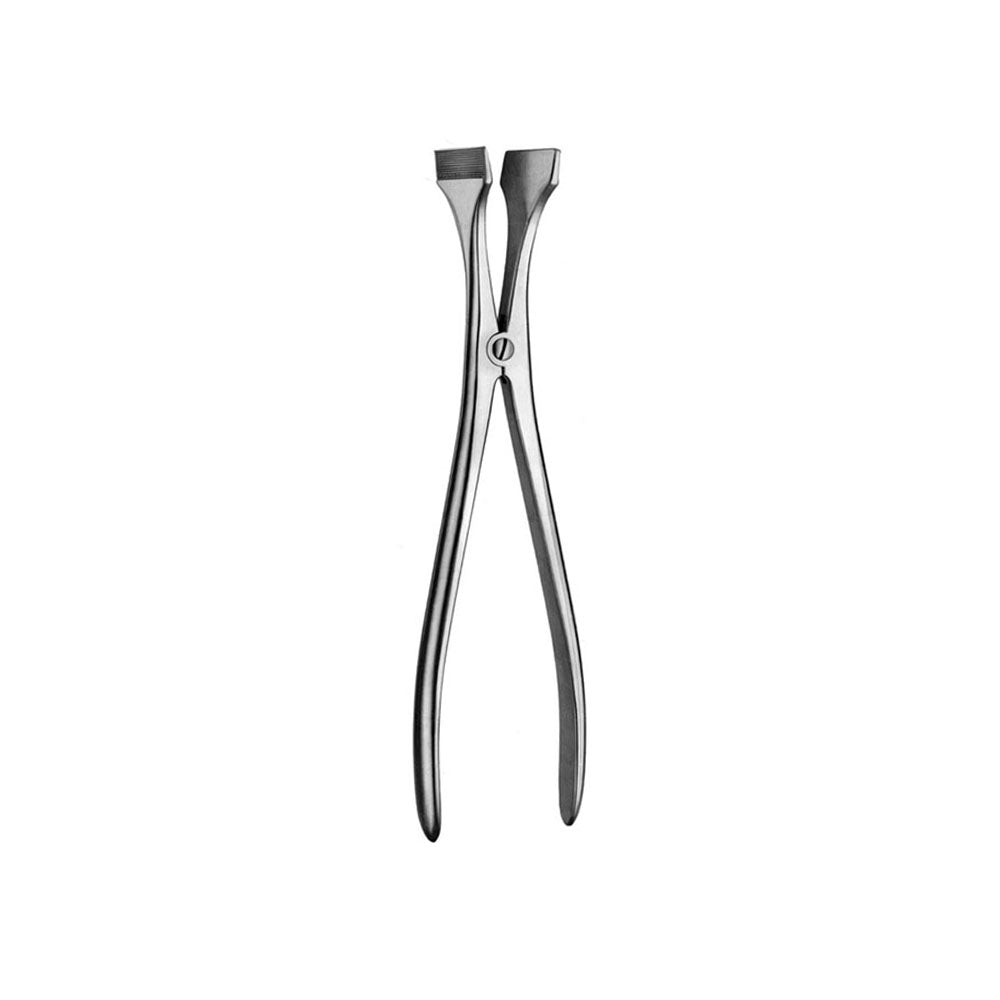
The definitive orthopedic instrument for controlled, high-torque cast expansion and safe removal. The Hennig Plaster Cast Spreader (27cm) is a high-performance clinical tool engineered to meet the need for maximum leverage when removing heavy traditional plaster-of-Paris immobilization casts. Featuring an extended 27cm chassis and precision-machined spreader jaws, this instrument serves as a mechanical necessity for orthopedic clinicians who need to apply steady, powerful outward pressure to split thick, rigid cast materials without risking injury to the patient’s underlying limb. Its elongated handle geometry provides the mechanical advantage required to minimize hand fatigue, ensuring consistent, professional-grade performance in high-volume trauma and fracture management settings.
The Hennig Plaster Cast Spreader is the orthopedic department’s reliable solution for standard plaster-of-Paris management. In orthopedic fracture treatment, the removal process is just as critical as the application. This instrument serves as a mechanical necessity, providing the leverage needed to overcome the rigidity of set plaster and safely create the separation required for painless limb extraction. The length of the Hennig pattern is specifically chosen to leverage the laws of physics, allowing a clinician to apply controlled force from a distance, which is a mechanical necessity for maintaining clear visibility of the separation line.
At its core, the instrument is engineered for structural rigidity. The force applied to the handle is transferred directly and smoothly through the jaws, a mechanical necessity to ensure that the cast expands uniformly along the pre-cut line. This prevents the “twisting” effect that can occur with shorter or less balanced instruments, protecting the patient from undue pressure and ensuring the removal process is as efficient as it is safe.
Built to exceed international quality metrics for medical hardware, this spreader is fully reusable, easily serviced, and designed for daily clinical utility. Its robust construction, superior leverage, and reliable jaw geometry make it an indispensable asset for ensuring safe, predictable, and professional results in all trauma and fracture-management sets.
Feature Details
Instrument Style Hennig Pattern Plaster Cast Spreader
Spreader Geometry High-Leverage Jaw Engagement System
Overall Length 27cm (270mm)
Handle Architecture Elongated High-Leverage Orthopedic Grip
Surface Treatment Non-Reflective Glare-Reducing Aura-Satin
Material Base Premium Fatigue-Resistant Surgical Stainless Steel
Reprocessing Limits Fully Autoclavable / High-Vacuum Steam-Safe
Certifications CE, ISO Professional Orthopedic Grade
Primary Clinical Applications:
Q: Why is the Hennig preferred over shorter cast spreaders?
A: The 27cm length is a mechanical necessity. While shorter spreaders are useful for smaller extremities, Hennig’s extended length provides the extra leverage required for the heavy, rigid casts often used in major fractures.
Q: Can this be used on synthetic (fiberglass) casts as well?
A: Yes. While optimized for plaster, Hennig’s construction is a mechanical necessity for versatility; its robust jaws are equally capable of splitting fiberglass materials if necessary.
Q: How do I maintain the pivot joint after extensive use?
A: Periodic professional lubrication with instrument-grade oil is a mechanical necessity. This maintains the smooth, precise motion required for delicate orthopedic removal procedures.
Q: Is the instrument too heavy for one-handed use?
A: The design is a mechanical necessity for balance. Despite its 27cm length, the weight distribution allows for easy, controlled one-handed operation, provided the clinician grips the handle centrally.
Q: What is the recommended sterilization protocol?
A: The premium stainless steel is a mechanical necessity for rigorous hospital reuse. It is fully rated to undergo standard high-vacuum steam autoclave cycles at 134°C (273°F).
