Featured Collection
Your cart
Featured Collection

PEAK SURGICAL
SKU:PS-7938
Couldn't load pickup availability
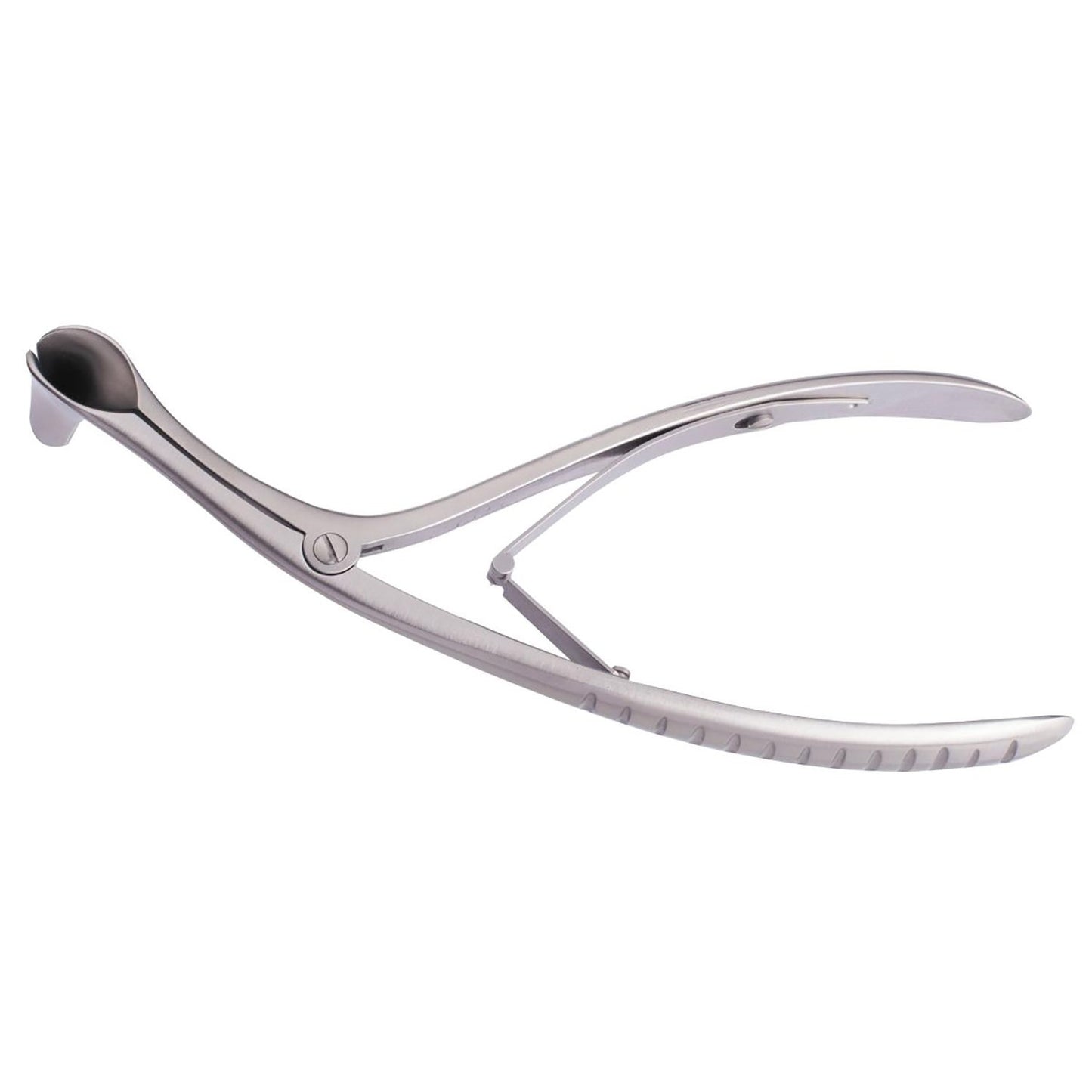
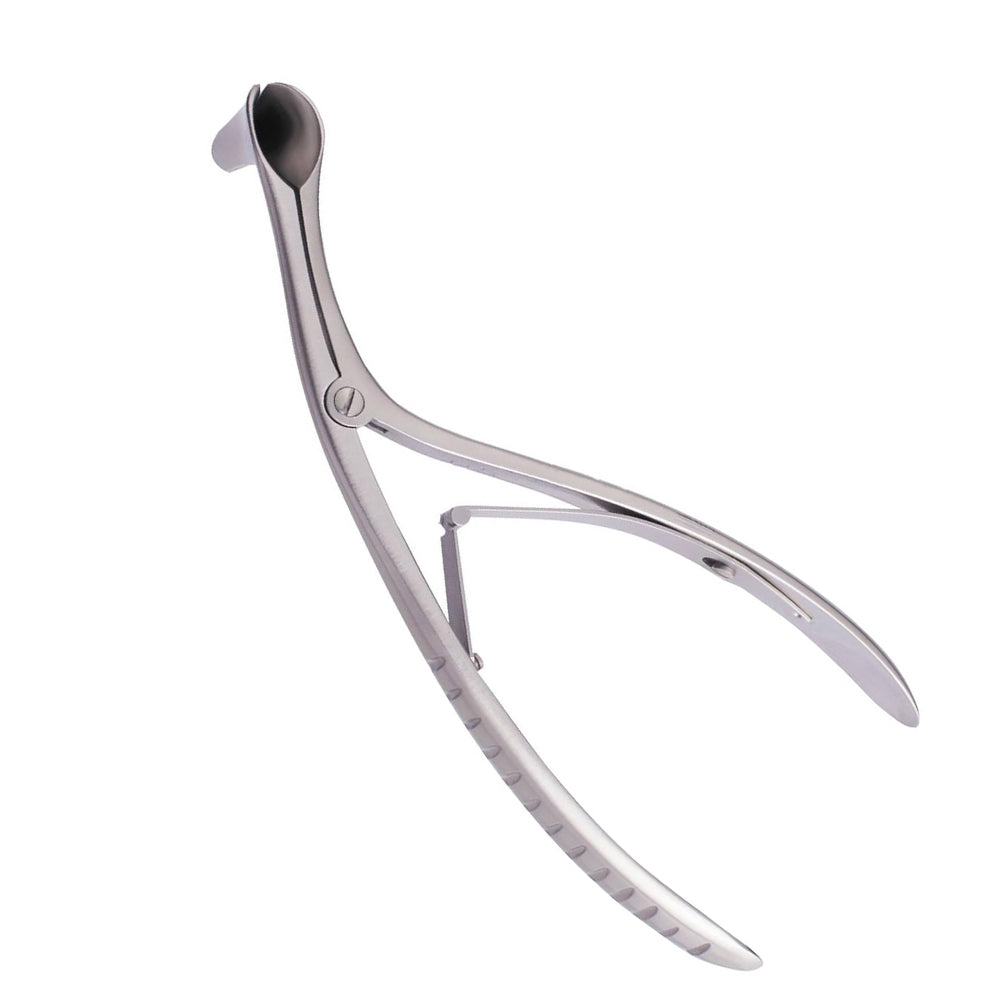
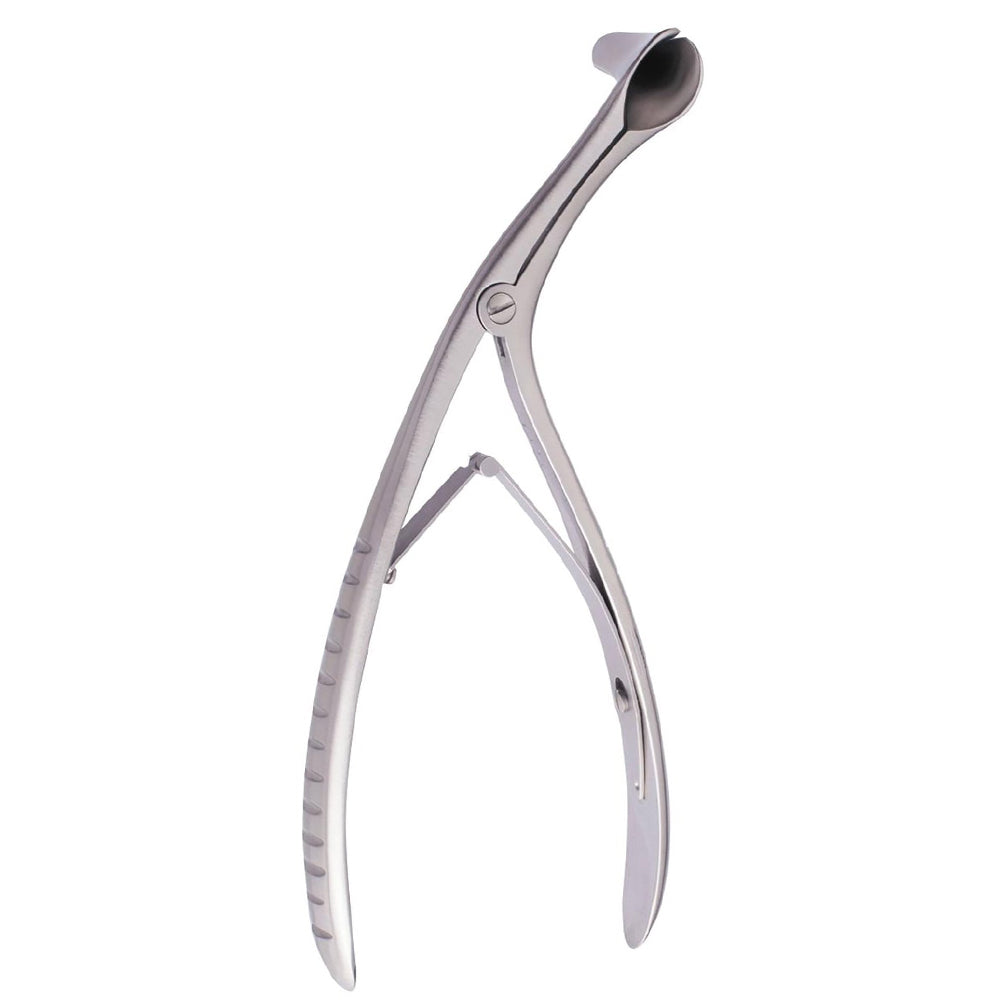
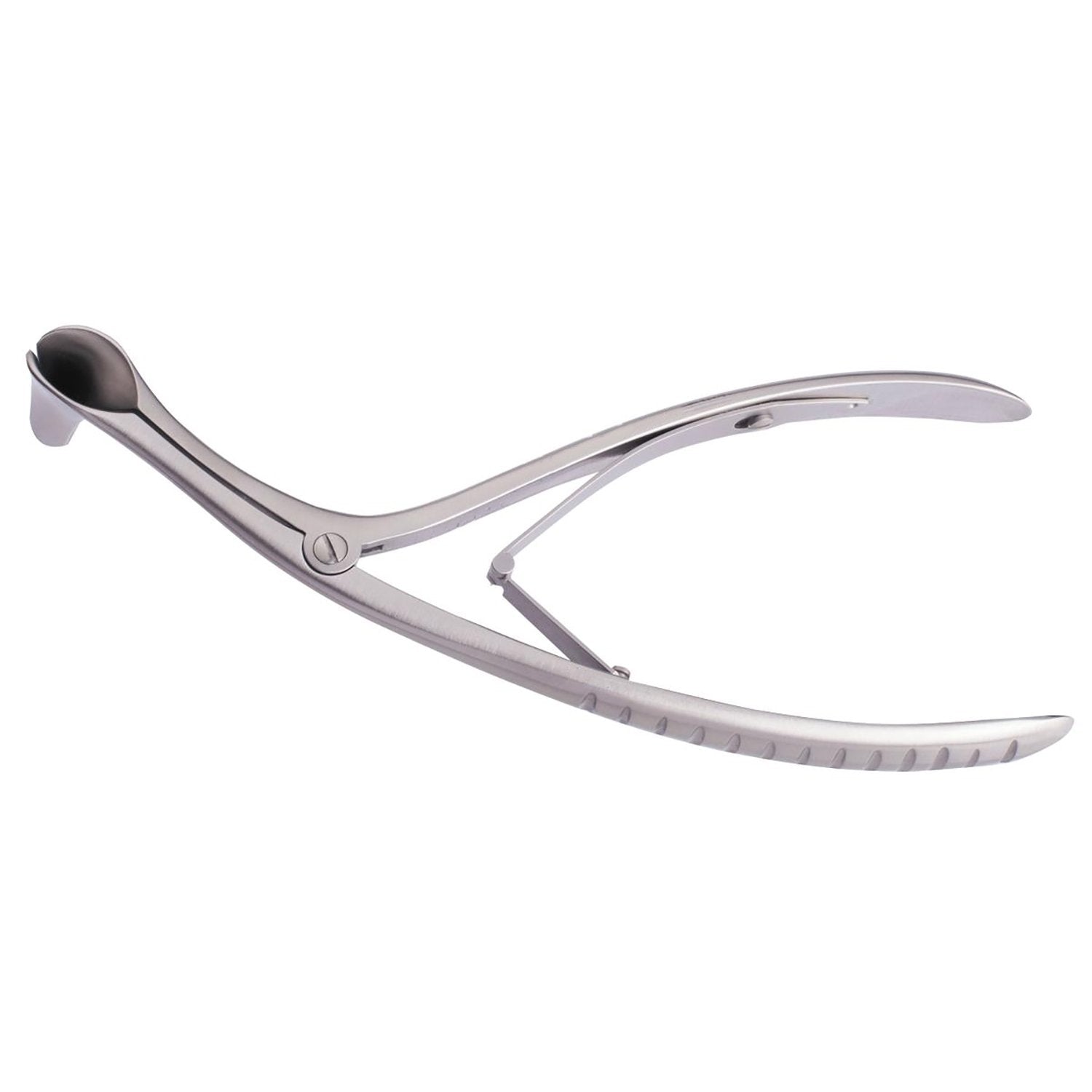
The Halle Tieck Nasal Specula from Peak Surgicals (SKU: PS-7938) are reusable 16mm German Stainless Steel ENT specula designed for controlled exposure of the nasal vestibule, anterior nasal cavity, caudal septum, inferior turbinate, internal nasal valve, and anterior lateral nasal wall. Each instrument is priced at $19.80 and features paired bivalve blades, rounded atraumatic lips, concave nasal working surfaces, a central pivot screw, spring-action handle arms, grip ridges, and a stabilizing leaf spring. Otolaryngologists, rhinoplasty surgeons, facial plastic surgeons, emergency departments, outpatient ENT clinics, hospital operating rooms, ambulatory surgery centers, and procurement teams use this instrument during anterior rhinoscopy, septoplasty, rhinoplasty evaluation, turbinate assessment, epistaxis cautery, nasal packing, foreign body removal, postoperative septal inspection, and minor intranasal procedures. The spring-controlled bivalve mechanism opens the nasal airway in a measured plane, presenting the septal mucosa and lateral wall while preserving access for suction, bayonet forceps, cotton pledgets, cautery tips, endoscopes, and packing material.
The Halle Tieck pattern works through two opposed nasal blades that separate when the curved handles are compressed. The rounded lips enter the nostril with controlled contact along the alar rim and vestibular mucosa, while the concave blade surfaces conform to the anterior nasal corridor. This geometry opens the vestibule and anterior airway without forcing a broad flat surface against the septum or inferior turbinate head. The central pivot screw provides the mechanical axis for blade movement and keeps the paired arms aligned during repeated opening and release. The leaf spring returns the handles after compression, giving the clinician immediate tactile feedback and rapid release when mucosal pressure must be reduced. Grip ridges on the handle improve control with gloved fingers during examination, cautery, pledget placement, or packing. The open frame keeps the operator’s hand below the direct visual axis, leaving the exposed nasal field accessible for suction, forceps, endoscopic visualization, and fine intranasal manipulation.
During anterior rhinoscopy, the blades are introduced into the vestibule and opened to expose the caudal septum, nasal floor, inferior turbinate head, and anterior lateral wall. In septoplasty planning, the speculum helps assess septal deviation, spur projection, mucosal condition, cartilage alignment, and the relationship between the caudal septum and internal nasal valve. During rhinoplasty evaluation, it supports inspection of intranasal incisions, columellar support, caudal septal position, valve narrowing, and postoperative airway symmetry. In epistaxis management, the blade opening exposes Kiesselbach’s plexus, anterior septal bleeding points, clot, crust, and mucosal trauma while suction, silver nitrate, bipolar cautery, or packing can be introduced beside the instrument. During turbinate assessment, the speculum presents the inferior turbinate head and adjacent airway before topical decongestion, injection, cautery, or reduction. In emergency ENT work, it creates a stable corridor for nasal foreign body assessment and removal. During postoperative review, it allows direct inspection of splints, packing sites, crusting, septal hematoma, and mucosal healing.
The listed 16mm size gives the Halle Tieck Nasal Specula a compact working profile for controlled anterior nasal access. This dimension is suited to the vestibule and caudal septal corridor, where the clinician needs enough blade spread for visualization while avoiding excessive stretch at the nostril margin. The blade length and shape make the instrument effective for anterior septal inspection, inferior turbinate head exposure, nasal packing, epistaxis cautery, and rhinoplasty follow-up. A longer deep septal speculum can reach farther into the nasal cavity, but it also places more metal within the airway and can crowd the field during short anterior procedures. The 16mm Halle Tieck design concentrates exposure at the front of the nasal passage, where most office-based rhinoscopy, anterior bleeding control, foreign body work, and postoperative checks are performed. The spring handle allows the surgeon to adjust blade opening continuously with finger pressure, so exposure can be increased for visualization and released instantly when working around sensitive mucosa.
German Stainless Steel gives the Halle Tieck Nasal Specula the rigidity, corrosion resistance, and mechanical stability required for repeated ENT use. Nasal speculum blades must retain alignment because uneven opening can distort the nostril, compress septal mucosa, or reduce the visual corridor toward the turbinate and caudal septum. The pivot screw and leaf spring require stable construction so opening remains smooth through repeated clinical cycles. Satin and dull finishes reduce glare under headlight, clinic lamp, endoscopic light, or operating room illumination, while mirror finish provides a smooth surface for post-cleaning inspection. After use, the blades are decontaminated, the inner concave surfaces are brushed, the pivot joint is cleaned, the handle ridges are cleared, and the spring area is inspected before steam sterilization by autoclave. The Class I classification, CE marking, ISO-13485 certification, and FDA compliance support hospital procurement files, distributor documentation, and tender review. The 1-year warranty, MOQ of 1 piece, OEM availability, and return and replacement service support ENT tray replacement planning.
| SKU | PS-7938 |
|---|---|
| Product Name | Halle Tieck Nasal Specula |
| Price | $19.80 per piece |
| Size/Gauge Variants | 16mm |
| Instrument Category | ENT Instruments / Nasal Specula |
| Procedure | Anterior Rhinoscopy, Septoplasty Planning, Rhinoplasty Inspection, Turbinate Assessment, Epistaxis Cautery, Nasal Packing, Foreign Body Removal |
| Material | German Stainless Steel |
| Finish | Satin, Dull, Mirror |
| Sterilization | Steam sterilizable / Autoclave compatible |
| Instrument Classification | Class I |
| Reusable | Yes |
| Certifications | CE, ISO-13485, FDA |
| Warranty | 1 Year |
| MOQ | 1 Piece |
| OEM / Custom Orders | Available |
| After-Sale Service | Return and Replacement |
How do Halle Tieck Nasal Specula compare with Cottle Nasal Specula?
Halle Tieck Nasal Specula and Cottle Nasal Specula are both spring-handle bivalve nasal instruments, but their handling emphasis differs. The Halle Tieck pattern provides compact anterior access with rounded concave blades that are well suited to vestibular exposure, caudal septal inspection, epistaxis work, and nasal packing. Cottle Nasal Specula are commonly used for broader anterior nasal exposure in septoplasty assessment, rhinoplasty examination, and routine clinic work. The Halle Tieck design is especially useful when the surgeon wants controlled blade opening in a smaller anterior corridor without excessive internal blade length. Its spring handle allows continuous pressure adjustment during inspection and procedure steps. Cottle remains a strong general nasal speculum, while Halle Tieck gives precise control for short anterior nasal work and focused mucosal presentation.
Why is the 16mm size useful for nasal examination and procedure work?
The 16mm size provides controlled anterior nasal exposure without placing excessive blade length inside the nasal airway. This is useful for inspection of the vestibule, caudal septum, inferior turbinate head, nasal floor, and internal valve region. During epistaxis control, the compact blade profile exposes anterior septal bleeding points while leaving space for suction, cautery, and packing. During rhinoplasty follow-up, it allows inspection of intranasal incisions, septal support, and valve area without crowding the field. During septoplasty planning, the size supports evaluation of caudal deviation and anterior spur anatomy. Halle Tieck Nasal Specula in this 16mm pattern are therefore suited to clinic rooms, emergency care, and operating room preparation. The spring handle lets the clinician change the opening in small increments according to mucosal tolerance and procedural access.
What do CE, ISO 13485, and FDA compliance mean for procurement?
CE marking supports conformity documentation for hospitals, clinics, and distributors sourcing reusable ENT instruments. ISO 13485 indicates that manufacturing is managed under a medical device quality system with controlled production, inspection, and traceability. FDA compliance supports procurement files for buyers sourcing reusable stainless steel surgical instruments for regulated markets. Halle Tieck Nasal Specula are listed as Class I reusable instruments, which fits standard purchasing categories for non-powered ENT examination and procedure tools. These credentials help procurement officers compare the instrument against tender requirements, internal sourcing policies, and distributor documentation needs. The German Stainless Steel construction, 1-year warranty, MOQ of 1 piece, and OEM availability strengthen the ordering record for repeat supply. For ENT departments, the documentation aligns clinical function with regulated purchasing expectations.
How is the spring handle used during nasal exposure?
The spring handle is compressed gradually to open the paired nasal blades inside the vestibule. As the handles close, the pivot screw transfers movement to the bivalve tips and separates the rounded lips to expose the septal mucosa and lateral nasal wall. The surgeon controls the degree of dilation by adjusting finger pressure rather than locking the blades into a fixed spread. This control is useful during epistaxis cautery, nasal packing, anterior rhinoscopy, rhinoplasty inspection, and foreign body removal because the required opening changes as instruments enter the field. When finger pressure is released, the leaf spring returns the blades toward the resting position. Halle Tieck Nasal Specula allow rapid opening, controlled hold, and immediate release during sensitive mucosal work. The handle ridges improve stability when gloves are wet or topical nasal medication is present.
How should Halle Tieck Nasal Specula be cleaned and sterilized after use?
After use, the instrument is decontaminated promptly so blood, mucus, topical medication, packing fibers, and tissue residue do not dry around the blades, pivot screw, handle ridges, or spring. The inner blade surfaces are brushed because they contact nasal mucosa and can retain debris along the concave edges. The hinge area is cleaned and inspected so opening remains smooth and symmetrical. The spring section is checked for return tension, surface integrity, and secure attachment before packaging. German Stainless Steel supports steam sterilization by autoclave after complete cleaning and drying. Halle Tieck Nasal Specula should return to the ENT tray only after the blades close evenly, the pivot remains stable, and the surface is clean. Proper reprocessing preserves nasal exposure accuracy and keeps the instrument ready for repeated clinical use.