
Featured Collection
Your cart
Featured Collection

PEAK SURGICAL
SKU:PS-MH-0037
Couldn't load pickup availability
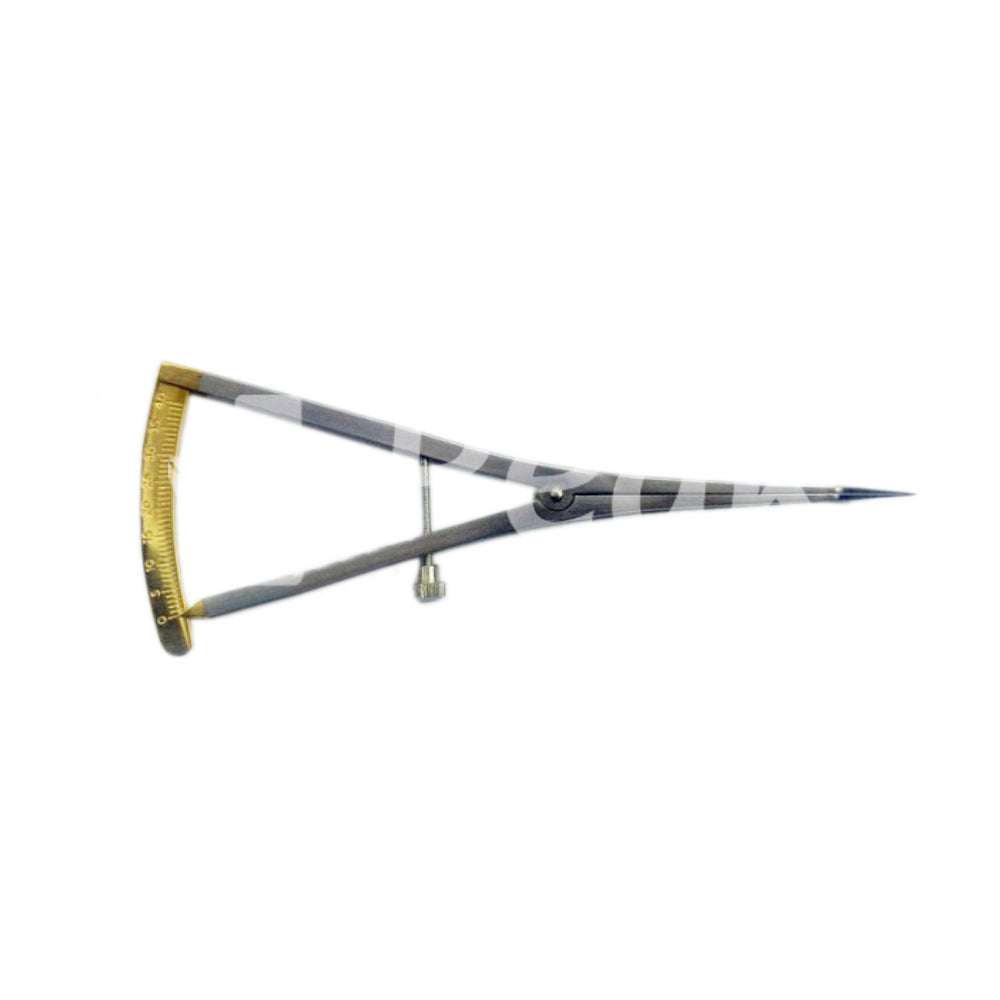
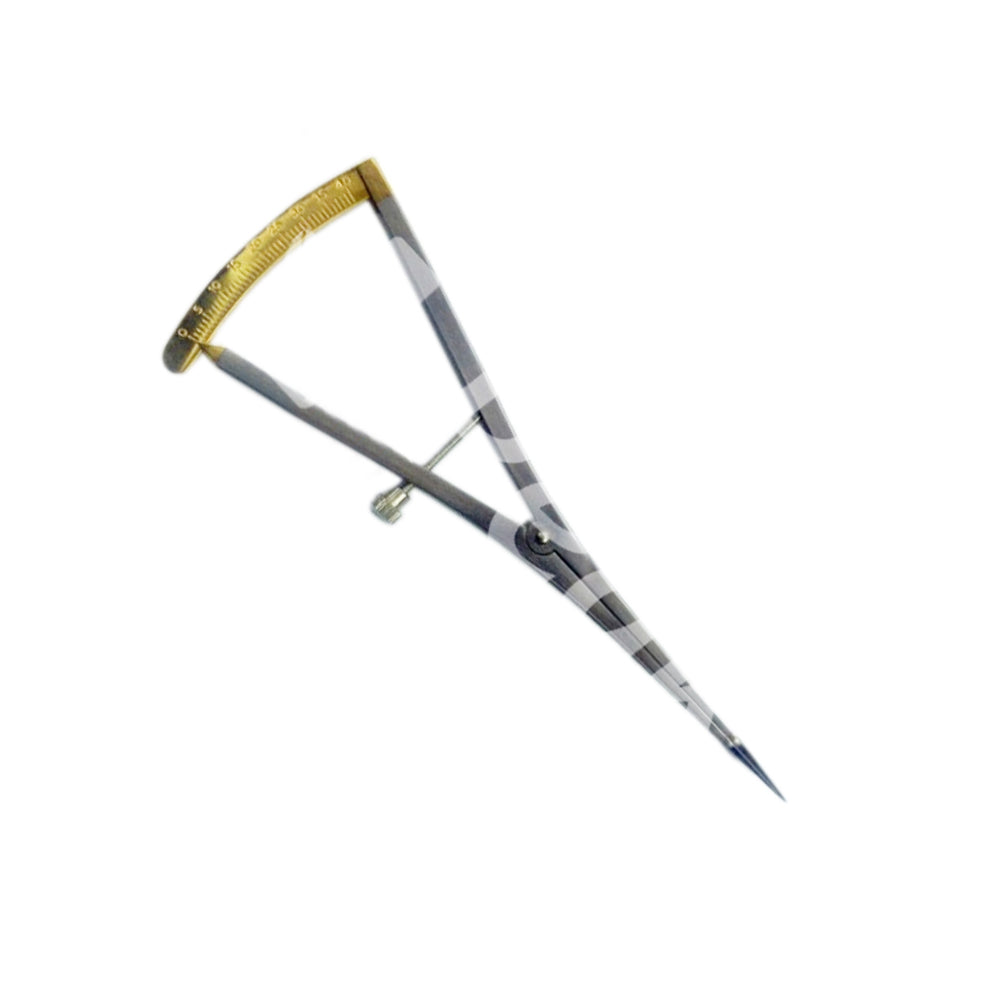
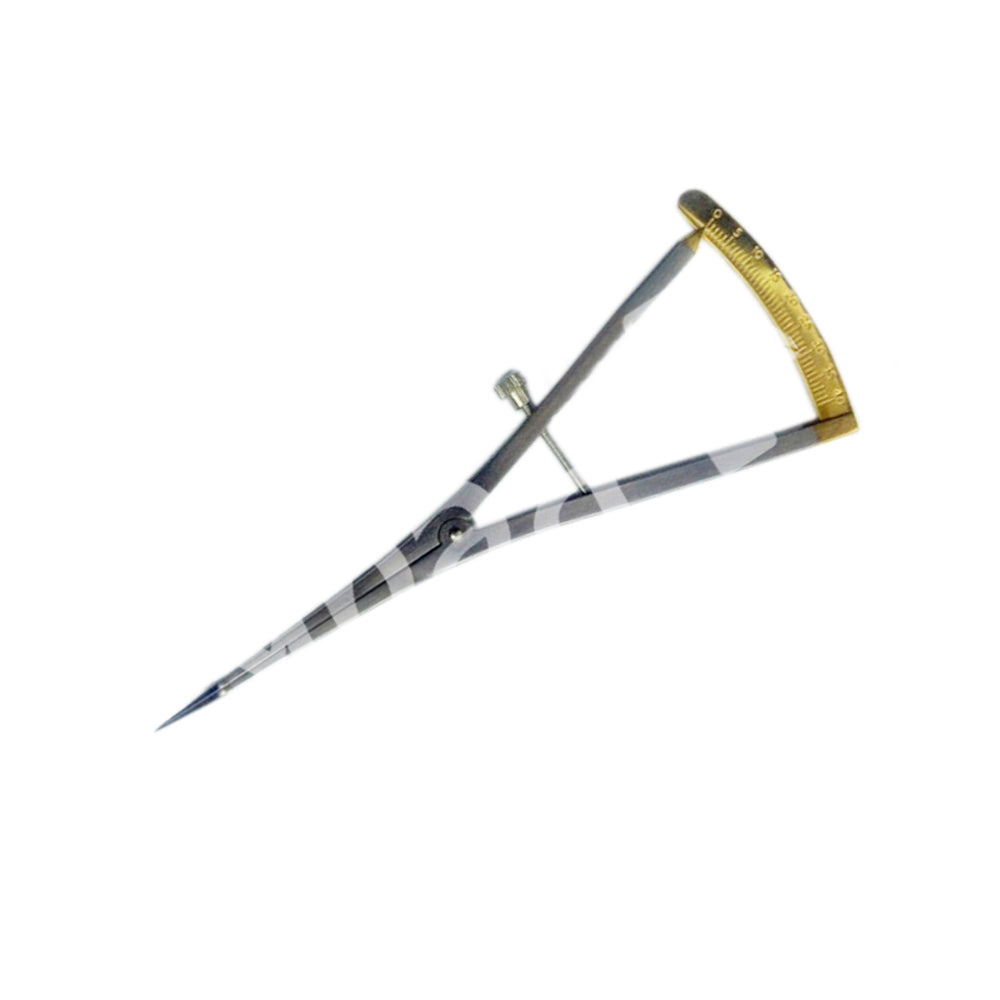
In aesthetic and reconstructive surgery, especially for facial procedures like blepharoplasty and rhinoplasty, a tiny change of a millimetre can make a big difference in the final result. The Ginsberg Calliper is a top-of-the-line measuring tool made for surgeons who need the most precise results.
This "Exceptional Quality" tool is 6-3/4" (171mm) long and has a precise 0–40mm scale. Its gold-plated finish sets it apart as one of the best tools in a surgical kit.
Important Features and Technical Details
The Ginsberg Calliper is made to be both easy to see and work perfectly:
0–40mm Measuring Range: The scale is set up to measure things in the middle range, so it's perfect for measuring the size of eyelid skin excisions, the tip of the nose, or small bone grafts.
Gold Plated Finish: The gold plating on the handles and adjustment areas not only makes the product look more professional, but it also often means that the craftsmanship is better and that it is more resistant to rust.
171 mm (6-3/4") Length: This length feels better in the hand and is more stable than smaller pocket callipers, but it's still light enough to take precise measurements without shaking.
Fine-Point Tips: The ends of the calliper are tapered to very fine points, which lets the surgeon measure between two exact dots on the skin with very high accuracy.
Thumb-Screw Lock: This lock has a high-tension mechanism that lets the surgeon set a measurement and move it to the other side of the face to make sure the symmetry is perfect.
Main Uses in Surgery
The Ginsberg Calliper is a useful tool that is popular in several high-stakes fields:
Blepharoplasty, or eyelid surgery, is done to find out exactly how much skin needs to be removed from the upper or lower lids so that the patient can fully close their eyes after the surgery.
Otoplasty (Ear Surgery): To make sure that both ears are symmetrical, measure the distance between the ear rim and the scalp.
Rhinoplasty: Measuring how far the tip of the nose sticks out or how wide the base of the nose is.
Cleft Lip and Palate Repair: Using measurements of anatomical landmarks to plan complicated reconstructive flaps.
Why Pick Gold-Plating of the Highest Quality?
When an instrument is called "Exceptional Quality," it is put through more tests to make sure it is calibrated and aligned correctly.
Contrast and Readability: The gold plating often makes the etched black millimetre scale stand out more, which makes it easier to read in the bright, "washed-out" lighting of an operating room.
Corrosion Defence: Gold is naturally resistant to many chemical reactions. This means that it protects the surgical steel underneath it from saline and sterilisation chemicals.
Ergonomic Balance: The 171mm frame is weighted so that it fits comfortably in the web of the hand, which helps keep you from getting tired during long marking sessions.
Taking care of and maintaining
To keep the gold plating and the scale's accuracy:
Cleaning: Use detergents that are pH-neutral so that the gold finish doesn't come off.
Storage: To keep the fine tips from getting out of line, keep them in a padded tray or a Silicone Mat Sterilisation Box.
Sterilisation: You can put it in an autoclave, but don't mix gold-plated tools with silver-colored tools made of lower-quality steel during the cycle to avoid staining.
