Featured Collection
Your cart
Featured Collection

PEAK SURGICAL
SKU:PS-9517
Couldn't load pickup availability
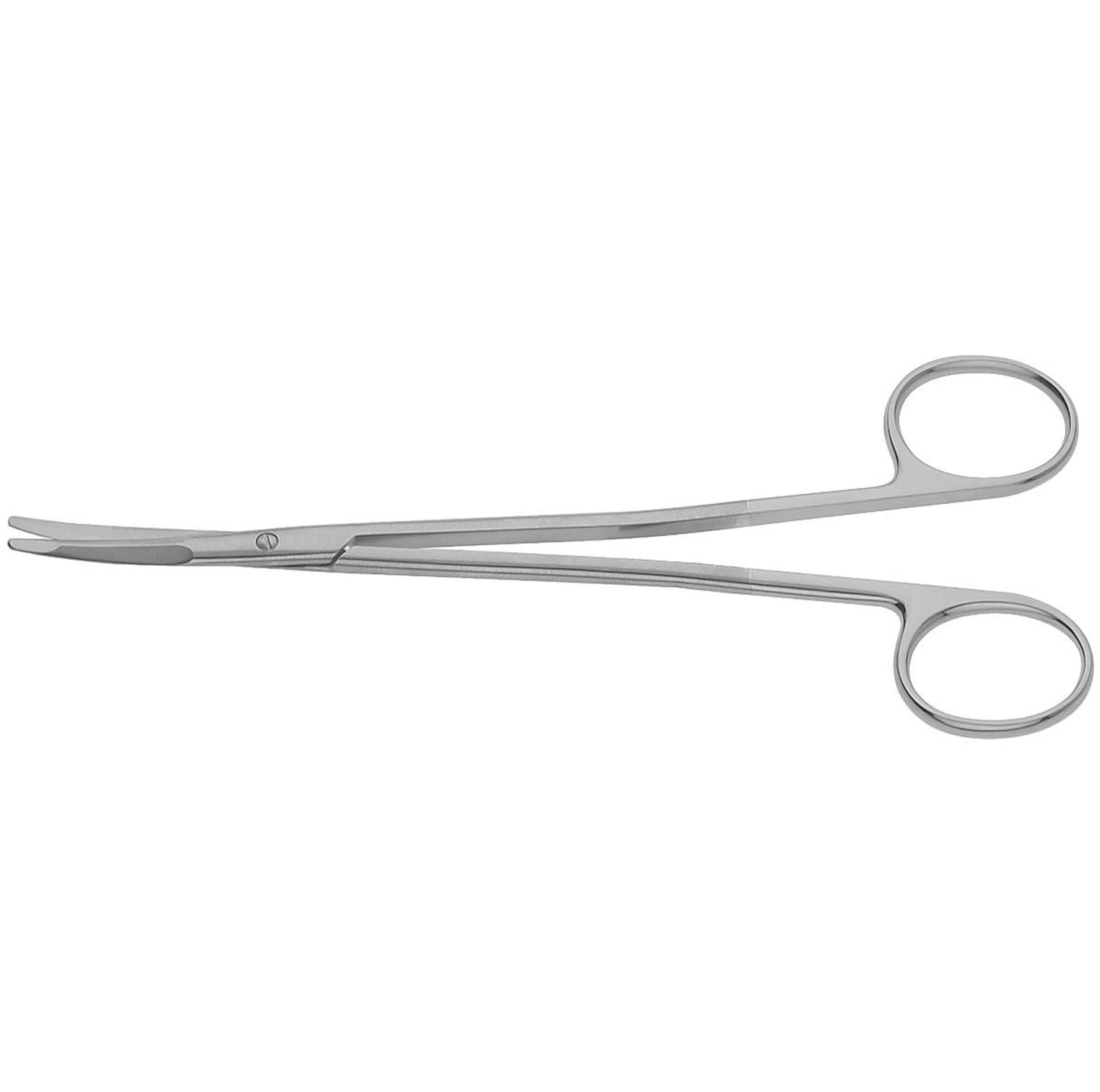
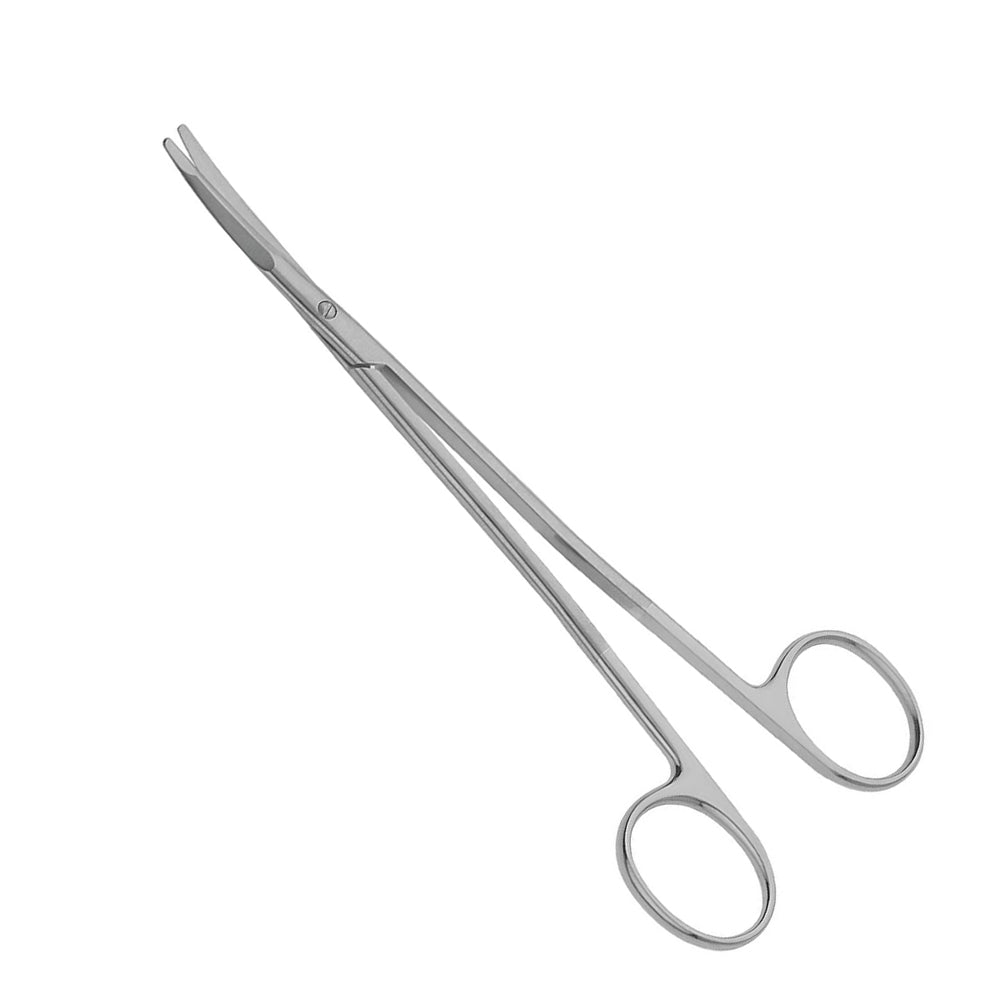
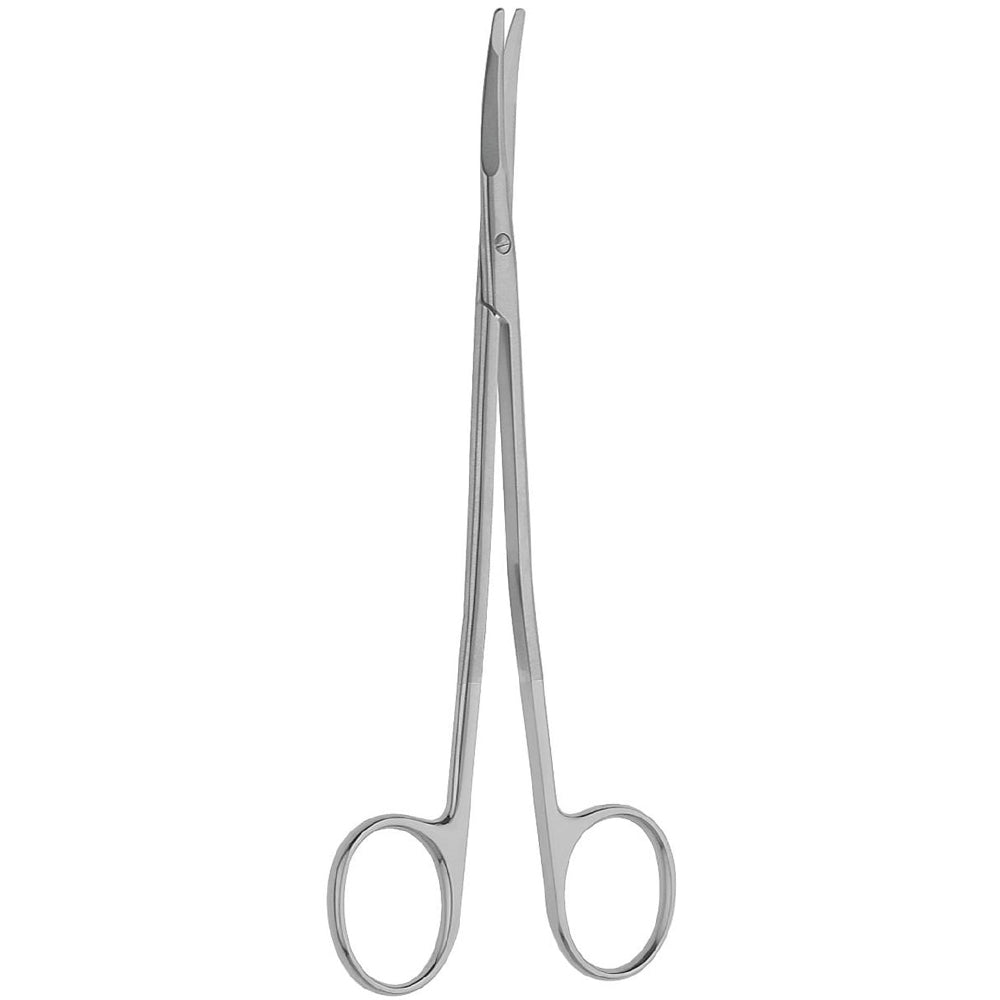
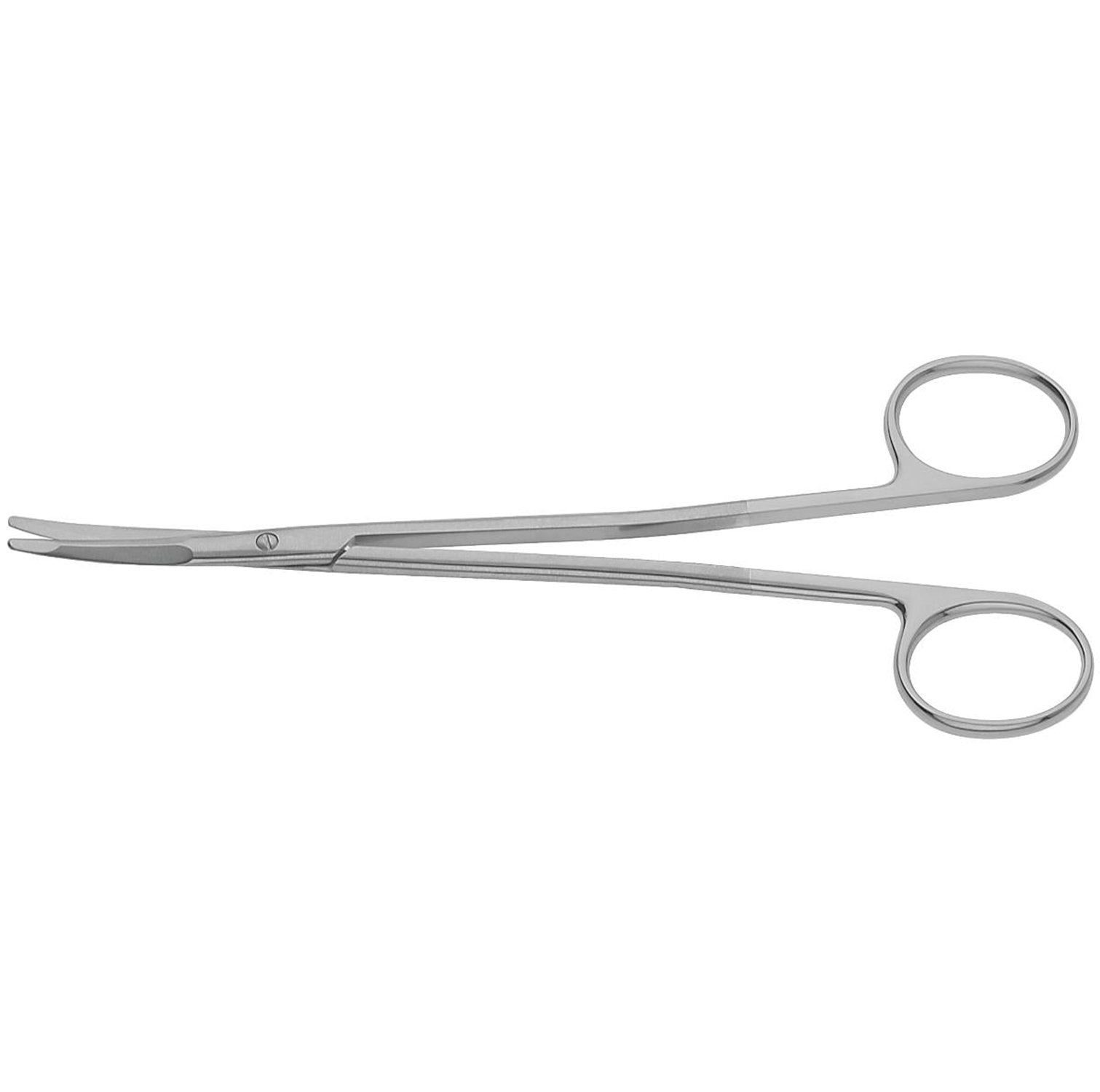
The Freeman Rhytidectomy Scissors from Peak Surgicals (price: $6.60 — confirm SKU and size with Peak Surgicals; common Freeman-Gorney pattern sizes are 7" or 5⅜") are a curved, blunt-tipped German stainless steel dissecting scissor designed specifically for facelift surgery, used to elevate and separate the skin and subcutaneous flap from the underlying superficial musculoaponeurotic system (SMAS) and fascia during rhytidectomy. The blunt distal tips distinguish this instrument from sharp-tipped dissecting scissors used elsewhere in plastic surgery — in facelift dissection, the surgeon advances the closed blunt tips into the subcutaneous plane and then opens the blades to spread the tissue plane apart, a blunt spreading technique that separates skin flap from the underlying fascia along natural tissue planes with minimal risk of perforating the flap, before using the blade edges for sharp division of remaining fibrous attachments. This combined blunt-spread, sharp-cut technique is fundamental to facelift dissection because the facial skin flap, once elevated, must retain an even thickness and an intact subdermal vascular plexus to survive and heal without necrosis — a flap perforation or button-holing from instrument trauma during dissection is a recognised complication that the blunt-tipped Freeman design is specifically intended to minimise. The instrument is used by plastic surgeons and facial plastic surgeons during rhytidectomy (facelift), neck lift, brow lift, and other facial rejuvenation procedures requiring skin flap elevation, available in satin, dull, and mirror finishes, reusable, autoclave compatible, and supplied under CE Mark, ISO 13485, and FDA certification.
The defining design feature of the Freeman Rhytidectomy Scissors is the combination of a curved blade profile with rounded, blunt distal tips rather than the pointed tips found on standard dissecting or Metzenbaum-style scissors. This design directly addresses the central technical challenge of facelift surgery: the skin and subcutaneous flap elevated during rhytidectomy must be of consistent thickness, contain an intact blood supply through the subdermal plexus, and remain free of buttonholes or perforations that would compromise flap viability and visible healing. The blunt tips allow the surgeon to use a closed-scissor spreading technique — the closed blades are advanced a short distance into the subcutaneous areolar tissue plane between the dermis and the SMAS, and the handles are then squeezed to open the blades, mechanically separating the tissue plane along its natural areolar architecture rather than cutting through it. This spreading action follows the path of least resistance through the loose connective tissue, naturally avoiding deeper structures such as the facial nerve branches that travel within or beneath the SMAS layer in defined anatomical danger zones. Where fibrous septa or vascular structures require division rather than blunt separation, the blade edges are used for controlled sharp cutting. The curved blade profile follows the contour of the facial and cervical skin surface during dissection, allowing the surgeon to maintain a consistent dissection plane depth across the curved three-dimensional surface of the cheek, jawline, and neck.
The Freeman Rhytidectomy Scissors are used during the flap elevation phase of facelift surgery, immediately following the preauricular and temporal incisions. After the incision is made and the skin edge is grasped with a skin hook or fine forceps, the scissors are introduced into the subcutaneous plane to elevate the skin flap over the area to be undermined — typically extending from the preauricular region across the cheek, along the jawline, and into the anterior neck depending on the extent of the planned facelift. The blunt-tip spreading technique is used preferentially in the danger zones overlying the major facial nerve branches, particularly the zygomatic and buccal branches crossing the zygomatic arch and the marginal mandibular branch along the inferior border of the mandible, where blunt dissection in the correct subcutaneous plane keeps the dissection superficial to the nerve, which travels in a deeper plane beneath the SMAS in these regions. In the neck lift component of rhytidectomy, the same instrument is used to elevate the cervical skin flap over the platysma muscle, again relying on blunt spreading through the subcutaneous fat to preserve flap vascularity. The scissors are also used in extended facelift techniques involving SMAS plication or SMASectomy, where after the skin flap is elevated, the scissors assist in defining the SMAS layer before it is plicated, imbricated, or partially resected to achieve the desired lift of the deeper facial soft tissues.
The Freeman Rhytidectomy Scissors are manufactured from German stainless steel, providing the blade edge retention for the sharp-cutting component of the instrument's dual function while maintaining the smooth, non-traumatic surface finish required on the blunt tips and outer blade surfaces that contact the underside of the delicate facial skin flap during spreading dissection. The instrument is available in satin, dull, and mirror surface finishes — satin and dull finishes reduce glare under the operating headlight commonly used during facelift surgery, where the surgeon frequently works at an oblique viewing angle to assess flap thickness and translucency under transmitted light. Mirror finish provides maximum corrosion resistance. All three finishes are compatible with steam autoclave sterilization. Because the blunt tips are a deliberate safety feature rather than a manufacturing defect, any tip damage or deformation from mishandling that sharpens or chips the rounded profile compromises the instrument's core safety function and should be identified during routine instrument inspection before each use.
The Freeman Rhytidectomy Scissors are manufactured under CE Mark, ISO 13485, and FDA compliant quality standards. ISO 13485 certification confirms Peak Surgicals operates a documented quality management system covering German stainless steel material traceability, blunt-tip and curved blade geometry dimensional tolerancing, and manufacturing process controls for reusable facial plastic surgery instruments. CE Mark confirms conformity with EU MDR requirements for reusable non-powered surgical instruments. FDA compliance supports procurement for US plastic surgery centres and facial plastic surgery practices requiring verified regulatory documentation. Class I instrument classification, 1-year warranty, OEM availability, and MOQ of 1 piece support both institutional facelift instrument tray procurement and individual surgeon replacement ordering.
| Product Name | Freeman Rhytidectomy Scissors |
|---|---|
| Price | $6.60 USD |
| Size | Confirm with Peak Surgicals (common pattern sizes: 7" or 5⅜") |
| Instrument Type | Curved, blunt-tipped facelift flap dissection scissor |
| Instrument Category | Plastic Surgery — Facelift / Rhytidectomy Instruments |
| Procedure | Rhytidectomy (facelift), neck lift, brow lift, SMAS plication/SMASectomy — skin flap elevation and dissection |
| Material | German Stainless Steel |
| Finish | Satin / Dull / Mirror (specify on order) |
| Sterilization | Steam autoclave compatible |
| Instrument Classification | Class I |
| Reusable | Yes |
| Rust Free | Yes |
| Certifications | CE Mark, ISO 13485, FDA |
| Warranty | 1 Year |
| MOQ | 1 Piece |
| OEM / Custom Orders | Available |
| Packing | Carton Box |
| After-Sale Service | Return and Replacement |
Why are the tips of the Freeman Rhytidectomy Scissors blunt rather than sharp?
The blunt tips are a deliberate safety design feature that enables the closed-scissor spreading technique fundamental to facelift flap dissection. In rhytidectomy, the skin flap must be elevated as a uniform-thickness layer with an intact subdermal vascular plexus to ensure adequate blood supply for healing — perforation or button-holing of the flap during dissection is a recognised complication that can result in visible scarring or, in severe cases, flap necrosis. A sharp-tipped scissor advanced into the subcutaneous tissue plane carries a meaningfully higher risk of inadvertently piercing through the flap if the surgeon's depth perception or tissue resistance feedback is imperfect at any point during the dissection. The blunt tips of the Freeman pattern allow the closed blades to be advanced safely within the subcutaneous areolar plane, and the subsequent opening of the blades spreads the tissue along its natural plane of least resistance rather than cutting through it, providing a substantial safety margin during the most extensive dissection steps of the procedure.
How does the blunt-spread technique help avoid facial nerve injury during facelift surgery?
The facial nerve branches relevant to facelift surgery — principally the temporal/frontal branch, the zygomatic and buccal branches, and the marginal mandibular branch — travel within or beneath the SMAS layer in specific anatomical regions, while the dissection plane for skin flap elevation in standard facelift technique is superficial to the SMAS, within the subcutaneous fat. By using the blunt tips of the Freeman scissors to spread along this naturally loose subcutaneous areolar plane rather than cutting indiscriminately, the surgeon maintains the dissection at a depth superficial to the nerve-bearing SMAS layer, relying on the differential tissue resistance between the loose subcutaneous fat and the denser SMAS to guide the correct plane. This technique is particularly emphasised in the recognised facial nerve danger zones — over the zygomatic arch, along the inferior mandibular border, and in the region anterior to the tragus — where blunt spreading dissection with an instrument like the Freeman scissors is the standard technique to minimise the risk of nerve injury compared to more aggressive sharp dissection.
What is the difference between blunt spreading and sharp cutting with the same instrument?
The Freeman Rhytidectomy Scissors are designed to perform both functions during the same dissection sequence. Blunt spreading is performed with the blades closed, advancing the rounded tips a short distance into the tissue plane, then opening the handles to separate the tissue along its natural plane — this technique is used for the majority of the subcutaneous flap elevation, where the goal is to separate skin flap from SMAS without specifically cutting any structure. Sharp cutting is performed using the blade edges once they have engaged a specific fibrous band, vertical septum, or other discrete structure that resists blunt separation and requires deliberate division — this is used selectively, at points where blunt spreading alone does not adequately mobilise the flap. The surgeon alternates between these two modes within the same dissection field, using tactile feedback to determine when a structure should be bluntly separated versus sharply divided, which is the reason a dedicated blunt-tip scissor pattern like the Freeman is preferred over a standard sharp-tipped Metzenbaum scissor for this specific application.
What size of Freeman Rhytidectomy Scissors is typically used and does size affect technique?
The Freeman-Gorney pattern is commonly supplied in a small number of standard lengths, with 7 inches and 5⅜ inches being widely recognised sizes in the facial plastic surgery instrument market. Longer scissors provide greater reach for dissection extending further from the incision, such as into the mid-cheek or anterior neck regions in an extended facelift, while shorter scissors offer finer control in the immediate periauricular and temporal regions where the dissection field is more confined and precise tip placement near the ear and hairline is required. Surgeons performing more limited or mini-facelift procedures with shorter flap elevation distances may prefer the shorter pattern, while those performing extended facelifts with neck lift components often select the longer pattern for the additional reach required.
What certifications does this instrument carry?
The Freeman Rhytidectomy Scissors carry CE Mark, ISO 13485, and FDA compliance certification. CE Mark confirms conformity with EU MDR requirements for reusable non-powered surgical instruments. ISO 13485 certification confirms Peak Surgicals maintains a quality management system covering German stainless steel material traceability, blunt-tip and curved blade geometry dimensional tolerancing, and manufacturing process controls for reusable facial plastic surgery instruments. FDA compliance supports procurement for US plastic surgery centres and facial plastic surgery practices requiring verified regulatory documentation. Class I instrument classification, 1-year warranty, MOQ of 1 piece, and OEM availability satisfy institutional and individual surgeon procurement requirements for facelift instrument sets.