
Featured Collection
Your cart
Featured Collection

PEAK SURGICAL
SKU:PS-Or_0021
Couldn't load pickup availability
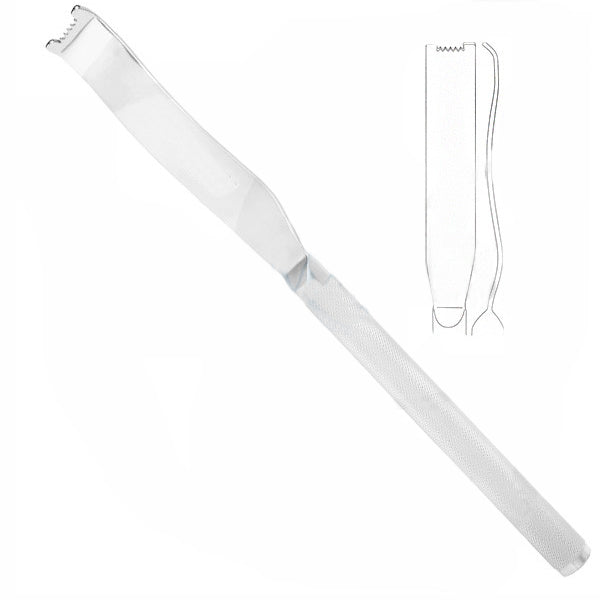
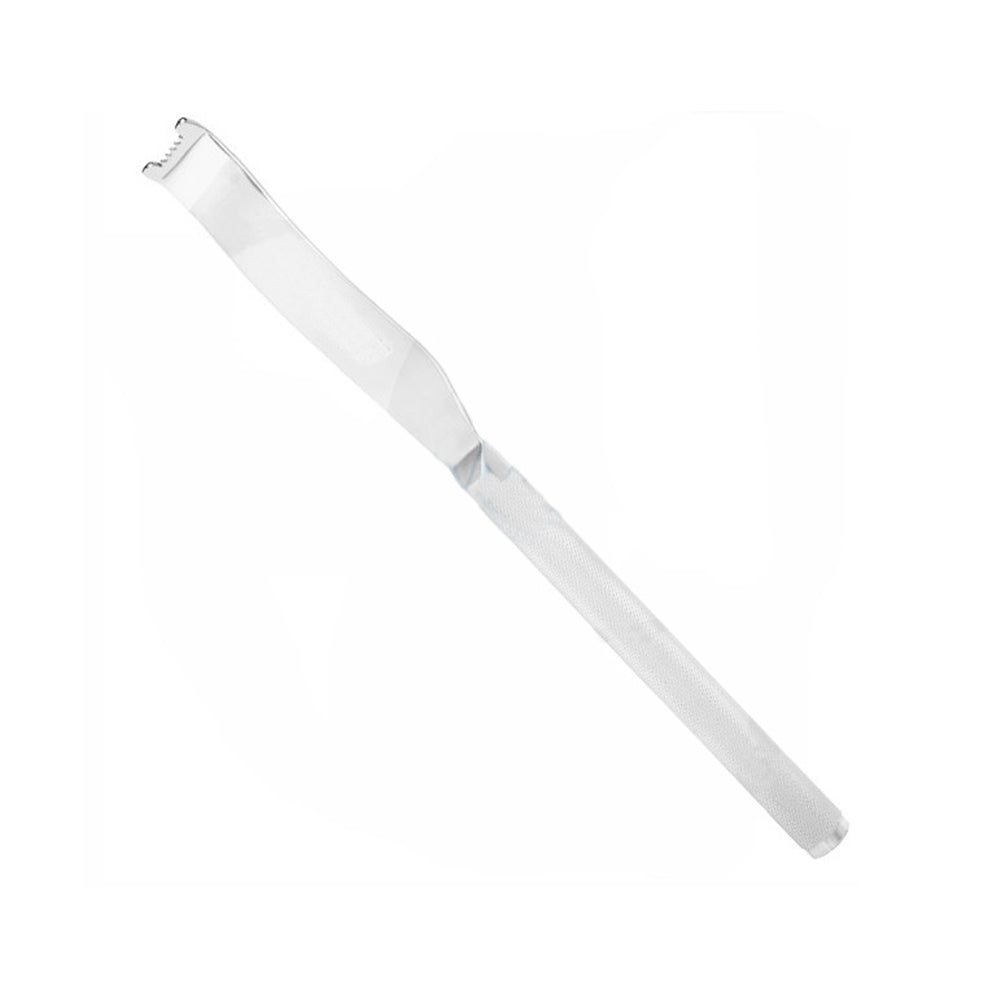
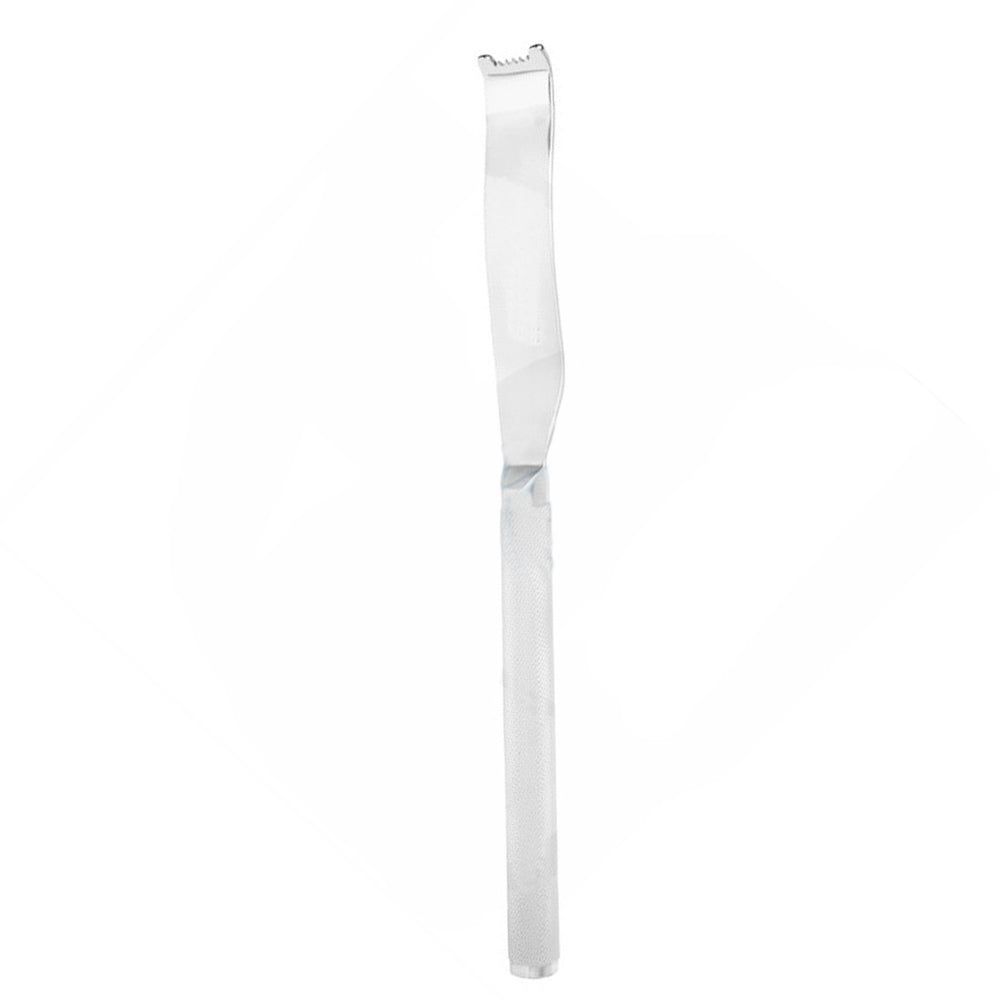
Overview of Femoral Neck Elevators
Femoral neck elevators are specially designed orthopedic surgical instruments that are designed to assist surgeons in hip procedures, specifically in mini-posterolateral and miniature-anterolateral surgical methods. These minimally invasive procedures require precise instrumentation to allow sufficient exposure to the femoral neck and minimize soft tissue disruption. The femoral neck elevator plays an essential role in controlling the elevation and manipulating the femur during these procedures.
In hip surgery of the present, particularly Total Hip Arthroplasty (THA), preserving the strength of the muscles and decreasing the time to recover are top priorities. Mini-posterolateral and mini-anterolateral procedures require instruments that are lightweight but sturdy enough to give solid leverage. Neck elevators for the femoral bone are designed to meet these demands, providing surgeons with greater visibility and a safe handling of bone in confined surgical areas.
Produced using high-quality surgical stainless steel, these elevators are designed to withstand the rigors of regular sterilization and for long-term use in clinical settings. Their ergonomic design ensures effectiveness without compromising safety for patients.
Design and Structural Features
The neck elevators for the femur are developed to offer optimal leverage as well as anatomic compatibility. Their most significant structural characteristics usually comprise:
A curved blade that is designed to be fitted around the neck of the femoral
A slim profile that is suitable for minimally invasive incisions
A strong shaft that can be able to withstand force-controlled
An ergonomic handle that provides a safe grip and mobility
The blade's contour allows the instrument to glide smoothly between bone and soft tissue and bone, which reduces the risk of injury during the insertion. Since mini-approaches reduce the risk of surgical exposure to the patient, the thin and precise design of the elevator is vital. It allows surgeons to reposition the neck of the femur without overly recoil.
The handle can be designed or textured to increase the grip's stability, even when using surgical gloves. The balanced weight distribution helps reduce the strain on your hands when performing a long-term procedure.
Role in Mini-Posterolateral and Mini-Anterolateral Hip Surgery
Mini-posterolateral hip surgery is the femoral neck elevator, which can be employed following capsulotomy to raise and move the femur. This aids in removing the femoral head as well as prepping the bone to allow for the placement of implants. Because the incision is much smaller than conventional approaches, the precise leverage is essential to ensure the surgical efficacy.
In mini-anterolateral hip surgery, the elevator assists in regulating the opening of the neck of the femoral through a technique of muscle sparing. It helps to move and lift the femur without putting too much force on it, protecting the surrounding tissues, and reducing post-operative pain.
Through allowing controlled bone elevation The femoral neck elevator helps ensure the proper alignment and positioning of prosthetic elements, directly impacting the long-term outcomes of surgery.
Benefits in Modern Orthopedic Practice
Femoral neck lifts have many advantages over modern orthopedic procedures.
Better surgical exposure with fewer incisions
Reduction of soft tissue trauma
Increased leverage and control
More efficient and effective procedures
Compatibility with minimally invasive techniques
These advantages result in shorter operating times and faster recovery of patients. The ability to execute precise movements in tight areas makes the device indispensable for hip arthroplasty in the modern age.
Sterilization and Maintenance
Cleanliness and sterilization are vital to ensure instrument integrity and ensure the safety of patients. Neck elevators for the femoral region are generally compatible with standard autoclave sterilization protocols that are standard. After every use, they must be thoroughly cleaned to eliminate biological waste, and then inspected for wear or bend and then stored safely.
Routine maintenance is essential to ensure longevity and maintain the structural strength required to withstand repeated orthopaedic applications.


