
Featured Collection
Your cart
Featured Collection

PEAK SURGICALS
SKU:PS-OP-5575
Couldn't load pickup availability
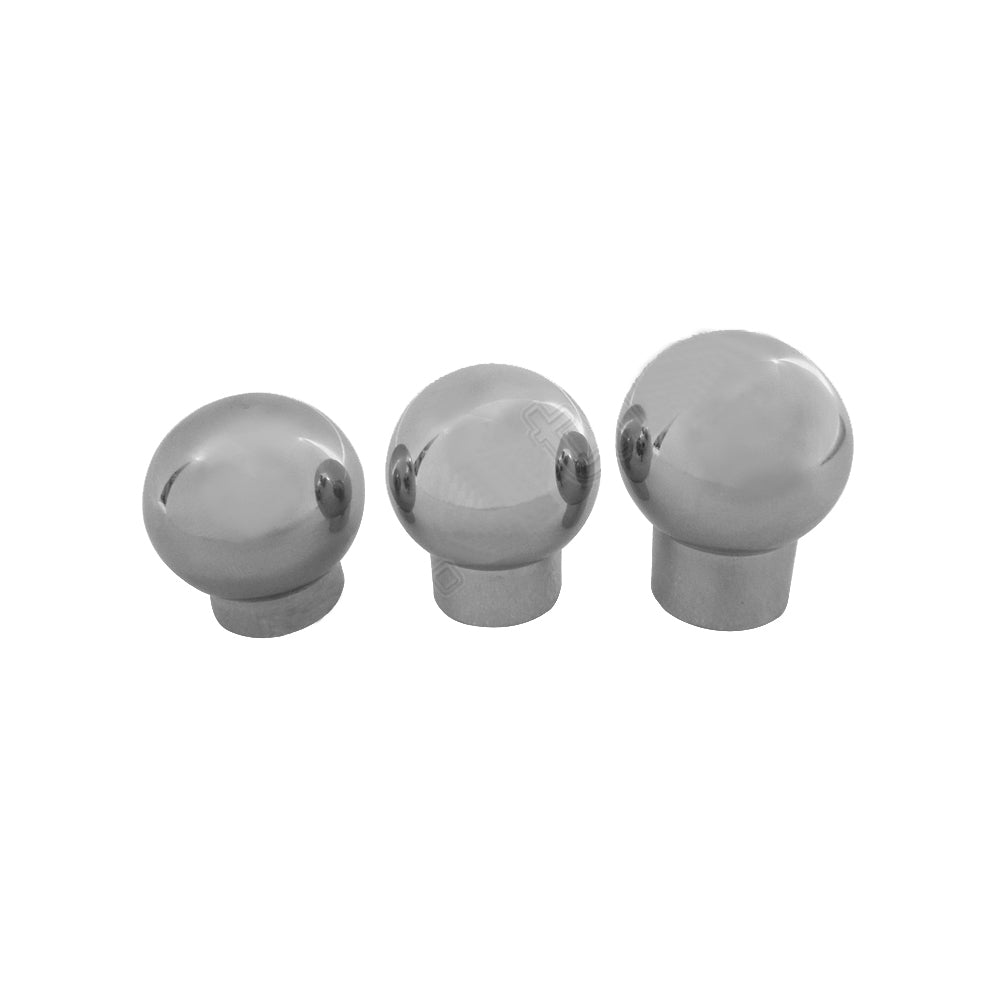
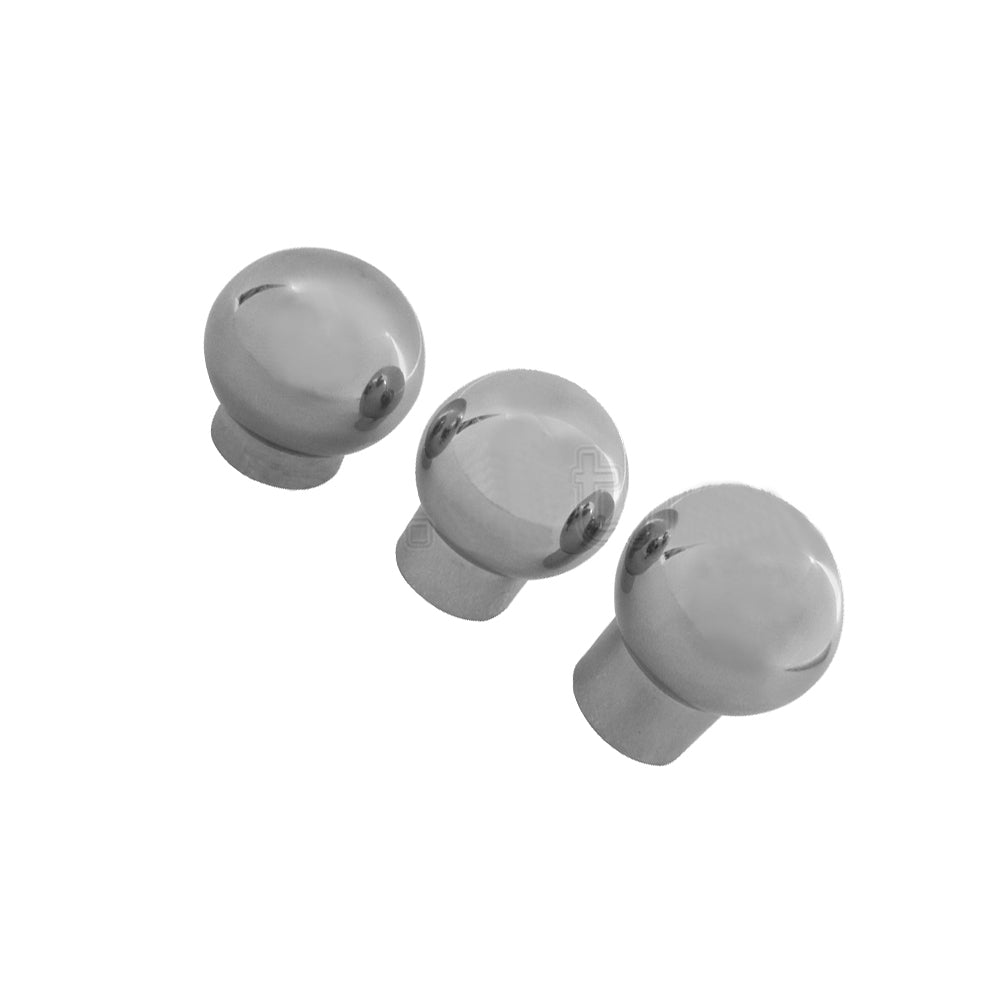
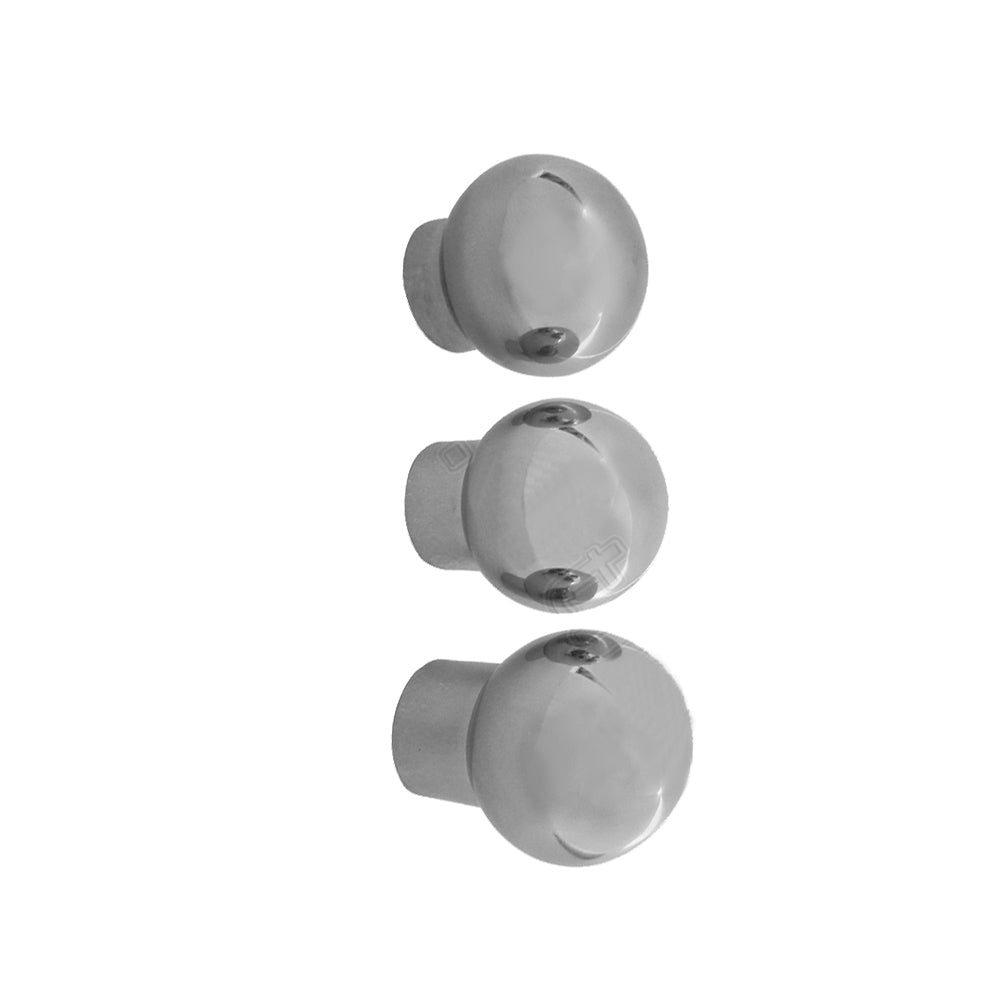
Femoral Head Sterile, SKUs PS-OP-5575 and PS-OP-5576, is a medical-grade stainless steel modular hip implant supplied for articulation with a compatible acetabular bearing or bipolar component. The available configurations are model 174.28-1 with a 28 mm head diameter and −3 mm neck-length offset, and model 174.32-0 with a 32 mm diameter and neutral 0 mm displacement. Its spherical polished exterior forms the femoral side of the reconstructed articulation, while the internal junction connects to a matching femoral stem taper. The component is used during primary total hip arthroplasty, selected revision hip replacement, and modular bipolar hemiarthroplasty when the complete implant system supports the chosen diameter and connection. Clinical indications include end-stage osteoarthritis, avascular necrosis, inflammatory joint destruction, selected displaced femoral-neck fractures, and post-traumatic hip reconstruction. Orthopedic arthroplasty surgeons select the definitive option after stem implantation and trial reduction in hospital operating rooms, trauma centers, joint-replacement units, and specialist orthopedic facilities. Diameter, neck displacement, stem junction, cup or liner geometry, offset, limb length, and bearing compatibility must be considered as one implant construct.
The implant combines a machined spherical exterior with an internal conical junction that seats onto a compatible femoral stem. Its polished bearing surface articulates against the designated acetabular liner or bipolar shell, permitting angular movement across the reconstructed hip joint. Dimensional accuracy is essential because the head diameter must correspond with the receiving bearing, while the internal connection must match the stem taper geometry. The −3 mm option shortens the reconstructed neck relative to the system’s neutral reference, whereas the 0 mm version maintains neutral displacement for its designated stem combination. These offsets influence soft-tissue tension, limb length, femoral offset, and reduction mechanics without changing the implanted stem position. During assembly, the stem junction and head bore must remain clean, dry, undamaged, and free from cement, blood, bone fragments, or packaging debris. After trial components establish the intended biomechanics, the definitive head is aligned with the stem axis and seated using the system-specific impaction technique. The junction is not an adjustment mechanism after assembly; it is a fixed mechanical connection that transfers load from the spherical bearing into the femoral stem.
Femoral-head selection occurs after acetabular preparation and definitive femoral-stem placement during total hip replacement. The surgeon initially uses trial heads to assess reduction force, stability, impingement, soft-tissue tension, offset, and limb-length restoration through flexion, extension, rotation, and adduction testing. In modular bipolar hemiarthroplasty, the selected component interfaces with the compatible bipolar assembly rather than an acetabular liner. The 28 mm diameter supports systems designed around a smaller bearing articulation, while the 32 mm configuration requires a corresponding cup or liner. Once trial reduction confirms the construct, the operative team opens the designated sterile package, protects the polished surface, and clears the stem junction. The definitive component is placed coaxially onto the taper and seated with the approved impactor. The hip is then reduced, and articulation, stability, range of movement, component seating, and leg length are reassessed. Revision use requires an undamaged, compatible retained stem junction and an implant combination authorized within the operative system. A scratched bearing surface, contaminated bore, deformed taper, or mismatched diameter can compromise assembly and must not be accepted for definitive implantation.
Model 174.28-1 provides a 28 mm spherical diameter with a −3 mm neck-length offset and corresponds to Shopify SKU PS-OP-5575. It is selected when the compatible acetabular or bipolar bearing accepts a 28 mm head and trial reduction indicates that shorter displacement is required. Model 174.32-0 provides a 32 mm exterior with neutral 0 mm displacement and corresponds to SKU PS-OP-5576. The larger diameter is intended only for a matching 32 mm bearing construct and cannot be substituted into a 28 mm liner or shell. Head diameter affects the articulation geometry and available range before prosthetic impingement, while neck displacement changes the relationship between the femoral stem, joint center, and surrounding soft tissues. Selection therefore requires review of acetabular component labeling, femoral stem taper compatibility, trial-head results, offset, limb length, abductor tension, and joint stability. Diameter alone does not determine the correct option. The two product codes represent different diameter-and-offset combinations rather than interchangeable size choices. The definitive package should remain unopened until the surgeon confirms both dimensions against the implanted components and trial construct.
Medical-grade stainless steel provides the mechanical strength, corrosion resistance, and machinability required for a load-transmitting hip bearing component. The exterior receives a highly polished finish to create the smooth spherical surface required for articulation with the designated acetabular liner or bipolar shell. The internal bore is manufactured as a mechanical junction rather than an articulating surface and must be protected from scratches, deformation, fluid, particles, and handling damage. Each component is supplied sterile for single-patient implantation. It is not a reusable orthopedic instrument and must not be cleaned, resterilized, or returned to inventory after the sterile barrier has been opened. CE documentation concerns conformity assessment under the applicable European medical-device framework, while ISO 13485 addresses the manufacturer’s quality management system. FDA-related procurement depends on the establishment, device listing, labeling, importer, and market-access documentation applicable to the transaction and destination. These references should not be described as identical forms of approval. Hospitals and distributors should inspect the package condition, model code, diameter, offset, SKU, lot number, and expiration date, then retain traceability records within the patient file, implant register, inventory platform, and complaint-handling system.
| SKU | PS-OP-5575 and PS-OP-5576 |
|---|---|
| Product Name | Femoral Head Sterile |
| Price | $15.95 USD |
| Size/Gauge Variants | 174.28-1: 28 mm diameter with −3 mm neck offset; 174.32-0: 32 mm diameter with 0 mm neutral offset |
| Instrument Category | Orthopedic hip implant |
| Procedure | Total hip arthroplasty and compatible modular bipolar hemiarthroplasty |
| Material | Medical-grade stainless steel |
| Finish | Highly polished spherical bearing surface |
| Sterilization | Supplied sterile for single-patient implantation |
| Instrument Classification | Implantable modular femoral head |
| Reusable | No |
| Certifications | CE and ISO 13485 documentation; FDA procurement documentation according to destination-market requirements |
| Warranty | 30-day money-back guarantee for eligible unopened products under Peak Surgicals return terms |
| MOQ | 1 implant |
| OEM / Custom Orders | OEM labeling and packaging available subject to documented technical and regulatory requirements |
| After-Sale Service | Order, documentation, shipment, traceability, complaint, and eligible return support |
How does a stainless steel femoral head differ from a ceramic femoral head?
Femoral Head Sterile uses medical-grade stainless steel with a polished metallic bearing surface. A ceramic femoral head uses a hard ceramic material with different surface, wear, impact, and handling characteristics. Ceramic components require a stem junction and acetabular bearing specifically authorized for that material and system. Metallic heads can tolerate different handling conditions, but their polished surface and internal bore must still remain undamaged. Neither material can be substituted solely because the external diameter is identical. Selection depends on bearing compatibility, stem taper, implant labeling, patient factors, revision status, and the surgeon’s planned construct.
When should the 28 mm or 32 mm configuration be selected?
Femoral Head Sterile must match the designated acetabular liner or bipolar shell diameter. Model 174.28-1 provides a 28 mm articulation with a −3 mm neck-length offset. Model 174.32-0 provides a 32 mm articulation with neutral displacement. Trial reduction determines how each compatible option affects limb length, femoral offset, soft-tissue tension, stability, and impingement. A 32 mm component cannot be inserted into a bearing designed for 28 mm articulation. The definitive choice must also match the implanted femoral stem junction and the authorized component combination.
What do CE, ISO 13485, and FDA references mean for this implant?
CE documentation concerns conformity with the applicable European medical-device framework and authorized market scope. ISO 13485 addresses the quality management system used for medical-device production and traceability. Neither designation alone means that Femoral Head Sterile has received FDA approval. United States procurement requires the applicable establishment, device-listing, labeling, importer, and distribution documentation. Hospitals should obtain records that identify the supplied model, manufacturer, sterile status, lot, and expiry date. These details should be retained within supplier qualification and implant-traceability systems.
How is the femoral head secured to the stem during surgery?
Femoral Head Sterile connects to a compatible femoral stem through its internal taper junction. The stem trunnion and head bore are inspected and kept clean, dry, and free from biological material or surgical debris. The component is aligned coaxially so the bore enters the trunnion without canting. It is then seated using the system-specific impactor and prescribed assembly technique. Once assembled, the junction forms a fixed mechanical connection rather than an adjustable intraoperative control. An incompatible, scratched, contaminated, or deformed junction must not be used for definitive reconstruction.
How should procurement teams manage this sterile hip component?
Femoral Head Sterile should remain sealed until the surgical team confirms the required diameter, offset, stem connection, and receiving bearing. Receiving personnel should reconcile the SKU, product code, package label, lot number, expiry date, and sterile-barrier condition. Storage should protect the package from moisture, crushing, excessive heat, and uncontrolled handling. An opened, damaged, wet, contaminated, or expired unit must be segregated from usable inventory. The implant must not be resterilized or transferred for use in another patient after opening. Hospitals should record the implanted code and lot in the operating-room register, patient record, stock system, and institutional traceability documentation.


