
Featured Collection
Your cart
Featured Collection

PEAK SURGICALS
SKU:PS-Or_0022
Couldn't load pickup availability
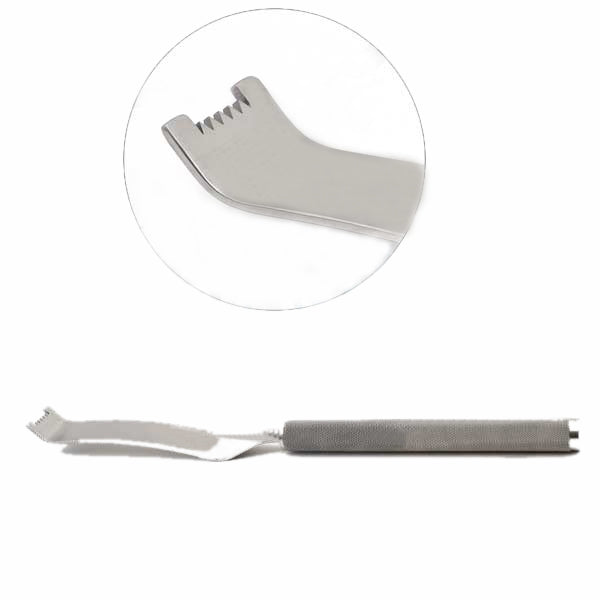
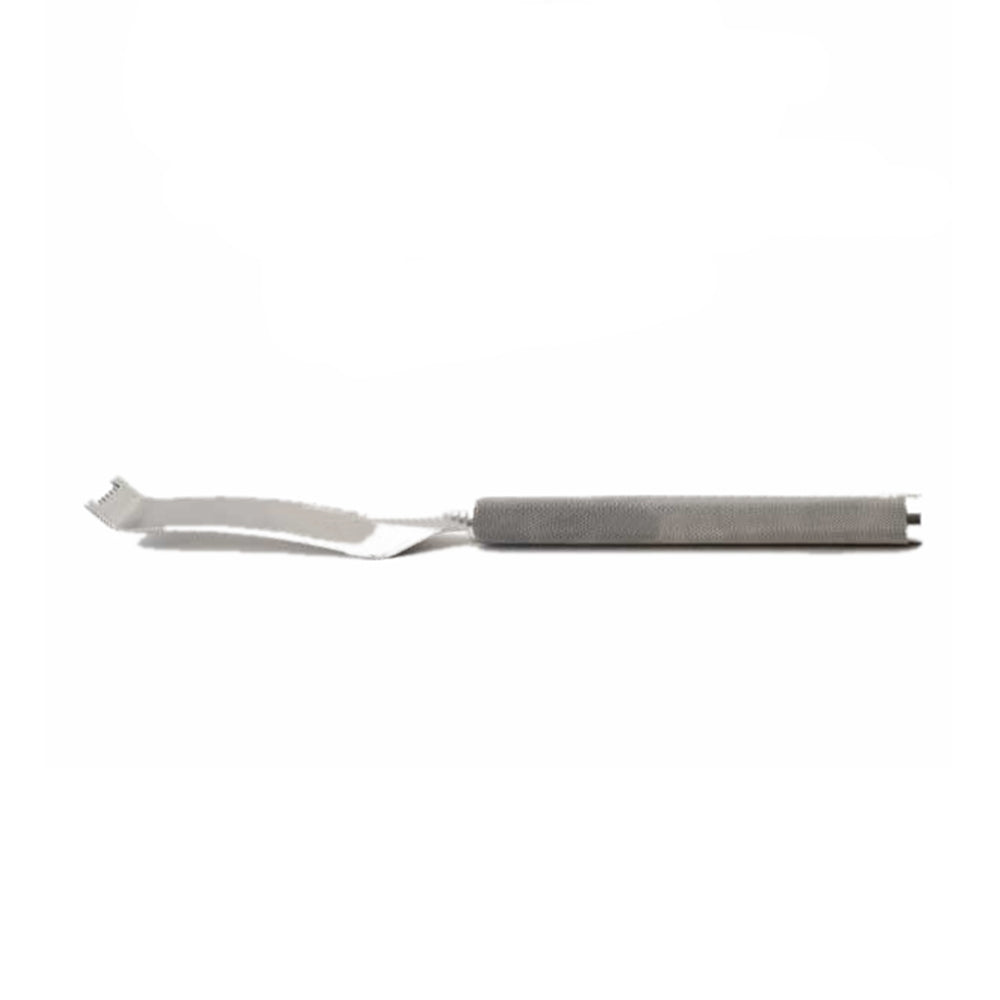
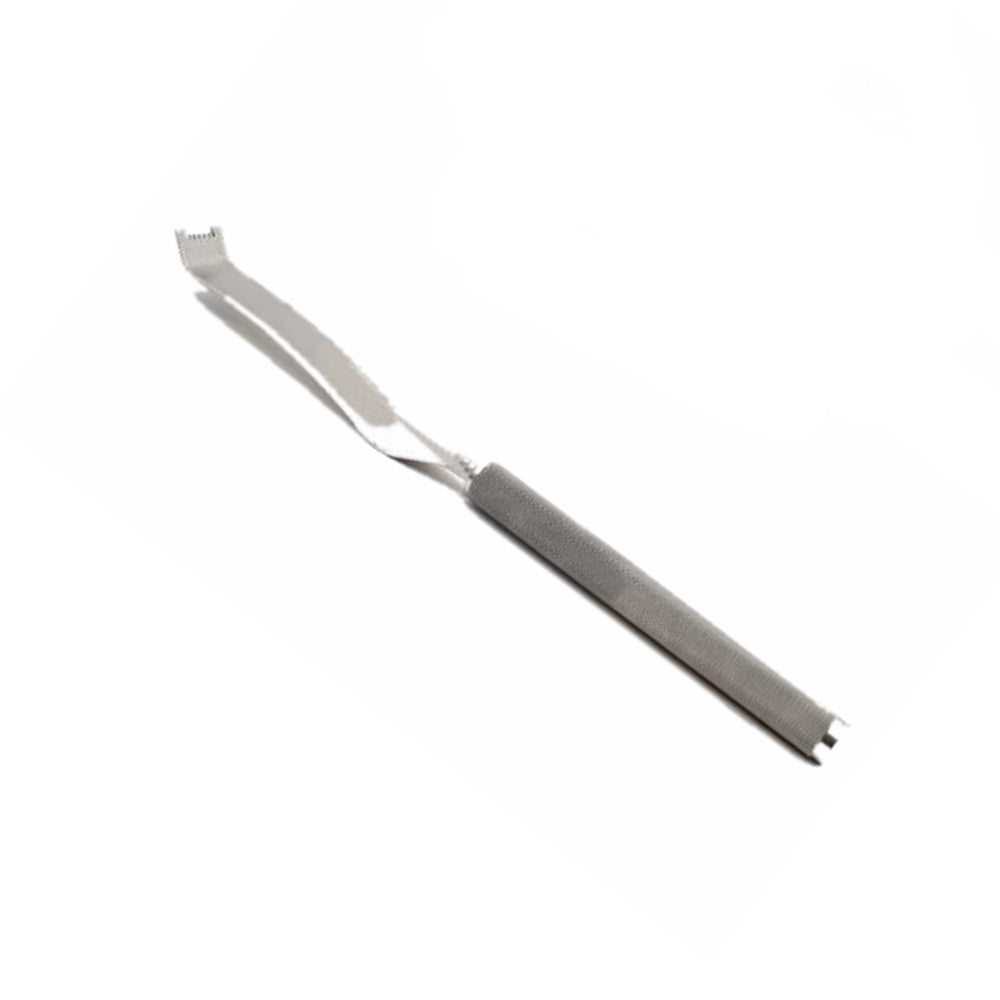
It is the Extra Leverage Femoral Neck Elevator is a specially-designed orthopedic surgical instrument that is designed to aid surgeons in hip surgeries, especially for total hip arthroplasty as well as complicated hip reconstructions. This device is designed to offer increased leverage and a controlled raising of the femoral neck, making it the safest and most effective manipulation of bone structures during surgery.
Produced with top-quality German forging techniques, this Extra Leverage Femoral Neck Elevator displays the highest quality craftsmanship, durability, and dependability. The German-forged surgical instruments are acknowledged for their quality, strength and long-lasting performance. This elevator is an example of these standards, providing surgeons with an instrument that can be trusted to perform consistently, even in the most demanding surgical conditions.
Focusing on precision and ergonomics, the tool is designed to meet the changing demands of orthopedic specialists who require strength as well as precision when using their surgical tools.
This Extra Leverage Femoral Neck Elevator has been carefully designed to maximize mechanical advantages while minimizing trauma to the tissue. Its structural characteristics include:
A strong, long-handle to improve grip and torque
A blade carefully contoured to fit comfortably around the neck of the femoral artery
A shaft reinforced that can withstand the forces of leverage
Smooth, polished surfaces for effortless cleaning and sterilization
The design of the handle that extends beyond the normal length makes this device stand out. Through increasing the leverage, surgeons are able to raise and move the neck of the femoral using less effort. This increased control is especially useful during the dislocation of the head of the femur or in the preparation for implant placement.
The precision-forged construction guarantees strength and durability, which reduces the chance of bends or fatigue from repeated usage. In addition, ergonomic design can help minimize strain on hands, especially when performing long procedures.
The extra leverage femoral neck elevator (LEFE) is frequently used in hip-related surgical procedures. This includes:
Thermoporotic total hip (THA)
Hemiarthroplasty
Management of a fractured neck in the femoral artery
Revision hip operations
When performing total hip replacement surgeries, this lifter aids in elevating and moving the femoral neck post-osteotomy. The additional leverage feature allows for more control when manipulating bone and assists surgeons in achieving precise alignment and placement of prosthetic parts.
In cases of fracture, especially the neck fractures of the femoral limb that are displace The instrument assists in the controlled raising and exposing of the surgery site. When performing revision surgeries, when scar tissues and altered anatomy could make access difficult, the mechanical benefit ensures better visibility and a more secure handling.
This Extra Leverage Femoral Neck Elevator is a specialist in surgical instruments made of German steel that are a mark of excellence in the field of medicine. German methods of forging are recognized for:
Exceptional durability
Superior resistance to corrosion
Precision engineering
Long instrument lifespan
The instruments are subjected to rigorous quality control procedures to guarantee reliability and consistency. The premium stainless steel employed in German forging increases durability to wear, making this instrument ideal for frequent sterilization cycles without harming structural integrity.
Medical facilities and surgical specialists are drawn to German-forged equipment due to their dependability and durability. They also provide long-term cost savings.
It is a durable orthopedic device. Extra Leverage's Neck Elevator has to be thoroughly cleaned and sterilized following every procedure. The device is compatible with autoclave sterilization techniques that are standard and should be regularly inspected for wear, distortion, or damage to the surface.
Routine maintenance not only increases the lifespan of the instrument but also ensures safety for the patient and optimal performance during surgery. A proper handling and storage method can further ensure that the instrument is protected from damage.


