
Featured Collection
Your cart
Featured Collection

PEAK SURGICALS
SKU:
Couldn't load pickup availability
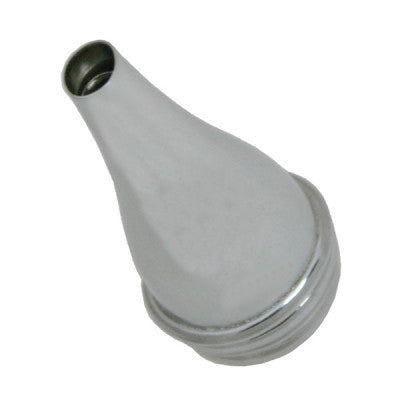
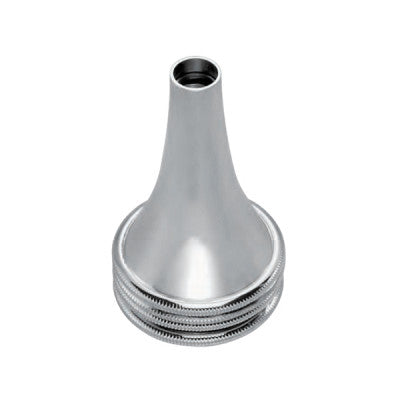
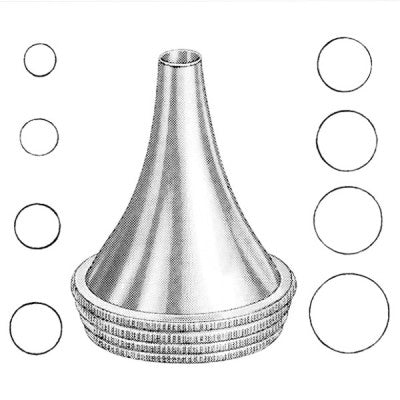
The professional clinical solution for unobstructed ear canal dilation and tympanic membrane visualization. Ear Specula (including patterns such as Hartmann, Toynbee, and Gruber) are foundational ENT instruments engineered to solve the problem of visual obstruction caused by the natural curvature and soft tissue of the external auditory canal. Characterized by their precisely calibrated conical geometry and high-luster internal finish, these specula act as a mechanical necessity for clinicians who require a stable, dilated field for both routine examinations and microsurgical interventions. Its design is specifically optimized to provide mathematical accuracy during the assessment of the middle ear, ensuring that the canal is managed with total patient comfort and maximum light reflection.
The Ear Specula represents the pinnacle of specialized ENT ergonomics and dependable diagnostic management. In any professional environment—from busy general practice clinics to advanced otologic surgical theaters—the ability to definitively straighten and dilate the ear canal is a critical success factor for diagnosing pathologies like otitis media, tympanic perforations, or cholesteatoma. These specula act as a high-durability mechanical bridge between the clinician’s eye and the patient’s inner ear, offering a level of reliability and "visual-depth" that disposable plastic alternatives cannot match.
At its core, the instrument is built for professional-grade longevity and hygiene. The stainless steel construction is specifically chosen for its superior thermal properties and ease of sterilization, ensuring a safe, contaminant-free interface for every patient. Because they are available in various diameters (typically 2mm to 9mm), they provide the versatility required to manage the full spectrum of patient demographics in a professional clinical setup.
Built to exceed international standards for medical hardware, these Ear Specula are fully reusable and intended for high-frequency professional use. Their robust construction and specialized "High-Reflectivity" profile make them an indispensable asset for ensuring safe, organized, and high-precision results in comprehensive patient care.
Ear Specula
Details of Ear Specula is Given Below.
| Product Name | Ear Specula |
| Properties | Veterinary Surgical Instruments |
| Model Number | PS-VS-0045a |
| Type | Veterinary Surgical Instruments |
| Brand Name | Peak Surgicals |
| Instrument classification | Class I |
| Warranty | 1 YEAR |
| After-sale Service | Return and Replacement |
| Material | Medical Stainless Steel |
| Feature | Reusable |
| Certificate | CE, ISO-13485, FDA |
| Usage | Operating Room, etc |
| OEM | Available |
| Finish | Satin. Dull. MIRROR |
| Quality | Reusable |
| Packing | Carton Box, Others |
| Rust Free | Yes |
| MOQ | 1 Piece |
Feature Details
Profile Conical / Tapered
Material Core Premium Surgical-Grade Stainless Steel
Finish High-Polish Internal / Satin External
Diameters 2mm, 3mm, 4mm, 5mm, 6mm, 7.5mm, 9mm
Maintenance Fully Autoclavable / Reusable
Standard CE/ISO Medical Grade
Primary Use Cases:
Q: What is the benefit of using different sizes of specula?
A: The size must match the patient's ear canal. A speculum that is too small won't provide enough visualization, while one that is too large will cause pain. Having a full set (2mm-9mm) ensures you can treat everyone from infants to adults.
Q: Can these be used with my existing wall-mounted otoscope?
A: Most surgical-style stainless steel specula are designed for use with head mirrors or operating microscopes. However, many are compatible with "all-purpose" specula holders or can be held manually during examination.
Q: How do I choose between Hartmann and Toynbee patterns?
A: Hartmann specula typically have a shorter, wider taper, whereas Toynbee specula may feature a longer, more gradual profile. Choice usually depends on the surgeon's preference and the depth of the canal being examined.
Q: Are these safe for patients with metal allergies?
A: These are made from surgical-grade stainless steel (300 or 400 series). While highly bio-compatible, patients with extreme nickel sensitivities should be monitored, though contact is generally brief and external.
Q: What is the best way to prevent fogging during a procedure?
A: Gently warming the speculum to body temperature before insertion helps prevent the patient's body heat from creating condensation on the polished internal surface.


