Featured Collection
Your cart
Featured Collection

PEAK SURGICAL
SKU:PS-9549
Couldn't load pickup availability
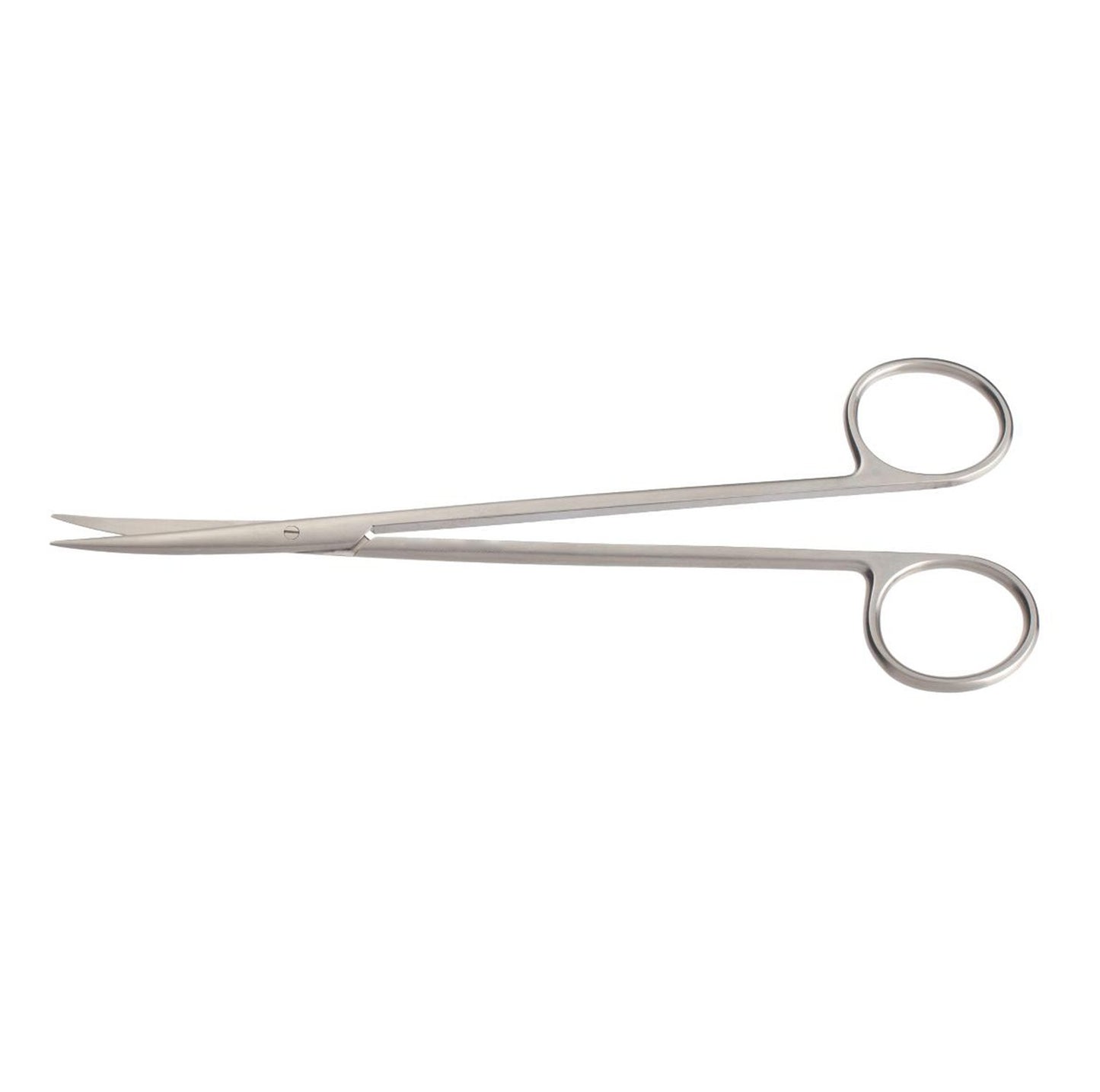
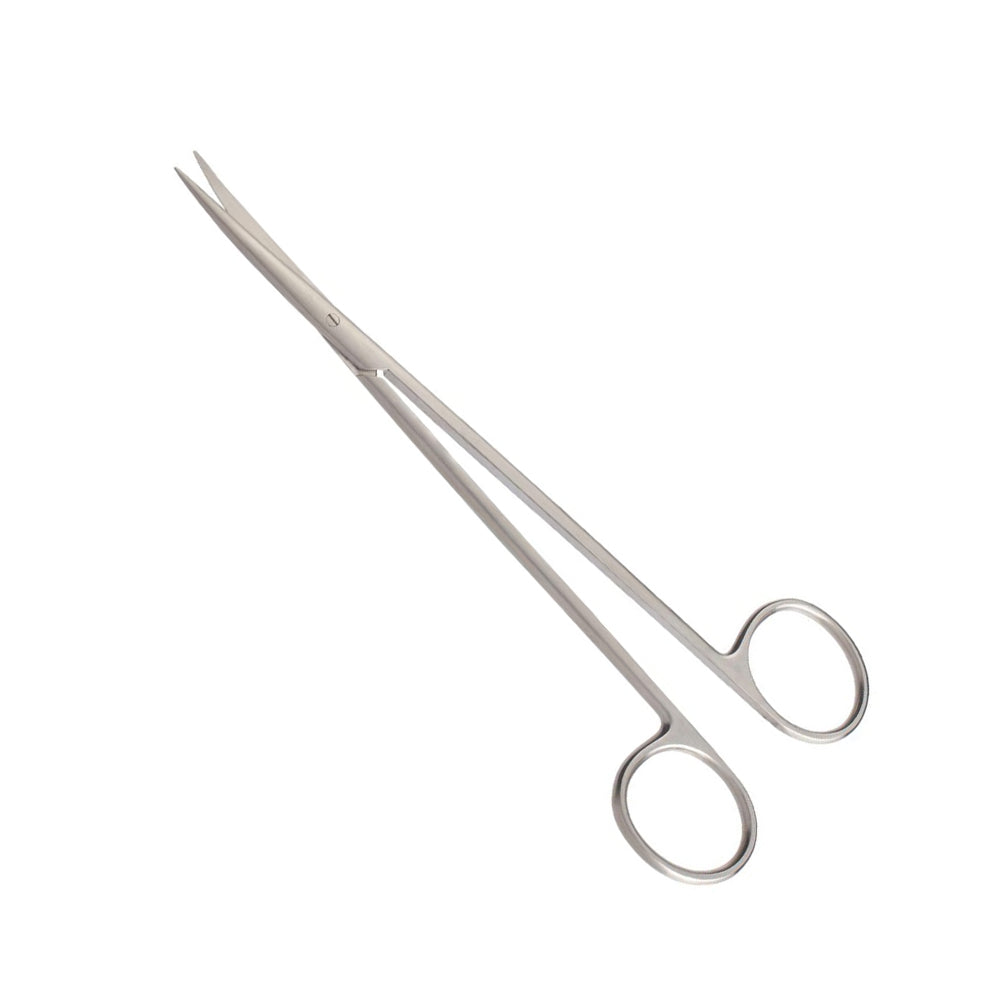
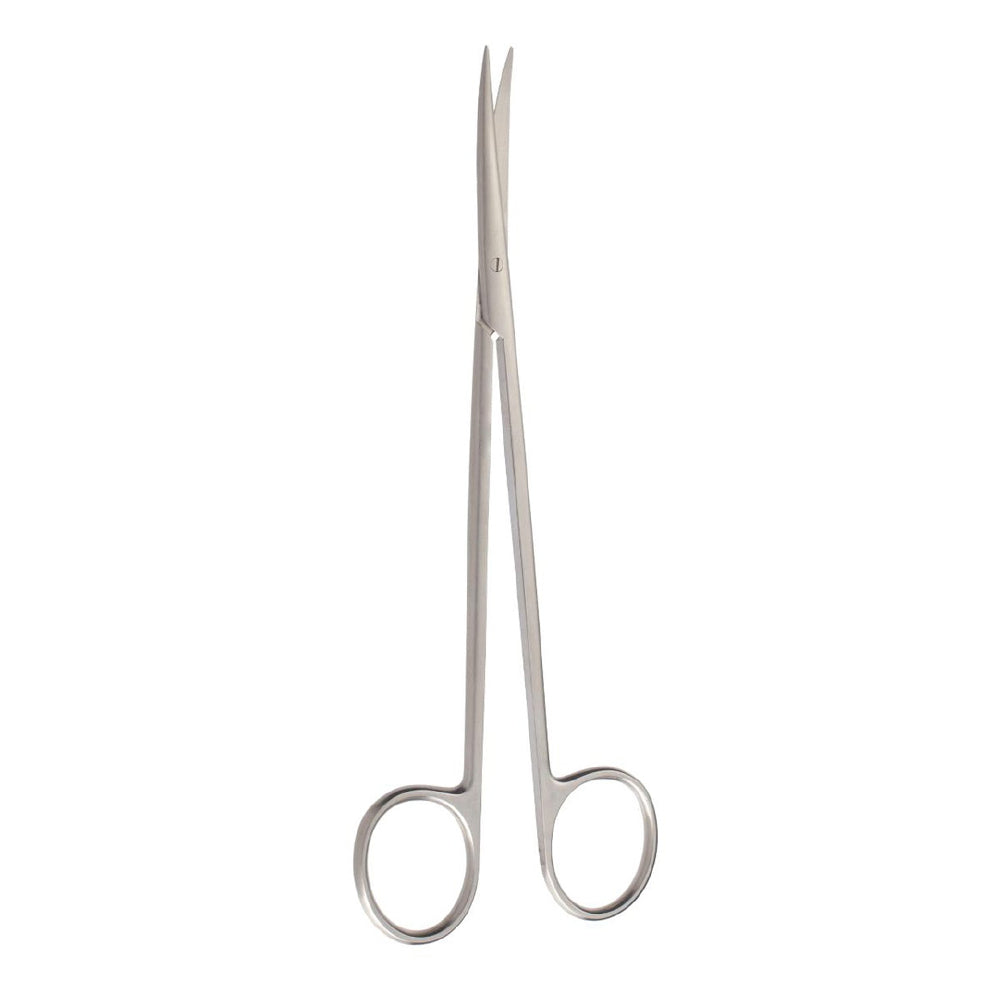
Demartel Scissors, SKU PS-9549, are reusable vascular surgical scissors manufactured from German stainless steel for controlled vessel-wall cutting, arteriotomy extension, venotomy creation, graft trimming, and fine soft-tissue division in cardiovascular and general operating room procedures. The listed variants are 7 1/8" (18.0 cm) Straight, 7 1/8" (18.0 cm) Angled On Flat, and 6 3/4" (17.0 cm) Angled Sideways. The image shows long narrow blades, a screw-joint pivot, slim shanks, and ring handles that support fingertip closure during precise cutting in a restricted surgical field. Cardiovascular surgeons, vascular surgeons, cardiothoracic teams, transplant surgeons, general surgeons, and veterinary surgical teams use this pattern during peripheral bypass, carotid endarterectomy, femoral endarterectomy, arteriovenous fistula creation, vascular graft preparation, patch angioplasty, aortic exposure, coronary bypass conduit preparation, venous graft tailoring, and revision of small vessel openings in hospitals, cardiac theaters, vascular centers, teaching facilities, and procurement-managed instrument trays for controlled operative cutting.
The working mechanism is based on two sharpened blades crossing through a screw-joint pivot that converts ring-handle compression into controlled distal closure. The long blades provide a narrow cutting line for vessel wall and graft material, while the extended shanks keep the operator’s hand outside the vascular field, clamp line, suction path, and assistant instruments. In the straight variant, the cutting edge follows the axis of the shaft, which suits direct arteriotomy extension and surface trimming when the target wall is exposed and stabilized. The angled-on-flat variant changes the plane of the blade so the surgeon can cut along a vessel or patch while keeping the handle lower and away from the wound. The sideways angled variant approaches tissue from a lateral direction, useful when clamps, retractors, or vessel loops limit straight entry. Ring handles provide thumb and ring-finger control, with the index finger guiding shank direction. The instrument has no ratchet or spring, so every closure is regulated by hand pressure, blade position, and tissue tension.
In carotid endarterectomy, the scissors can extend an arteriotomy after scalpel entry so the incision follows the plaque segment and prepares the site for endarterectomy and patch closure. During femoral or popliteal exposure, they assist controlled opening of the artery before thrombectomy, bypass anastomosis, or patch angioplasty. In arteriovenous fistula creation, the pattern can refine vessel openings and trim venous edges before sutured anastomosis. During coronary or peripheral bypass preparation, it supports conduit tailoring, graft beveling, and small opening revision when the vessel wall is held with fine forceps. Transplant and general vascular teams use similar cutting steps during donor vessel preparation, vascular cuff trimming, and repair of small tears at the edge of a planned anastomosis. The scissors are used after the target is isolated, clamped, irrigated, and stabilized; they are not a substitute for atraumatic vascular forceps or microvascular clamps. Their role is to define the cut line cleanly once exposure, hemostasis, and tissue control are established before suturing begins.
The 7 1/8" (18.0 cm) Straight version is selected when the surgeon needs a direct blade path for arteriotomy extension, graft end trimming, suture removal, or linear vessel-wall adjustment in an exposed field. The 7 1/8" (18.0 cm) Angled On Flat version is selected when the cut must stay close to the plane of the vessel, patch, or graft without raising the handle into the wound. This geometry is useful during patch angioplasty preparation, bypass anastomotic opening, and vessel-wall trimming near clamps. The 6 3/4" (17.0 cm) Angled Sideways version gives a shorter lateral approach when the operative corridor is constrained by retractors, vessel loops, or adjacent anatomy. Its sideways orientation helps the tip engage a wall edge from the side rather than along the main shaft line. Selection depends on vessel depth, clamp position, tissue orientation, and whether the surgeon is cutting in line with the artery or around a curved edge. Stocking all three variants gives vascular trays a direct, flat-angle, and lateral-angle option with the same ring-handle control.
German stainless steel provides the rigidity, corrosion resistance, and edge stability required for a reusable vascular cutting instrument with long narrow blades and a screw-joint pivot. Satin, dull, and mirror finish options let procurement teams match instrument surfaces to glare control, tray inspection, and facility preference. Reusable processing includes point-of-use wiping, open-position transport, enzymatic cleaning, ultrasonic decontamination, washer-disinfector processing, drying, pivot inspection, edge review, packaging, and steam autoclave sterilization according to the facility protocol. The screw joint and blade contact surfaces require careful cleaning because retained blood, graft residue, or lint can affect closure feel. CE marking, ISO 13485 documentation, and FDA procurement status support purchasing files for hospitals, vascular centers, distributors, and surgical education programs. Class I classification, carton-box packing, 1-piece MOQ, OEM availability, 1-year warranty, and return and replacement support help supply teams manage standard instrument replacement and distributor catalog programs. The reusable design supports repeated use when inspection confirms smooth closure and intact cutting edges.
| SKU | PS-9549 |
|---|---|
| Product Name | Demartel Scissors |
| Price | $7.15 |
| Size/Gauge Variants | 7 1/8" (18.0 cm) Straight; 7 1/8" (18.0 cm) Angled On Flat; 6 3/4" (17.0 cm) Angled Sideways |
| Instrument Category | Reusable vascular surgical scissors |
| Procedure | Arteriotomy extension, venotomy creation, vascular graft trimming, patch angioplasty preparation, bypass anastomosis preparation, carotid endarterectomy, femoral endarterectomy, arteriovenous fistula creation |
| Material | German stainless steel |
| Finish | Satin, dull, or mirror finish |
| Sterilization | Reusable instrument suitable for enzymatic cleaning, ultrasonic decontamination, washer-disinfector processing, drying, pivot inspection, packaging, and steam autoclave sterilization |
| Instrument Classification | Class I reusable surgical instrument |
| Reusable | Yes |
| Certifications | CE, ISO 13485, FDA |
| Warranty | 1 year |
| MOQ | 1 piece |
| OEM / Custom Orders | Available for distributor supply, institutional branding, bulk purchasing, and customized packing programs |
| After-Sale Service | Return and replacement support for eligible orders |
How are Demartel Scissors different from Potts scissors?
Potts scissors are the closest alternative because they are also used for vascular incision extension and graft work. Demartel Scissors are supplied here in straight, angled-on-flat, and angled-sideways forms, giving the surgeon multiple access planes for vessel-wall cutting. A typical Potts pattern is strongly associated with angled vascular cutting, especially for arteriotomy extension, while the Demartel set includes a straight version for direct-line work. The angled-on-flat option helps keep the handle away from the operative field while the blade follows the vessel plane. The sideways angle is useful when lateral access is required around clamps or retractors. Both patterns are non-ratcheted ring-handle scissors, but the selection depends on approach angle, vessel depth, and the required blade orientation.
How should the straight, angled-on-flat, and angled-sideways variants be selected?
The 7 1/8" Straight version is selected for direct cutting of an exposed artery, vein, or graft when the surgeon can align the shaft with the target. The 7 1/8" Angled On Flat version is selected when the cutting edge must remain close to the vessel plane during patch angioplasty or bypass anastomotic preparation. The 6 3/4" Angled Sideways version is useful when adjacent anatomy, clamps, vessel loops, or retractors restrict straight entry. Demartel Scissors should be selected according to whether the surgeon is extending an arteriotomy, trimming a graft end, or approaching a vessel edge from the side. The shorter angled-sideways model gives controlled lateral access, while the longer 18.0 cm patterns provide reach in deeper exposures. The choice also depends on vessel diameter, tissue thickness, and the stage of the vascular reconstruction.
What do CE, ISO 13485, and FDA details mean for procurement?
CE documentation supports international conformity records for reusable surgical instrument purchasing. ISO 13485 indicates manufacturing under a medical device management system covering production control, inspection, and traceability. FDA procurement context supports U.S. purchasing files for Class I reusable operating room instruments. Demartel Scissors can be entered into hospital, vascular center, and distributor catalogs with documented material, finish, model number, warranty, MOQ, OEM availability, and after-sale service. These records help procurement officers, receiving teams, and sterile processing departments align the item with internal approval and inventory documentation. The certification profile is relevant for tenders, replacement stock, and standardized vascular surgery trays.
How does the screw-joint pivot control cutting during use?
The screw-joint pivot is the main control feature because it transfers ring-handle pressure into blade closure. The surgeon holds the thumb and ring finger in the handles while the index finger guides the long shank. As the handles close, the blades meet at the vessel wall, graft edge, or soft-tissue strand selected for division. The pivot keeps the cutting edges aligned so the distal blades close evenly without a locking mechanism. Demartel Scissors do not use a ratchet, spring, or box lock, so every cut is controlled by fingertip pressure, exposure, tissue tension, and blade angle. Cleaning and inspection of the pivot are important because residue can alter resistance and affect tactile feedback during closure.
Are these scissors suitable for reusable sterile processing and distributor stock?
Yes, Demartel Scissors are reusable German stainless steel instruments suitable for hospital, clinic, distributor, and operating room supply workflows. After use, the blades and screw joint should be opened for cleaning so blood, graft residue, and lint can be removed before sterilization. Processing can include enzymatic cleaning, ultrasonic decontamination, washer-disinfector exposure, drying, pivot inspection, edge review, packaging, and steam autoclaving. The 1-piece MOQ supports replacement ordering for vascular trays and smaller surgical units. OEM availability supports distributor branding, institutional packing, and bulk purchasing programs. The 1-year warranty and return and replacement service support procurement teams managing recurring surgical inventory.