Featured Collection
Your cart
Featured Collection

PEAK SURGICAL
SKU:PS-OT-0144
Couldn't load pickup availability
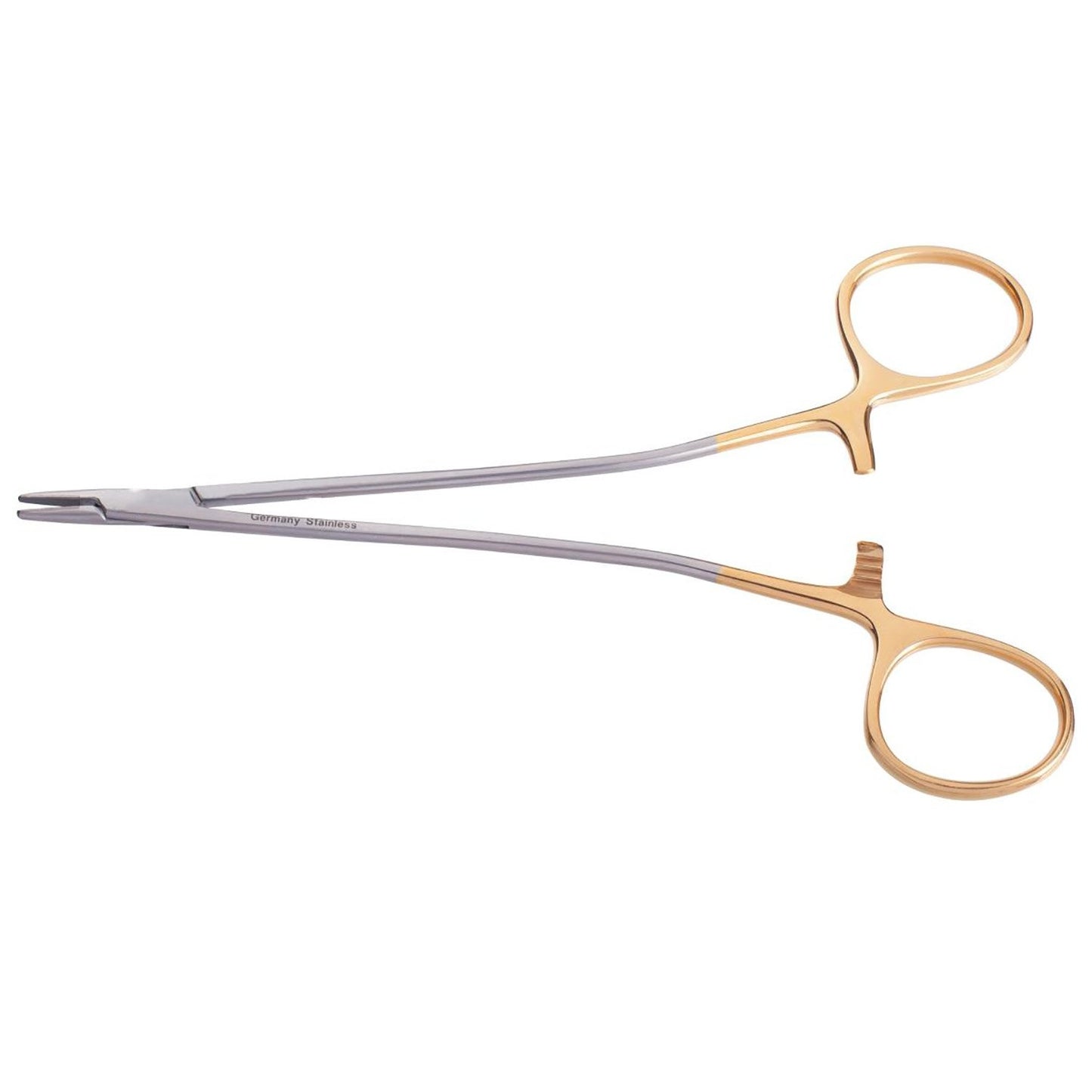
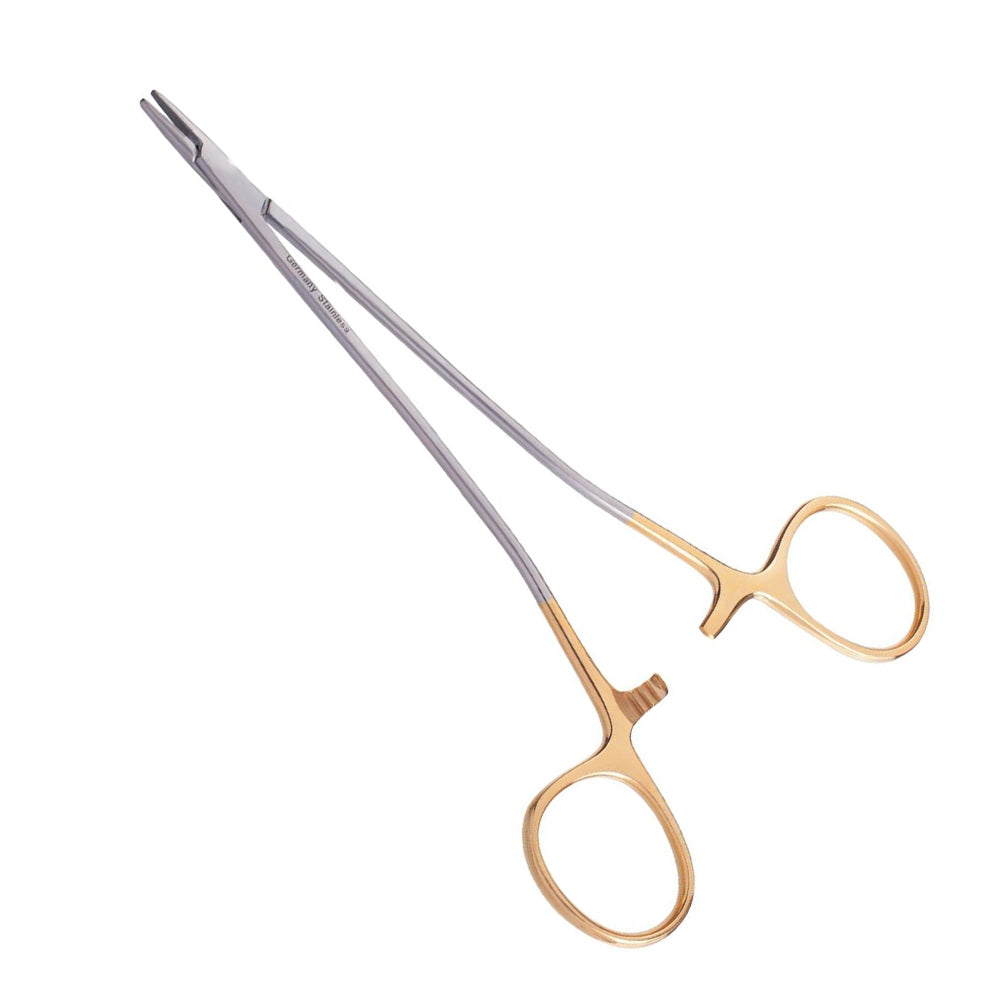
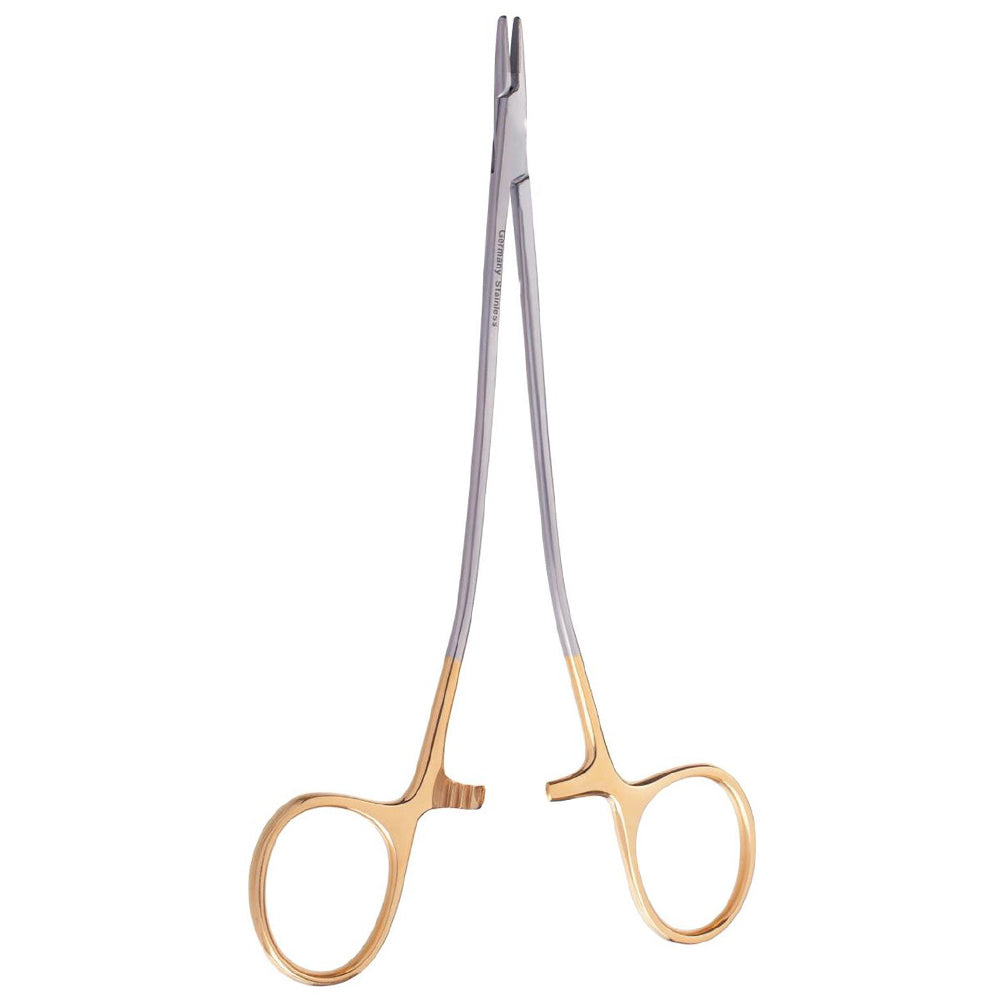
Cooley Microvascular Needle Holders, SKU PS-OT-0144, are reusable needle-holding forceps manufactured from German stainless steel for fine vascular suturing, microsurgical approximation, and controlled needle passage in confined operative fields. The available variants are PS-2944 serrated inserts with 3,600 teeth per square inch and 6 inch 15.2 cm length, PS-2945 smooth inserts with 6 3/4 inch 17.1 cm length, PS-2946 serrated inserts with 3,600 teeth per square inch and 6 3/4 inch 17.1 cm length, PS-2947 smooth inserts with 8 inch 20.3 cm length, PS-2948 serrated inserts with 3,600 teeth per square inch and 8 inch 20.3 cm length, and PS-2943 smooth inserts with 6 inch 15.2 cm length. These needle holders are used in coronary bypass distal anastomosis, peripheral arterial repair, arteriovenous fistula creation, carotid patch suturing, microvascular free flap pedicle anastomosis, digital artery repair, ophthalmic microsurgery, and veterinary vascular reconstruction. Cardiovascular, plastic, reconstructive, ophthalmic, hand, and veterinary surgeons use this pattern in hospitals, microsurgery units, ambulatory surgery centers, teaching programs, and procurement-led surgical supply systems.
The Cooley pattern uses a straight shank frame with fine distal jaws that align the needle along a narrow working axis. Smooth insert variants reduce needle marking during delicate vascular suturing, while serrated insert variants with 3,600 teeth per square inch increase purchase when rotational security is required on fine needles. The short jaw profile concentrates grip near the needle contact point, limiting unnecessary movement during passage through arterial wall, venous wall, graft material, or thin soft tissue planes. The box-lock pivot maintains opposing arm alignment so the distal ends meet evenly through repeated opening and closing. Ring handles provide familiar forceps control for surgeons trained on ratcheted needle holders, while the lock between the handles stabilizes needle position during interrupted suturing, continuous anastomotic runs, and hand repositioning. The gold-tone handle area allows tray identification and separates the instrument visually from plain stainless patterns. The straight geometry supports predictable approach during vascular, reconstructive, ophthalmic, and veterinary microsurgical work.
During coronary artery bypass grafting, Cooley Microvascular Needle Holders can be used for distal anastomotic suturing where needle angle, graft orientation, and bite depth must remain controlled. In peripheral arterial repair, the fine jaw profile supports needle passage through femoral, popliteal, radial, or tibial vessel walls without bulky instrument interference. For arteriovenous fistula creation, the holder stabilizes small needles while the surgeon places precise bites along artery and vein edges. In carotid endarterectomy patch closure, a longer variant can provide hand clearance while maintaining controlled suture placement along the arteriotomy. Plastic and reconstructive surgeons use the instrument during free flap pedicle anastomosis, digital revascularization, and small vessel repair where fine needles require a balanced grip. Ophthalmic teams may select shorter models for periocular or adnexal microsurgery when the working field is close to the surgeon’s hand. Veterinary surgeons can use the same pattern for small vessel repair, delicate tendon sheath closure, and microsurgical training procedures in specialized animal surgery settings.
PS-2943 and PS-2944 are 6 inch 15.2 cm options selected for shallow fields, pediatric-adjacent exposure, hand surgery, ophthalmic work, and microsurgical training where short reach improves tactile control. PS-2943 uses smooth inserts for fine needles where reduced jaw marking is preferred, while PS-2944 uses 3,600 teeth per square inch serrations for added grip. PS-2945 and PS-2946 are 6 3/4 inch 17.1 cm models suited to vascular and reconstructive trays that require moderate reach without excessive handle distance. PS-2945 supports smooth needle control during delicate suturing, while PS-2946 provides a firmer hold during repeated needle rotation in anastomotic work. PS-2947 and PS-2948 are 8 inch 20.3 cm variants selected for deeper thoracic, peripheral vascular, and reconstructive fields. PS-2947 is appropriate when smooth insert contact is desired, while PS-2948 provides serrated engagement for stronger purchase during fine wire-like suture needle handling.
German stainless steel provides the structural rigidity, corrosion resistance, and dimensional stability required for reusable microvascular needle holders. The material supports repeated instrument cycles while maintaining alignment at the box lock, jaw insert interface, shanks, ratchet teeth, and ring handles. A satin working surface reduces glare under operating microscopes, loupes, and overhead surgical lighting, helping the scrub team inspect distal jaws and moving joints after cleaning. These instruments are compatible with standard central sterile processing, including point-of-use preparation, manual brushing of jaw inserts and the lock, ultrasonic cleaning where used, washer-disinfector processing, drying, inspection, packaging, and steam autoclave sterilization. Smooth insert models require inspection for contact surface wear, while serrated versions require focused cleaning between the fine tooth pattern. CE marking and ISO 13485 alignment support regulated purchasing documentation for hospitals, clinics, distributors, and international procurement teams. FDA-compliant procurement support helps buyers serving United States healthcare channels maintain reusable surgical instrument records for cardiovascular, reconstructive, ophthalmic, and veterinary programs.
| SKU | PS-OT-0144 |
|---|---|
| Product Name | Cooley Microvascular Needle Holders |
| Price | $7.70 |
| Size/Gauge Variants | PS-2944 serrated inserts, 3,600 teeth per square inch, 6 inch 15.2 cm; PS-2945 smooth inserts, 6 3/4 inch 17.1 cm; PS-2946 serrated inserts, 3,600 teeth per square inch, 6 3/4 inch 17.1 cm; PS-2947 smooth inserts, 8 inch 20.3 cm; PS-2948 serrated inserts, 3,600 teeth per square inch, 8 inch 20.3 cm; PS-2943 smooth inserts, 6 inch 15.2 cm |
| Instrument Category | Microvascular needle holder |
| Procedure | Coronary bypass distal anastomosis, peripheral arterial repair, arteriovenous fistula creation, carotid patch suturing, free flap pedicle anastomosis, digital artery repair, ophthalmic microsurgery, veterinary vascular reconstruction |
| Material | German stainless steel |
| Finish | Satin steel with gold-tone ring handle finish |
| Sterilization | Reusable and autoclavable after cleaning, drying, inspection, and sterile packaging |
| Instrument Classification | Reusable non-powered surgical needle holder |
| Reusable | Yes |
| Certifications | CE & ISO 13485 with FDA-compliant procurement support |
| Warranty | 30-day money-back support |
| MOQ | 1 unit |
| OEM / Custom Orders | Available for distributor, hospital, clinic, and institutional purchasing programs |
| After-Sale Service | Order support, dispatch tracking, replacement assistance, and procurement documentation support |
How do Cooley Microvascular Needle Holders differ from Castroviejo Needle Holders?
Cooley Microvascular Needle Holders use ring handles and a ratchet lock, while many Castroviejo Needle Holders use a spring-handle mechanism. The Cooley pattern gives a familiar hand position for surgeons who prefer ring-handle control during vascular suturing. Castroviejo designs are often selected for very fine ophthalmic or microsurgical work where spring action is preferred. Cooley Microvascular Needle Holders provide staged locking control during interrupted suturing and longer anastomotic runs. The smooth and serrated insert options also allow the buyer to match jaw contact to needle grip requirements. This makes the Cooley pattern practical for cardiovascular, reconstructive, hand, and veterinary microsurgery trays.
Which size and insert option should be selected for microvascular procedures?
Cooley Microvascular Needle Holders in 15.2 cm length are selected for shallow fields, periocular work, hand surgery, and fine superficial vessel repair. The 17.1 cm variants provide moderate reach for peripheral arterial repair, free flap pedicle work, and arteriovenous fistula suturing. The 20.3 cm models give additional hand clearance during deeper thoracic, vascular, or reconstructive procedures. Smooth inserts are preferred when the surgeon wants controlled needle holding with less surface marking. Serrated inserts with 3,600 teeth per square inch are selected when stronger needle purchase is required during repeated rotation. Cooley Microvascular Needle Holders should be matched to vessel depth, needle size, field access, and the surgeon’s preferred locking response.
What do CE, ISO 13485, and FDA-compliant procurement mean for this product?
Cooley Microvascular Needle Holders are supplied for healthcare purchasing workflows that require traceable instrument documentation. CE marking supports regulated distribution where European conformity documentation is required. ISO 13485 alignment indicates that the manufacturing quality system follows a recognized medical device framework. FDA-compliant procurement support helps buyers serving United States healthcare channels maintain records for reusable surgical instruments. Hospitals can use these references during vendor onboarding, internal product review, and recurring supply approval. Distributors can include this product in cardiovascular, plastic surgery, ophthalmic, microsurgery, and veterinary procurement programs.
How is the ratchet and box-lock mechanism used during suturing?
The ratchet on Cooley Microvascular Needle Holders provides staged closure between the ring handles. After the needle is positioned in the jaw inserts, the surgeon closes the handles until the required grip is achieved. The lock maintains needle orientation while the operator passes the needle through vessel wall, graft material, or delicate soft tissue. The box-lock pivot keeps the arms aligned so the distal jaws meet consistently during repeated loading and release. During fine vascular suturing, this alignment helps maintain predictable needle angle through each pass. The ratchet is disengaged before repositioning the needle for the next bite or before returning the instrument to the scrub team.
How should hospitals, clinics, and distributors manage sterilization and supply planning?
Cooley Microvascular Needle Holders are reusable instruments suited for standard central sterile processing workflows. After surgery, the jaw inserts, box lock, ratchet teeth, shanks, and ring handles require prompt cleaning preparation. Serrated insert variants require careful brushing because the fine tooth pattern can retain debris after vascular and microsurgical use. The instruments can then be processed through validated cleaning, drying, inspection, packaging, and steam autoclave cycles. Hospitals can stock smooth and serrated variants across cardiovascular, reconstructive, ophthalmic, and veterinary trays. Clinics and distributors can order single replacement units or include selected sizes in custom microsurgical sets.