
Featured Collection
Your cart
Featured Collection

PEAK SURGICAL
SKU:PS-9411
Couldn't load pickup availability


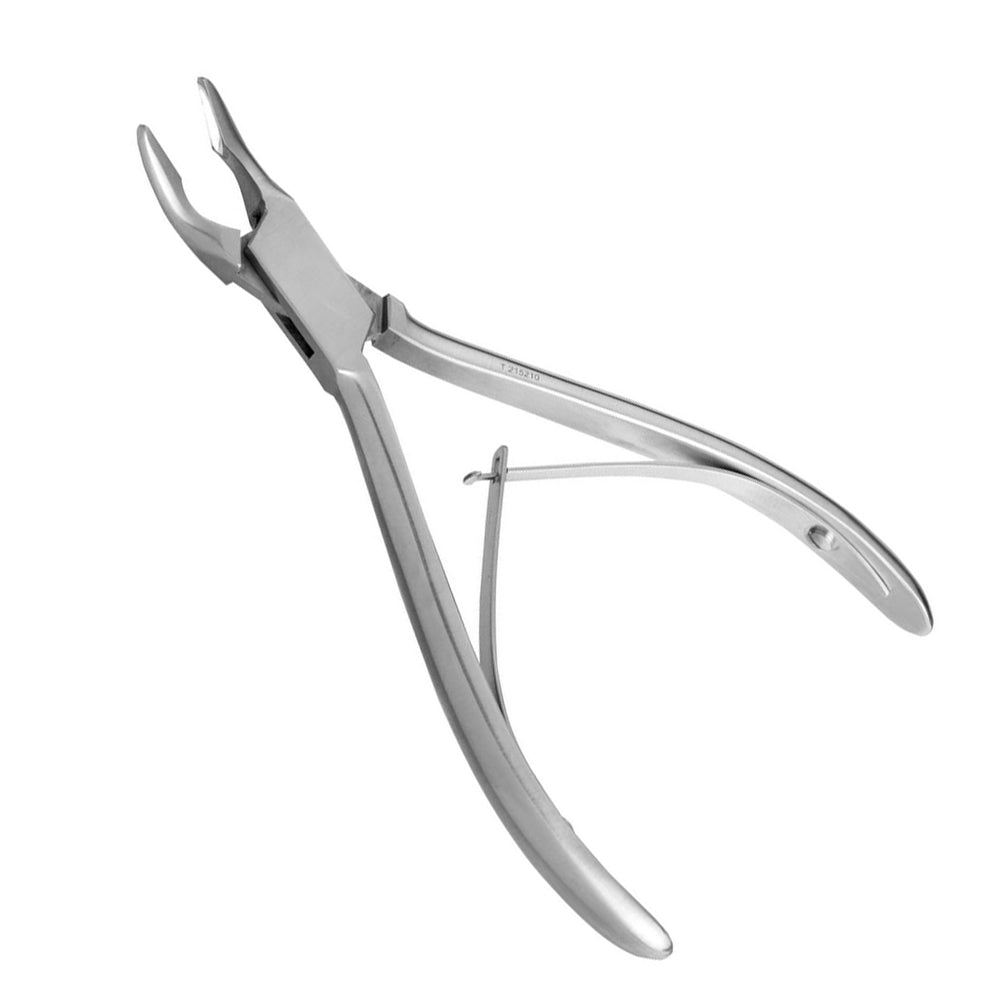
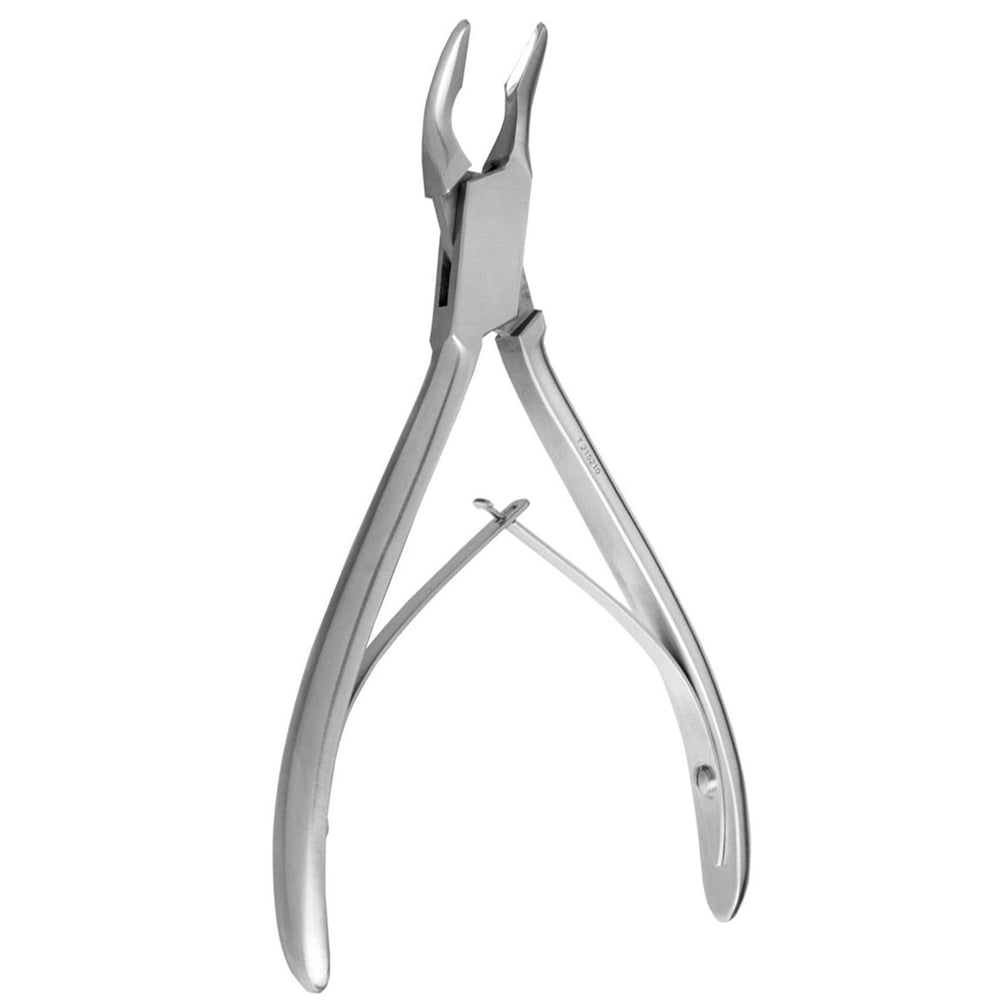
Cicherelli Rongeur Forceps Instruments, SKU PS-9411, Model PS-9411, is a 360mm orthopedic rongeur forceps manufactured from German stainless steel for bone nibbling, cortical edge trimming, and controlled removal of small osseous fragments during open surgical procedures. The listed size variant is 360mm, giving extended reach for operating room workflows where the surgeon requires hand clearance away from the bone surface while maintaining jaw control at the operative site. The instrument has opposing cupped cutting jaws, an angled working head, pivoted jaw action, curved spring handles, and a central spring-control mechanism that reopens the handles after each bite. It is used in orthopedic bone contouring, exostectomy, fracture exposure, osteophyte removal, cancellous bone trimming, hand and foot surgery, podiatric bone procedures, and operating room bone debridement where incremental removal is required. This rongeur supports orthopedic surgeons, podiatric surgeons, maxillofacial surgeons, trauma teams, hospital operating rooms, surgical centers, and procurement teams maintaining reusable bone instrument trays.
The instrument works through a pivoted rongeur mechanism that converts handle compression into a controlled cutting bite at the opposing cupped jaws. The jaw tips are shaped to capture a small segment of cortical or cancellous bone, then shear it away as the surgeon closes the handles. The angled working head improves access to raised bone edges, exostotic projections, osteophytes, and irregular margins without forcing the wrist into a straight-line approach. The curved handles distribute pressure across the palm and fingers during repeated bite cycles. A spring between the handles reopens the instrument after each compression, allowing the surgeon to reposition the jaw without manually separating the arms. The central spring-control and pivot maintain jaw return and alignment during serial bone nibbling. The 360mm length creates working distance between the operator’s hand and the cutting site, which is useful in deep operative fields. The design is intended for incremental bone removal rather than broad osteotomy cuts or plate bending.
In operative workflow, Cicherelli Rongeur Forceps Instruments is introduced after exposure, soft tissue protection, and identification of the bone margin requiring trimming. During fracture management, the rongeur can remove small loose fragments and refine sharp cortical edges after reduction planning. In exostectomy, the surgeon uses the cupped jaws to take controlled bites from a bony prominence before final contouring with a rasp or file. During osteophyte removal, the working head is placed at the projecting margin and closed in repeated increments until the surface profile is reduced. In hand and foot surgery, the instrument supports local bone contouring where access is narrow and the surgeon needs controlled removal without using a powered burr. In maxillofacial or podiatric cases, it can assist removal of accessible osseous spurs after adequate exposure. The instrument fits operating room trays that also include osteotomes, elevators, bone files, curettes, periosteal elevators, retractors, suction, and irrigation instruments for complete bone preparation workflow.
The 360mm size is selected when the procedure requires extended reach, hand clearance, and controlled jaw placement in an open operative field. This length is useful during orthopedic exposure, trauma surgery, lower limb bone contouring, deep soft tissue approaches, and procedures where the surgeon needs distance from retractors, suction, and adjacent instrumentation. The cupped jaws provide the active biting surface, capturing small bone fragments before cutting. The angled head improves approach to cortical ledges, posterior margins, and irregular surfaces that are difficult to engage with a straight rongeur. The pivot controls jaw movement and keeps the cutting edges aligned during closure. The spring handle provides automatic reopening after each bite, supporting rapid repositioning during sequential nibbling. The curved handles transmit controlled hand force while reducing unnecessary wrist movement. In surgical tray planning, this rongeur occupies the bone-nibbling role beside Kerrison rongeurs, Leksell rongeurs, bone cutters, gouges, curettes, raspatories, and bone files.
German stainless steel provides the strength required for repeated jaw closure, bone contact, and operating room reprocessing. The material supports reusable instrument workflows where rongeurs are cleaned, inspected, packaged, and steam sterilized between procedures. Satin, dull, and mirror finish options support different operating room preferences; reduced-glare finishes improve visibility under surgical lights, while mirror surfaces assist visual inspection after cleaning. Reprocessing focuses on the cupped jaws, cutting edges, pivot line, spring mechanism, handle curves, and screw-control surfaces because bone dust, tissue, and fluid can collect in these areas during use. The Class I classification reflects a reusable manual surgical instrument with mechanical cutting action. CE marking and ISO 13485 documentation support regulated purchasing records for hospitals, surgical centers, and distributors. FDA compliance information supports procurement files for healthcare markets requiring medical device documentation. The one-year warranty, MOQ of one piece, OEM availability, carton box packing, rust-free listing, and return or replacement support fit operating room replenishment and distributor inventory workflows.
| SKU | PS-9411 |
|---|---|
| Product Name | Cicherelli Rongeur Forceps Instruments |
| Price | $19.80 |
| Size/Gauge Variants | 360mm |
| Instrument Category | Orthopedic Rongeur Forceps |
| Procedure | Bone nibbling, cortical edge trimming, exostectomy, osteophyte removal, fracture exposure, cancellous bone contouring, operating room bone debridement |
| Material | German Stainless Steel |
| Finish | Satin, dull, mirror |
| Sterilization | Reusable and autoclavable after cleaning, drying, inspection, and packaging |
| Instrument Classification | Class I |
| Reusable | Yes |
| Certifications | CE, ISO 13485, FDA |
| Warranty | 1 year |
| MOQ | 1 piece |
| OEM / Custom Orders | Available |
| After-Sale Service | Return and replacement support |
How does Cicherelli Rongeur Forceps Instruments differ from a Kerrison rongeur?
Cicherelli Rongeur Forceps Instruments uses opposing cupped jaws for open-field bone nibbling and contouring. A Kerrison rongeur uses a shaft, footplate, and sliding punch action for lamina, ligamentum flavum, and spinal window enlargement. The Cicherelli pattern is handled like a forceps and is applied directly to exposed bony edges or fragments. The Kerrison pattern is selected when the surgeon needs a forward or angled punch bite inside a confined bony channel. This rongeur provides spring-handle reopening after each bite, while a Kerrison depends on its own punch return mechanism. Cicherelli Rongeur Forceps Instruments is selected for accessible cortical trimming, exostectomy, osteophyte reduction, and general orthopedic bone contouring.
When is the 360mm size selected during orthopedic procedures?
The 360mm size is selected when extended reach and hand clearance are required in an open surgical field. In trauma procedures, the longer profile keeps the surgeon’s hand away from retractors while the jaws trim sharp cortical edges. In exostectomy, the length supports access to bony prominences after soft tissue exposure. In osteophyte removal, Cicherelli Rongeur Forceps Instruments provides controlled bite placement while maintaining working distance from adjacent structures. In foot, hand, and limb surgery, the size supports sequential nibbling where a shorter rongeur would reduce line of approach. The 360mm pattern is chosen when reach, leverage, and controlled jaw positioning are required together.
How do CE, ISO 13485, and FDA documentation support procurement?
CE marking supports product conformity documentation for hospital purchasing and distributor review. ISO 13485 indicates that the manufacturing system follows medical device quality management and traceability requirements. FDA compliance information supports procurement records for regulated healthcare supply channels. Hospitals, surgical centers, and orthopedic instrument distributors use these documents during vendor approval, tender documentation, and tray standardization. Cicherelli Rongeur Forceps Instruments can be entered into purchasing systems with recognized compliance references. This documentation supports international healthcare buyers comparing reusable orthopedic rongeurs across multiple suppliers.
How is the spring handle and pivot mechanism used intraoperatively?
The pivot mechanism links the arms and transfers handle compression into jaw closure at the cutting end. During use, the surgeon places the cupped jaws over a small bony edge, fragment, spur, or irregular surface. As the handles close, the jaws cut and remove a controlled segment of bone. The spring handle reopens the instrument after each bite, allowing rapid repositioning for the next cut. This spring action reduces interruption during repeated nibbling and contouring movements. Cicherelli Rongeur Forceps Instruments depends on the pivot and spring mechanism for controlled bite cycles during bone removal.
What should operating room teams know about sterilization and ordering?
This instrument is reusable and suitable for standard surgical instrument reprocessing workflows. Cleaning focuses on the cupped jaws, cutting margins, pivot recesses, spring mechanism, screw-control area, and handle surfaces before sterilization. The jaws are opened, brushed, rinsed, dried, and inspected for alignment before packaging. Steam autoclave processing follows the facility’s approved cycle for reusable stainless steel surgical instruments. Clinics and hospitals can order one piece because the MOQ is one piece. Cicherelli Rongeur Forceps Instruments is supplied with OEM availability, one-year warranty coverage, and return or replacement after-sale support.


