
Featured Collection
Your cart
Featured Collection

PEAK SURGICAL
SKU:PS-6700A-1
Couldn't load pickup availability
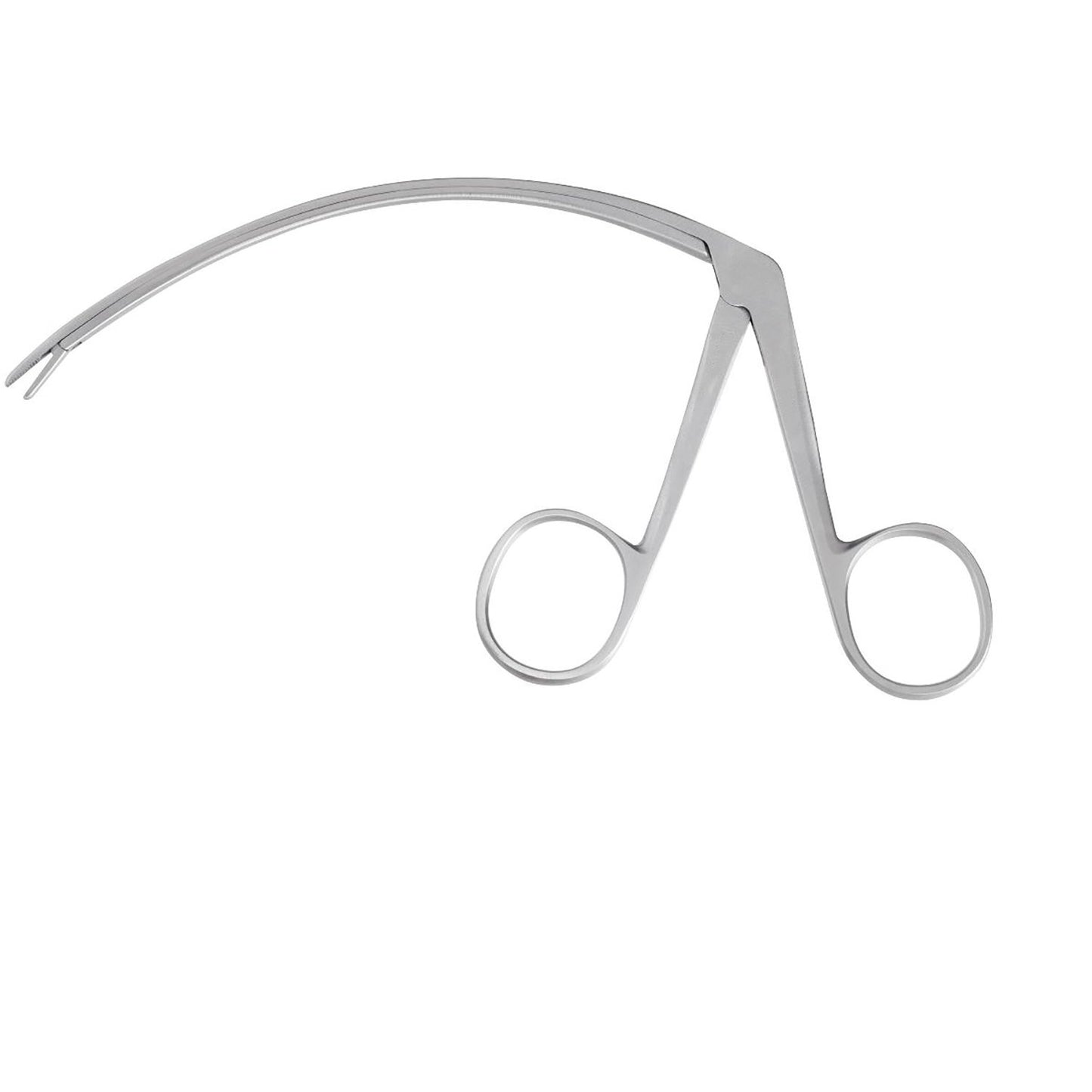
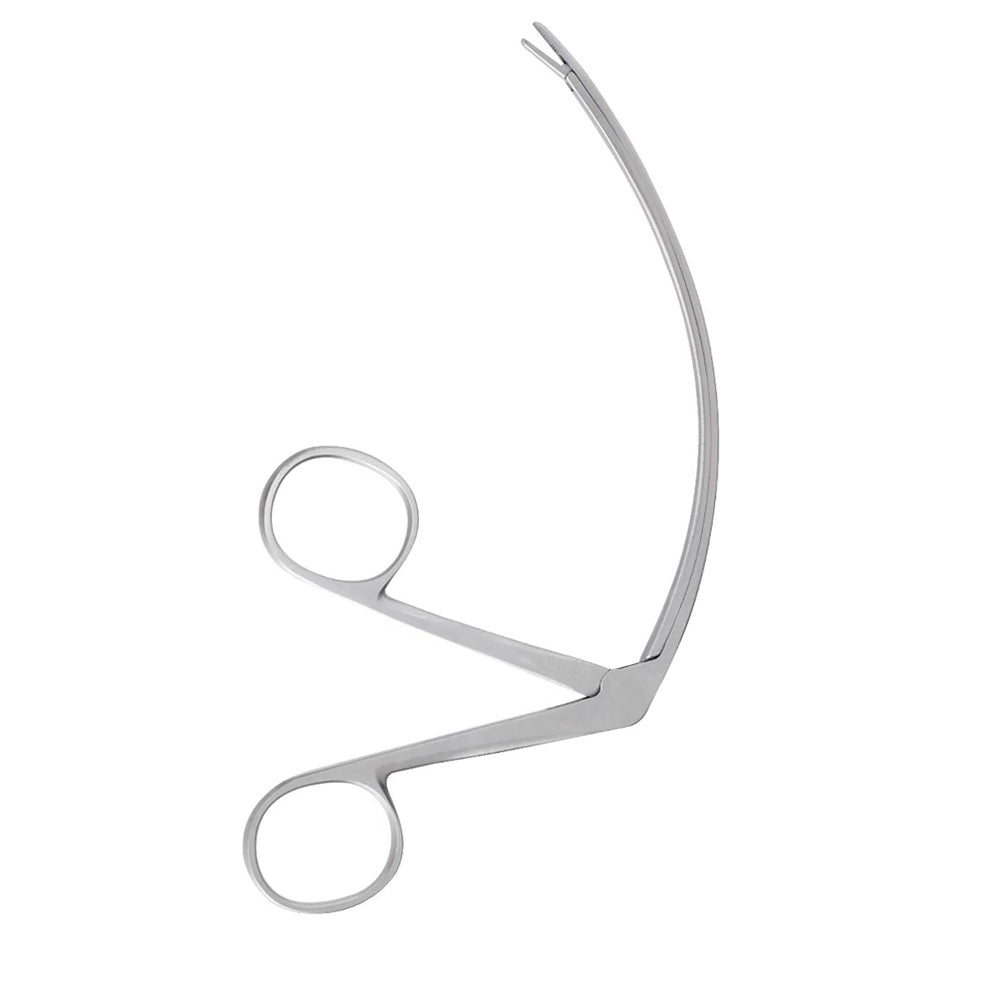
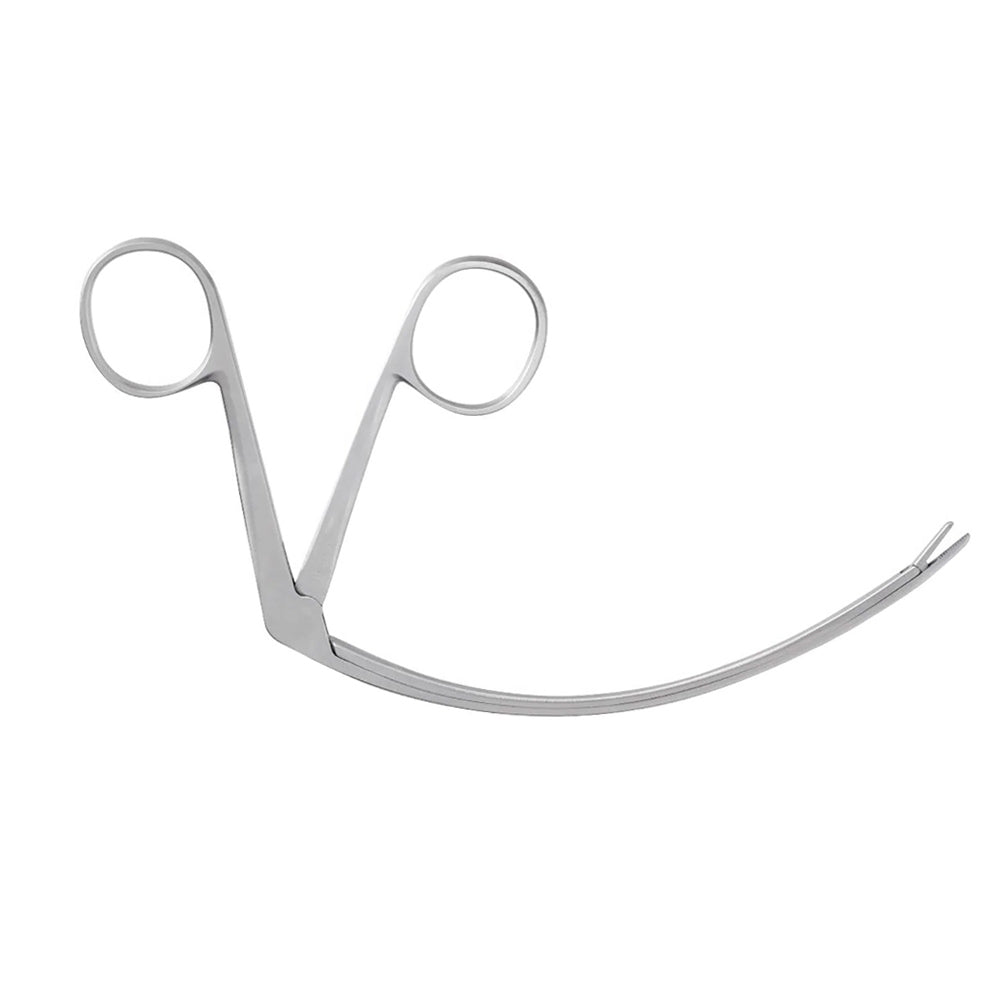
Caroll Tendon Pulling Forceps, SKU PS-6700A-1, is an orthopedic tendon pulling forceps made from German stainless steel for controlled retrieval, grasping, and directional passage of tendons during hand, foot, ankle, and reconstructive orthopedic surgery. The available variants are angled jaw smooth curved shaft and angled large jaw serrated reverse shank. The long curved profile follows confined operative corridors while the angled distal jaw reaches beneath soft tissue planes, tendon sheaths, pulley regions, and graft tunnels without forcing excessive hand elevation outside the wound. The smooth jaw pattern is used when delicate tendon handling is required during flexor tendon repair, extensor tendon reconstruction, tendon transfer, graft passage, tenolysis, and staged reconstruction. The serrated large jaw pattern gives stronger purchase during traction on thicker tendon ends, scarred graft material, or larger reconstructive transfers. Hand surgeons, orthopedic trauma surgeons, podiatric surgeons, plastic reconstructive teams, hospital operating rooms, ambulatory surgery centers, and specialty clinics use this instrument when curved access and secure tendon control are required.
The instrument works through a ring-handle and pivot mechanism that translates controlled finger compression into distal jaw closure. The curved shaft is shaped to follow the arc of operative tunnels rather than entering as a rigid straight line, allowing the tip to approach a tendon end while the surgeon’s hand remains outside the restricted field. The angled jaw improves access beneath skin flaps, pulley margins, retinacular tissue, tendon sheaths, and graft passages. In the smooth pattern, the inner surface contacts the tendon without aggressive tooth penetration, making it suitable for atraumatic traction during repair preparation. In the serrated large jaw pattern, transverse surface grip increases holding strength when thicker or scarred tissue requires firmer capture. The pivoted handle allows gradual closure, tactile feedback, and controlled release after the tendon has been advanced through the intended path. This mechanism supports steady pulling force while reducing uncontrolled twisting at the repair site, graft tunnel, or distal insertion zone.
Caroll Tendon Pulling Forceps are used during flexor tendon repair when a retracted tendon end must be retrieved from the sheath and delivered into the repair field. In extensor tendon reconstruction, the curved shaft assists with controlled passage beneath dorsal soft tissue and retinacular planes. During tendon transfer procedures, including hand intrinsic reconstruction, foot drop correction stages, and ankle tendon balancing, the angled jaw helps guide tendon or graft material through a prepared subcutaneous tunnel. In staged tendon reconstruction, the instrument can pull graft material through a previously developed channel after sheath preparation and exposure. During tenolysis, it provides controlled traction after adhesions are released, allowing the surgeon to assess excursion without relying on broad clamps. The smooth jaw pattern is selected near delicate tendon surfaces or suture zones, while the serrated large jaw is used when higher traction is needed away from the repair interface. The design supports orthopedic, podiatric, and reconstructive workflows that require traction, directional control, and narrow access.
The angled jaw smooth curved shaft variant is selected when the surgeon needs controlled tendon capture with reduced surface indentation. It is suited for flexor tendon ends inside the digital sheath, extensor tendon slips, pediatric hand repair, graft advancement near suture placement, and atraumatic retrieval during tenolysis. The curved shaft helps the distal tip follow the wound channel while preserving the surgeon’s line of pull. The angled large jaw serrated reverse shank variant is selected for larger tendon transfers, thicker graft material, scarred revision tissue, and situations requiring stronger traction through a prepared tunnel. Serrations improve purchase when the instrument must hold under directional load before fixation, suturing, or routing around bony and soft tissue landmarks. The reverse shank geometry changes the approach angle, giving the operator a different hand position when working across deeper or offset corridors. Keeping both variants in a reconstruction tray allows selection based on tendon caliber, tissue condition, tunnel depth, and traction requirement.
German stainless steel construction gives the instrument strength, corrosion resistance, and dimensional stability for repeated orthopedic use. The satin finish reduces glare under operating room lighting while allowing inspection of the shaft, pivot, handle rings, and distal jaw after cleaning. Reusable construction supports hospital tray management, instrument set standardization, and repeated sterilization cycles when processed under validated facility protocols. After use, the jaw surfaces, pivot zone, shaft curve, and handle junctions require thorough cleaning before decontamination and steam autoclave processing. CE marking supports European medical device procurement documentation, while ISO 13485 alignment reflects manufacturing under a medical device quality management system. FDA-compliant procurement language supports distributor and hospital purchasing review for regulated healthcare channels. The instrument is appropriate for central sterile departments, orthopedic operating rooms, hand surgery units, and distributor supply programs requiring traceable reusable surgical instruments. MOQ 1 piece, OEM order support, 1-year warranty, and return or replacement service provide practical procurement terms for replacement, stocking, and tray expansion.
| SKU | PS-6700A-1 |
|---|---|
| Product Name | Caroll Tendon Pulling Forceps |
| Price | $77.00 |
| Size/Gauge Variants | Angled jaw smooth curved shaft; angled large jaw serrated reverse shank |
| Instrument Category | Orthopedic tendon pulling forceps |
| Procedure | Flexor tendon repair, extensor tendon reconstruction, tendon transfer, graft passage, tenolysis, hand and foot reconstruction |
| Material | German stainless steel |
| Finish | Satin finish |
| Sterilization | Reusable instrument for cleaning, decontamination, and steam autoclave processing |
| Instrument Classification | Class I reusable manual surgical instrument |
| Reusable | Yes |
| Certifications | CE, ISO 13485, FDA |
| Warranty | 1 year |
| MOQ | 1 piece |
| OEM / Custom Orders | Available for eligible procurement requirements |
| After-Sale Service | Return and replacement support |
How is this different from a Bunnell tendon passer?
Caroll Tendon Pulling Forceps are designed to grasp and pull tendon tissue with a pivoted jaw mechanism. A Bunnell tendon passer is primarily used to guide tendon, graft, or suture material through a prepared channel rather than clamp tissue under finger-controlled closure. The Caroll pattern has ring handles, an angled distal jaw, and a curved shaft for traction after the tendon has been reached. The smooth jaw version provides controlled holding near delicate repair zones. The serrated large jaw version gives stronger purchase for thicker grafts or revision tissue. Caroll Tendon Pulling Forceps are selected when the surgeon needs active capture, directional traction, and controlled release within a narrow orthopedic corridor.
Which jaw variant should be selected for tendon work?
The angled jaw smooth curved shaft variant is selected when the tendon surface needs controlled handling with reduced crushing at the repair site. It is appropriate for flexor tendon ends inside the digital sheath, extensor slips, pediatric cases, and graft passage close to a suture zone. The angled large jaw serrated reverse shank variant is selected when thicker tendon, scarred tissue, or larger graft material requires a stronger grip. Serrations increase purchase during tendon transfer and reconstruction steps that involve higher traction. The reverse shank angle changes hand positioning during deeper or offset access. Caroll Tendon Pulling Forceps give the surgeon two working options for delicate retrieval and stronger reconstructive pulling.
What does CE, ISO 13485, and FDA context mean for procurement?
Caroll Tendon Pulling Forceps are supplied with CE, ISO 13485, and FDA procurement context for regulated surgical instrument purchasing. CE marking supports documentation requirements for European healthcare supply chains. ISO 13485 alignment reflects production under a medical device quality management system. FDA-compliant procurement language assists hospitals, clinics, and distributors serving United States healthcare channels. These references support purchasing review, vendor documentation, and reusable instrument stocking. The product remains a manual Class I orthopedic instrument used for surgical tendon handling, traction, and passage.
How does the pivot mechanism control intraoperative traction?
The ring handles close around a pivot that transfers the surgeon’s finger pressure to the angled distal jaw. This allows the operator to close gradually on tendon tissue, test purchase, and apply traction in line with the curved shaft. The smooth jaw pattern gives controlled contact when the tendon surface is delicate or close to the suture site. The serrated large jaw pattern increases grip when traction demand is higher. The pivot also allows immediate release once the tendon has been delivered through the prepared corridor. This control feature helps maintain a stable pull during tendon transfer, graft passage, tenolysis, and reconstruction.
How should hospitals and surgical supply teams manage sterilization?
Caroll Tendon Pulling Forceps should be cleaned immediately after use, with attention to the jaw, pivot, shaft curve, and handle junctions. Central sterile teams should open and close the mechanism during cleaning so retained soil is removed from moving surfaces. After decontamination and inspection, the instrument can be packaged for steam autoclave sterilization under the facility’s validated protocol. The satin stainless surface supports repeated processing and inspection before tray return. Hospitals can stock both jaw variants for hand surgery, foot surgery, and orthopedic reconstruction trays. MOQ 1 piece supports single-instrument replacement without forcing a full tray purchase.


