
Featured Collection
Your cart
Featured Collection

PEAK SURGICAL
SKU:
Couldn't load pickup availability
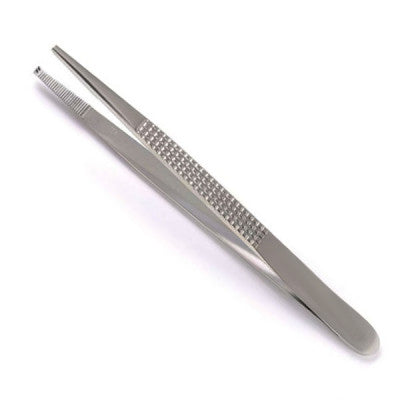
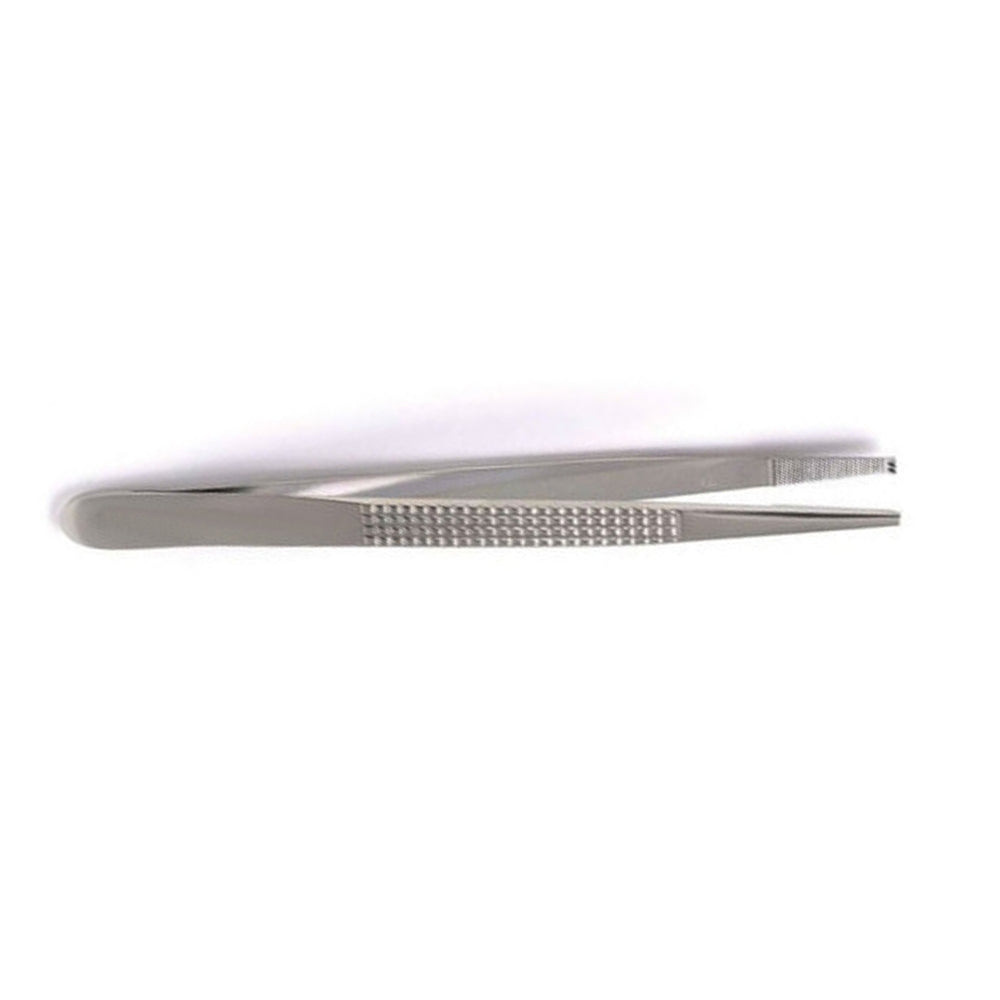
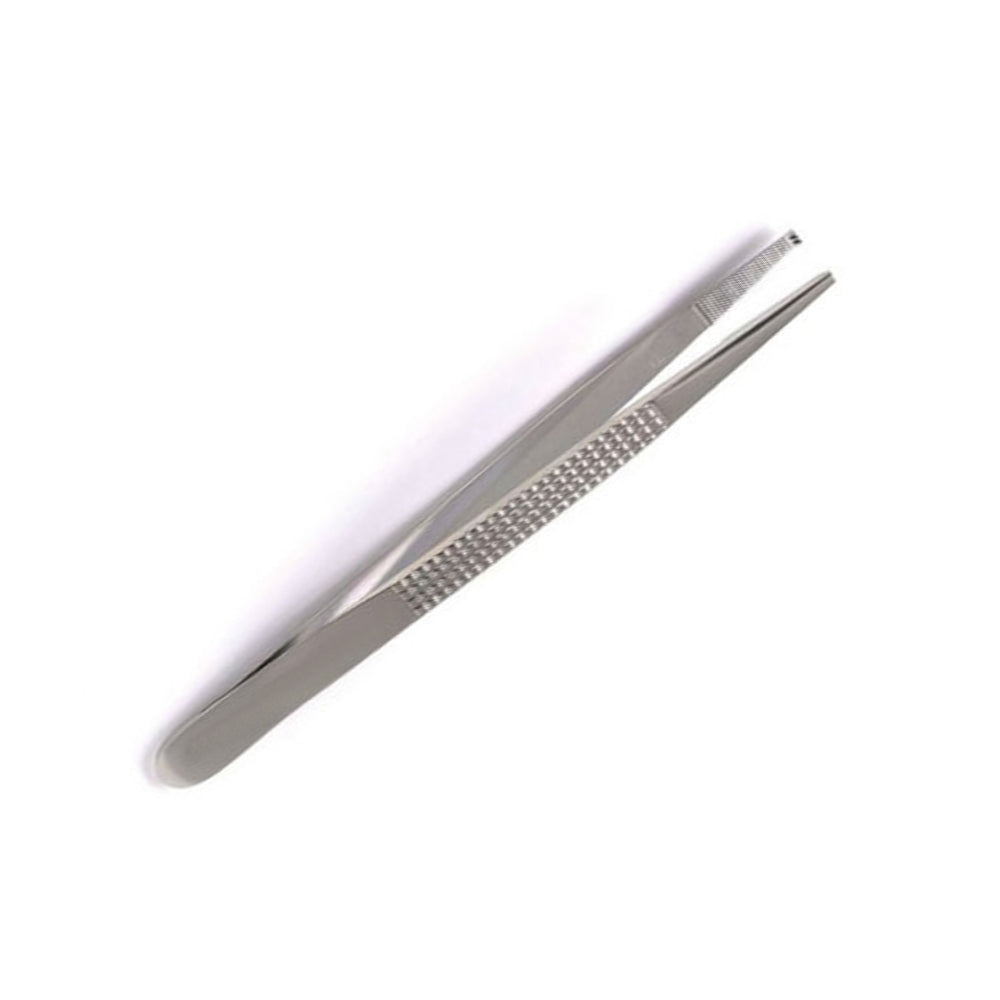
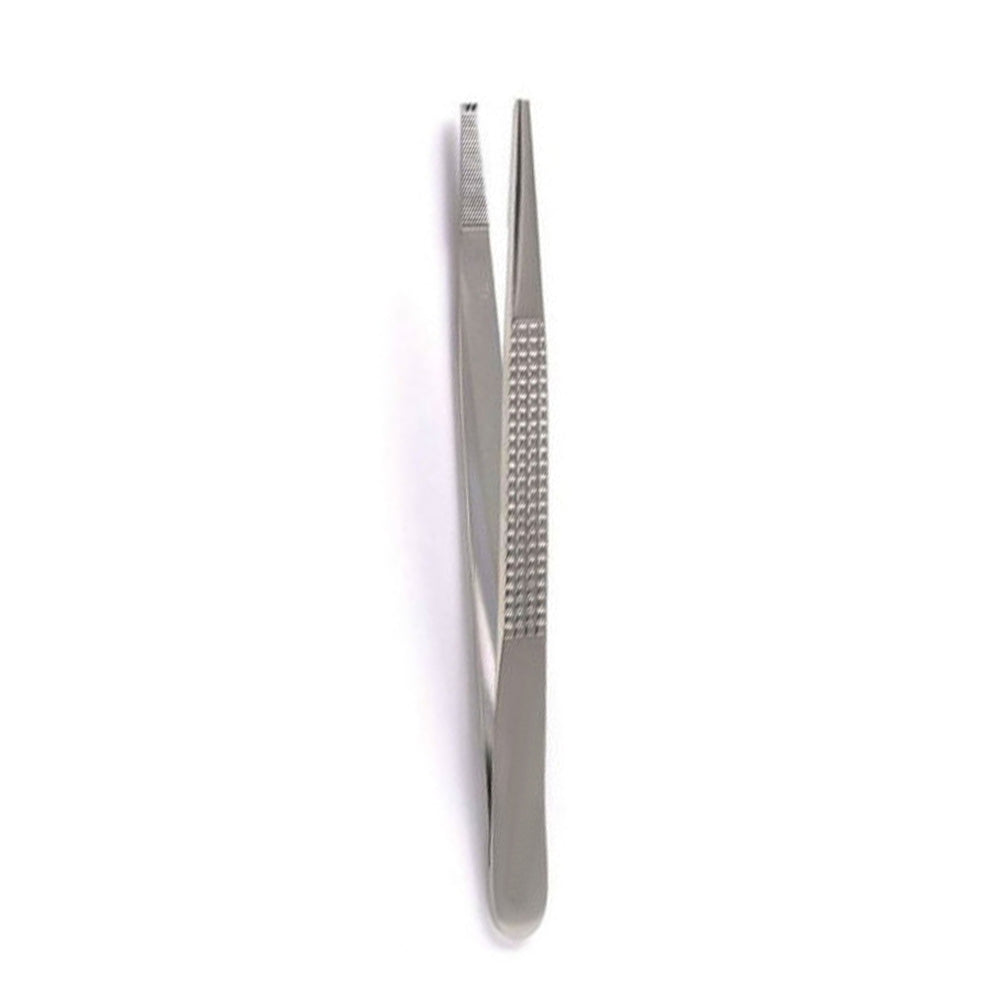
The professional clinical solution for the definitive handling of heavy, rigid tissues and fibrous structures. Bonney Tissue Forceps are heavy-duty surgical instruments engineered to solve the problem of managing dense materials—such as fascia, tendons, or heavy muscle—where standard forceps would flex or lose grip. Characterized by their robust, wide-profile handles and aggressive serrated tips, these forceps act as a mechanical necessity for surgeons who require maximum leverage and "zero-slip" security. Its design is specifically optimized to provide the high-torque control needed during orthopedic, gynecological, and general trauma surgeries, ensuring that rigid structures are managed with mathematical stability.
The Bonney Tissue Forceps (7") represent the pinnacle of specialized surgical ergonomics and high-torque tissue management. In any professional environment—from orthopedic theaters to complex abdominal surgeries—the ability to definitively secure a tough fascial layer or a heavy ligament is a critical success factor. These forceps act as a high-durability mechanical extension of the surgeon’s strength, offering a level of reliability and "grip-authority" that delicate dressing forceps cannot provide.
At its core, the instrument is built for professional-grade longevity and high-load performance. The "Bonney" pattern is a global standard for heavy-tissue work because it accommodates a "power-grip" posture, allowing the clinician to maintain a steady, grounded purchase on structures that would be difficult to manage with more slender tools. Because the serrations are precision-calibrated, they offer a secure hold that is vital for procedures requiring significant retraction or the clearing of dense fibrotic tissue.
Built to exceed international standards for medical hardware, Bonney Forceps are fully reusable and intended for high-frequency professional use. Their robust construction and specialized "High-Stability" profile make them an indispensable asset for ensuring safe, organized, and high-precision results in demanding surgical environments.
Bonney Tissue Forceps 7":-
Bonney Tissue Forceps 7" are handheld surgical instruments specially designed for holding more rigid.
| Product Name | Bonney Tissue Forceps |
| Properties | Veterinary Surgical Instruments |
| Model Number | PS-VS-0028 |
| Type | Veterinary Surgical Instruments |
| Brand Name | Peak Surgicals |
| Instrument classification | Class I |
| Warranty | 1 YEAR |
| After-sale Service | Return and Replacement |
| Material | Medical Stainless Steel |
| Feature | Reusable |
| Certificate | CE, ISO-13485, FDA |
| Usage | Operating Room, etc |
| OEM | Available |
| Finish | Satin. Dull. MIRROR |
| Quality | Reusable |
| Packing | Carton Box, Others |
| Rust Free | Yes |
| MOQ | 1 Piece |
Feature Details
Tip Profile Heavy Serrations / 1x2 Teeth Options
Handle Style Broad Ribbed Thumb-Grip
Overall Length 7" (178mm)
Material Core Premium Surgical-Grade Stainless Steel
Maintenance Fully Autoclavable / Reusable
Standard CE/ISO Professional Grade
Primary Use Cases:
Q: When should I use Bonney forceps instead of Adson forceps?
A: Use Adson forceps for superficial skin or very delicate tissue. Use Bonney forceps for deep, heavy, or rigid tissues (like fascia or muscle) that require a much stronger, more stable grip.
Q: Are these available with teeth?
A: Yes. While the serrated version provides a high-friction grip, the 1x2 toothed version is often preferred for "locking" onto exceptionally slippery or dense structures like the fascia.
Q: Does the 7" length feel too heavy for precision work?
A: The Bonney is intentionally balanced for strength, not microsurgery. It is designed for procedures where stability and "grip-force" are prioritized over ultra-fine maneuverability.
Q: What is the best way to clean the heavy serrations?
A: Because these are used on dense, fibrous tissue, ensure a thorough manual pre-clean with a stiff-bristled nylon brush to remove all biological material from the deep serrations before autoclaving.
Q: Can these be used for orthopedic bone fragments?
A: While they are strong, they are designed for soft tissue. For bone fragments, specialized bone-holding forceps or rongeurs are typically more appropriate to avoid damaging the Bonney's serrations.
