
Featured Collection
Your cart
Featured Collection

PEAK SURGICAL
SKU:SS-5654
Couldn't load pickup availability
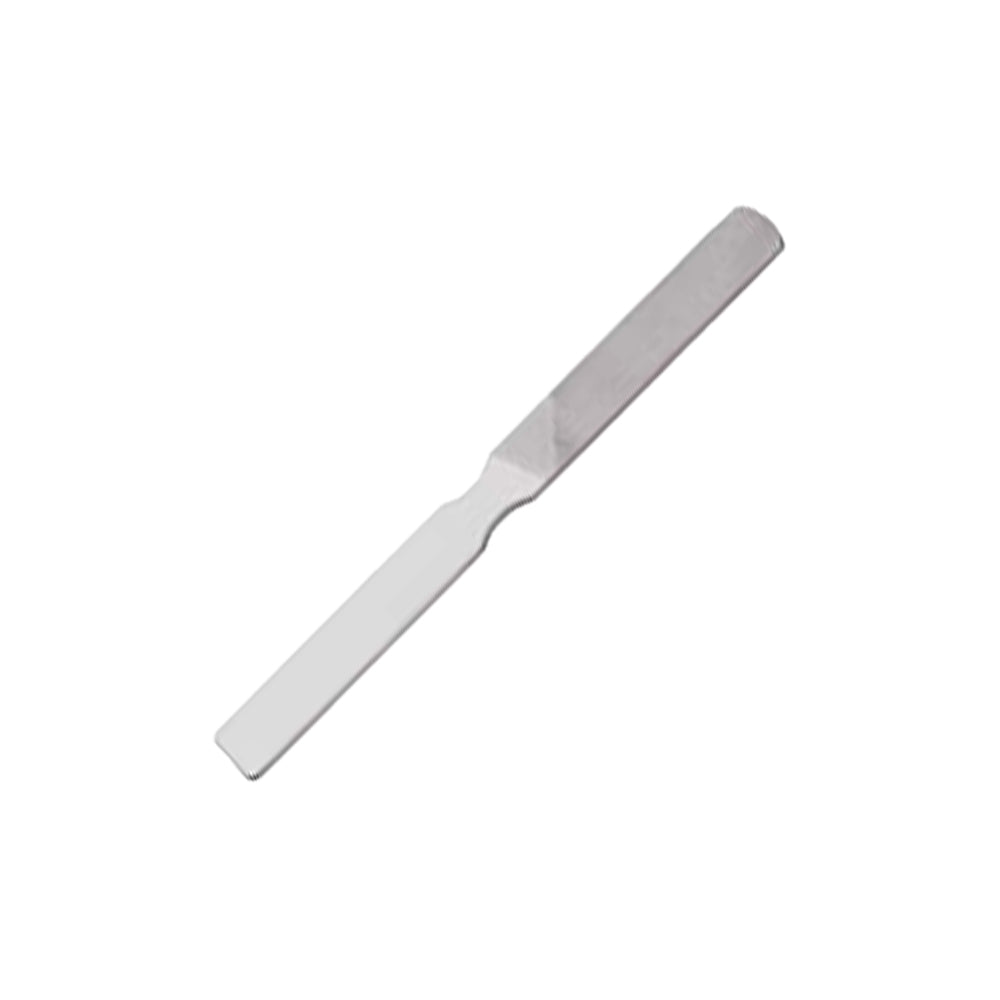
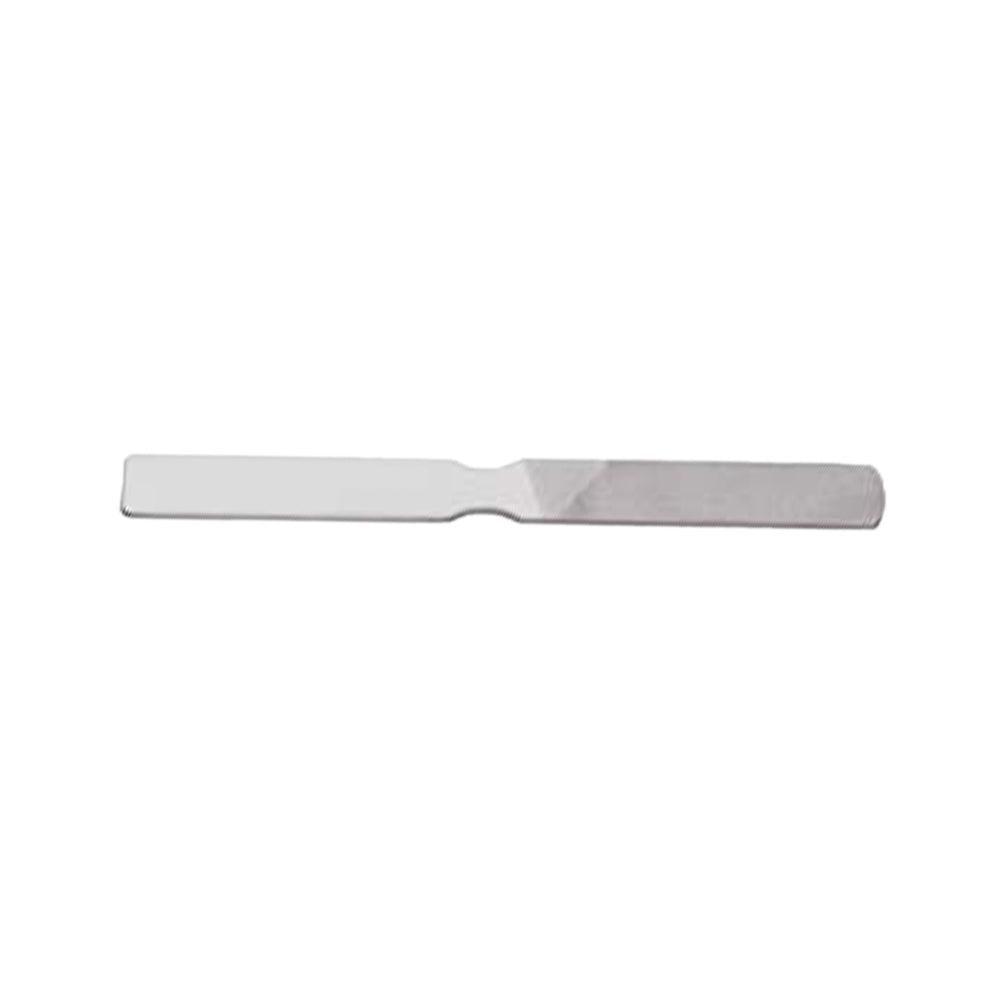
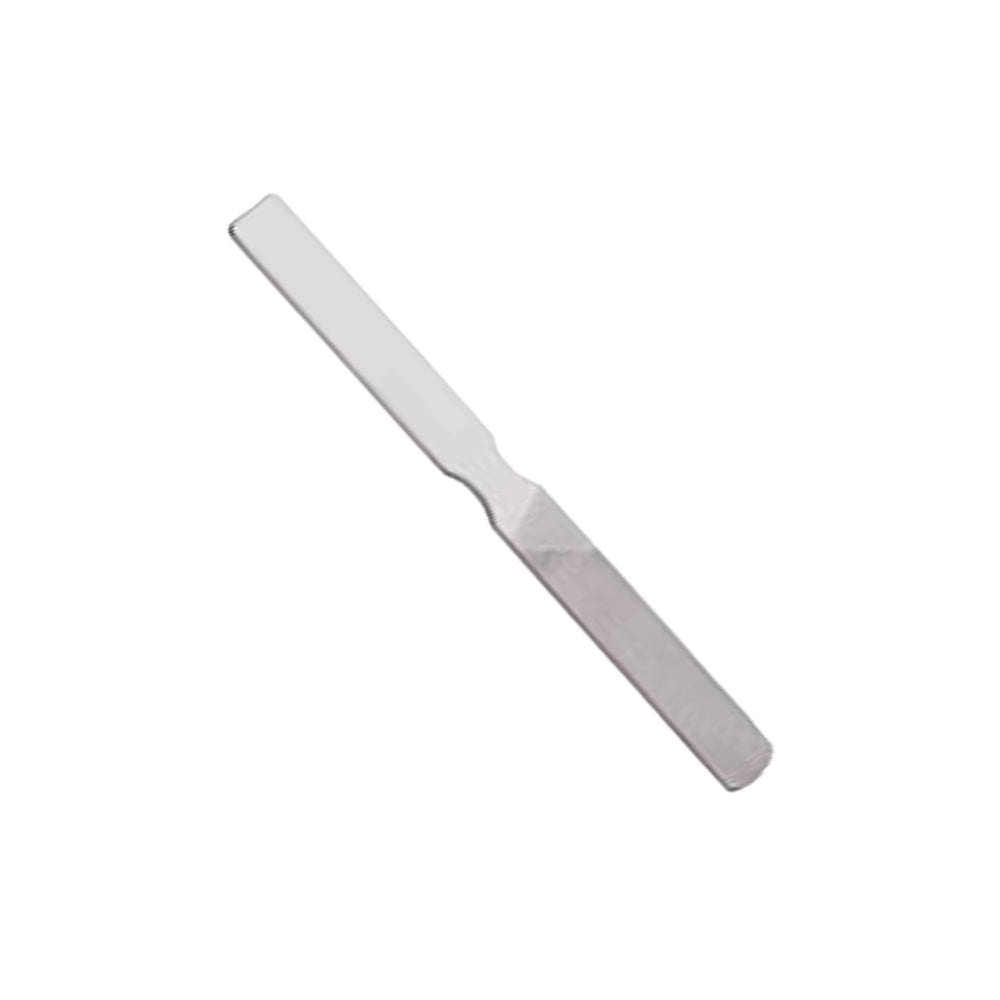
The essential dual-purpose instrument for high-uniformity bone planing, smoothing, and surface finishing. The Bone File and Rasp (22cm, 20mm Flat) is a high-utility orthopedic tool engineered to solve the requirement for versatile bone preparation—from aggressive callus debridement to fine surface polishing—within a single, streamlined device. Featuring a wide, 20mm flat rasping plane with dual-textured surfaces, this tool is a mechanical necessity for surgical teams performing trauma reconstructions, fracture site smoothing, or preparing for plate-and-screw hardware seating. Its balanced 22cm profile provides the reach necessary for deep-tissue bone work while allowing the surgeon to maintain the tactile feedback required for uniform, streak-free contouring across broad cortical surfaces.
The Bone File and Rasp (22cm Flat 20mm) represents the industry standard for versatile bone management in orthopedic trauma, reconstruction, and fracture care. In many procedures, the bone surface must be meticulously prepared to ensure that hardware (such as reconstruction plates) seats perfectly flat against the cortex. If the bone is left irregular, the hardware may fail or irritate the overlying soft tissue. This instrument serves as the surgeon’s “plane,” providing the wide 20mm surface required to quickly level these irregularities. The dual-purpose design—offering both an aggressive rasp side and a finishing file side—is a mechanical necessity for maintaining an efficient workflow, as it allows the surgeon to prep and finish a surface seamlessly.
At its core, the tool is engineered for structural safety and dependable clinical performance. The 22cm length provides a perfect balance of leverage and sensitivity, allowing the surgeon to “feel” the progress of the smoothing process. By combining a wide-planing flat surface with dual-texture refinement, this instrument empowers the surgical team to achieve superior bone-surface outcomes, a mechanical necessity for ensuring long-term hardware fixation stability and minimizing postoperative complications.
Built to exceed international quality standards for medical hardware, these bone files and rasps are fully reusable and easy to maintain. Its robust, weld-free construction and high-performance rasping surfaces make it an indispensable asset for ensuring safe, predictable, and high-precision results in all orthopedic infection control, fracture trauma, and reconstruction sets.
Feature Details
Instrument Style Flat-Profile Dual-Purpose Bone File & Rasp
Overall Length 22cm (220mm / 8.7”)
Working Surface 20mm Wide Flat Rasp/File Plane
Surface Texture Integrated Coarse Rasp & Fine File Teeth
Surface Treatment Non-Reflective Glare-Reducing Aura-Satin
Material Base Premium Bio-Inert Surgical Stainless Steel
Reprocessing Limits Fully Autoclavable / High-Vacuum Steam-Safe
Certifications CE, ISO, Professional Surgical Grade
Primary Clinical Applications:
Q: Can this instrument replace both a separate rasp and a separate file?
A: Yes. By combining a coarse rasp side and a fine file side, this instrument serves as a mechanical necessity for optimizing your instrument tray, reducing the overall count of tools needed for bone preparation without compromising on quality or finish.
Q: Will the 20mm flat surface clog with bone debris during use?
A: All rasping instruments collect debris; however, the computer-modeled tooth pattern is a mechanical necessity for efficient shedding of bone dust. Regular use of a stiff, surgical-grade brass-bristled brush is a mechanical necessity for keeping the file functional throughout the case.
Q: Is the flat profile better than a curved profile for trauma work?
A: The flat profile is a mechanical necessity when working on broad, relatively straight sections of cortical bone (like the femoral or tibial shaft) where achieving perfect flatness is required for plate seating; curved rasps are better suited for rounded anatomical surfaces.
Q: How do you protect the fine file side when using the coarse rasp side?
A: The instrument is built as a single, ruggedized unibody piece. The filing/rasping teeth are designed to withstand normal surgical use; as long as the instrument is not used on stainless steel hardware, the teeth will maintain their integrity through thousands of autoclave cycles.
Q: What is the approved sterilization protocol for this file/rasp?
A: The premium surgical steel construction is a mechanical necessity built for rigorous hospital reuse. It is fully rated to undergo standard high-vacuum steam autoclave cycles at 134°C (273°F).
