
Featured Collection
Your cart
Featured Collection

PEAK SURGICAL
SKU:SS-7391
Couldn't load pickup availability
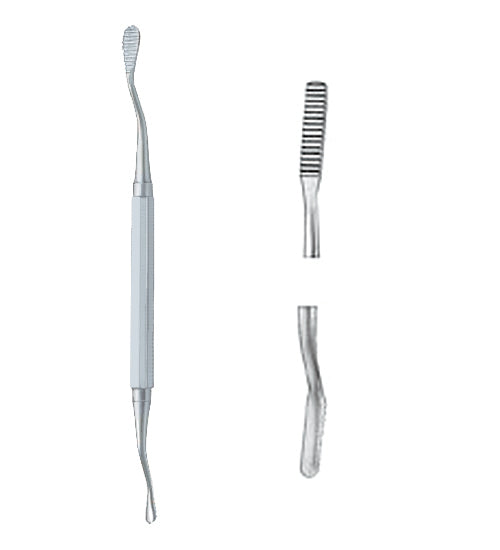
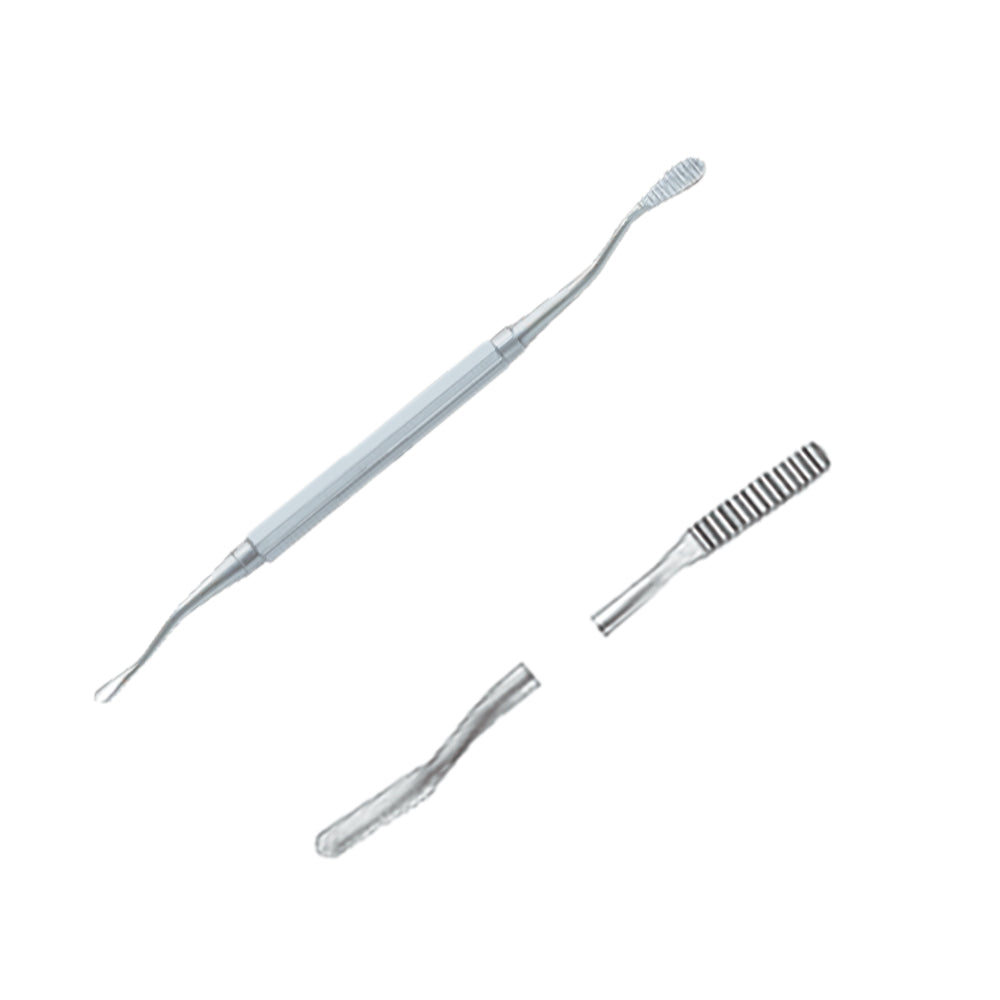
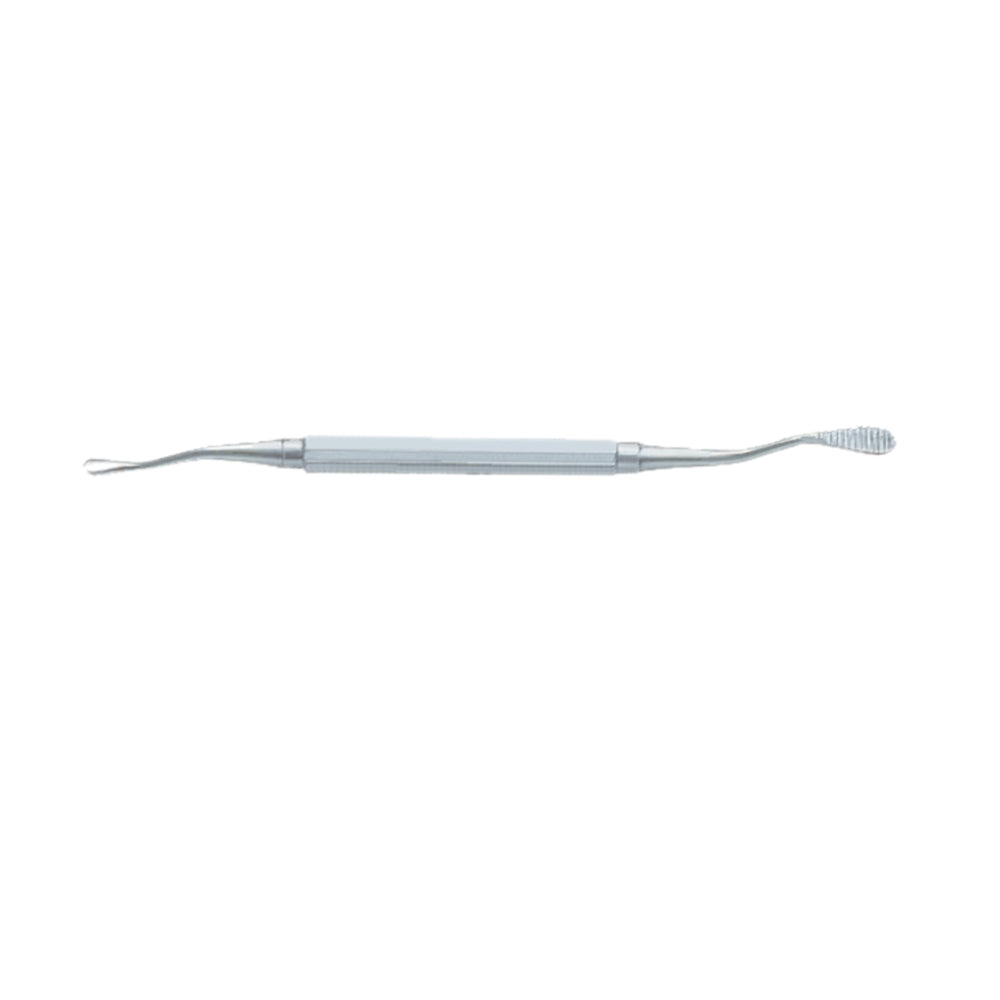
The premier orthopedic instrument for targeted bone debridement, surface leveling, and fine contouring. The Polokoff Bone File (7”) is a specialized, dual-working-end orthopedic rasp engineered to solve the surgical requirement for quick, controlled material removal and surface refinement in confined anatomical spaces. Featuring two distinct serrated scraping profiles at either end of a tactile central handle, this tool is a mechanical necessity for surgical teams needing to plane rough bone edges, scrape away irregular osteophytes, or prepare cortical surfaces for graft integration. Its compact 7-inch (17.8cm) chassis provides the high-maneuverability reach required for delicate orthopedic, trauma, and reconstructive surgery.
The Polokoff Bone File (7” Double-Ended) represents the industry standard for tactical bone refinement in orthopedic trauma and reconstruction. When surgeons perform procedures like fracture reductions or osteotomies, they are often faced with bone edges that are sharp, uneven, or prone to interfering with the seating of hardware. This bone file acts as a surgical plane, allowing the clinician to shave away high spots until the bone surface is perfectly flush. The dual-ended design is a mechanical necessity that provides the versatility to address different bone textures or angles within a single operative sequence, significantly improving surgical flow.
At its core, the tool is engineered for structural safety and maximal clinical maneuverability. The 7-inch length provides the perfect balance between leverage and tactile sensitivity, allowing the surgeon to “feel” the bone's resistance through the file, which is crucial for preventing excessive removal of viable cortical tissue. By replacing the noisy, high-vibration environment of power-driven tools with the quiet, deliberate action of this manual rasp, the surgical team can create a more controlled operative field and achieve a superior surface finish, resulting in better long-term hardware fixation.
Built to exceed international quality standards for medical hardware, this bone file is fully reusable and easy to maintain. Its resilient unibody construction, weld-free frame, and high-performance rasping surfaces make it an indispensable asset for achieving safe, predictable, and high-precision results across all orthopedic trauma and reconstruction procedures.
Feature Details
Instrument Style Polokoff Pattern Double-Ended Bone Scraper/Rasp
Overall Length 17.8cm (7 inches)
Working Ends Double-Ended with Varying Serrated Rasp Profiles
Handle Architecture Ergonomic Central Balance-Grip Handle
Surface Treatment Non-Reflective Glare-Reducing Aura-Satin
Material Base Premium Bio-Inert Surgical Stainless Steel
Reprocessing Limits Fully Autoclavable / High-Vacuum Steam-Safe
Certifications CE, ISO, Professional Surgical Grade
Primary Clinical Applications:
Q: Why choose this 7” file over a longer or larger orthopedic rasp?
A: This compact 7-inch length is a mechanical necessity for procedures where the operative space is tight, such as in hand, foot, or wrist surgeries, where long rasps would be difficult to stabilize or angle correctly.
Q: Can this scraper be used on metallic hardware like screws or plates?
A: No. Attempting to use this file on hard surgical steel or titanium will rapidly dull the serrated teeth. It is a professional standard that this tool must be reserved strictly for cortical bone refinement to preserve its biting edge.
Q: How do you effectively clean bone debris from the serrated scraping teeth?
A: It is a mechanical necessity to use a soft-bristled, surgical-grade brush under warm water immediately after use. This prevents the drying of bone protein within the serrations, ensuring the file remains fully effective for its next use.
Q: What is the risk of using this file on brittle or osteoporotic bone?
A: When working on brittle bone, it is a professional standard to use the finer rasp end and apply very light pressure; this is a mechanical necessity for preventing the rasp teeth from catching and splitting the delicate bone structure.
Q: What is the approved sterilization protocol for this double-ended scraper?
A: The premium surgical steel construction is a mechanical necessity built for rigorous hospital reuse. It is fully rated to undergo standard high-vacuum steam autoclave cycles at 134°C (273°F) with no risk of structural degradation, finish clouding, or corrosion.
