
Featured Collection
Your cart
Featured Collection

PEAK SURGICALS
SKU:
Couldn't load pickup availability
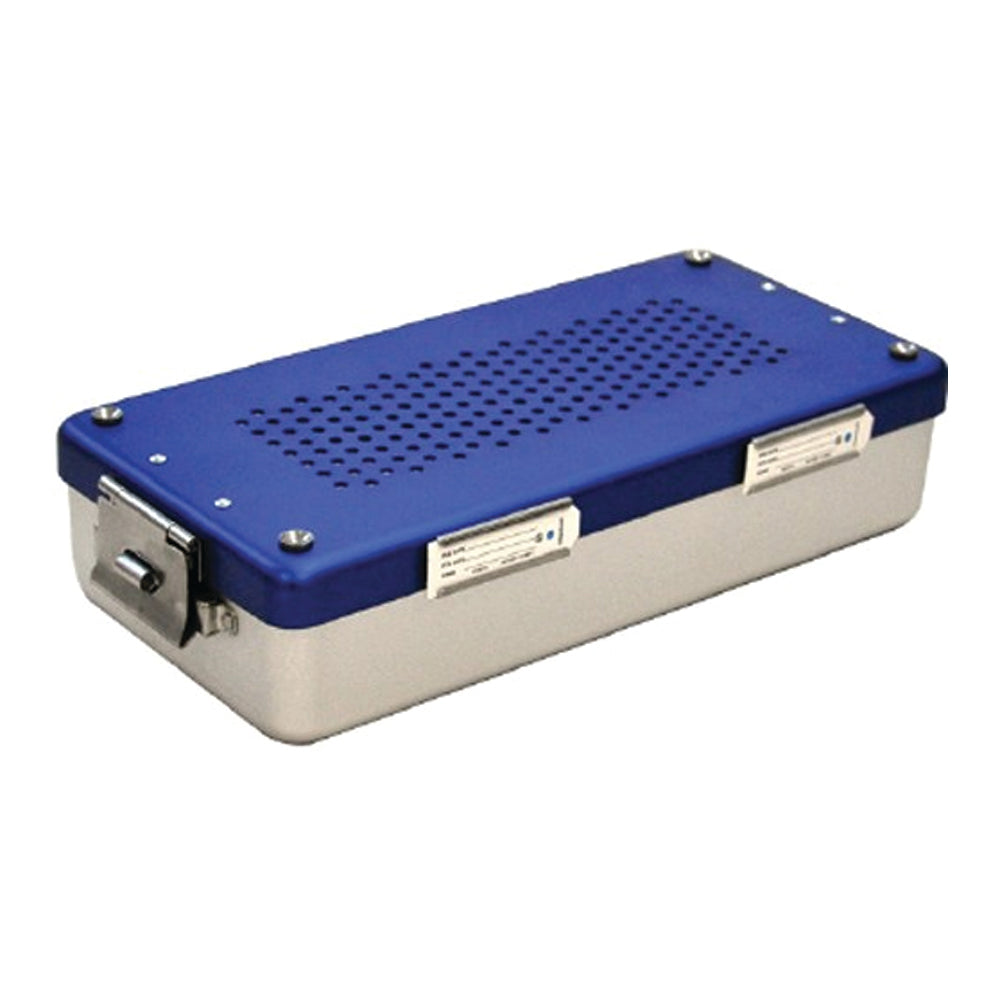
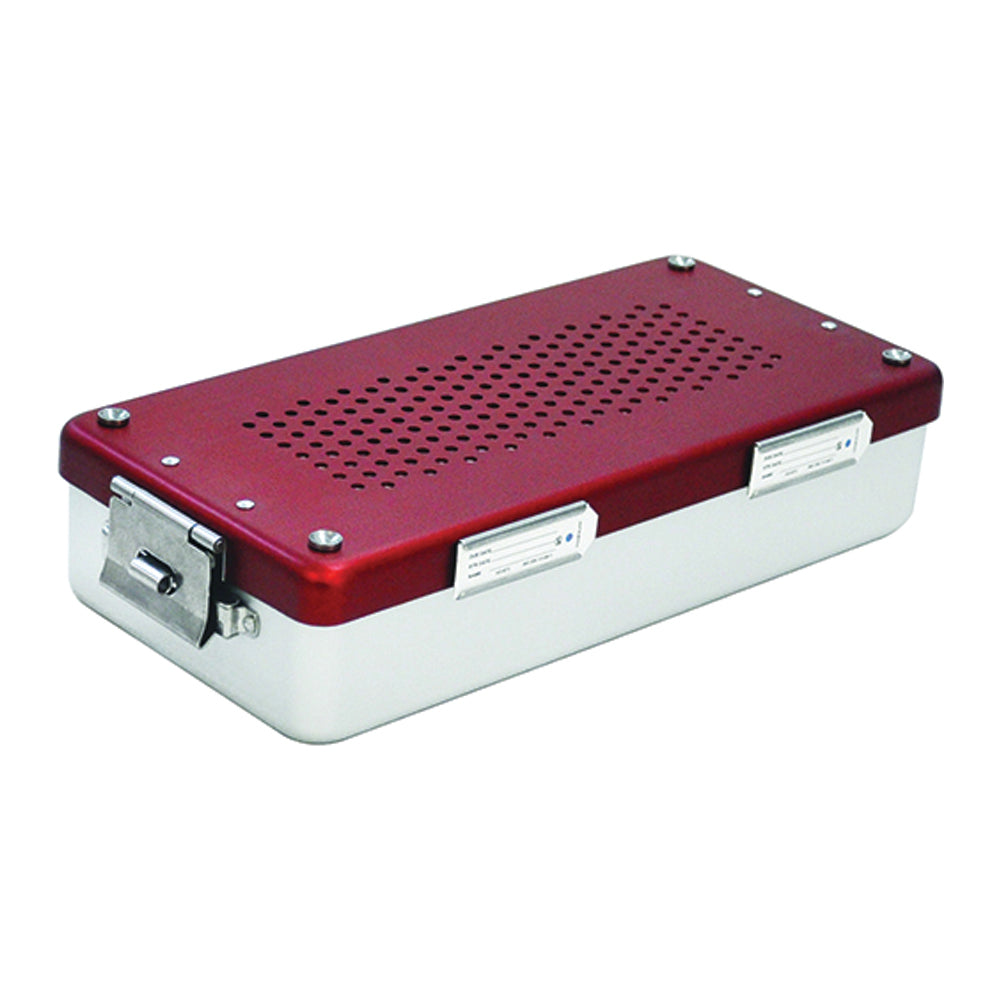
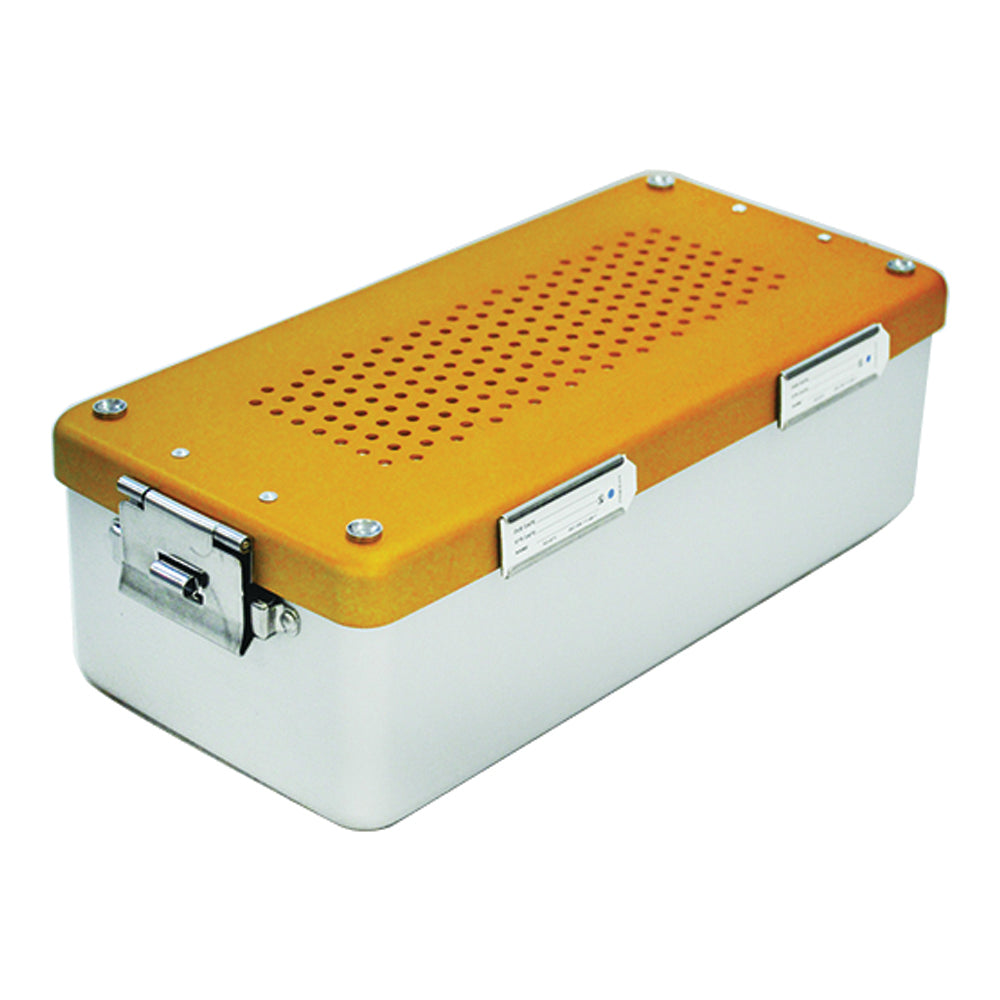
The Basic Model Mini Size Sterilization Containers from Peak Surgicals (Product Code: basic-model-mini-size-sterilization-containers) are reusable surgical sterilization containers designed for secure instrument organization, steam sterilization workflow, sterile storage, and operating room tray transport. This mini container platform is listed in a 300 x 140 mm footprint with height options of 40 mm/1¾”, 70 mm/2¾”, and 100 mm/4”, color options of Black, Blue, Gray/Silver, Green, Red, and Yellow, and bottom options of Non-Perforated or Perforated, with each container priced at $192.50. The visible design includes a rigid stainless steel lower box, colored perforated lid, ventilation field, corner screw fixation, front identification plates, side latch assembly, gasket-supported closure zone, and compact rectangular tray body. CSSD teams, operating room nurses, sterile processing departments, dental clinics, ENT theatres, ophthalmic units, outpatient surgical centers, hospital procurement teams, and instrument distributors use this container for processing minor surgery sets, dental hand instruments, ENT micro instruments, ophthalmic trays, suture kits, dressing instruments, and compact specialty procedure sets.
The Basic Model Mini Size Sterilization Containers use a rigid box-and-lid system to protect instruments during cleaning-to-sterilization transfer, autoclave exposure, sterile storage, and theatre movement. The perforated upper lid supports steam penetration and drying by allowing sterilant flow through the ventilation field rather than relying on a pouch-style envelope. The lower stainless steel box provides a stable load surface for small instruments, micro trays, forceps, scissors, probes, hooks, mirrors, elevators, and dental or ENT components. The side latch assembly secures the lid to the base so the container remains closed during transport between CSSD, storage shelves, and procedure rooms. The gasket-supported closure zone helps maintain a controlled interface between lid and box after processing. Front identification plates give the sterile processing team space for tray recognition, department coding, instrument set identification, and cycle documentation workflow. The compact rectangular shape supports storage density while the rounded corners and fixed lid hardware reduce snag points during handling, loading, and retrieval.
During central sterile services workflow, the container receives cleaned and inspected instruments after decontamination, then supports autoclave loading according to tray configuration and department protocol. For operating rooms, it helps keep compact procedure sets separated by specialty, case type, and theatre assignment. Dental clinics use the mini format for extraction instruments, periodontal hand tools, implant accessories, endodontic instruments, rubber dam accessories, mirrors, probes, tweezers, forceps, and small surgical kits. ENT units use the same footprint for ear specula, suction tips, nasal instruments, hooks, seekers, cannulas, and micro hand instruments. Ophthalmic and minor surgery teams use the container for delicate forceps, scissors, needle holders, handles, blades, and dressing instruments where compact storage is preferred over large general surgery trays. The color-coded lid supports rapid department recognition across CSSD shelves, theatre trolleys, and instrument storage cabinets. The container’s purpose is to organize, protect, process, and store reusable instruments in a controlled sterile supply chain.
The 40 mm/1¾” height is selected for shallow instrument loads such as dental mirrors, probes, explorers, scalers, tweezers, small scissors, micro forceps, suture instruments, and thin procedure accessories. Its lower profile reduces unused internal space and improves tray stacking when only slim instruments are being processed. The 70 mm/2¾” height provides additional internal clearance for mixed small sets containing handles, clamps, retractors, suction tips, and compact procedure components that require more vertical space. The 100 mm/4” height is selected for deeper loads, layered instrument arrangements, or small accessories that need increased clearance inside the container. Black, Blue, Gray/Silver, Green, Red, and Yellow lid options support color-coded department allocation, specialty identification, procedure grouping, and procurement standardization. The Non-Perforated bottom is suited to a solid base requirement, while the Perforated bottom supports additional steam circulation and drainage characteristics when compatible with the facility’s sterilization cycle. These variants allow the same 300 x 140 mm footprint to serve different tray depths and processing policies.
The stainless steel lower body gives the container the rigidity, corrosion resistance, and reusable durability required for repeated sterile processing department handling. A sterilization container must retain lid fit, latch alignment, base geometry, corner fixation, perforation integrity, identification plate stability, and gasket contact because distortion can interfere with closure, loading, storage, and sterile transport workflow. The colored lid supports visual tray recognition while the ventilation field supports steam movement during autoclave processing. After each cycle, the container is inspected for latch function, lid alignment, gasket condition, vent cleanliness, corner hardware security, and internal surface cleanliness before reuse. The perforated surfaces are brushed so residue does not remain inside ventilation holes, and the box base is cleaned before drying and packaging workflow. CE marking, ISO 13485 manufacturing controls, and FDA compliance support purchasing documentation for hospitals, clinics, distributors, and international procurement teams. The listed 30-day return policy, reusable construction, multiple sizes, color options, and bottom configurations support repeat ordering for CSSD and operating room instrument management.
| SKU | basic-model-mini-size-sterilization-containers |
|---|---|
| Product Name | Basic Model Mini Size Sterilization Containers |
| Price | $192.50 per container |
| Size/Gauge Variants | 300 x 140 mm footprint; 40 mm/1¾”, 70 mm/2¾”, 100 mm/4” heights; Black, Blue, Gray/Silver, Green, Red, Yellow lids; Non-Perforated or Perforated bottom |
| Instrument Category | Sterilization Containers / Surgical Instrument Processing Containers |
| Procedure | Instrument Sterilization, CSSD Tray Processing, Operating Room Storage, Dental Instrument Processing, ENT Tray Management, Minor Surgery Set Organization |
| Material | Stainless steel container body with colored perforated lid |
| Finish | Satin, Dull, Mirror |
| Sterilization | Steam sterilizable / Autoclave workflow compatible |
| Instrument Classification | Class I sterilization accessory |
| Reusable | Yes |
| Certifications | CE, ISO-13485, FDA |
| Warranty | 1 Year |
| MOQ | 1 Piece |
| OEM / Custom Orders | Available |
| After-Sale Service | Return and Replacement |
How does the Basic Model Mini Size Sterilization Container compare with sterilization pouches?
The Basic Model Mini Size Sterilization Container is a rigid reusable system, while sterilization pouches are flexible single-cycle packaging materials. Pouches are useful for individual instruments and small disposable workflows, but they do not provide the same impact protection, color-coded tray management, or rigid storage structure. The container is stronger for organized instrument sets because the box keeps components grouped during processing, storage, transport, and theatre setup. Pouches can tear, crease, or become difficult to stack when multiple instruments are packed together. The rigid container supports repeated CSSD use and improves shelf organization for dental, ENT, ophthalmic, minor surgery, and compact specialty sets. The perforated lid supports sterilant entry while the latch system maintains physical closure during handling. For procurement teams, the container is selected when repeat processing and tray identity matter more than disposable packaging convenience.
Which height should be selected for each instrument set?
The 40 mm/1¾” height is selected for shallow instrument loads such as dental mirrors, probes, explorers, scalers, tweezers, micro scissors, small forceps, and light minor procedure instruments. The 70 mm/2¾” height is selected for mixed compact sets containing handles, clamps, small retractors, suction tips, cannulas, and layered hand instruments. The 100 mm/4” height is selected for deeper instrument arrangements or sets with taller components requiring more internal clearance. The Basic Model Mini Size Sterilization Container keeps the same 300 x 140 mm footprint across these height options, so CSSD shelf planning remains consistent. The selected height should match instrument profile, tray insert arrangement, and sterilization loading workflow. Color selection can then be assigned to department, specialty, or procedure category. This makes the container practical for standardized sterile processing across multiple clinical units.
What do CE, ISO 13485, and FDA compliance mean for procurement?
CE marking supports conformity documentation for hospitals, clinics, and distributors sourcing reusable sterilization accessories. ISO 13485 indicates that manufacturing is managed under a medical device quality management system with controlled production, inspection, and traceability. FDA compliance supports procurement records for buyers sourcing reusable instrument processing products for regulated markets. The Basic Model Mini Size Sterilization Container fits purchasing categories for non-powered sterile processing and surgical instrument storage accessories. These credentials help procurement officers compare the product against tender requirements, internal sourcing policies, and distributor documentation needs. The listed price, size range, color options, bottom selection, reusable construction, and warranty support repeat ordering. For CSSD and operating room departments, the documentation aligns sterile instrument management with regulated purchasing expectations.
How are the perforated lid and bottom configuration used in sterilization workflow?
The perforated lid allows steam to enter the container during autoclave exposure and supports drying after the sterilization phase. The ventilation field distributes flow across the container top instead of limiting steam entry to a small opening. The Perforated bottom option provides additional passage for steam and condensate movement when that configuration is selected for the facility’s process. The Non-Perforated bottom option provides a solid lower surface for instrument support and department preference. The Basic Model Mini Size Sterilization Container uses these choices to match different CSSD loading patterns and sterilizer workflows. Staff inspect the perforations before processing so blocked holes do not compromise flow or drying. The lid, latch, gasket zone, and bottom selection work together to create a controlled reusable container system.
How should the Basic Model Mini Size Sterilization Container be cleaned and inspected?
After use, the container is opened, emptied, and decontaminated so blood, saline, tissue residue, dental debris, adhesive label residue, or packaging material does not remain on the internal or external surfaces. The perforated lid is brushed through the ventilation field because debris can remain inside small holes. The base is cleaned along the corners, side walls, and bottom surface before drying. The latch assembly is checked for secure closure, and the lid is inspected for alignment with the lower box. Identification plates, corner screws, gasket contact areas, and bottom perforations are inspected before the container returns to the sterile processing cycle. The Basic Model Mini Size Sterilization Container should be reused only after the lid seats correctly, the latch closes securely, and all surfaces are visually clean. Proper care preserves sterilization workflow, tray identity, and repeated clinical usability.
