
Featured Collection
Your cart
Featured Collection

PEAK SURGICALS
SKU:PS-DI-006959
Couldn't load pickup availability
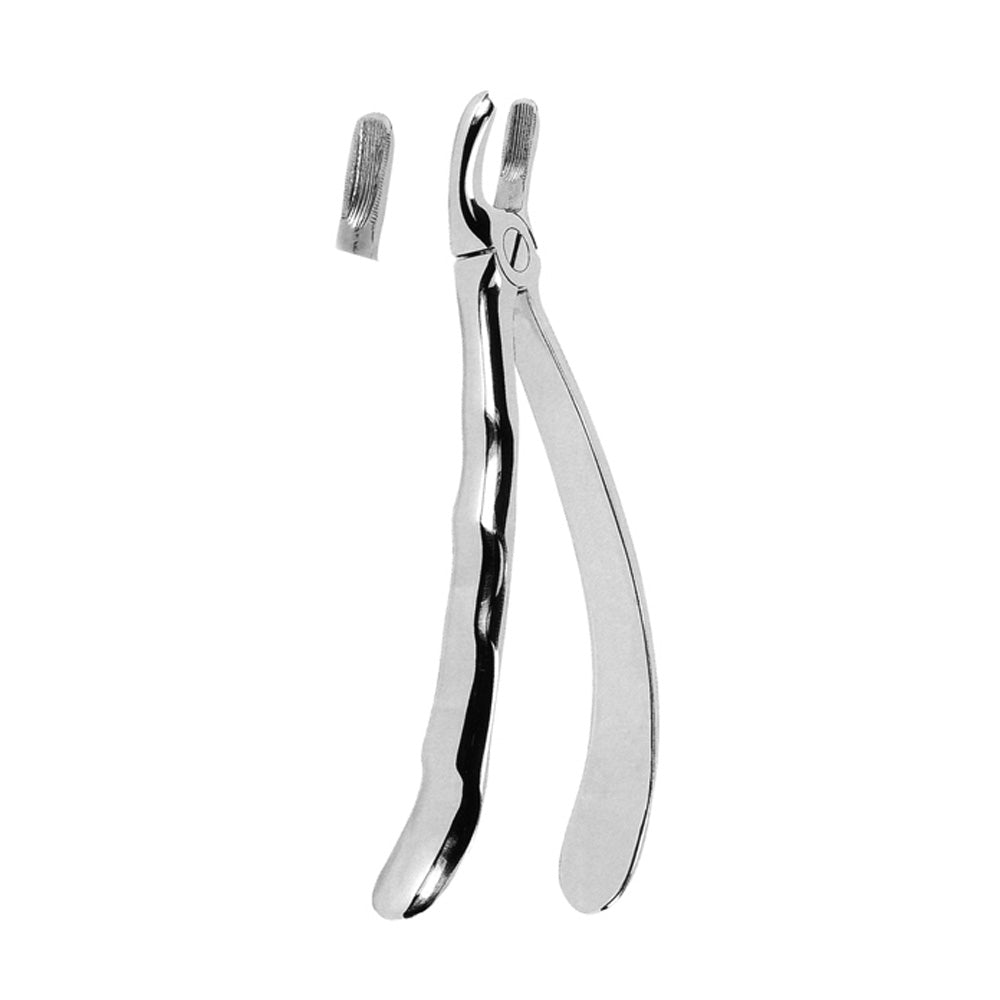
In the area of oral surgery and orthodontics, the anatomy of upper molars calls for a special method. The upper molars are tri-rooted, with two buccal roots and a larger palatal root. A forcep that is universal usually fails to provide an effective grip. The Extracting Forceps Fig. 17, with the Anatomically Shaped Handle as well as serrated Tips, is the most precise instrument specially designed to meet the distinctive structure that is the upper right Molars.
The most important aspect of Fig. 17 is the beak's asymmetrical design. To ensure the safety and effectiveness of extracting an upper molar that is right-sided, the instrument should be engaged in a bifurcation (the space between the roots) on the buccal (cheek) side.
Upper molars are often adorned with big crowns, which may be slippery because of blood or saliva. The Fig. 17 addresses this by using the Serrated Tips:
Upper molar extraction often requires a significant amount of leverage. Standard handles could cause the dentist's hand to wear out or cause the instrument to move. The Anatomically designed Handle provides:
Made using High-tensile Stainless Steel, these forceps are designed to last for years in a busy clinic.
Feature Detail
Model Fig. 17 (Right-Side Specific)
Indication : Maxillary (Upper) Right Molars
Tip Feature A Pointed Buccal beak with serrations
Handle Anatomically Shaped (Ergonomic)
Material Premium Stainless Steel
The Fig. 17 Anatomical Forceps are an indispensable tool for any doctor who values an ergonomic and efficient surgical procedure. By adjusting the device to the 3rd molar anatomy in the upper left, you will have a more reliable and controlled experience when you extract.
Order Processing: We strive to serve you promptly! Orders placed before the cut-off time of 5:00 PM (GMT -05:00) (Eastern Standard Time) will be processed the same business day. Orders placed after this time will be processed the next business day.
Handling Time: Our standard handling time is 2-4 business days (Monday through Friday). This includes order verification, quality checks, packaging, and dispatch. Please note that orders placed on weekends or holidays will be processed on the following business day.
Transit Time: Once dispatched, the estimated transit time is 7-10 business days (Monday through Friday). However, transit times may vary depending on your location and any unforeseen circumstances.
Shipping Fee: Enjoy free worldwide shipping on all orders over $99! At Peak Surgical Instruments, we cover all import charges for your convenience ( T & C Apply)
Purchase below 99$ we have flat rate of 31.99$ for the worldwide shipping.
Customers will receive a tracking ID as soon as their order is dispatched via FedEx or DHL.
We proudly offer worldwide shipping, ensuring that our premium surgical instruments are accessible to healthcare professionals across the globe. No matter where you are, you can count on us to deliver quality tools right to your doorstep!
To provide you with confidence in your purchase, we offer a 1-year warranty as well as a 30-day money-back guarantee on all non-personalized orders.
We understand that delays can be frustrating. Transit times are estimates based on recent orders and may change. If your package is delayed, we will do everything possible to expedite delivery. In case of significant delays or missing packages, we will reship your order at no extra cost to you
