
Featured Collection
Your cart
Featured Collection

PEAK SURGICALS
SKU:
Couldn't load pickup availability
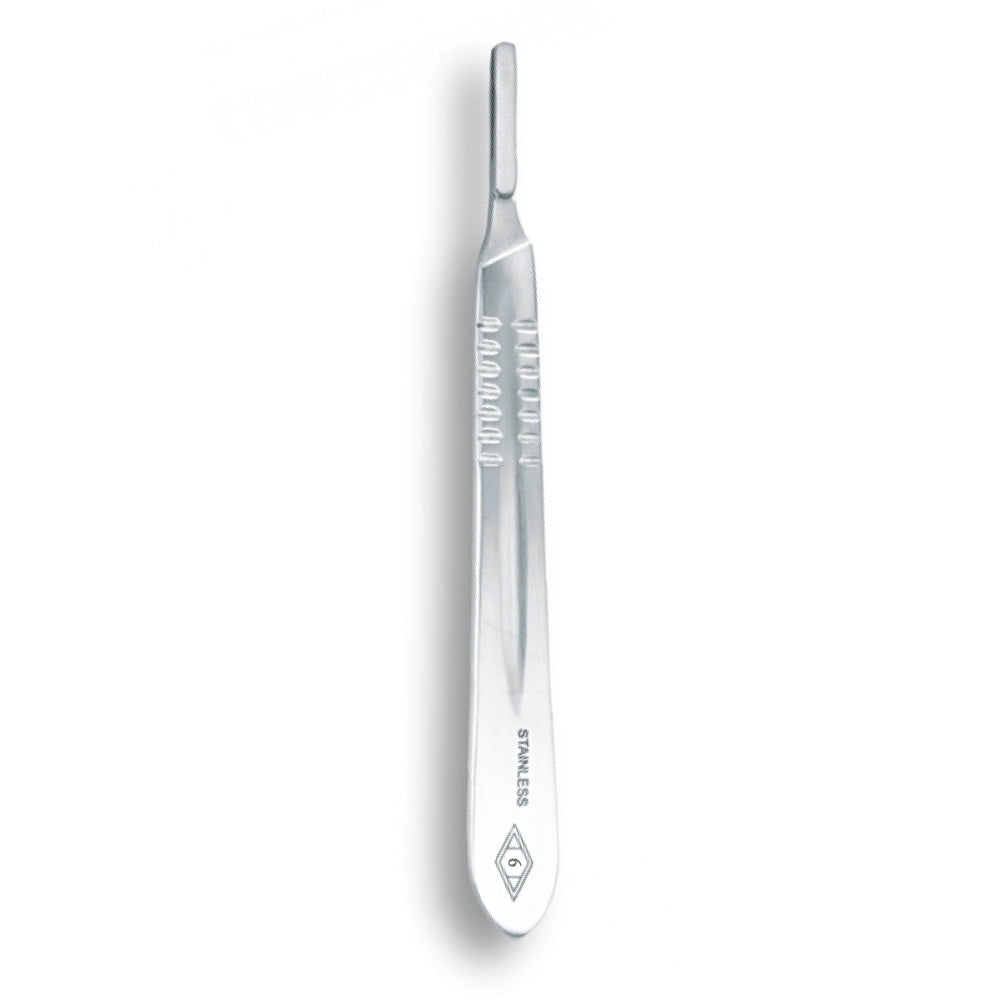
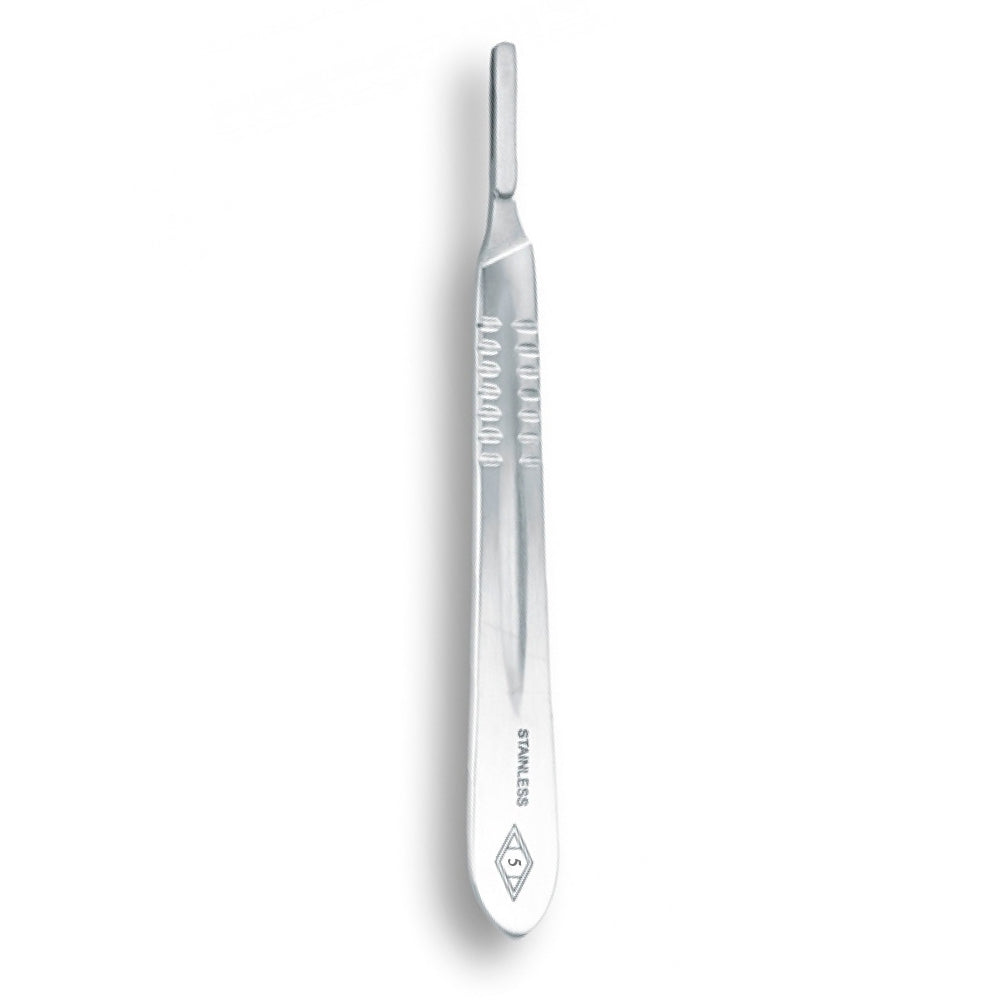
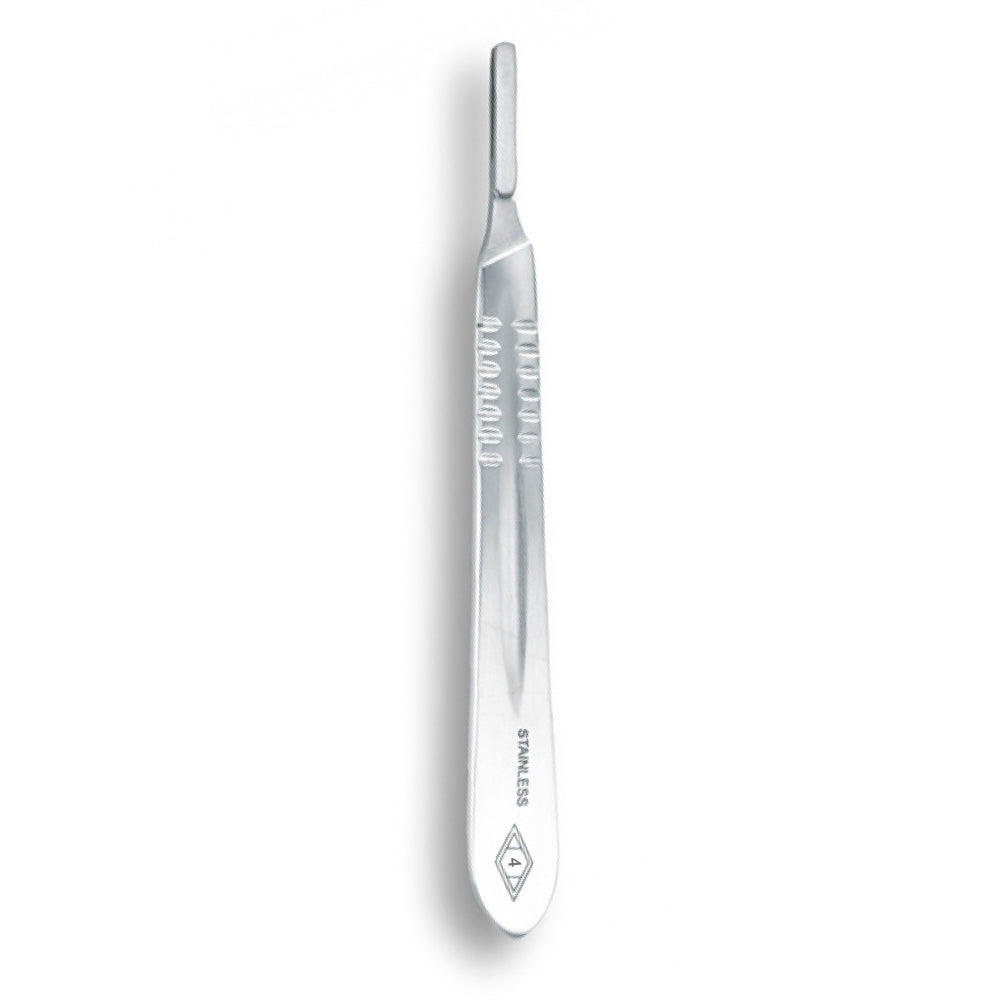
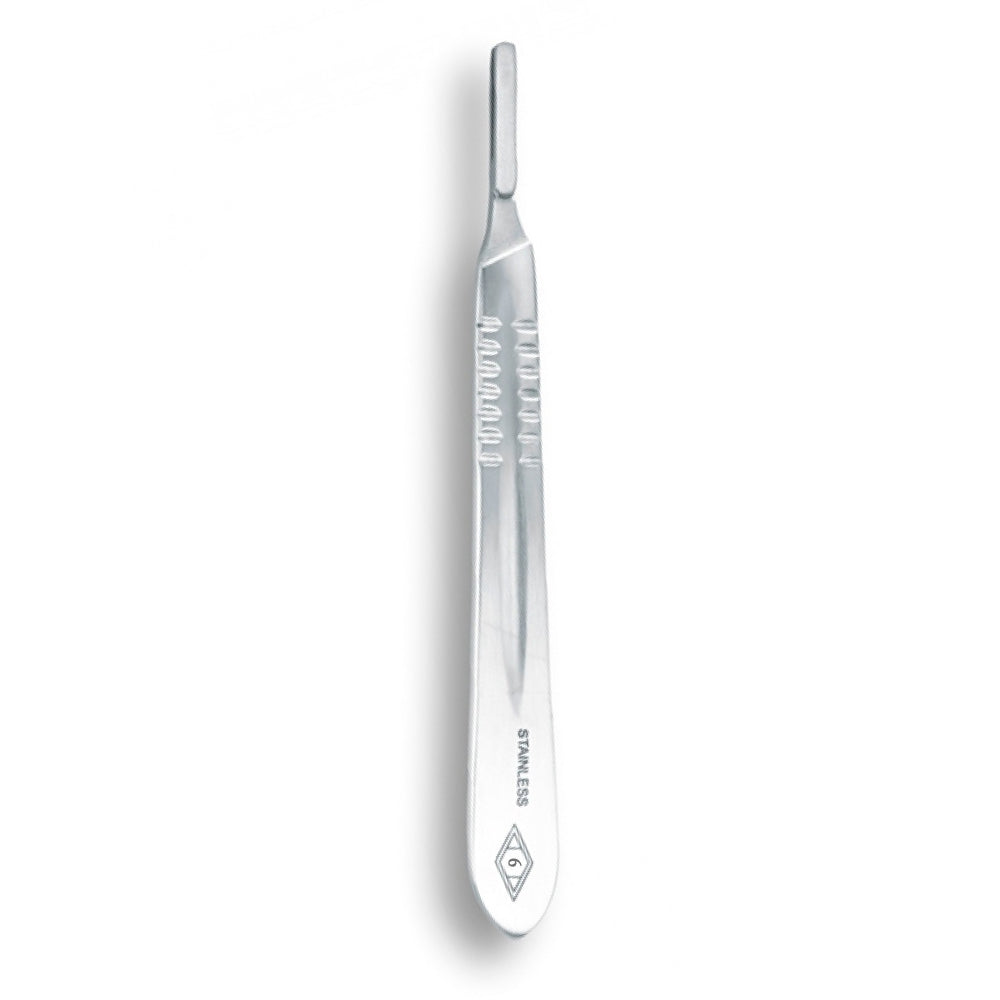
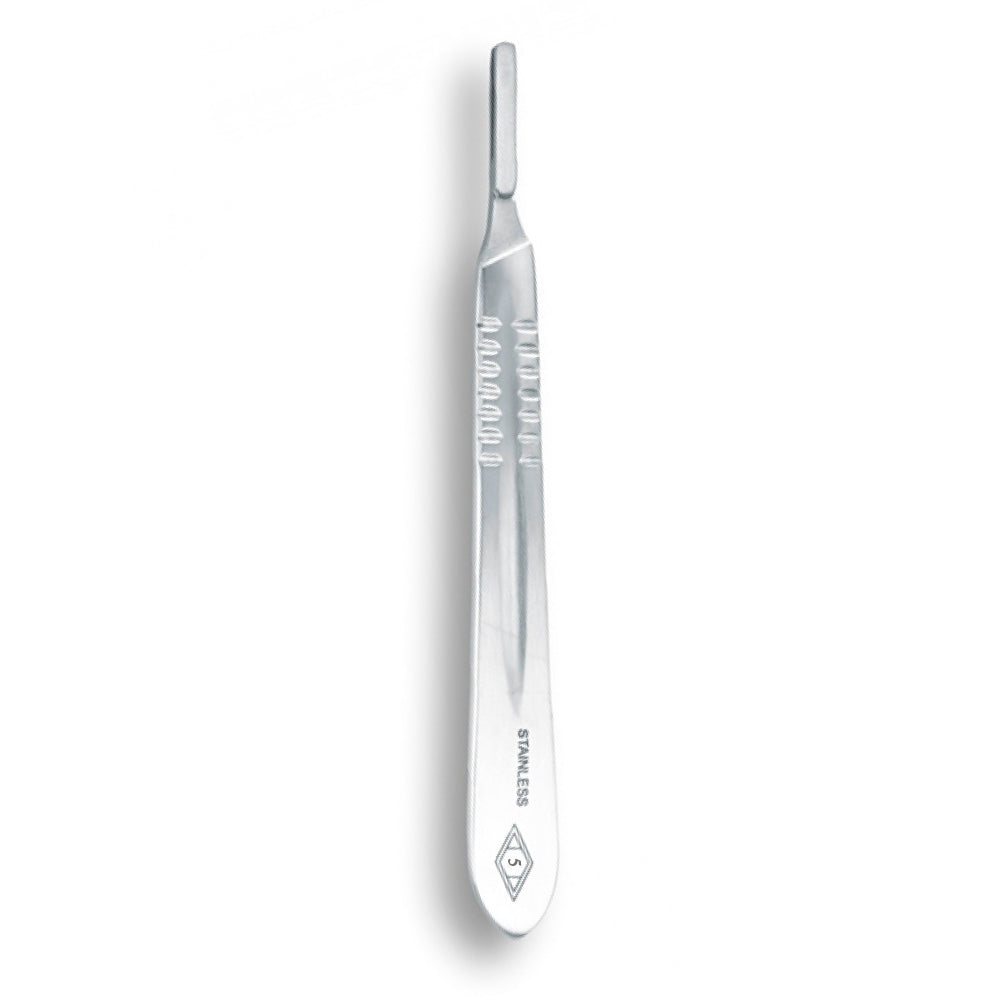
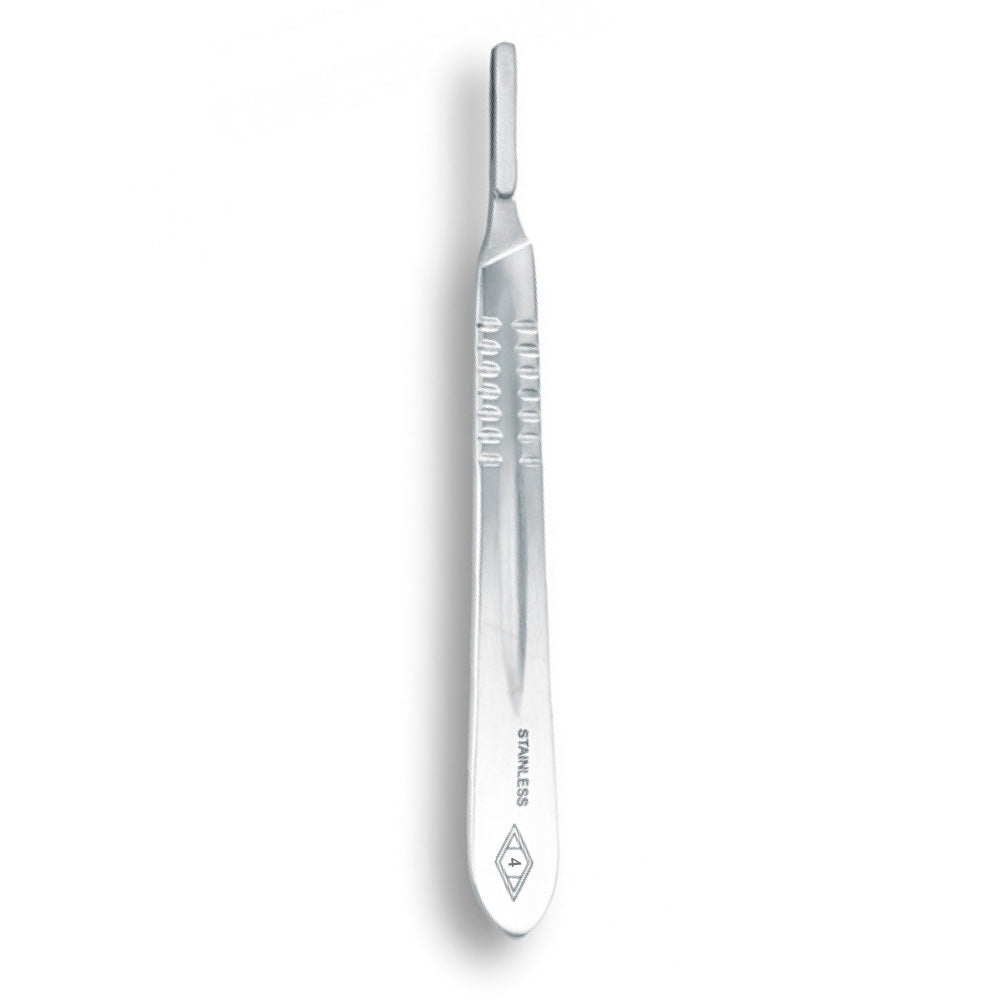
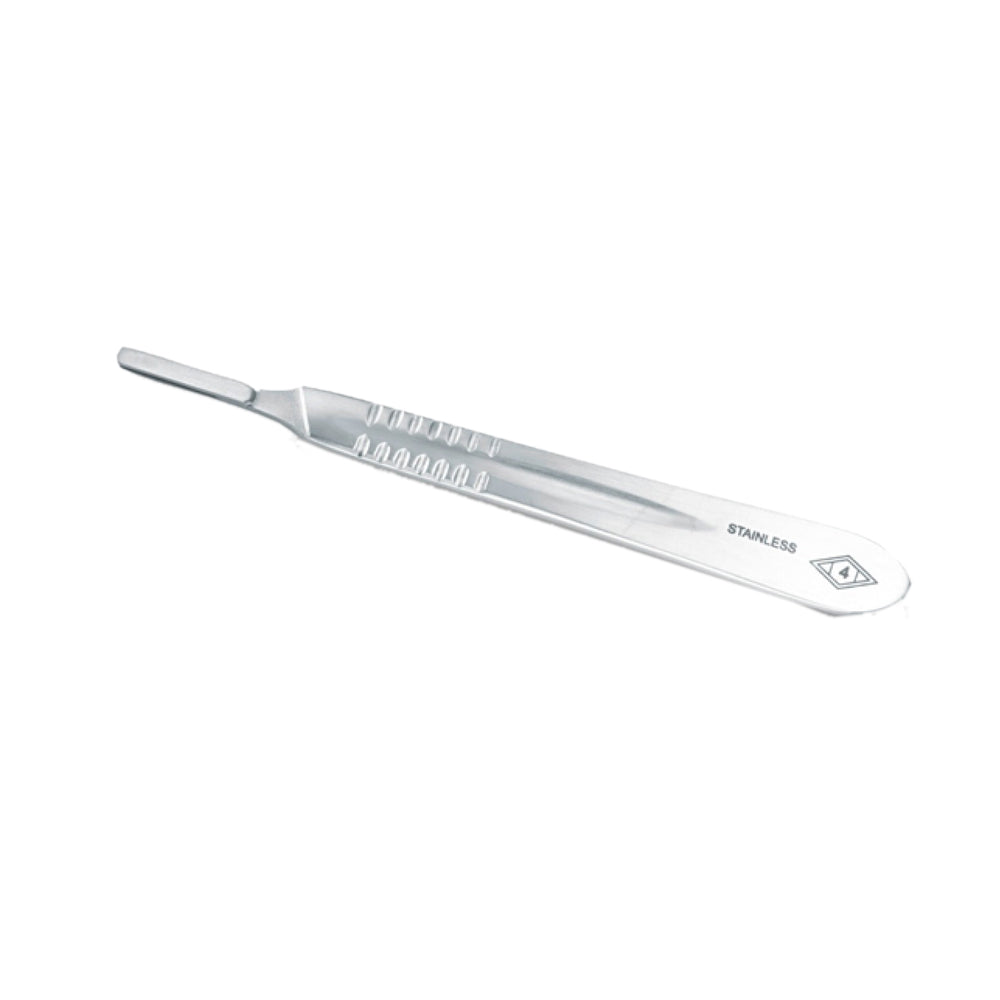
The #3 handle is best for delicate work, while the Scalpel Blade Handles #4, #5, and #6 are heavy-duty handles made for bigger cuts and tougher tissues. These "Exceptional Quality" handles are made by hand from German Stainless Steel, which gives them the strong feel and structural integrity needed for orthopaedic, general, and veterinary surgeries.
These handles are a long-term investment in surgical precision because they can be used again and again. They provide a stable base for larger blades that need more downward pressure.
Getting to Know the Handle Series
Based on how comfortable it is to hold and how well it fits with the blade, each handle in this professional set has a different surgical use:
The Standard Large Scalpel Handle #4
Compatible with larger blades like #20, #21, #22, #23, #24, and #25.
Best for: Long skin cuts, autopsy work, and general abdominal surgeries that need a bigger blade surface area.
Design: The tip is wider and stronger than the #3 tip so that it can fit the larger mounting slot of 20-series blades.
The Ergonomic Round Scalpel Handle #5
Profile: Instead of a flat profile, it has a rounded, tapered handle.
Best for: Procedures that need a "pencil grip" and a lot of movement in all directions. It is often used in specialised procedures where the surgeon needs to change the angle of the blade a lot.
Compatible: Usually works with the bigger 20-series blades.
Scalpel Handle #6 (The Heavy-Duty Bolstered) has a thicker, heavier grip area that gives you the most leverage.
Best for: orthopaedic surgery or cutting through thick, fibrous tissue and cartilage that needs a lot of manual force.
Stability: The extra weight in the handle dampens vibrations and makes it feel very secure when making "power" cuts.
Why use German stainless steel?
The handle must not bend when pressure is put on it during heavy-duty surgery. We choose German Stainless Steel for:
Torsional Strength: It doesn't bend even when you cut through tough fascia or thick skin.
Precision Milling: The "key" that holds the blade in place is milled to exact tolerances, so the blade won't wobble or come loose while you're cutting.
Chemical Resistance: It is very resistant to the corrosive effects of blood, salt water, and the strong chemicals used to clean it.
Matte Satin Finish: This finish cuts down on light reflection so that the surgeon can see the incision site clearly without any distracting glint.
Main Uses in Surgery
These handles are basic tools used in many fields:
Orthopaedics: For cutting through muscle and periosteum deeply.
General Surgery: For big laparotomy cuts.
Podiatry: To remove thick, hyperkeratotic tissue.
Veterinary Medicine: Great for surgery on big animals because they are strong and big.
Care for the Autoclave and Maintenance
To keep your Scalpel Handles #4, #5, and #6 in "Exceptional Quality," do the following:
Cleaning: Use a soft brush to clean the slot where the blade attaches. Bioburden can build up there and keep the blade from fitting properly.
Sterilisation: Can be fully autoclaved. Because they are made of high-quality steel, the metal won't get brittle after being heated and cooled many times.
Sharps Safety: To avoid cutting yourself by mistake, always use a tool, like a hemostat, to load and unload blades from these bigger handles.
