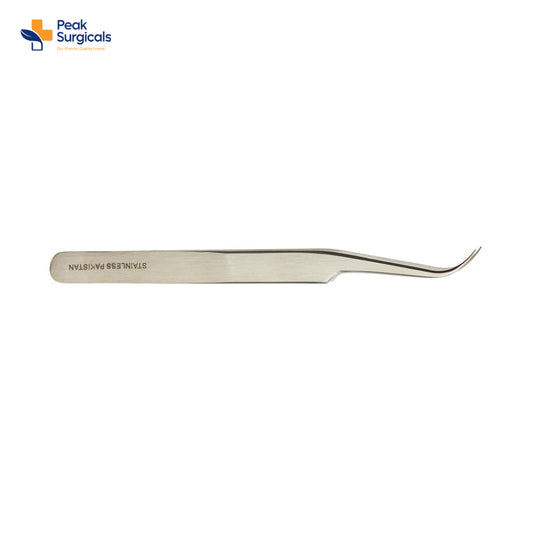
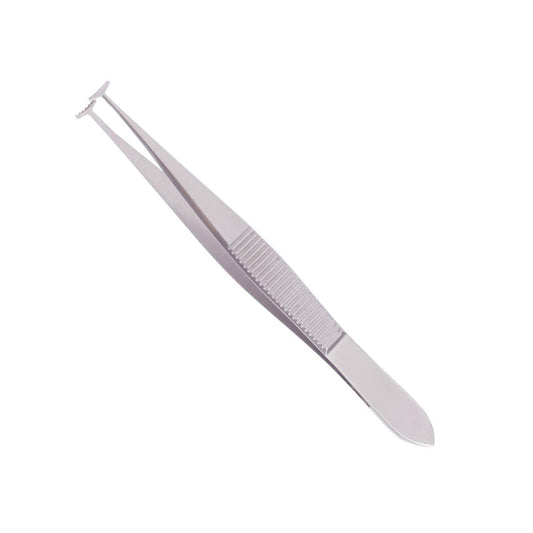
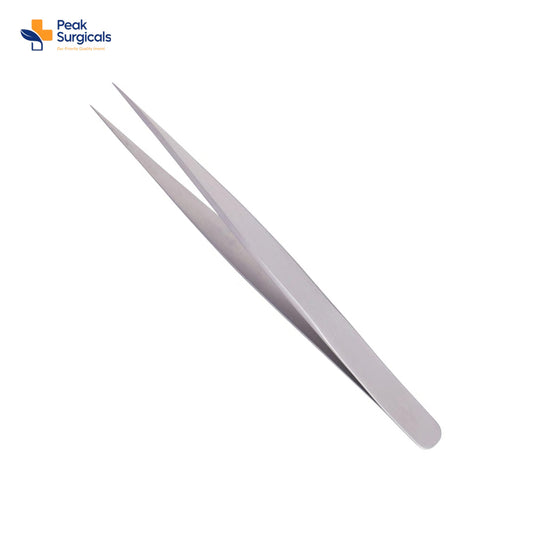
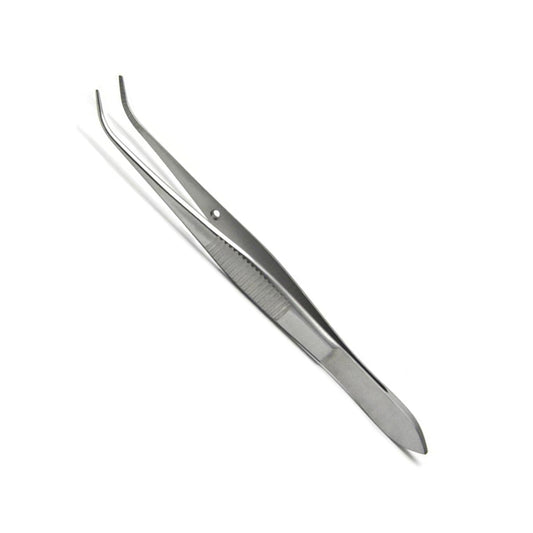
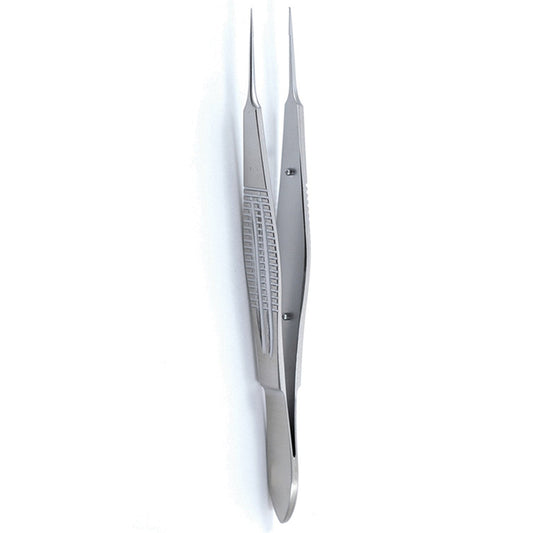
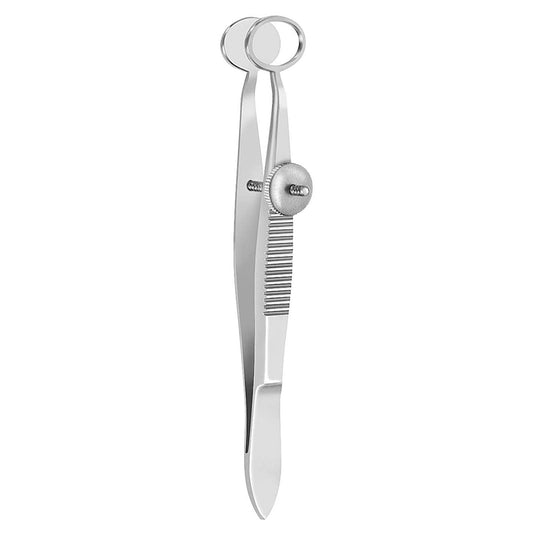
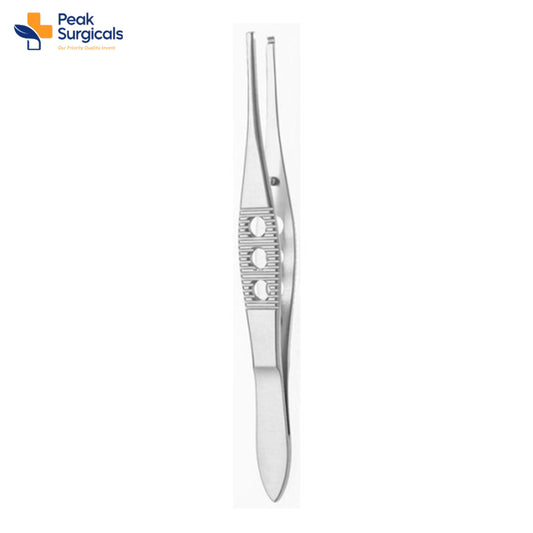
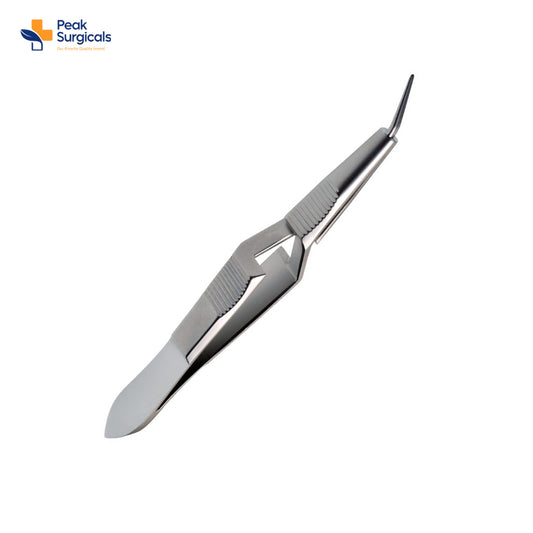
Ophthalmic Forceps
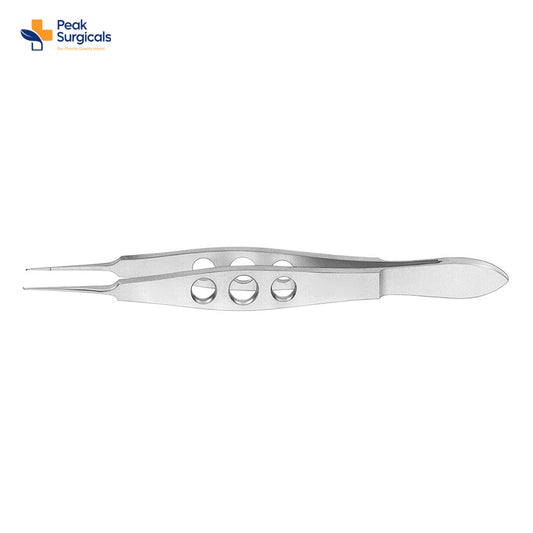
Ophthalmic forceps are fine, precision-tipped instruments used to grasp, fixate, or manipulate delicate ocular tissue during eye surgery — cataract extraction, corneal suturing, strabismus repair, and eyelid procedures. Because the tissue involved is so delicate, forceps design in ophthalmology is driven almost entirely by the specific step in the procedure, not general-purpose grip.
What's in This Collection
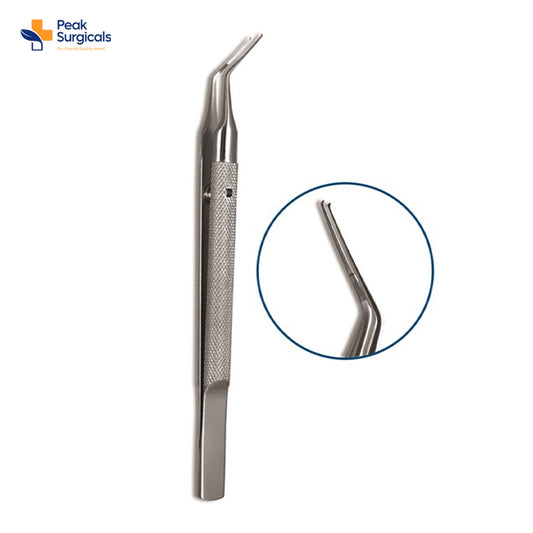
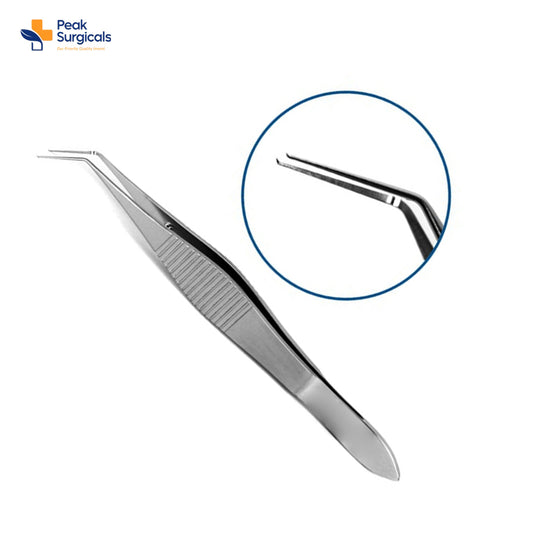
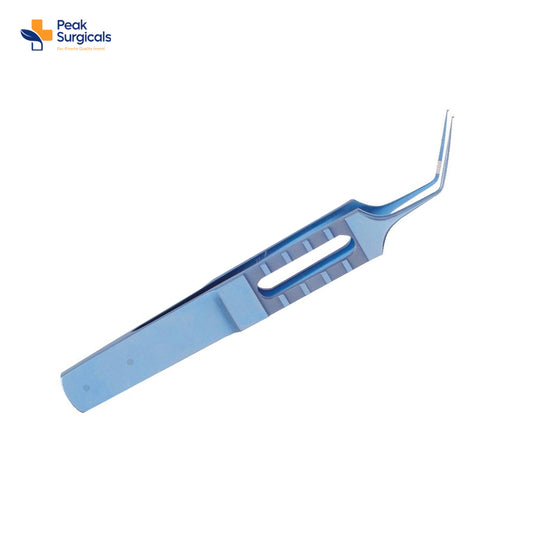
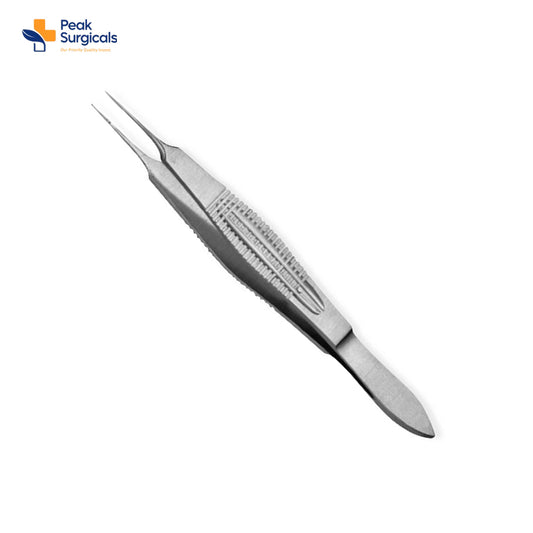
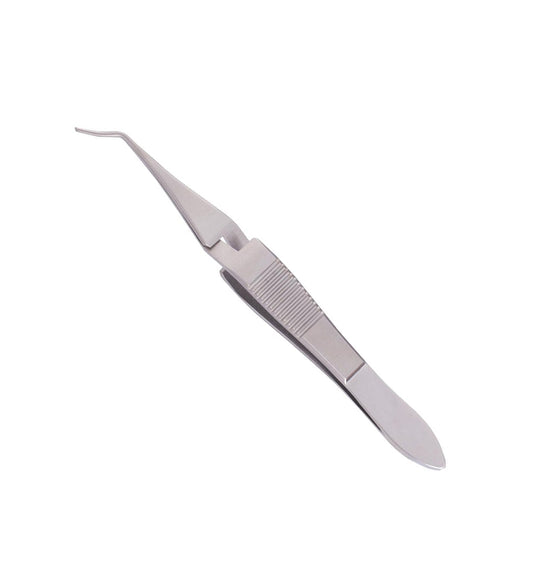
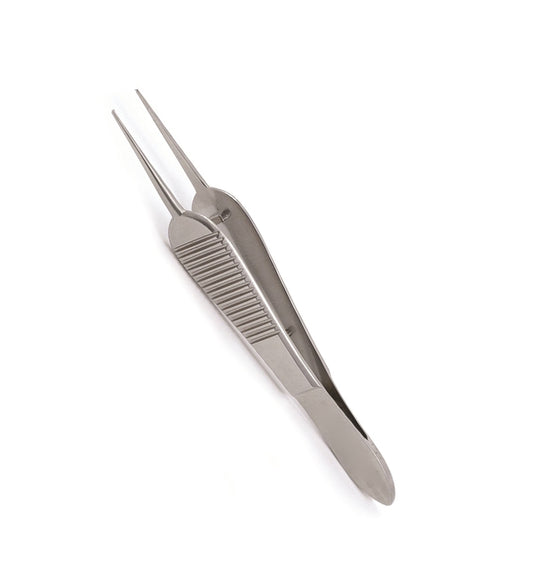
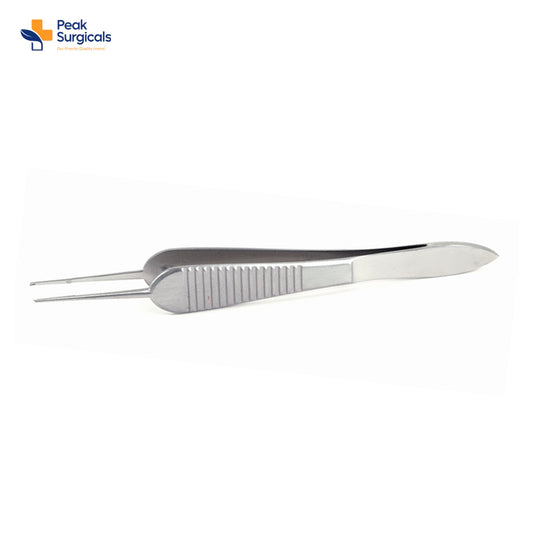
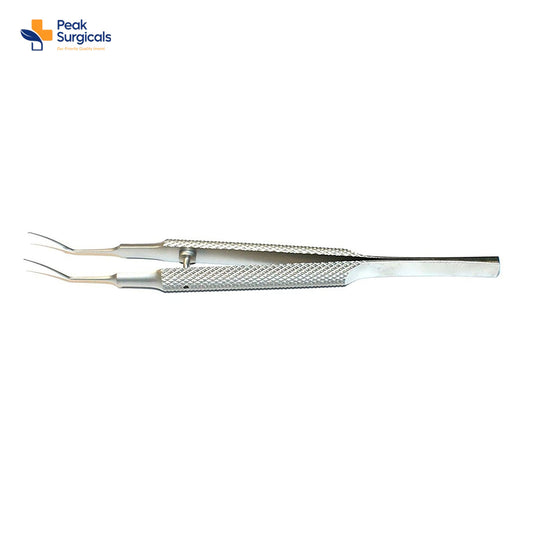
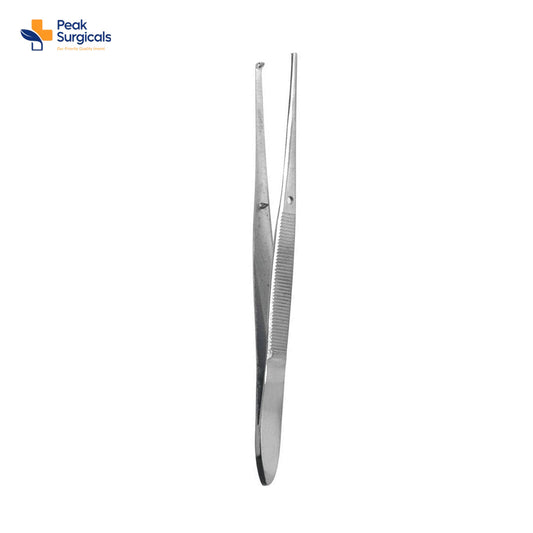
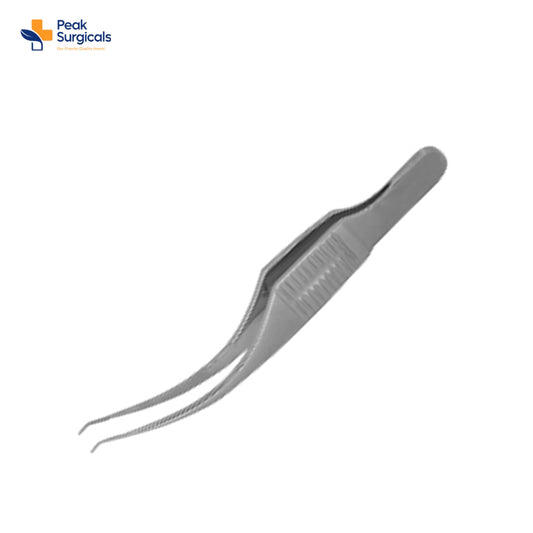
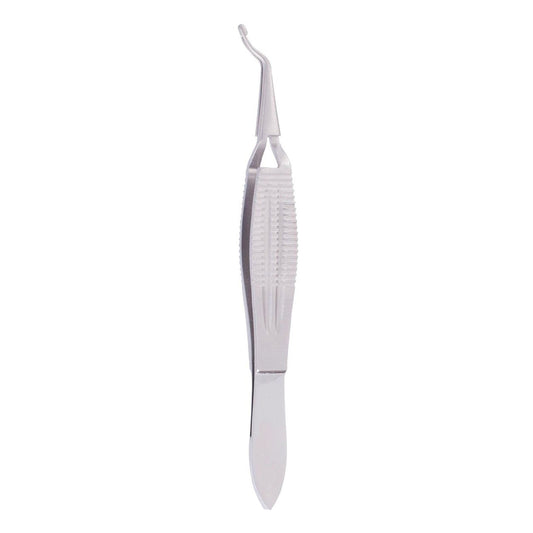
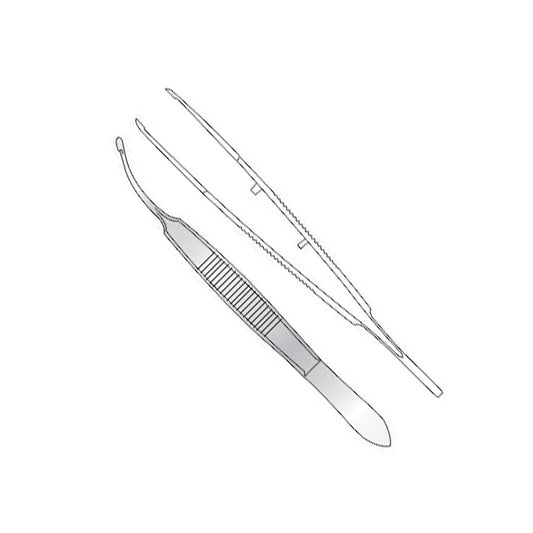
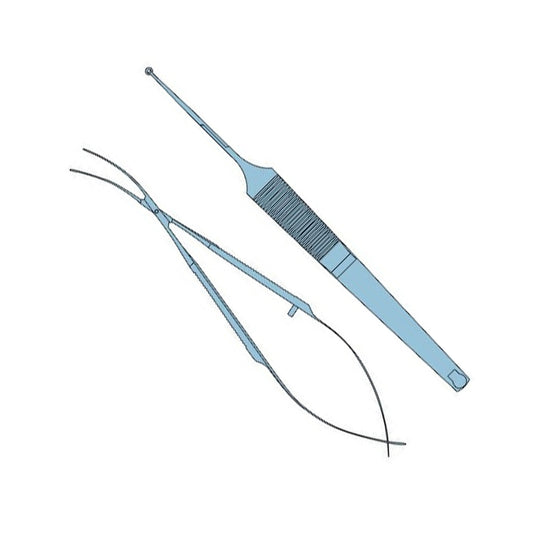
Fixation forceps (Green Fixation Forceps, among others) are used to hold and steady the globe itself during surgery, giving the surgeon a stable field to work in rather than grasping tissue directly. Capsulorhexis forceps — the Utrata Forceps, Utrata Capsulorhexis Curved Forceps, Titanium Utrata Capsulorhexis Forceps, and Lehner-Utrata Capsulorhexis Forceps — are used specifically during cataract surgery to tear a controlled circular opening in the anterior lens capsule. Suturing and tying forceps (Sauer Suture Forceps, Paufique Suture Forceps, Castroviejo Corneal Suturing Forceps, Affe-Castroviejo Suture Forceps, and Suture and Tying Forceps) handle fine corneal sutures with minimal tissue trauma. Corneal and general tissue forceps — the Jeweler Type Forceps, Jeweler Type Micro Forceps, and Colibri Corneal Forceps — offer atraumatic, fine-tipped handling for corneal tissue manipulation.
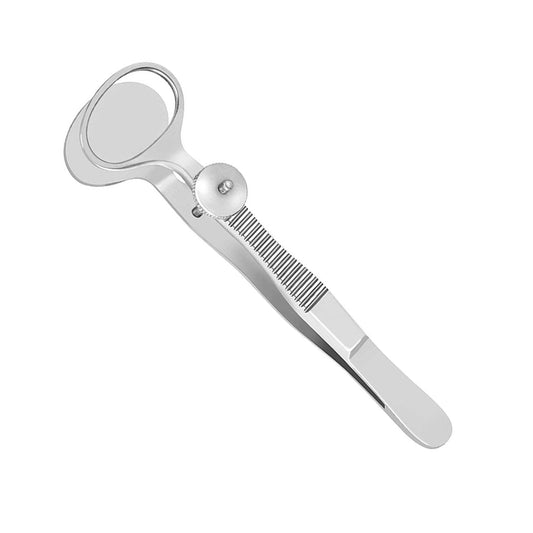
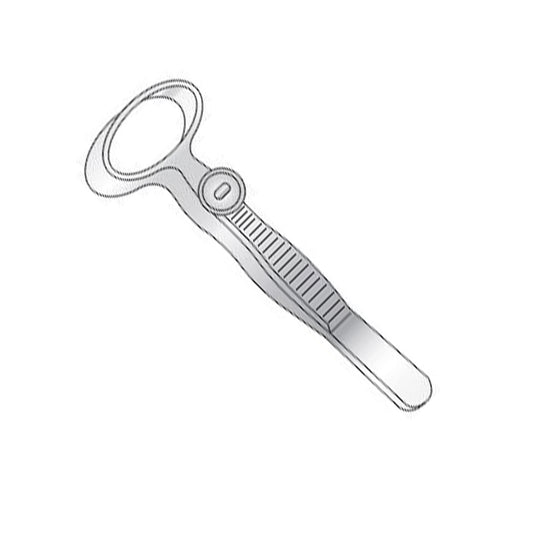
Chalazion forceps (Baird Chalazion Forceps, Desmarres Chalazion Forceps) work differently from grasping forceps entirely: they clamp around an eyelid lesion to stabilize it and control bleeding during chalazion excision, rather than grasping and lifting tissue. Iris Forceps 10cm, the standard Iris Forceps, and the McPherson Micro Iris and Suture Forceps handle iris tissue and fine suturing in combined procedures. Wildes Entropian Forceps are used during eyelid entropion repair. For specialty and retinal work, the collection includes Watzke Sleeve Spreading Forceps (scleral buckle procedures), Scleral Plug Forceps, Arruga Intracapsular Forceps, and Castroviejo Capsule Forceps. Lens and IOL-related forceps — the Prokera Lens Forceps and general Lens Forceps — support corneal bandage lens and intraocular lens handling.
Choosing the Right Forceps
Selection follows the surgical step rather than personal preference: capsulorhexis work calls for a Utrata-pattern forceps specifically, corneal suturing calls for a fine-tipped Sauer or Paufique pattern, and globe stabilization calls for a fixation forceps rather than any grasping pattern. Chalazion forceps are a distinct clamping tool and shouldn't be substituted for a grasping forceps or vice versa.
Related Instruments
Pair these with our Iris Forceps and Corneal Forceps collections for procedure-specific ranges, Titanium Forceps for lighter-weight options, and Suture / Dissecting Forceps for broader suturing needs. For entropion and eyelid work specifically, see Entropian Forceps. Browse the full Ophthalmic Sets catalog for sets, scissors, and retractors that complete an ophthalmic tray.
Frequently Asked Questions
What are the different types of ophthalmic forceps?
Ophthalmic forceps are grouped by surgical function: fixation forceps stabilize the globe, capsulorhexis forceps (like the Utrata pattern) open the lens capsule during cataract surgery, suturing forceps handle fine corneal sutures, and chalazion forceps clamp eyelid lesions for excision.
What is a Utrata forceps used for?
A Utrata forceps is used during cataract surgery to perform capsulorhexis — tearing a controlled, circular opening in the front of the lens capsule before the cataract is removed.
What's the difference between a fixation forceps and a globe fixation forceps?
Both terms describe the same function — stabilizing the eye itself during surgery — rather than grasping tissue. A fixation forceps like the Green pattern holds the globe steady so the surgeon can work with a stable field.
What is a chalazion forceps used for?
A chalazion forceps, such as the Baird or Desmarres pattern, clamps around an eyelid lesion to stabilize it and control bleeding during chalazion excision — it's a clamping instrument rather than a grasping forceps.
What forceps is used for corneal suturing?
Fine-tipped patterns like the Sauer, Paufique, or Castroviejo Corneal Suturing forceps are used to handle corneal sutures with minimal tissue trauma during corneal procedures.