Eye Speculum and Ophthalmic Retractors: Wire, Adjustable and Lid Retractors
An eye speculum holds the lids open so the surgeon can see and work, so the pattern you choose affects both exposure and comfort. This collection brings together 21 wire and adjustable eye specula, lid retractors and lacrimal sac retractors for ophthalmic surgery. Prices start from $7.92, and every item ships from Sialkot with worldwide delivery.
Wire Spring Specula
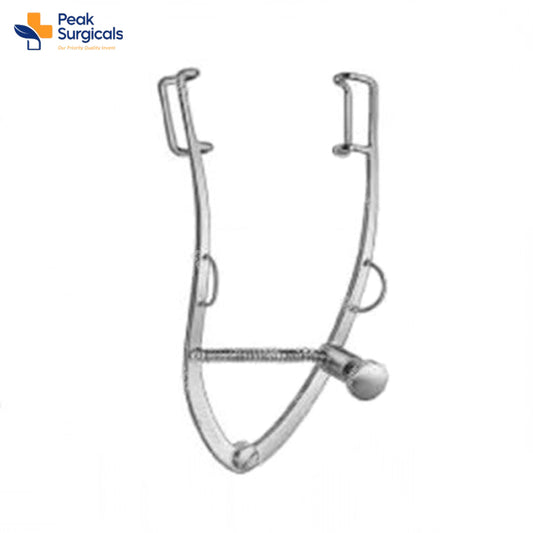
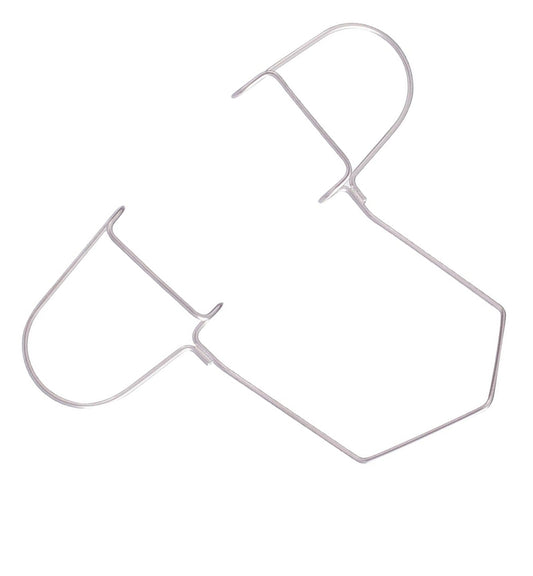
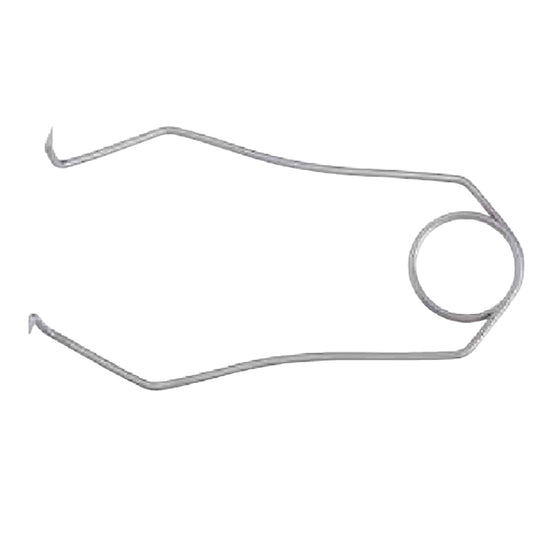
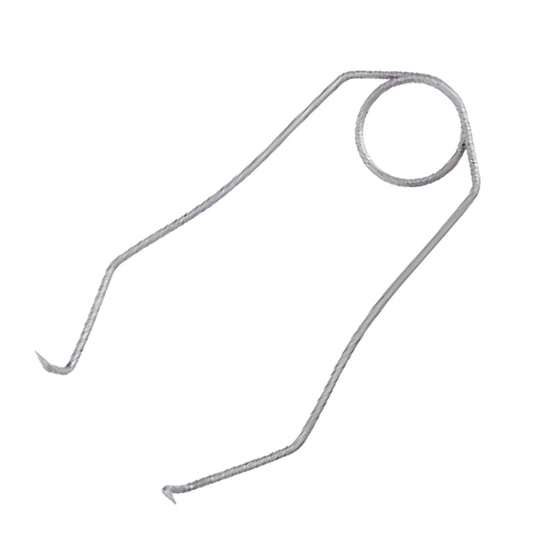
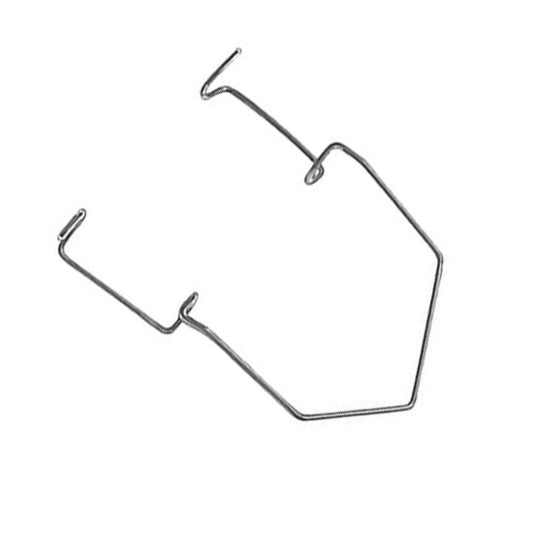
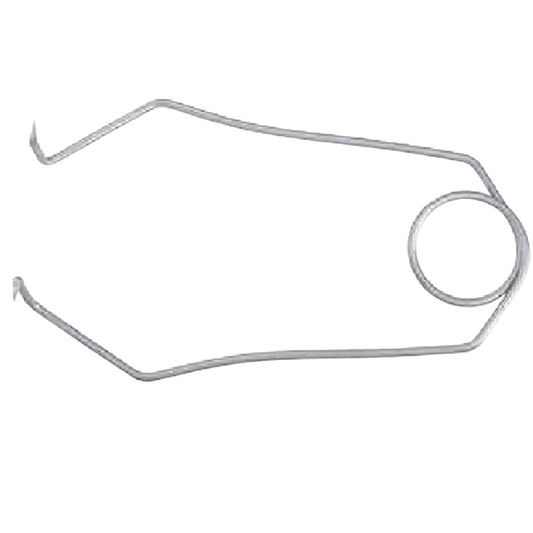
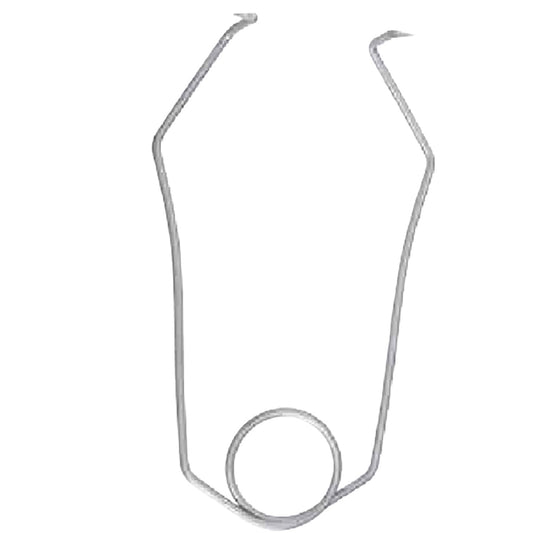
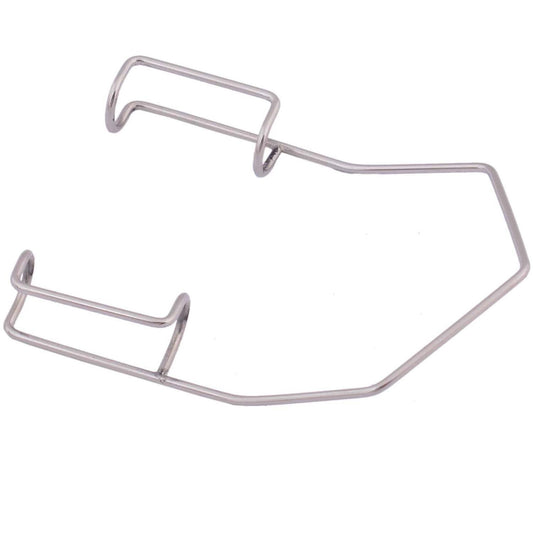
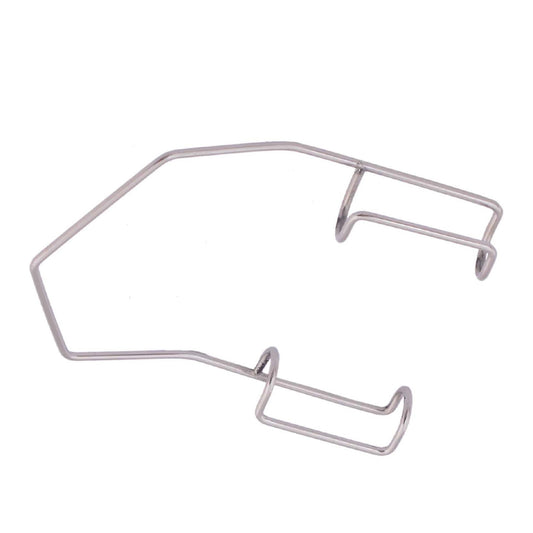
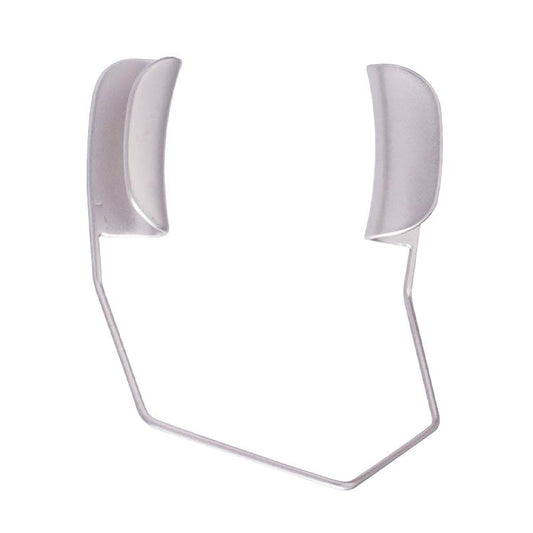
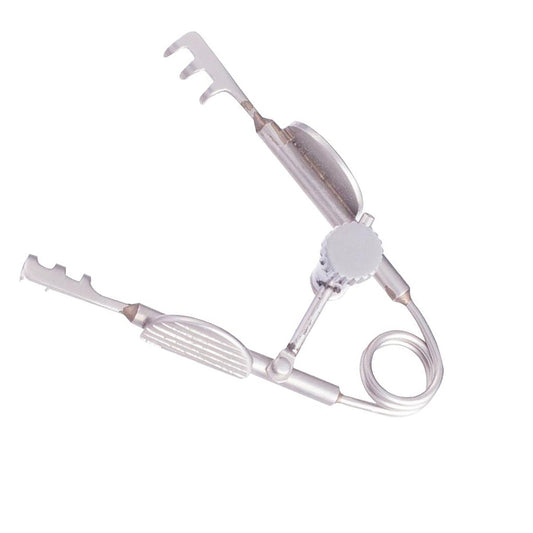
Wire specula hold the lids with a thin, springy loop that leaves the surgical field clear. The Barraquer Wire Eye Speculum is priced at $24.75, and a second Barraquer Wire Speculum listing is $22.00. Spring patterns rely on the metal’s own tension, so there is nothing to adjust. We also list the Kratz Barraquer Wire Eye Speculum at $21.45, the Thornton Wire Eye Speculum at $9.35 and the Eye Wire Speculum at $22.00, which are currently sold out.
Adjustable Specula
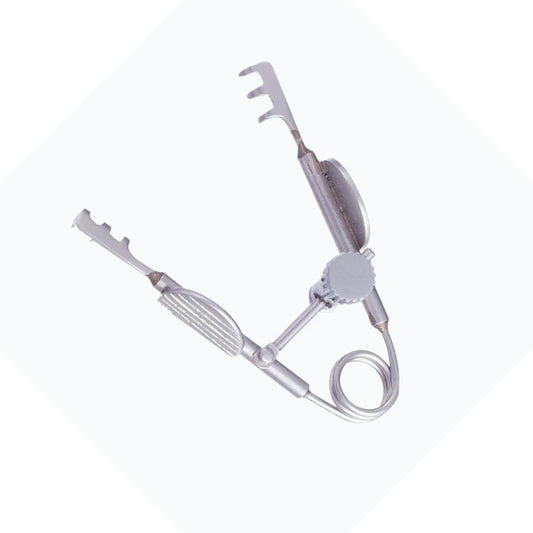
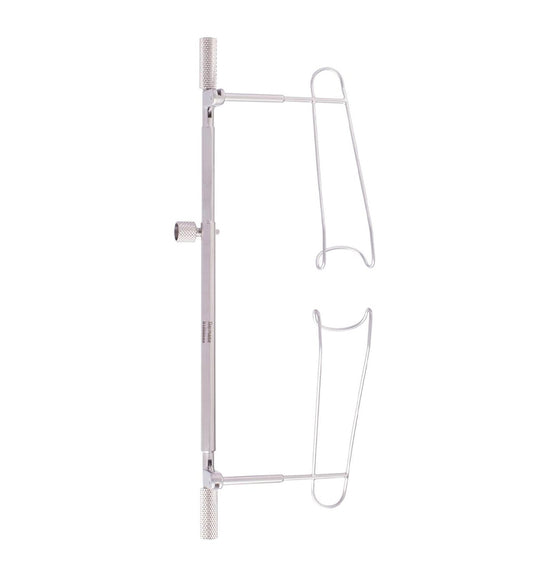
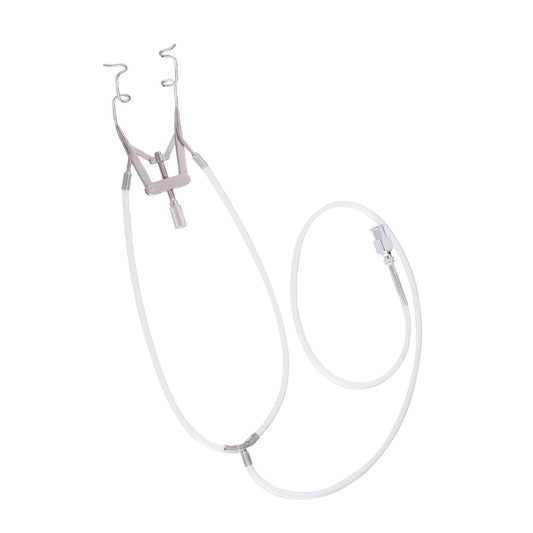
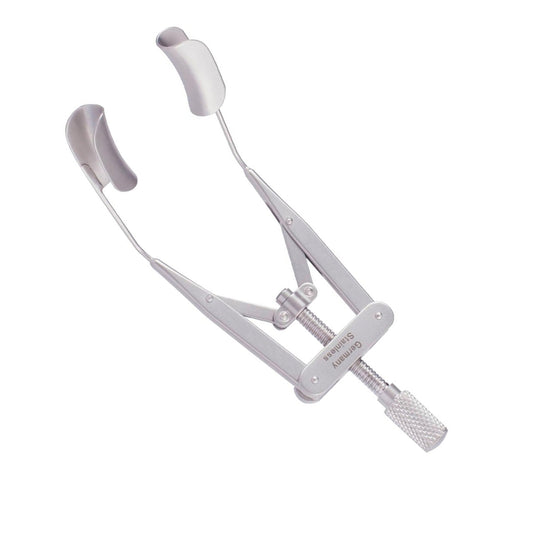
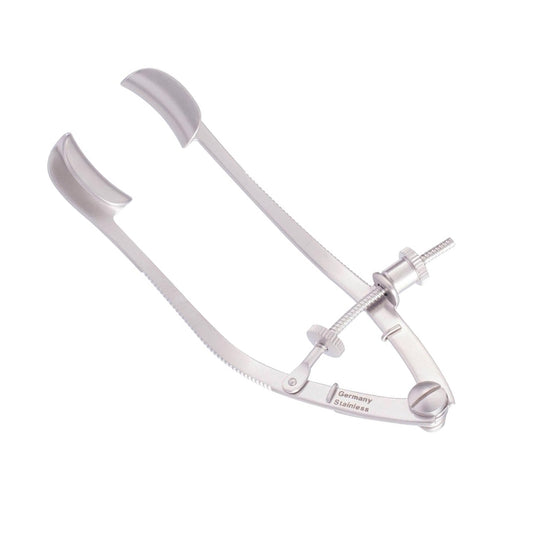
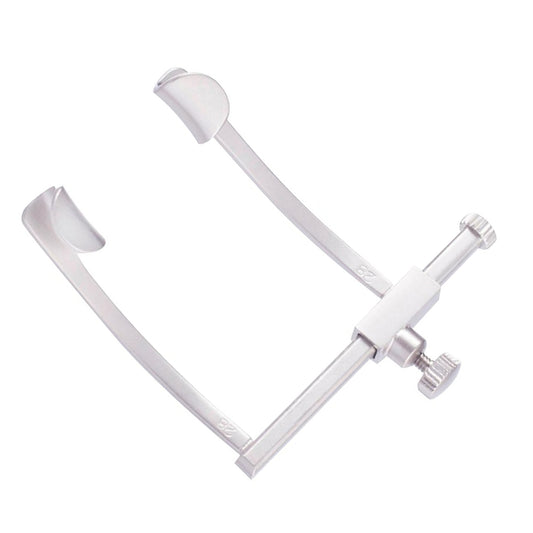
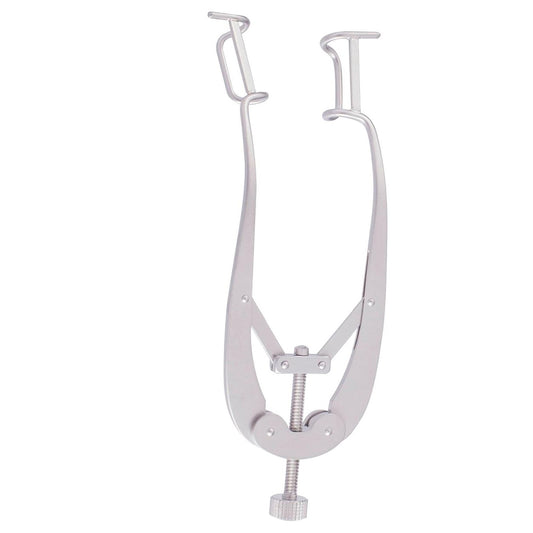
Adjustable specula let the surgeon set and lock the tension. The Castroviejo Eye Speculum is $44.00, and the Cook Eye Speculum is $66.00. Our Lieberman, Lancaster, Schott and Weiss specula, priced from $16.50 to $93.50, are also listed, but are sold out at the moment, so please contact us for availability. The Eye Speculum Set starts from $19.80, and the Eye Ophthalmic Speculum is $16.78.
Lid Retractors and Spring Retractors
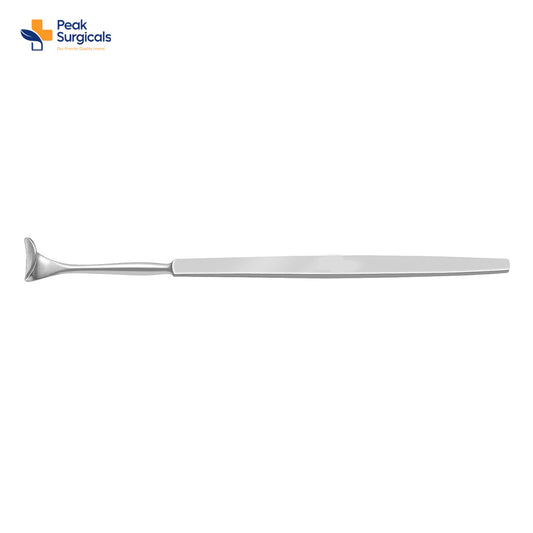
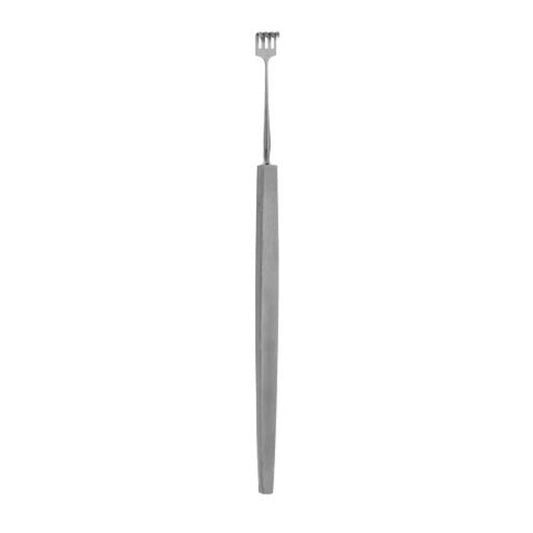
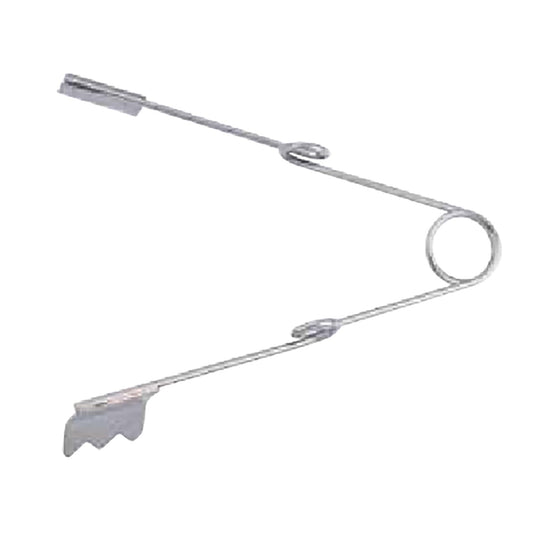
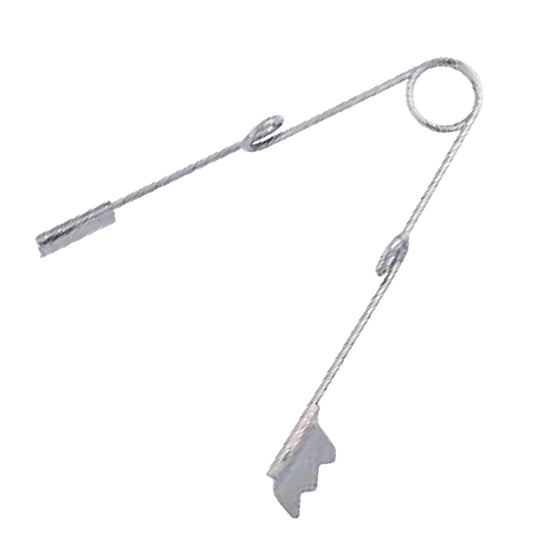
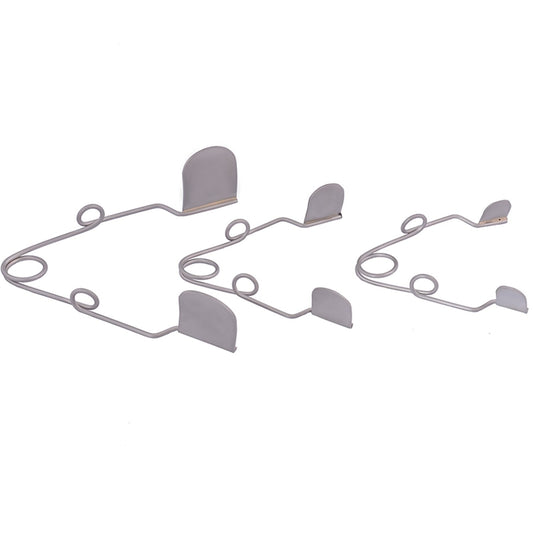
Retractors hold a single lid or tissue where a full speculum is too much. The Desmarres Lid Retractors start from $7.92 and are our most affordable item. The Farr Spring Retractor is $27.50, and the Spring Wire Retractors are $22.00 in multiple sizes and $38.50 in a single pattern.
Lacrimal Sac Retractors
For lacrimal work, we list the Knapp Lacrimal Sac Retractors at $9.90 and the Agrikola Lacrimal Sac Retractor at $33.00. Both are sold out, so please contact us for availability. See our lacrimal instruments for the wider range.
Choosing the Right Pattern
Think about the procedure and the patient. Wire patterns keep the field open, and adjustable patterns give more control over tension. Blade width should suit the patient, since a blade that is too wide won’t seat and one that is too narrow can let the lid roll over it. Check each product page for sizes and options.
Care and Handling
Check blade edges and the spring or screw before each case, and look for burrs, bends or weak spring action. Clean promptly and dry fully, following your facility’s reprocessing protocol.
Ordering
Orders over $99 ship free. Clinics and distributors can ask about volume or OEM options through our contact page.
Frequently Asked Questions
What is the difference between a wire and an adjustable eye speculum?
Wire specula rely on spring tension and have nothing to adjust, while adjustable specula can be set and locked. Compare the Barraquer Wire and Castroviejo specula.
What is a lid retractor used for?
It holds or everts a single lid where a full speculum would be too much. See the Desmarres Lid Retractors.
How do I choose blade width?
Choose a width that suits the patient. Smaller blades suit children and wider blades suit adults. Check each product page for sizes.
Are the instruments reusable?
Yes. Reusable stainless steel instruments can be cleaned and sterilized between cases, following your facility’s protocol.
What are your shipping, return and OEM terms?
Orders over $99 ship free. See our Help & FAQs for details, or contact us about OEM requests.