
Featured Collection
Your cart
Featured Collection

PEAK SURGICAL
SKU:PS-Or_0010
Couldn't load pickup availability
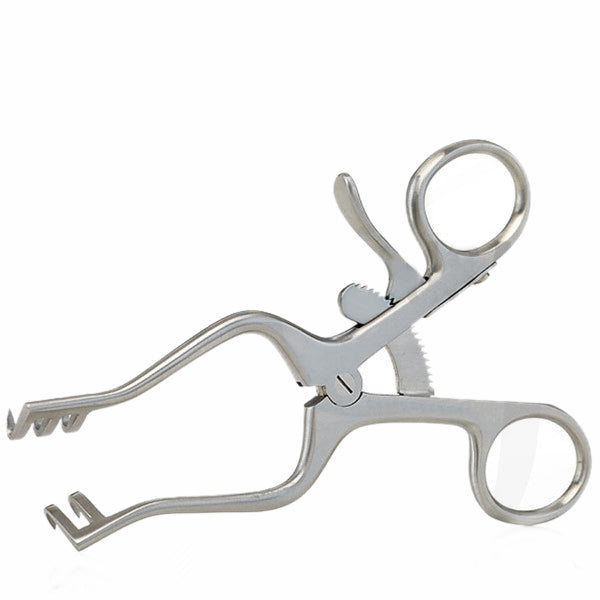
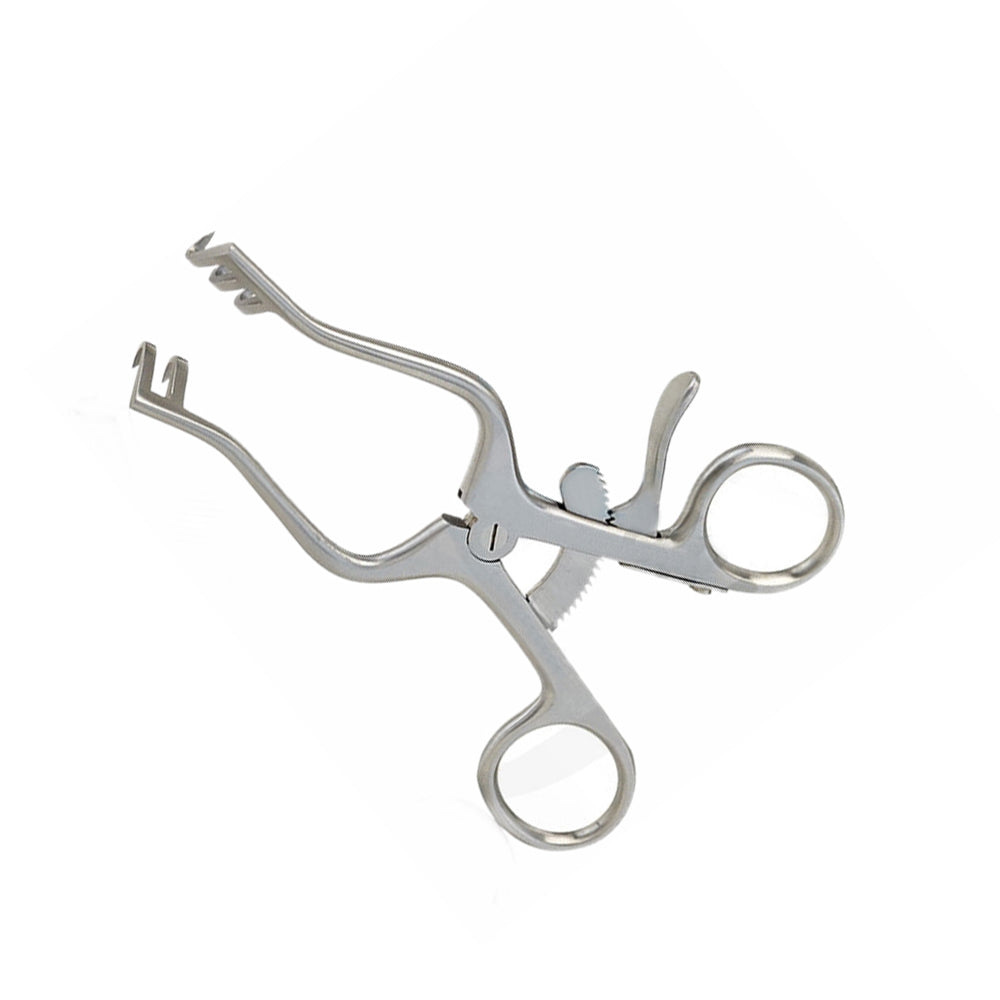
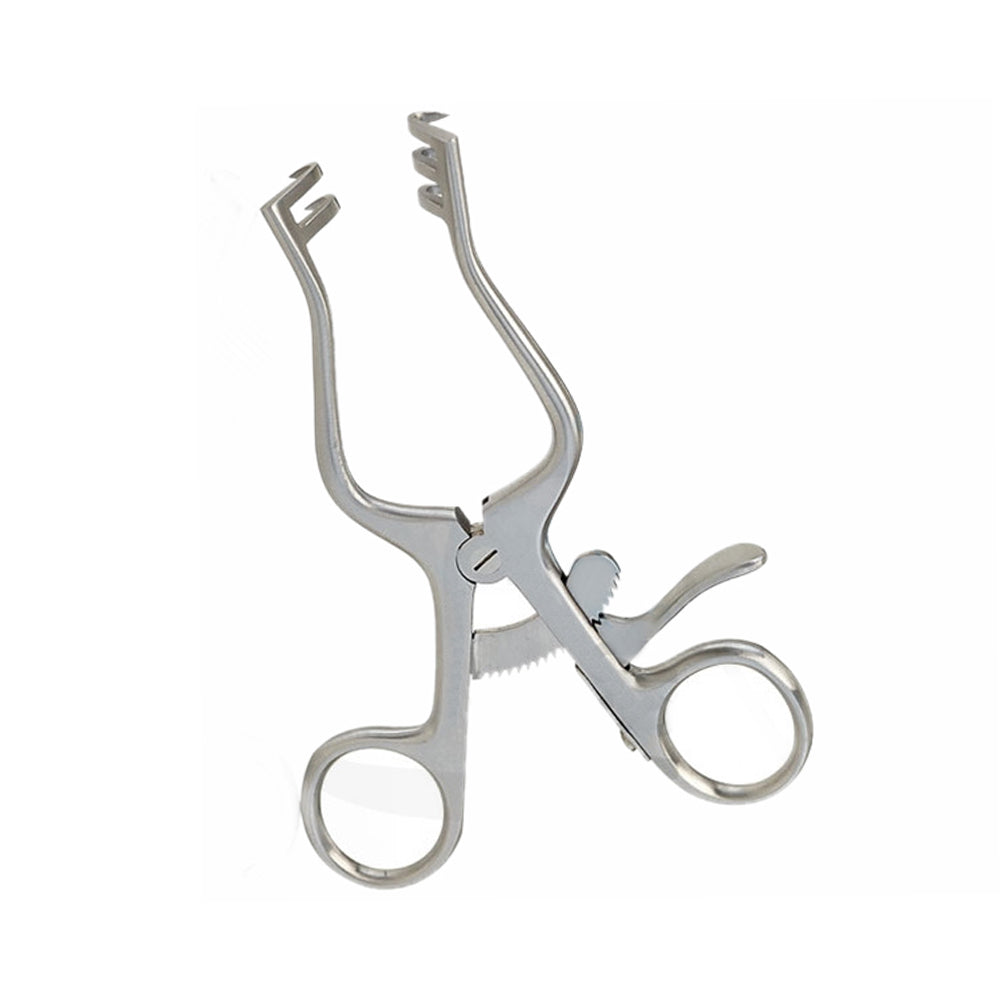
Overview of Weitlaner Retractor Sharp Prongs
The Weitlaner Retractor Sharp Prongs is an instrument for surgical self-retention that is widely utilized to ensure the exposure of soft tissues throughout different surgical procedures. It is named after Weitlaner, the Austrian doctor Franz Weitlaner, who developed the first design for this device, which is appreciated for its capacity to hold open incisions with no manual intervention. The sharp prongs make it especially efficient in grasping and holding hard or dense tissues in a secure manner, which makes it a vital instrument for neurosurgical and orthopedic procedures.
Made of high-end surgical stainless steel The Weitlaner Retractor is durable, durable and resistant to corrosion. It is also suitable for frequent sterilization. The self-retention mechanism of the device lets surgeons operate without their hands on the table, which improves precision and reduces fatigue when performing long-term procedures. Sharp prongs offer a solid grip on tissues without causing excessive injury, ensuring an uncontrolled retraction, and a clear view of the operating field.
Design and Structural Features
Its Weitlaner Retractor Sharp Prongs is designed with care to ensure durability and stability. Its most important structural characteristics include:
Sharp, pronged tips designed to hold securely fibrous or dense tissues
Self-retaining mechanism for ratcheting . The retractor remains in place without any manual holding
Curved or inclined blades help to increase the elevation of tissue and separation
Ergonomic handles allow for a comfortable position and control
Construction of stainless steel ensures long-lasting longevity and resistance to corrosion
The sharp prongs engage tissue effectively, preventing slippage during surgery. The ratchet mechanism holds the instrument in place after it is correctly positioned, freeing the surgeon's hands for suturing, dissection or other tasks. The ergonomic handles offer the ability to move and stability, while reducing the strain on your hands.
The blades' design allows the device to gently move tissues and lift them, enhancing visibility and accessibility to more complex structures.
Clinical Applications
The Weitlaner Retractor Sharp Prongs is widely used in a variety of surgical procedures, such as:
General surgical procedures (abdominal and thoracic soft tissue)
Orthopedic procedures to expose joints and bones
Operations in neurosurgery that require precise tissue retractions
Major and minor reconstructive surgeries
In orthopedic procedures, the device is used to keep fascia and muscles in check when surgeons are able to access bones to fix or graft. When performing general surgeries, the instrument allows access during abdominal and thoracic procedures, facilitating effective and secure dissection. Neurosurgeons typically employ it to retract soft tissue layers while protecting the delicate structures of neural tissue.
Advantages of Weitlaner Retractor Sharp Prongs
The instrument can provide several advantages in the surgical procedure:
Design that self-retains minimizes the requirement for manual retractions
Sharp prongs provide a secure tissue grip
Increased efficiency of surgery by allowing surgeons to use their hands
Sturdy steel structure made of stainless steel to last for years of use
Versatile application across multiple surgical specialties
In firmly holding tissue By securely holding tissue in place, the Weitlaner Retractor improves surgical precision and reduces the time needed for operative procedures and reduces fatigue, making it an essential tool in both simple and complicated procedures.
Sterilization and Maintenance
Since it is a surgical instrument that can be reused The Weitlaner Retractor Sharp Prongs have to be cleaned and sterilized following every procedure. It can be used with the standard autoclave sterilization techniques. When the autoclave is used, its prongs as well as the mechanism for ratcheting should be examined for wear, bending or accumulation of dirt to ensure that they function properly during future surgeries.
Regular maintenance maintains structural integrity, guarantees an uninvolved operation, and increases the life of the instrument, ensuring an unwavering surgical performance.


