
Featured Collection
Your cart
Featured Collection

PEAK SURGICALS
SKU:PS-VI-004
Couldn't load pickup availability
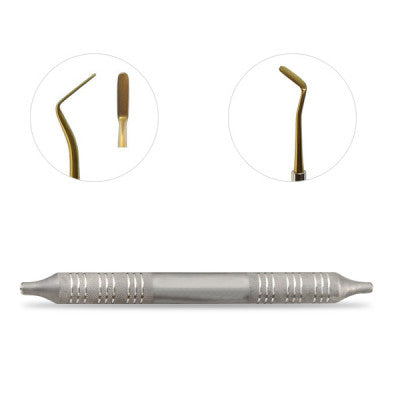
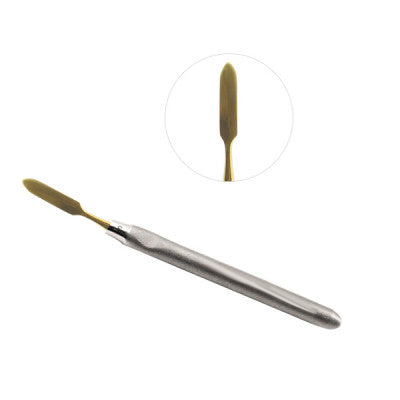
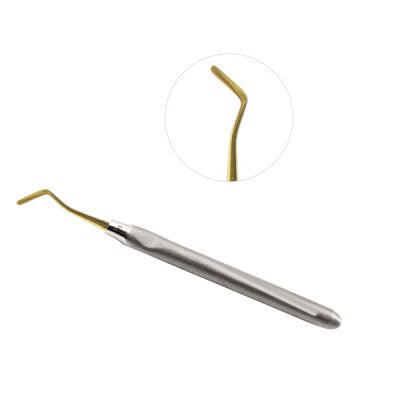
Composite Instrument (SKU: PS-VI-002) is a German stainless steel veterinary dental restorative instrument with double-ended gold-colored working tips for composite resin placement, marginal adaptation, surface contouring, and anatomical shaping during bonded restorative dentistry. The available style variants are Composite Instrument Style 2, Composite Instrument Style 4, Composite Instrument Style 5, Composite Instrument Style 6, Composite Instrument Style 7, Composite Instrument Style 9, Composite Instrument Style 11, Composite Instrument Style 16, Composite Instrument Style 17, and Composite Instrument Style 18. The instrument is used for Class I occlusal restorations, Class II proximal box adaptation, Class III incisal access, Class IV crown-edge repair, Class V cervical restoration, enamel defect repair, fractured crown restoration, sealant shaping, resin buildup, and final contouring in canine, feline, and exotic animal dentistry. Veterinary dentists, small animal oral surgery teams, general practitioners, dental residents, and procurement officers use this pattern in veterinary dental operatories, hospital dentistry units, teaching laboratories, and restorative procedure trays where controlled resin handling and fine working-end visibility are required.
The Composite Instrument works through two opposing angled working ends that allow the operator to place, spread, compress, and contour resin without changing instruments during the same restorative step. The gold-colored tips provide visual contrast against tooth structure, etched enamel, dentin bonding surfaces, and shade-matched composite, which helps the clinician define margins and sculpt surface anatomy under dental lighting. Each working end is offset from the handle axis, allowing the tip to reach cervical margins, proximal walls, occlusal grooves, incisal edges, and facial contours while the handle remains outside the direct sight line. The slim shanks improve access in small animal mouths where cheek clearance and opposing teeth restrict straight instruments. The cylindrical central handle balances both ends, while the knurled grip sections create tactile control for fingertip rotation. This control is important when adapting composite against a cavity floor, feathering a cervical margin, shaping a cusp incline, or refining an interdental contour before curing and finishing.
Clinical use begins after isolation, enamel preparation, etching, bonding, and resin selection. In Class I occlusal restorations, the working tip carries composite into pits, fissures, and prepared occlusal defects before the surface is shaped to restore cusp slope and central groove anatomy. In Class II restorations, the angled end adapts resin into proximal boxes and gingival seats where marginal voids compromise restoration integrity. In Class III and Class IV crown repair, the narrow offset tip contours incisal edges, facial surfaces, and lingual transitions after traumatic fracture or enamel loss. In Class V cervical restorations, the smooth spatula face adapts composite along the gingival margin without excessive bulk. Veterinary dentists also use the instrument for enamel defect repair, small bonding procedures, sealant shaping, and composite buildup around canine, premolar, and molar sites. The double-ended design supports continuous chairside workflow from initial placement to anatomical shaping before light curing, finishing strips, polishing discs, and occlusal adjustment are used.
Style 2 is selected for narrow anterior access, small cervical increments, and localized resin placement around incisor and canine margins. Style 4 gives a longer angled face for proximal wall adaptation and posterior box contouring. Style 5 supports medium-volume composite placement in occlusal defects and premolar restorations. Style 6 provides a broader shaping surface for facial contouring, veneer-style resin smoothing, and labial enamel repair. Style 7 is used for fissure definition, marginal ridge refinement, and small occlusal anatomy. Style 9 gives acute access for gingival seats, interproximal embrasures, and tight contact-adjacent areas. Style 11 supports curved surface blending across cervical and labial transitions. Style 16 is used for elongated posterior access where the operator needs reach into molar grooves and box floors. Style 17 supports offset contouring around canine and premolar cervical margins. Style 18 provides broader final smoothing for resin buildup and occlusal contour completion. These style options let procurement teams standardize restorative trays around cavity location, access angle, and composite handling preference.
German stainless steel construction gives the handle and shanks the rigidity required for controlled restorative pressure, repeated clinical handling, and routine sterilization turnover. The satin stainless body reduces reflective distraction under procedure lights, while the gold-colored working ends improve tip recognition during resin placement and contour refinement. The textured grip zones resist rotation in gloved fingers when bonding agent, saliva, water spray, or resin residue is present. Autoclave compatibility allows the instrument to return to restorative trays after cleaning, inspection, packaging, sterilization, drying, and storage according to clinic workflow. The reusable Class I profile fits a manually operated dental hand instrument used for nonpowered restorative placement and shaping. CE marking, ISO 13485 certification, and FDA compliance support procurement documentation for veterinary hospitals, dental clinics, distributors, and institutional buyers. The one-year warranty, OEM availability, one-piece MOQ, carton-box packing, and return and replacement service support single-instrument replacement as well as standardized tray sourcing for multi-chair dental practices and teaching programs.
| SKU | PS-VI-002 |
|---|---|
| Product Name | Composite Instrument |
| Price | $16.46 |
| Size/Gauge Variants | Style 2, Style 4, Style 5, Style 6, Style 7, Style 9, Style 11, Style 16, Style 17, Style 18 |
| Instrument Category | Veterinary dental composite placement and contouring instrument |
| Procedure | Composite resin placement, marginal adaptation, Class I restoration, Class II box adaptation, Class III and IV crown repair, Class V cervical restoration, enamel defect repair, sealant shaping |
| Material | German stainless steel |
| Finish | Satin stainless handle with gold-colored restorative working tips |
| Sterilization | Reusable and autoclavable after standard instrument cleaning |
| Instrument Classification | Class I reusable veterinary dental restorative hand instrument |
| Reusable | Yes |
| Certifications | CE marked, ISO 13485 certified, FDA compliant |
| Warranty | 1 year |
| MOQ | 1 piece |
| OEM / Custom Orders | Available |
| After-Sale Service | Return and replacement support |
How does the Composite Instrument compare with an amalgam condenser?
The Composite Instrument is built for resin placement, contouring, and marginal adaptation, while an amalgam condenser is designed to compact amalgam alloy into a prepared cavity. An amalgam condenser uses flat or serrated plugger ends to apply vertical condensation pressure. The Composite Instrument uses smooth angled working tips that spread and shape resin against enamel, dentin, cavity walls, and restorative margins. This difference is important because composite requires adaptation, surface contouring, and anatomical shaping before curing rather than heavy condensation. The Composite Instrument is stronger for veterinary bonded restorations, fractured crown repair, sealant shaping, and cervical resin work. An amalgam condenser belongs in a different restorative sequence where mechanical packing pressure is the central function.
Which style should be selected for anterior, cervical, proximal, and occlusal restorative sites?
The Composite Instrument in Style 2 is selected for narrow anterior margins, small resin increments, and tight incisor or canine access. Style 4 and Style 9 are used when proximal boxes, gingival seats, and interproximal embrasures require an angled approach. Style 5, Style 7, and Style 16 support occlusal work because their working ends allow resin placement, groove definition, and posterior surface shaping. Style 6, Style 11, Style 17, and Style 18 support broader contouring across cervical, labial, and facial surfaces. In veterinary dentistry, this selection follows tooth position, cavity class, access corridor, and the surface that needs resin adaptation. Matching the style to the restorative site keeps the working end aligned with the margin and reduces unnecessary instrument changes.
How do CE, ISO 13485, and FDA compliance support procurement?
The Composite Instrument supports procurement programs that require documented sourcing for reusable dental hand instruments. CE marking supports international conformity records for regulated veterinary and dental purchasing. ISO 13485 certification supports manufacturing controls, inspection consistency, traceability, and quality-system documentation. FDA compliance language supports USA-facing procurement files where device sourcing and supplier details are reviewed. These credentials help clinics, hospitals, distributors, and teaching laboratories standardize restorative trays across multiple operators. The one-year warranty, OEM availability, one-piece MOQ, and return and replacement service also support repeat purchasing and distributor supply planning.
How is the knurled handle used during composite placement?
The knurled handle is the primary control feature on the Composite Instrument. The operator holds it in a modified pen grip to rotate the angled working end during resin placement, margin feathering, and anatomical shaping. The textured grip prevents slipping when gloves contact bonding agent, water spray, saliva, or uncured resin. During cervical restoration, the handle is rolled between the fingertips so the working tip follows the gingival margin without lifting the composite increment. During occlusal contouring, fingertip rotation helps define cusp inclines, grooves, and marginal ridges. The double-ended construction then allows the clinician to reverse the instrument for a different access angle without leaving the operative field.
What role does this instrument serve in a veterinary restorative dental tray?
The Composite Instrument serves as a placement and shaping tool in veterinary dental trays used for bonded restoration, enamel repair, sealant placement, and fractured crown repair. It is placed with explorers, periodontal probes, mirrors, restorative carriers, finishing strips, polishing instruments, curettes, scalers, suction tips, and light-curing accessories. After cavity preparation and bonding, it carries and adapts resin into the prepared site before curing. It also shapes occlusal anatomy and smooths cervical or facial margins before final finishing. The reusable stainless steel construction supports repeated tray cycling in clinics that perform routine dental treatment, oral surgery follow-up care, and restorative dentistry. Its style range lets a clinic keep several working-end geometries available for different restorative surfaces.
