
Featured Collection
Your cart
Featured Collection

PEAK SURGICALS
SKU:PS-Or_0026
Couldn't load pickup availability
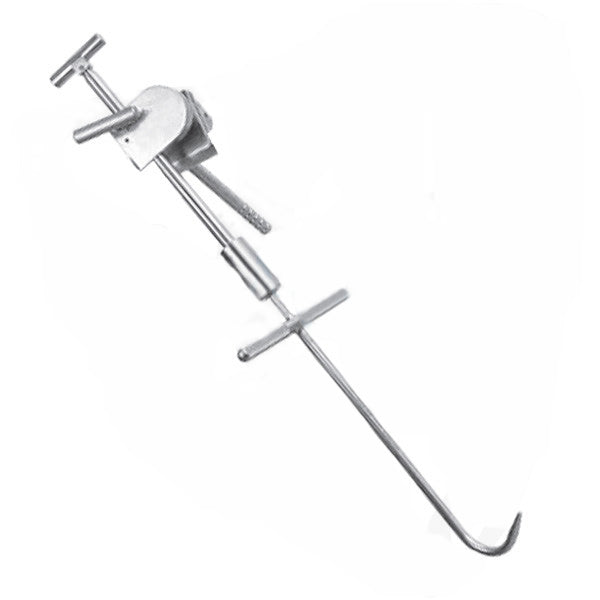
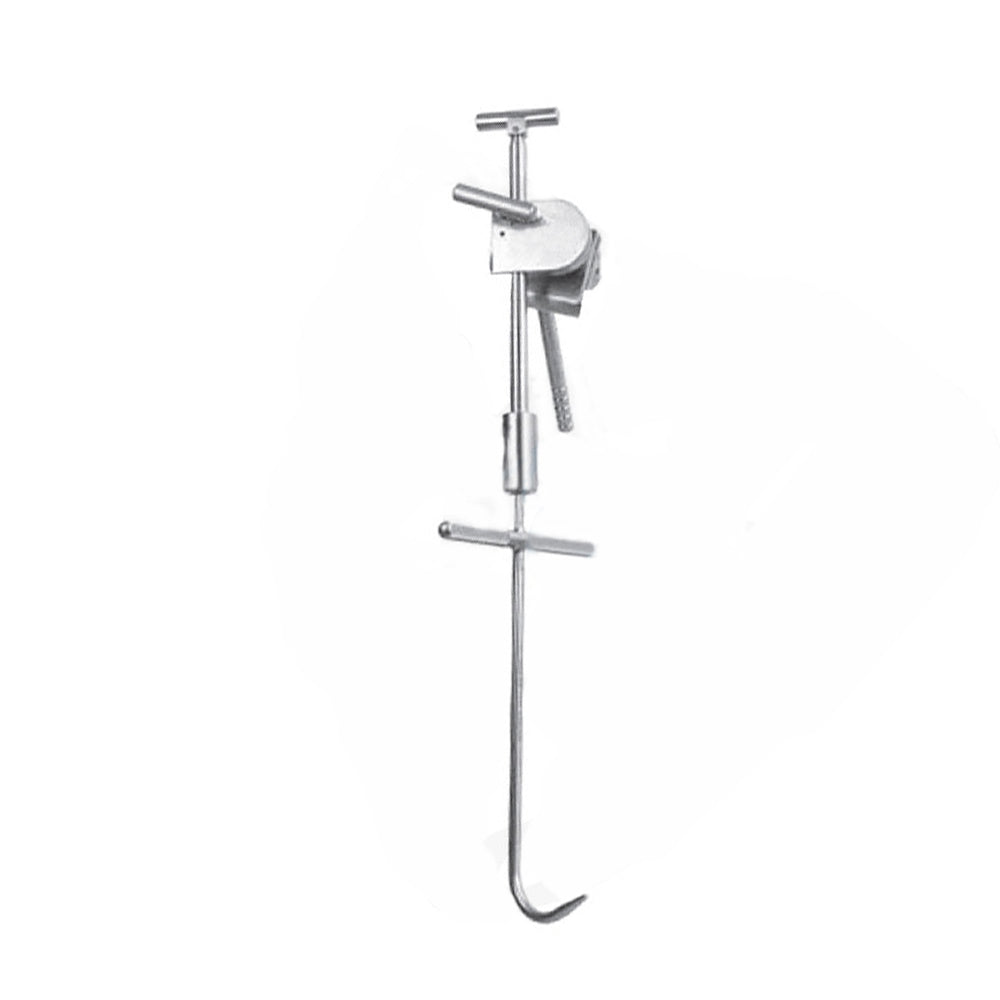
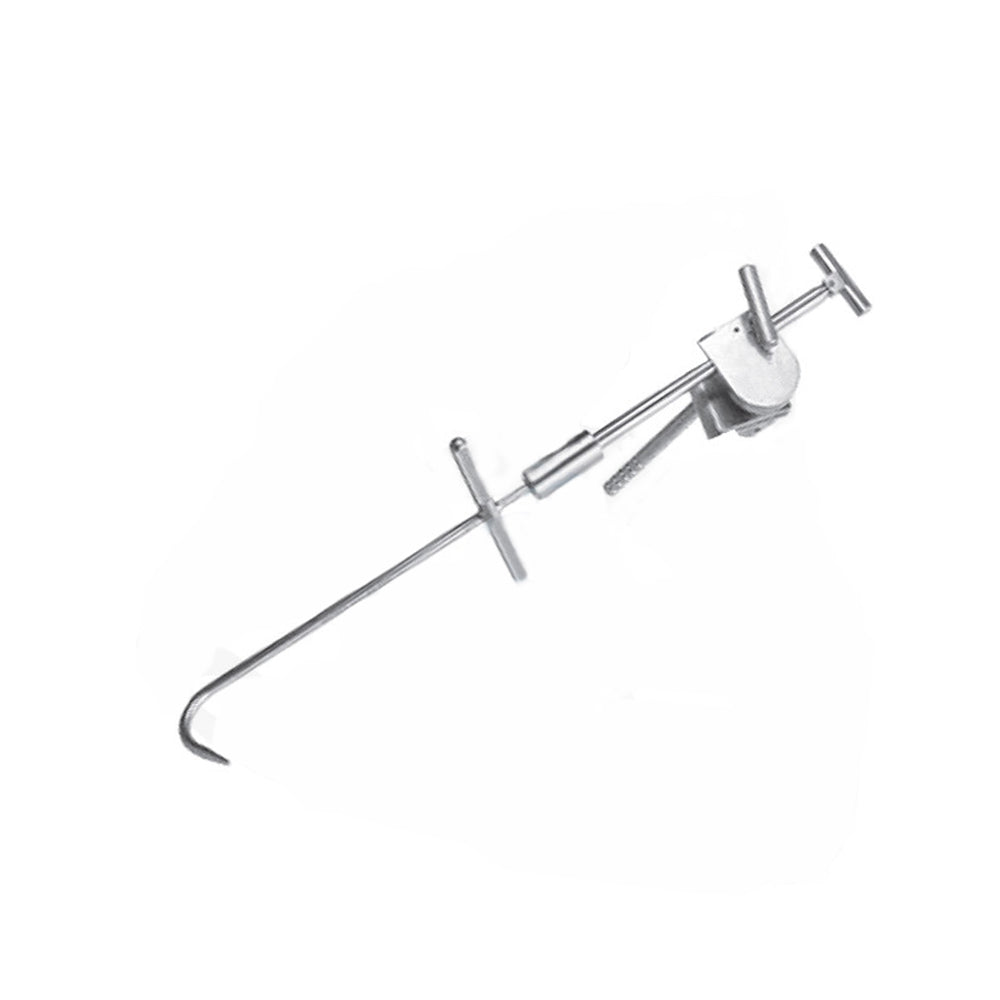
It is the Proximal Femoral Hook is an instrument for orthopedics that is designed to offer controllable manipulation and stability of the proximal femur in complicated surgical procedures. It is frequently utilized in plate fixation procedures and direct extensions of lateral approaches in cases where the safe control of the bone structure is essential to ensure accurate alignment and fixing. In reconstructive and trauma surgery, precision and stability are crucial, and the Proximal Femoral Hook plays an essential part in getting both.
Built to last and be reliable, the instrument allows surgeons to apply constant tension and position to the proximal part of the femur without causing irreparable harm to the surrounding tissues. The design facilitates efficient workflow during procedures that require exposed and controlled structural stability.
Clinical Applications in Orthopedic Surgery
Role in Plate Fixation Methods
For proximal fractures of the femur, plate fixation remains a commonly used surgical technique. This Proximal Femoral Hook aids doctors in manipulating the femoral region when placing plates. The proper aligning of the bone pieces is vital for healing as well as implant strength.
The hook allows surgeons to:
Reduce fracture fragments accurately
Maintain consistent traction during fixation
Enhance the visualization of the operational field
Providing a firm, yet controlled contact in the bone device increases the precision of the insertion of screws and plate positions.
Use in Direct Lateral Approach Extensions
When performing procedures that require direct side-to-side access to the hip, prolonged exposure might be necessary to repair fractures with a high degree of complexity or for reconstructive operations. Proximal Femoral Hook Proximal Femoral Hook assists in retraction and mobilization of the proximal femur to allow better access without causing the risk of causing excessive disruption to soft tissues.
The ability of the bone to be held securely guarantees the stability of manipulation, decreasing risks during surgery and ensuring an effective surgical procedure.
Design and Structural Features
Robust Hook Configuration
The main characteristic that distinguishes this Proximal Femoral Hook is its sturdy hooked tip that is curved, specifically designed to grip the proximal femur securely. This curvature permits stability while also reducing the chance of slippage during traction.
The most important design elements typically comprise:
A strong shaft that is reinforced to provide optimal leverage
A polished, smooth hook that reduces bone surface trauma.
An ergonomic handle designed for control grip and control.
These features enable doctors to use force accurately and safely when performing difficult procedures.
Material Quality and Sterilization
Produced using high-quality surgical stainless steel The Proximal Femoral Hook is extremely resistant to mechanical stress and corrosion. It's designed to withstand multiple sterilization cycles, which include autoclaving without damaging the structural quality. This makes it durable enough to last in large orthopedic operating rooms.
Advantages in Surgical Practice
The Proximal Femoral Hook offers many benefits that can be utilized in reconstructive and traumatic surgery:
Better control of bone placement
Increased accuracy in fracture reduction
Stable support during plate fixation
Reducing intraoperative adjustments
In aiding in the precise manipulating and stabilizing, this instrument aids in efficiency and may even improve outcomes for patients.
Conclusion
The Proximal Femoral Hook is an important tool for plate fixation and direct extension of lateral approaches. The strong hook design, robust construction and ergonomic handle make it essential in the treatment of orthopedic injuries and reconstructive procedures. Through enabling precise osteo alignment as well as controlled traction, this instrument aids in the precision of surgical procedures, improves efficiency in workflow, and helps in achieving success in fixing outcomes.


