
Featured Collection
Your cart
Featured Collection

PEAK SURGICAL
SKU:PS-Or_0028
Couldn't load pickup availability
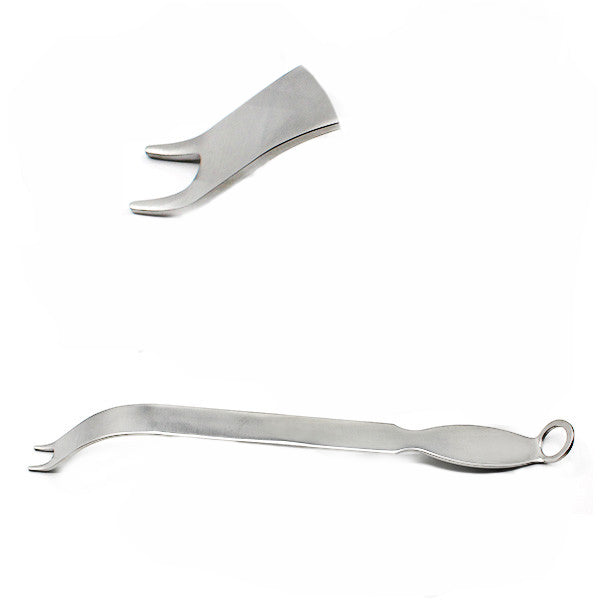
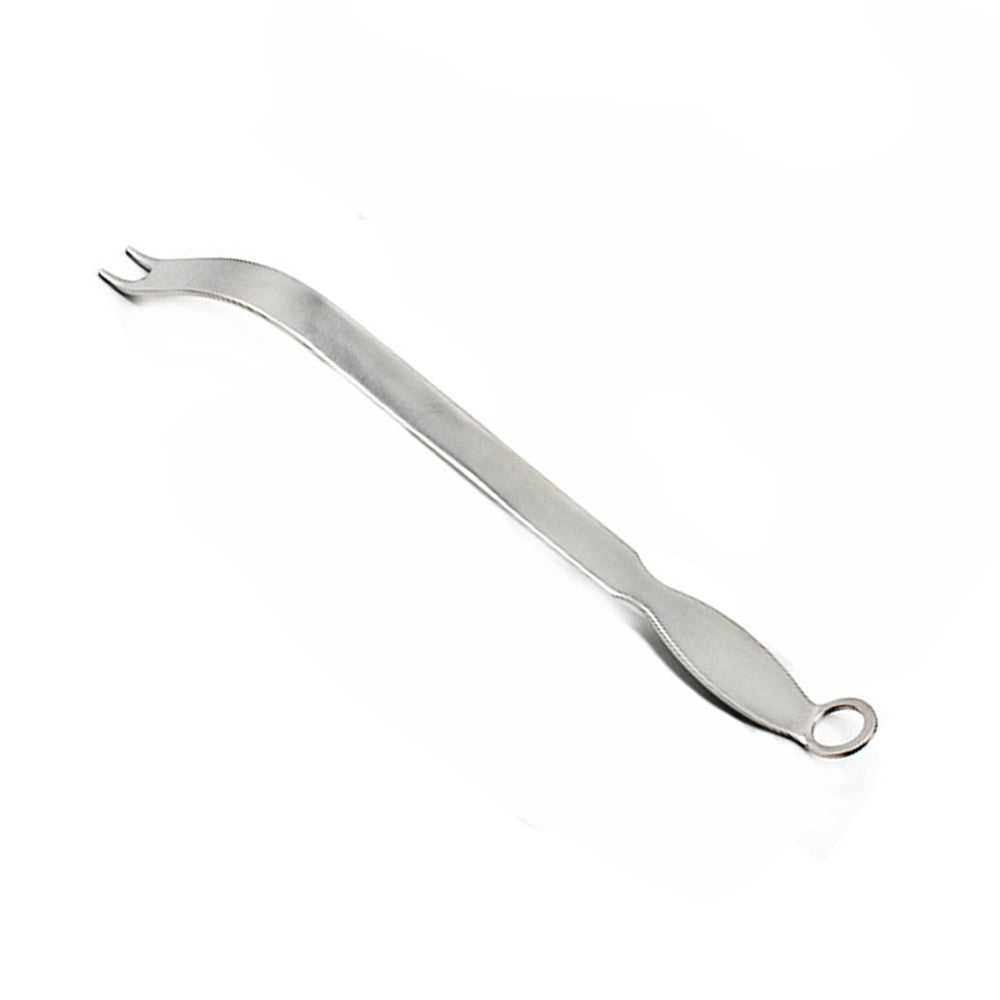
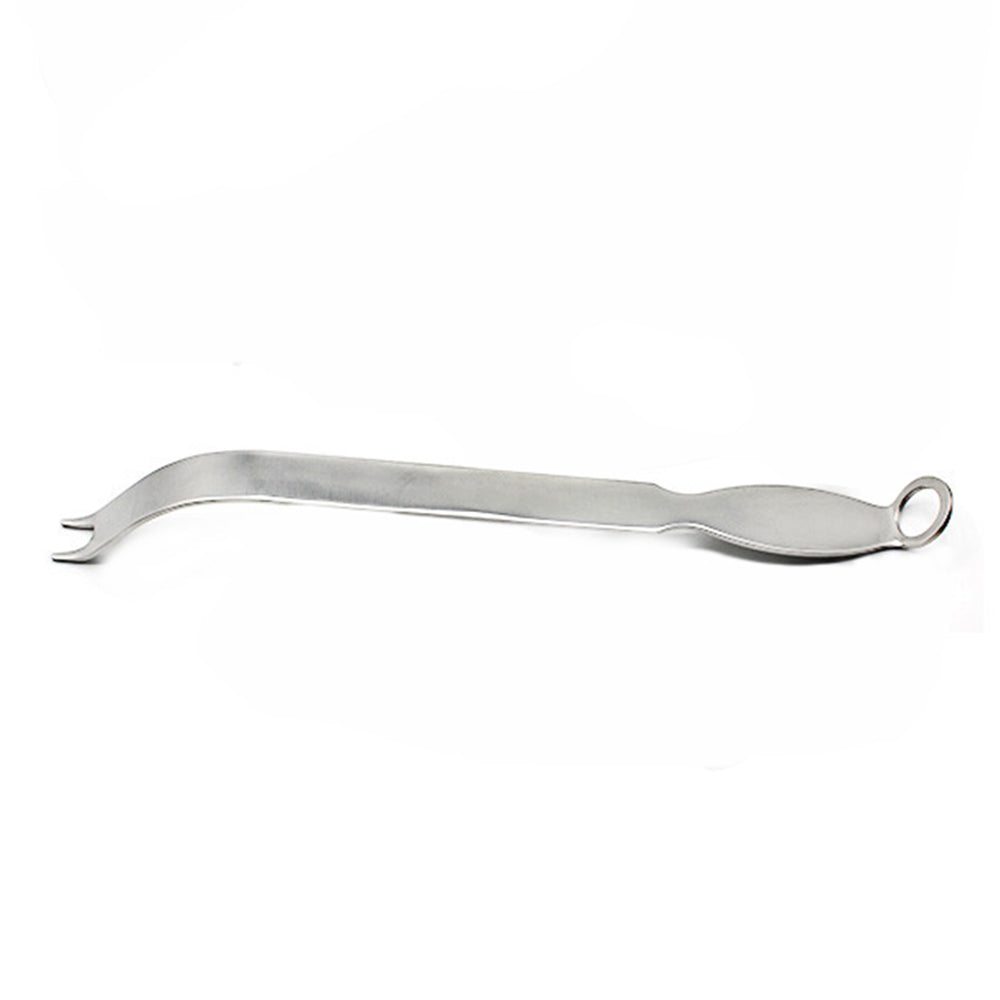
The Greater Trochanteric Retractor is an instrument for orthopedics that is extensively used during anterior approach total hip joint arthroplasty (THA). It is designed to allow maximum access to the distal femur as well as surrounding structures. This retractor is crucial in ensuring accuracy, safety and effectiveness when performing the hip replacement procedure. As less invasive approaches to anterior surgery become more popular, the need for retractors specifically designed to meet the needs of patients like those of the Greater Trochanteric Retractor continues to increase.
For anterior hip surgery, clear visualization and controlled control of soft tissue are crucial. A Greater Trochanteric Retractor enables surgeons to pull muscle and soft tissues around the trochanter in a controlled manner and create a stable surgical field with minimal trauma.
Clinical Importance in Anterior Approach THA
Optimizing Surgical Exposure
When performing an anterior approach to total hip arthroplasty, the surgical path requires the careful navigation of muscles planes. Its Greater Trochanteric Retractor is specifically created to retract the tissues around the greater trochanter. This allows better visibility of the femoral canal as well as the proximal femur.
This enhanced access facilitates precise femoral preparation and implant placement. Through consistent retractions, the instrument decreases the requirement for multiple adjustments, making the procedure more efficient and reducing the time needed for intraoperative delays.
Supporting Minimally Invasive Techniques
A posterior approach to THA is usually associated with less muscle damage and quicker recovery times. It is a great technique for the Greater Trochanteric Retractor complements this technique through:
Stable and controlled tissue retraction that is controlled and stable
Limiting the pressure that is placed on soft tissues
Enhancing visibility within a narrow surgical window
The precise positioning of the incision allows surgeons to operate efficiently in smaller incisions while ensuring high accuracy.
Design and Structural Features
Anatomically Contoured Blade
A Greater Trochanteric Retractor typically features a curvature or anatomically contoured blade that is shaped to match the form of the larger trochanter. This makes sure that the blade is secure with the bone, while also protecting the soft tissues and muscles around it.
Design elements that are essential to design typically comprise:
Polished edges that are smooth and smooth to lessen irritation to tissues
A robust shaft for dependable leverage
An ergonomic handle to improve control and grip.
These features ensure stability during preparation for the femoral femur and implant placement.
Material and Durability
Produced using high-quality surgical stainless steel The Greater Trochanteric Retractor is resistant to corrosion and is capable of enduring repeated sterilization cycles. The sturdy construction guarantees longevity in high-volume orthopedic environments, which makes it a vital part of hip arthroplasty equipment sets.
Advantages in Orthopedic Practice
The Greater Trochanteric Retractor offers several advantages in hip replacement procedures.
The proximal femur
Soft tissue trauma is lessened
Improved accuracy of implant alignment
Greater operative efficiency
Providing the safe and controlled retraction of patients, this instrument can contribute to better procedure workflows and could lead to improved outcomes for patients.
Conclusion
The Greater Trochanteric Retractor is an essential instrument in anterior approach total hip arthroplasty. Its anatomical shape, sturdy construction and the ability to ensure consistent exposure make it essential in the modern world of orthopedic surgery. Through improving visibility and minimizing the chance of tissue damage, it supports precise-driven procedures and assists in optimizing overall surgical efficiency.


