
Featured Collection
Your cart
Featured Collection

PEAK SURGICALS
SKU:PS-VS-00801
Couldn't load pickup availability
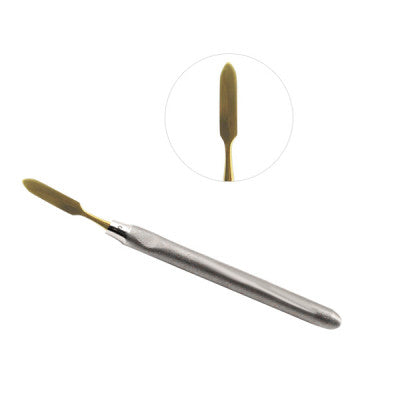
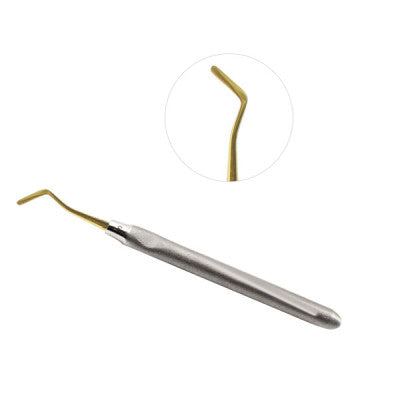
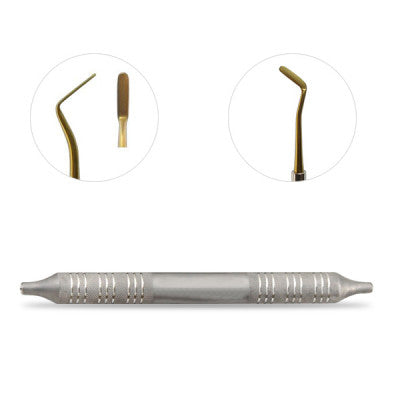
Overview of Composite Instrument Multiple Sizes
The Composite Instrument in Multiple Sizes is an indispensable instrument in the modern world of restorative dentistry. It is specifically designed for placing, shaping, and contouring resins. Since composite restorations are continuing to substitute traditional dental materials for a variety of procedures, obtaining the appropriate instrument to ensure precise placement becomes essential. They come in various sizes and tip designs, allowing dental professionals to adjust to various dental preparations and clinical scenarios.
Composite materials require a careful handling technique to attain the proper anatomical structure along with marginal adaptation, as well as smoothness of the surface. A properly-designed composite instrument allows dentists to work with the material effectively without dragging, sticking, or causing gaps. The variety of sizes allows for more flexibility, which makes it simpler to treat anterior as well as posterior teeth with precision.
Made of premium surgical-grade stainless steel, these instruments are robust, corrosion-resistant and suitable for frequent sterilization. Their ergonomic design ensures the same level of performance throughout daily dental practice.
Design and Structural Features
The composite instruments are engineered to provide accuracy and convenience. Key design features include:
Different tip sizes and shapes for an incredibly versatile application
Soft, non-stick surfaces to avoid adhesion of material
A configuration with two ends to increase efficiency
Handle ergonomic design to improve grip and control
Construction of high-quality stainless steel for long-lasting use
The range of sizes available lets clinicians choose the appropriate instrument to make small anterior restorations or bigger posterior fillings. Round, flat or angled tips offer the ability to layer, sculpt and adjust the material for cavity walls.
The smooth surfaces of the work surface reduce stickiness, allowing for controlled positioning and shaping. The ergonomic grip reduces hand fatigue and provides better tactile feedback during precise contouring procedures.
Clinical Applications in Restorative Dentistry
Composite Instruments of Multiple Sizes are extensively used in:
Direct composite restorations
Aesthetic restorations for the anterior region
Posterior dental fillings
Composite veneer placement
Techniques for contouring and finishing
In restorative procedures, it assists in layering the composite resin slowly to ensure proper curing and limiting shrinkage. For anterior restorations, precise shape is vital to create the natural tooth anatomy and aesthetics, for posterior fillings with larger tips enable efficient material placement and a smoothing of the occlusal surface.
The flexibility offered by multiple sizes makes it possible to adapt optimally to different cavity shapes and depths, which improves the overall quality of restoration.
Advantages of Composite Instruments: Multiple Sizes
The Composite Instrument provides a variety of advantages:
Multiple sizes to meet different clinical situations
Increased control and precision when placing composites
Reducing the material's adhesion to smooth surfaces
Improved efficiency by using a double-ended design
A durable and recyclable construction
These benefits result in accurate restorations, better customer satisfaction, as well as a more efficient process flow in dental practices.
Sterilization and Maintenance
In order to be reusable, dental instruments, Composite Instruments must be completely cleaned and sterilized following every use. They can be used with standard autoclave sterilization methods. After cleaning, work tips should be checked to ensure that smooth surfaces are clean and free of any residue.
Maintaining the instrument in good condition will ensure its efficiency, increase longevity and assure the compliance of standards for infection control in the clinical setting.
