
Featured Collection
Your cart
Featured Collection

PEAK SURGICALS
SKU:PS-Or_0020
Couldn't load pickup availability
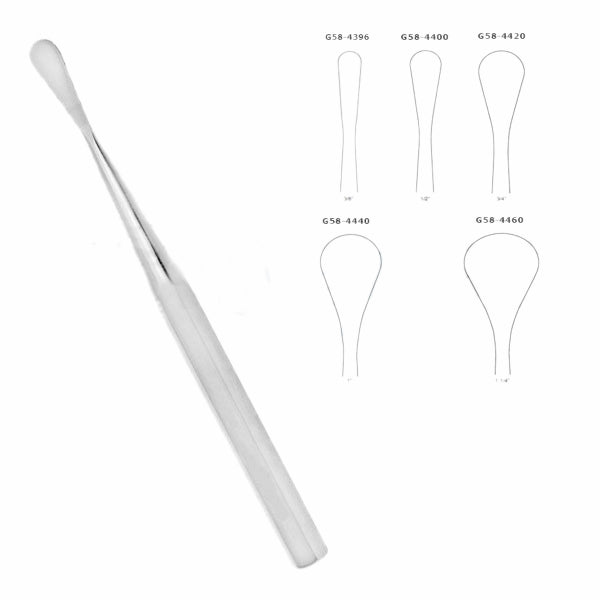
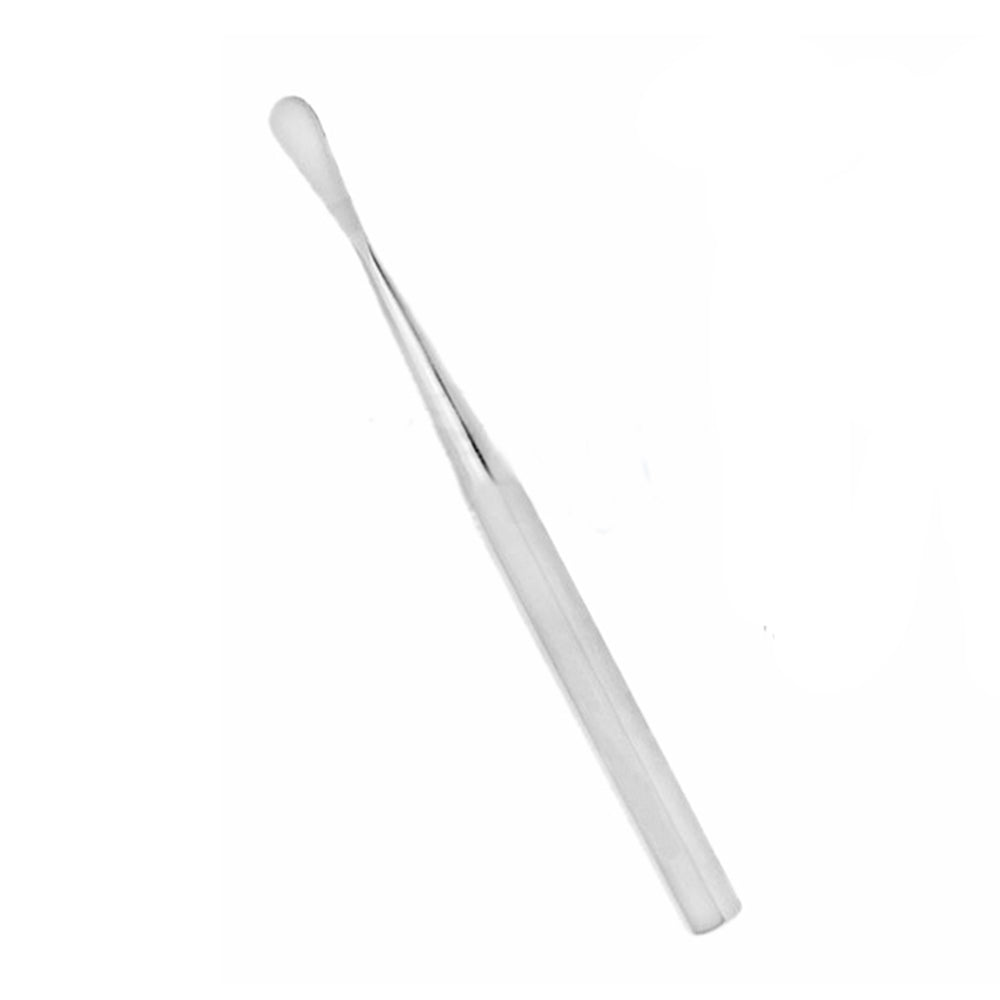
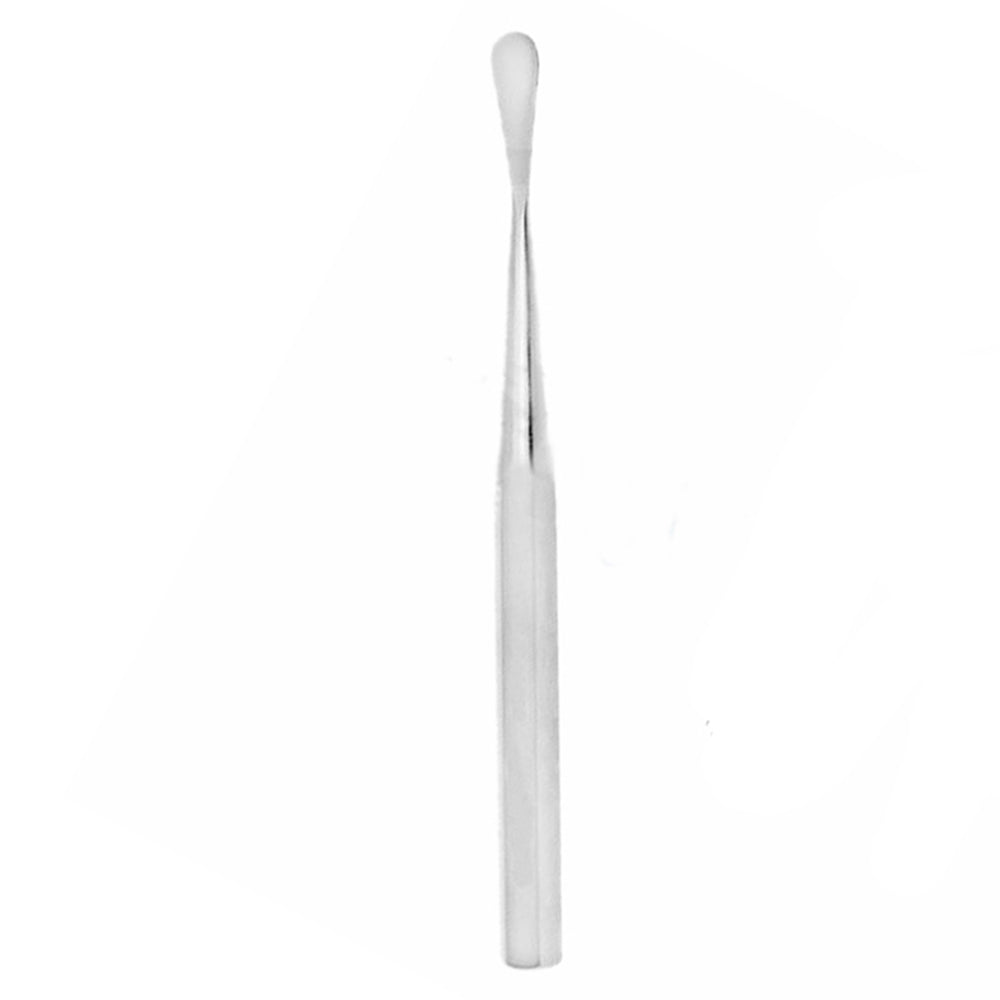
The Cobb Elevators with Hex Handle are orthopedic surgical instruments designed for controlled elevation and separation of soft tissue from bone surfaces. Their broad, flat blade provides a working surface for lifting fascia, periosteum, and related tissue layers, while the hexagonal handle supports controlled grip and rotational handling during orthopedic and spinal procedures.
The current Peak Surgicals model is identified as SKU PS-Or_0020 and is manufactured from surgical-grade steel. The Cobb pattern is particularly relevant in procedures where soft tissue must be elevated to expose underlying bone while maintaining controlled instrument positioning.
The Cobb Elevator incorporates a broad, flat working blade designed for tissue elevation along bone surfaces. The current product description also identifies slightly curved blade edges and a tapered, smooth working edge for controlled tissue separation.
The broad blade profile allows the instrument to engage a wider tissue area than narrow elevators and dissectors. Instrument selection should be based on the anatomical site, amount of exposure required, and the surgeon's preferred technique.
The defining feature of this model is its hexagonal handle. The multi-sided handle provides a distinct gripping surface that helps the surgeon maintain orientation and manual control while applying the force required for tissue elevation.
This configuration can be particularly useful when the instrument must be advanced or rotated in a controlled manner. The handle should be held according to the surgical technique and without applying unnecessary force to the working end.
A primary function of the Cobb Elevator is the controlled elevation of periosteum, fascia, and other soft-tissue layers from underlying bone. The tapered edge is used to enter the tissue plane, while the broader blade can then assist with continued separation and exposure.
The exact tissue plane and method of elevation should be determined by the operating surgeon according to the anatomy and procedure being performed.
The current Peak Surgicals product information specifically references spinal procedures. In spine surgery, Cobb elevators can be used during exposure when paraspinal soft tissues require separation from vertebral bone surfaces.
The required elevator size, blade position, and amount of tissue elevation depend on the spinal level, surgical approach, and surgeon's technique.
The product listing also references orthopedic surgery, trauma surgery, and reconstructive procedures. Cobb elevators may assist with obtaining bone exposure where surrounding soft tissue must be progressively elevated from the operative area.
They may also be incorporated into orthopedic instrument sets used for procedures where controlled access to bone surfaces is required. Clinical suitability should always be determined according to the individual procedure.
The current Peak Surgicals listing identifies the Cobb Elevator as being manufactured from surgical-grade steel. The rigid metallic construction supports the controlled force required during tissue elevation and is suitable for reusable professional surgical instrumentation.
The exact steel alloy grade is not stated on the current product page. Hospitals, distributors, or procurement departments requiring a particular material specification or certificate should confirm those details before ordering.
The Cobb Elevator with Hex Handle is listed as a reusable surgical instrument. Following use, it should be thoroughly cleaned, inspected, and reprocessed according to the applicable manufacturer's instructions and the healthcare facility's validated procedures.
Particular attention should be given to the blade edge, tip, shaft, and handle during inspection. The instrument should be checked for retained debris, corrosion, deformation, surface damage, or other deterioration before subsequent clinical use.
| Product Name | Cobb Elevators with Hex Handle |
| SKU | PS-Or_0020 |
| Instrument Type | Cobb Elevator / Periosteal Elevator |
| Pattern | Cobb |
| Handle Design | Hexagonal Handle |
| Blade Design | Broad, Flat Blade with Tapered Smooth Edge |
| Primary Function | Soft-Tissue and Periosteal Elevation from Bone |
| Specialty | Orthopedic / Spine Surgery |
| Referenced Applications | Orthopedic, Spinal, Trauma and Reconstructive Procedures |
| Material | Surgical-Grade Steel |
| Size | Selectable Option – Exact Values to Be Confirmed |
| Reuse | Reusable Surgical Instrument |
The Cobb Elevators with Hex Handle are relevant for orthopedic hospitals, spine surgery departments, trauma centers, reconstructive surgical services, medical distributors, and procurement teams sourcing reusable bone and soft-tissue elevation instruments.
For purchasing and inventory identification, buyers can reference SKU PS-Or_0020, the Cobb pattern, broad flat blade, and hexagonal handle configuration. Buyers requiring an exact blade width, overall length, steel alloy grade, or specific size should confirm those specifications before ordering because the exact available dimensions are not clearly stated in the accessible product listing.
A Cobb Elevator is designed for controlled elevation and separation of periosteum, fascia, and other soft tissues from underlying bone surfaces during surgical exposure.
Yes. The current Peak Surgicals product information specifically references spinal procedures, where Cobb elevators may be used during soft-tissue elevation from vertebral bone surfaces.
The hexagonal handle provides a defined gripping surface that supports controlled instrument orientation and handling during tissue elevation.
The current product description identifies a broad, flat blade with slightly curved edges and a tapered, smooth working edge.
The current Peak Surgicals listing identifies surgical-grade steel. The exact steel alloy grade is not specified on the product page.
The current Peak Surgicals SKU is PS-Or_0020.


