
Featured Collection
Your cart
Featured Collection

PEAK SURGICALS
SKU:PS-ES-0028
Couldn't load pickup availability
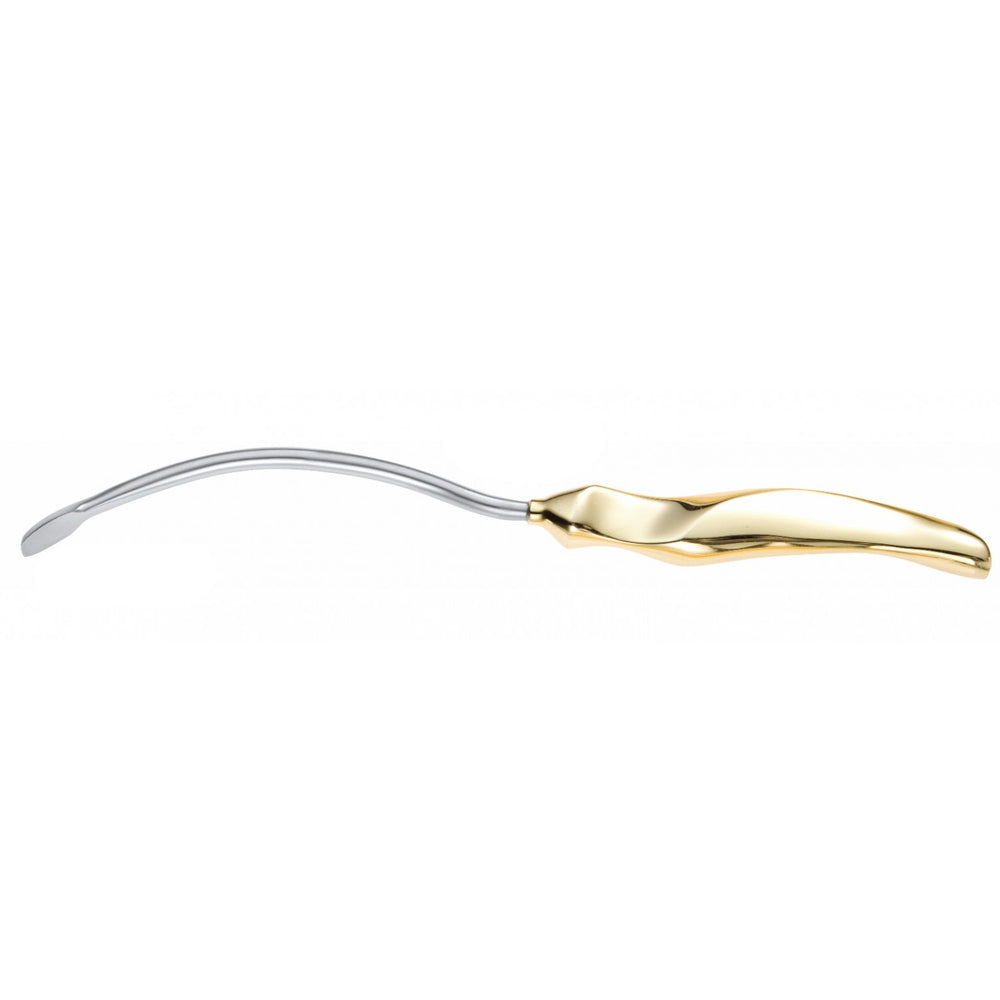
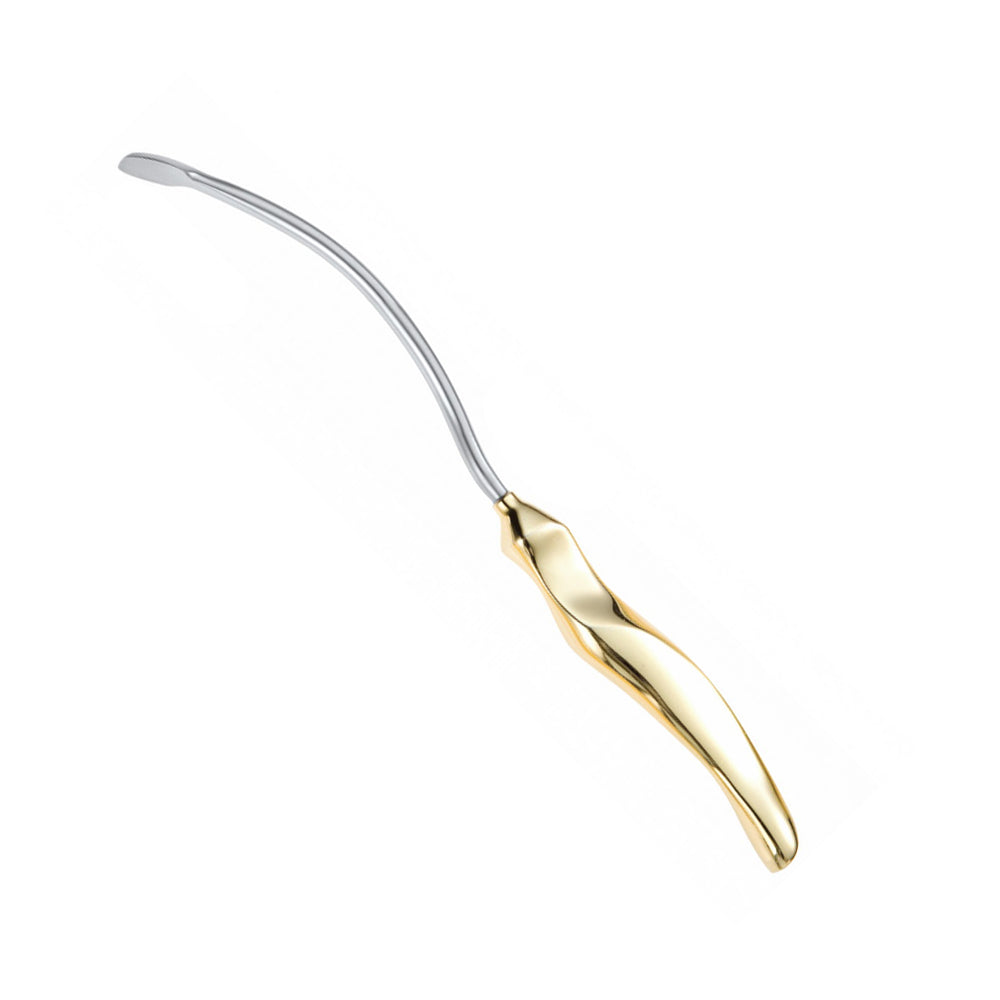
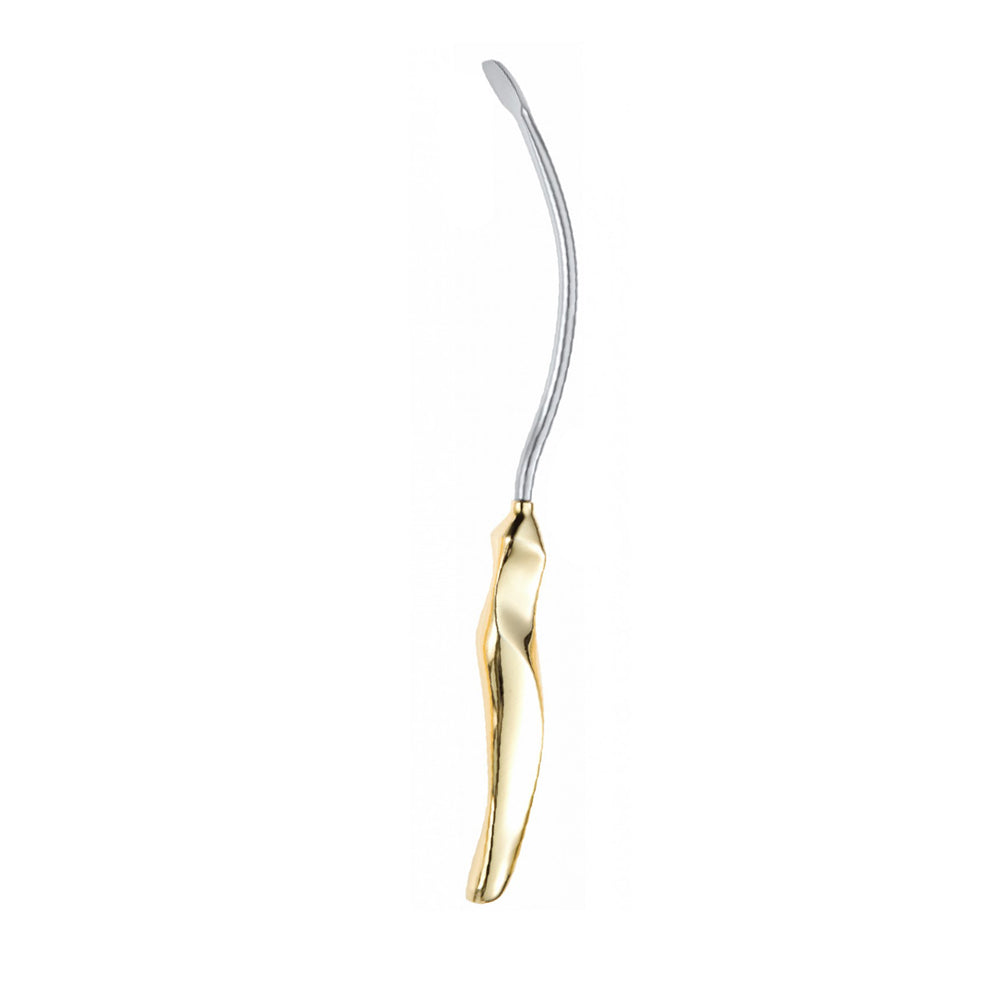
This Ramirez Type Endoscopic Forehead Dissector, measuring 26.5 cm (10-1/2"), is an instrument that is specifically designed to aid in the anterior scalp process of craniofacial surgery. Contrary to shorter elevators utilised to treat the delicate brow region, the version here is more elongated to make it easier to "blind", which is a type of endoscopic dissection of the vast surface of the skull.
It is employed to perform rapid subperiosteal and subgaleal dissection that allows surgeons to move the scalp towards the Vertex (top on the top of the skull) as well as at the level of the Occipital (back of the head). This manoeuvring is vital for ensuring that the entire scalp and forehead are able to be moved and held when performing the lift.
This dissector was designed for speed and coverage, while retaining the structural integrity necessary to raise fibrous tissue that is tough and strong.
Feature Specification
Material High-Grade Medical Stainless Steel
Overall Length 10-1/2" (26.5 cm)
Functional Focus Quick Posterior Scalp Dissection
Dissection Planes Subperiosteal (below that bone covering) in addition to Subgaleal (below the scalp)
Blade Profile : Wide and slightly curly to allow skull contouring
Handle It is ergonomic and weighted to provide maximum leverage
Sterilisation Fully Autoclavable
In the scenario of a "Ramirez-style" endoscopic lift, this 26.5 cm dissector is used for an extremely tactical function:
Its 26.5 millimetres is the ideal length to reach the top of the head after incisions that are made near the hairline. The surgeon's hand is prevented from getting far enough from the site of the incision, allowing a greater angle to leverage.
The surgeon can choose to operate on the subgaleal plane (easier and quicker) and more speedy. or the subperiosteal plan (bloodless and more secure for some nerves). This instrument has been designed to be able to smoothly pass through both planes, assuming the right angles of entry are maintained.
The shape of the tip is designed to allow "sweeping" motions. In posterior dissection, which is where visibility can be less than that of frontal dissection, feedback from the stainless steel instrument will inform the surgeon where they are in the proper plane.
Due to its length and the force that is often used on the scalp during dissection It is important to take care of it:
