Featured Collection
Your cart
Featured Collection

PEAK SURGICAL
SKU:PS-205-1
Couldn't load pickup availability
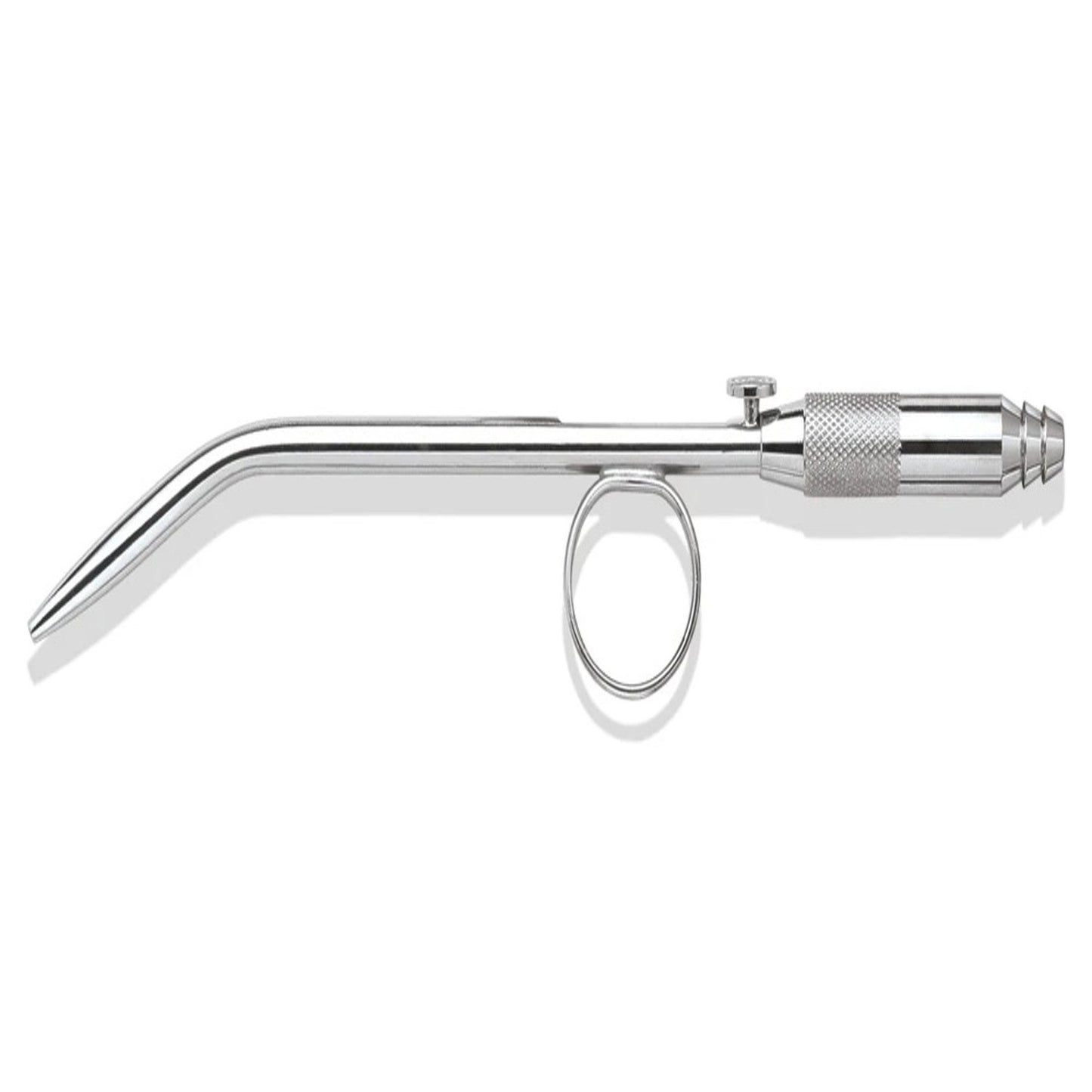
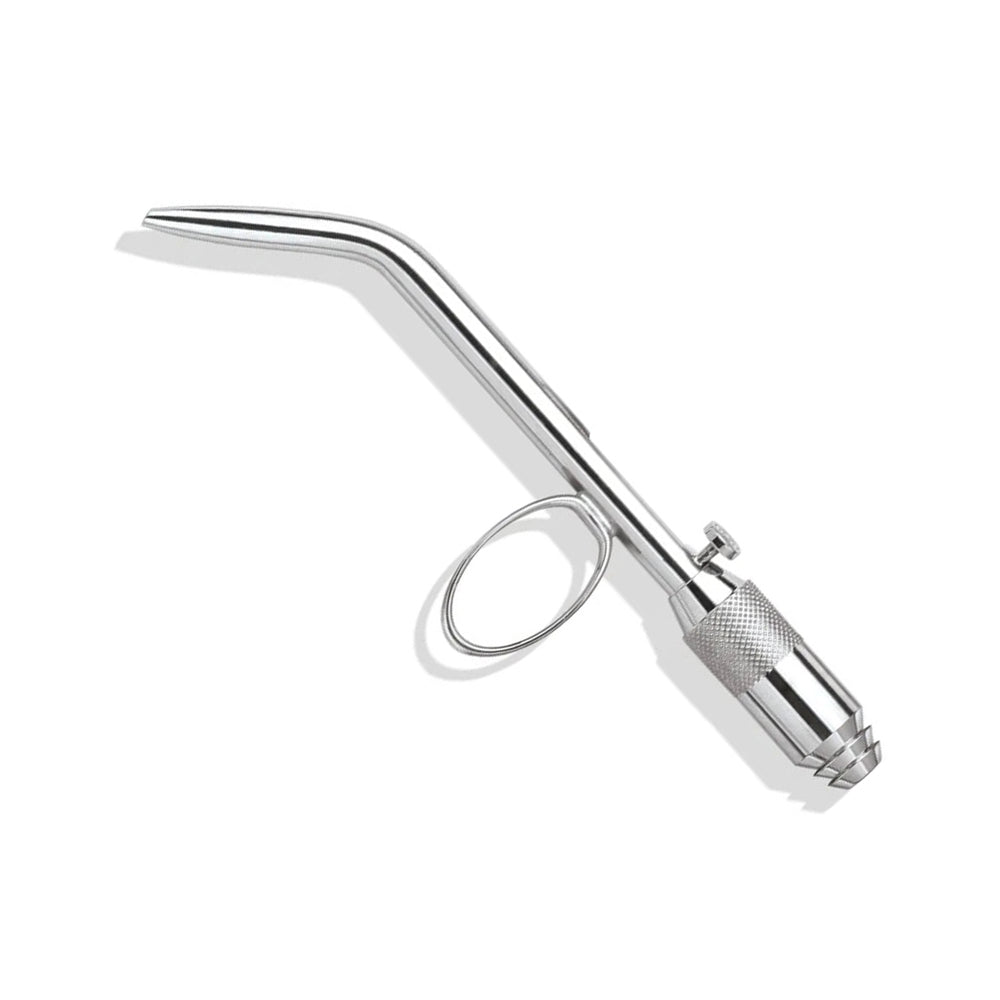
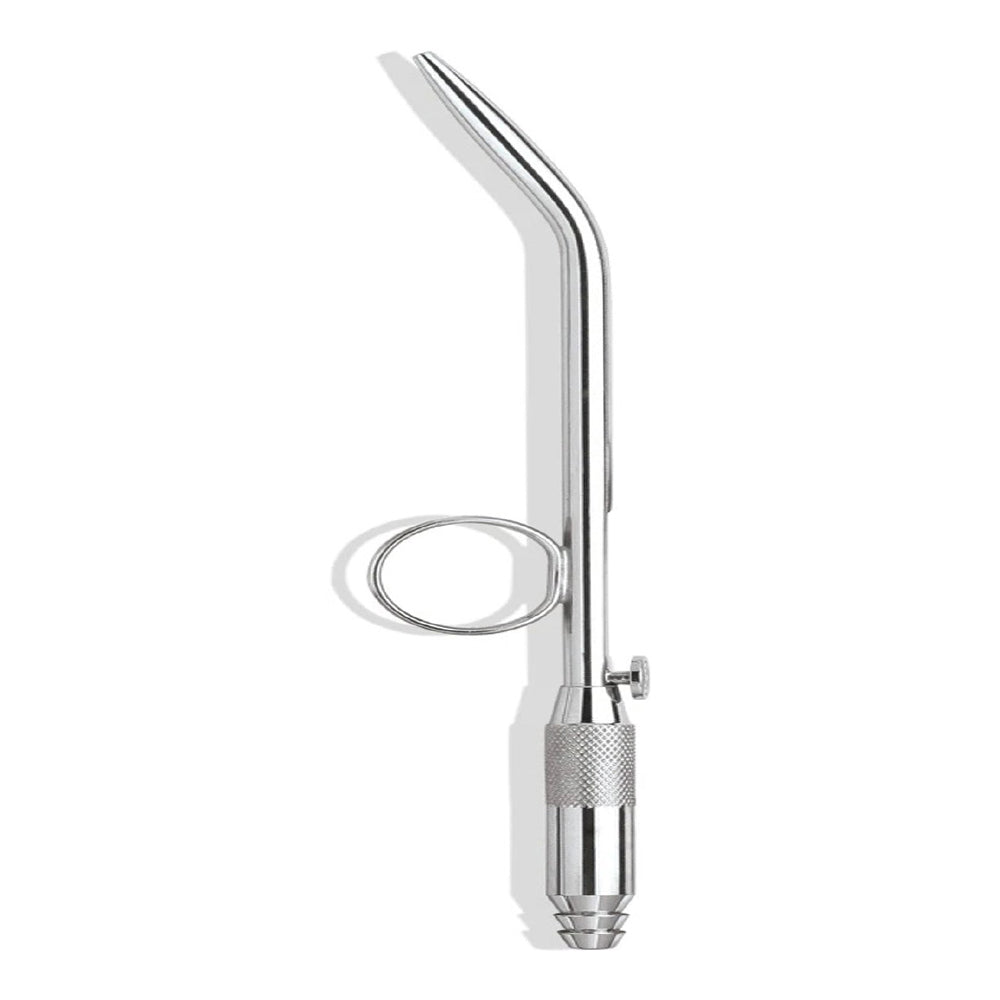
The No Clog Surgical Aspirator from Peak Surgicals (SKU: PS-205-1) is a reusable stainless steel suction instrument designed for controlled evacuation of blood, saliva, irrigation fluid, bone chips, tissue debris, exudate, and fragmented surgical material during dental, oral surgery, maxillofacial, orthopedic, trauma, and general surgical procedures. This aspirator is listed in 1.5MM, 2.5MM, and 3.0MM size variants, with each instrument priced at $14.30. The visible design includes an angled suction tube, smooth atraumatic distal tip, side fenestrated intake zone, internal suction lumen, ring-style stabilizing handle, thumb vent control port, knurled proximal connector, universal suction tubing interface, and rigid stainless steel body for continuous intraoperative fluid removal. Oral surgeons, dentists, maxillofacial surgeons, orthopedic surgeons, trauma surgeons, general surgeons, hospital operating room teams, outpatient dental clinics, ambulatory surgical centers, and procurement departments use this instrument during surgical extraction, implant osteotomy, cyst enucleation, periodontal surgery, maxillofacial fracture repair, debridement, bone drilling, wound irrigation, laminectomy exposure, arthroplasty preparation, trauma washout, and minor surgical suction workflow.
The No Clog pattern uses multiple side openings near the distal intake zone so suction can continue when the terminal opening contacts mucosa, bone, clot, gauze, tooth fragment, or tissue edge. This fenestrated design prevents a single blocked orifice from stopping vacuum flow during active fluid evacuation. The angled tube directs the working tip into deep or posterior spaces while keeping the handle and connector away from the direct operative line. The thumb vent control port allows the surgeon or assistant to regulate suction intensity by covering, partially covering, or releasing the vent during use. The ring-style handle supports stable finger positioning when the aspirator is held beside retractors, elevators, forceps, drills, burs, curettes, or scalers. The knurled proximal connector secures the instrument to standard suction tubing and helps maintain grip during connection and removal. The rigid stainless steel lumen transmits vacuum efficiently while preserving tip orientation during repeated intraoperative repositioning.
During surgical extraction, the No Clog Surgical Aspirator removes saliva, blood, irrigation fluid, tooth fragments, bone chips, and granulation tissue from the socket while elevators, luxators, forceps, and curettes remain active. In implant osteotomy, it evacuates coolant and bone slurry around the drill path without occupying the full buccal corridor. During periodontal flap surgery and cyst enucleation, the angled tube helps maintain visibility around the alveolar crest, interdental septum, root surface, and lesion cavity. In maxillofacial fracture repair, the instrument clears blood and irrigation fluid around plates, screws, reduction forceps, and exposed bone margins. During orthopedic drilling, laminectomy exposure, joint preparation, and trauma debridement, the fenestrated tip helps manage blood, irrigation fluid, cancellous bone debris, and soft tissue fragments. The thumb vent allows rapid suction adjustment when the tip approaches delicate tissue or when stronger draw is needed for thicker fluid. The aspirator works alongside retractors, osteotomes, rongeurs, suction tubing, irrigation syringes, and powered instruments.
The 1.5MM No Clog Surgical Aspirator is selected for confined fields where fine suction control is required, including endodontic microsurgery, narrow dental sockets, apical curettage areas, periodontal defects, small biopsy sites, and delicate oral surgical spaces close to soft tissue margins. The 2.5MM size provides balanced fluid removal for routine surgical extraction, implant drilling, periodontal flap work, cyst cavity irrigation, and maxillofacial procedures where saliva, blood, and moderate debris must be removed without using a bulky suction tip. The 3.0MM option is selected when a wider suction path is needed for thicker fluid, clot burden, bone chips, tooth fragments, and irrigation washout during posterior oral surgery, trauma debridement, orthopedic bone work, and general surgical exposure. These size options allow the clinical team to match suction lumen to field size, debris load, access angle, and tissue sensitivity. The side fenestrated tip design remains useful across all three variants because it maintains flow when the distal opening contacts mobile tissue or loose surgical material.
Stainless steel construction gives the No Clog Surgical Aspirator the rigidity, corrosion resistance, and reusable durability required for repeated dental and surgical use. A suction instrument must retain tube curvature, fenestration patency, distal tip smoothness, thumb vent function, connector fit, and internal lumen clearance because obstruction or deformation reduces evacuation performance. The smooth external surface supports visual inspection after cleaning, while the knurled connector provides secure handling during tubing attachment. After use, the aspirator is flushed immediately, the distal fenestrations are brushed, the internal lumen is cleaned with an appropriate channel brush, the thumb vent is cleared, and the connector is inspected before steam sterilization by autoclave after complete drying. CE marking, ISO-13485 certification, and FDA compliance support dental clinic purchasing, hospital procurement, distributor documentation, and international tender files. The listed price, 1.5MM to 3.0MM size range, reusable format, MOQ of 1 piece, and return-and-replacement service support standardized suction instrument inventory.
| SKU | PS-205-1 |
|---|---|
| Product Name | No Clog Surgical Aspirator |
| Price | $14.30 per piece |
| Size/Gauge Variants | 1.5MM, 2.5MM, 3.0MM |
| Instrument Category | Dental Instruments / Aspirators / Surgical Suction Instruments |
| Procedure | Surgical Extraction, Implant Osteotomy, Periodontal Surgery, Cyst Enucleation, Maxillofacial Surgery, Bone Drilling, Trauma Washout, Orthopedic Debridement, General Surgical Suction |
| Material | Stainless Steel |
| Finish | Polished stainless steel clinical finish |
| Sterilization | Steam sterilizable / Autoclave compatible after lumen flushing and cleaning |
| Instrument Classification | Class I reusable surgical suction instrument |
| Reusable | Yes |
| Certifications | CE, ISO-13485, FDA |
| Warranty | 1 Year |
| MOQ | 1 Piece |
| OEM / Custom Orders | Available |
| After-Sale Service | Return and Replacement |
How does the No Clog Surgical Aspirator compare with a Frazier suction tube?
The No Clog Surgical Aspirator is built around side fenestrations, thumb vent control, and a debris-tolerant suction path. A Frazier suction tube is a fine surgical suction instrument used for precise fluid removal in narrow fields, especially ENT, neurosurgical, and delicate operative areas. The main difference is the no-clog intake geometry, which keeps suction active when the distal opening contacts clot, soft tissue, bone chips, or tooth fragments. Frazier suction is strong for fine-point aspiration but its smaller single-end opening can obstruct more quickly in debris-heavy procedures. The No Clog Surgical Aspirator is selected when the field contains bone slurry, fragmented tissue, thick fluid, or repeated irrigation washout. The thumb vent also gives immediate control of suction intensity without changing tubing setup. Surgical trays use both instruments because fine aspiration and anti-blockage debris evacuation serve different operative needs.
Which No Clog Surgical Aspirator size is selected during clinical use?
The 1.5MM size is selected for fine access in narrow dental sockets, apical surgical sites, periodontal defects, endodontic surgical fields, and small biopsy areas. It gives controlled fluid removal when the aspirator must work close to delicate mucosa, root surfaces, or thin bone. The 2.5MM size is selected for routine surgical extraction, implant osteotomy, cyst cavity irrigation, and general dental surgical suction. It provides a balanced lumen for saliva, blood, irrigant, and moderate debris without crowding the oral cavity. The 3.0MM size is selected for heavier debris, posterior oral surgery, trauma washout, bone drilling, orthopedic exposure, and fields where clot or bone chips are expected. The No Clog Surgical Aspirator size choice is based on access space, fluid volume, debris load, and required suction intensity. Stocking all three sizes gives the surgical team a practical suction range from fine control to broader evacuation.
What do CE, ISO 13485, and FDA compliance mean for procurement?
CE marking supports conformity documentation for hospitals, dental clinics, ambulatory surgical centers, and distributors sourcing reusable suction instruments. ISO 13485 indicates that manufacturing is managed under a medical device quality management system with controlled production, inspection, and traceability. FDA compliance supports procurement files for buyers sourcing reusable stainless steel medical and dental devices for regulated healthcare markets. The No Clog Surgical Aspirator fits purchasing categories for non-powered surgical suction and dental aspiration instruments. These credentials help procurement officers compare the instrument against tender requirements, internal purchasing rules, and distributor documentation needs. Stainless steel construction, reusable format, three size options, 1-year warranty, MOQ of 1 piece, and return-and-replacement service support repeat ordering. For dental, oral surgery, orthopedic, trauma, and general surgical departments, the documentation aligns suction function with regulated sourcing expectations.
How are the thumb vent and no-clog intake used intraoperatively?
The thumb vent is controlled by the surgeon or assistant during active suction by covering, partially covering, or releasing the port. When the vent is covered, suction force increases at the distal intake head. When the vent is opened, vacuum draw reduces immediately, allowing the operator to protect delicate tissue, prevent mucosal capture, or reposition the tip. The side fenestrations keep suction active when the terminal opening touches tissue, clot, bone fragments, or other surgical debris. The No Clog Surgical Aspirator is positioned with the angled tube directed toward the dependent fluid pool while the handle and connector remain outside the active instrument path. This control is important during extraction, implant drilling, periodontal surgery, maxillofacial work, trauma washout, and orthopedic bone preparation. The mechanism gives immediate suction modulation without disconnecting tubing or changing the suction unit setting.
How should the No Clog Surgical Aspirator be cleaned and sterilized after use?
After use, the aspirator is flushed promptly so blood, saliva, clot, bone slurry, tissue debris, irrigant, or surgical residue does not dry inside the lumen. The side fenestrations are brushed carefully because small particles can lodge inside the intake openings. The internal shaft is cleaned with a lumen brush from the connector side to the distal tip to restore full suction patency. The thumb vent is cleared so suction regulation remains responsive during the next procedure. The knurled connector is cleaned and inspected for secure suction tubing fit. Stainless steel construction supports steam sterilization by autoclave after complete cleaning and drying. The No Clog Surgical Aspirator should return to the surgical tray only after the lumen is patent, the fenestrations are open, the vent is clear, and all surfaces are visually clean.