Featured Collection
Your cart
Featured Collection

PEAK SURGICAL
SKU:PS-O T-01013
Couldn't load pickup availability
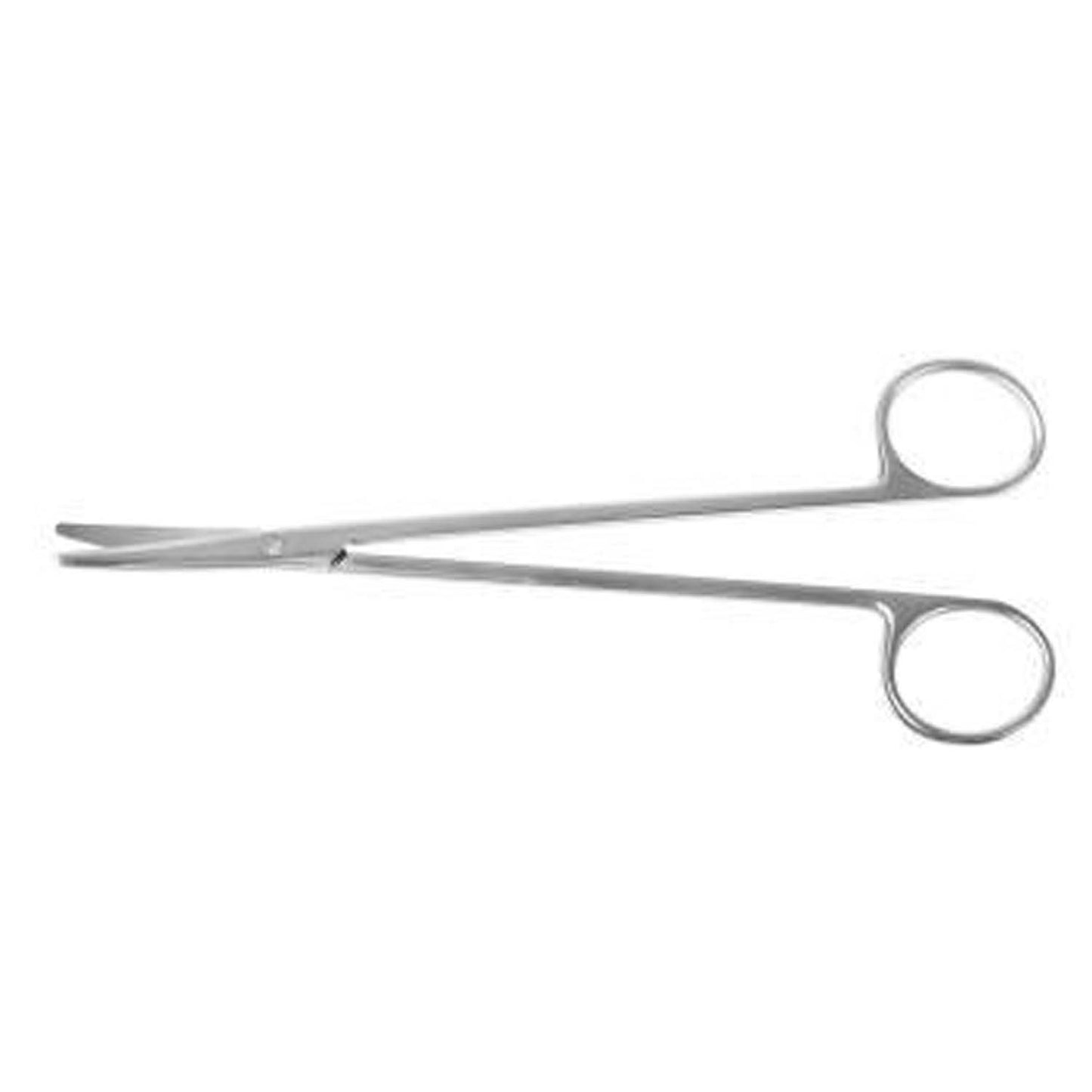
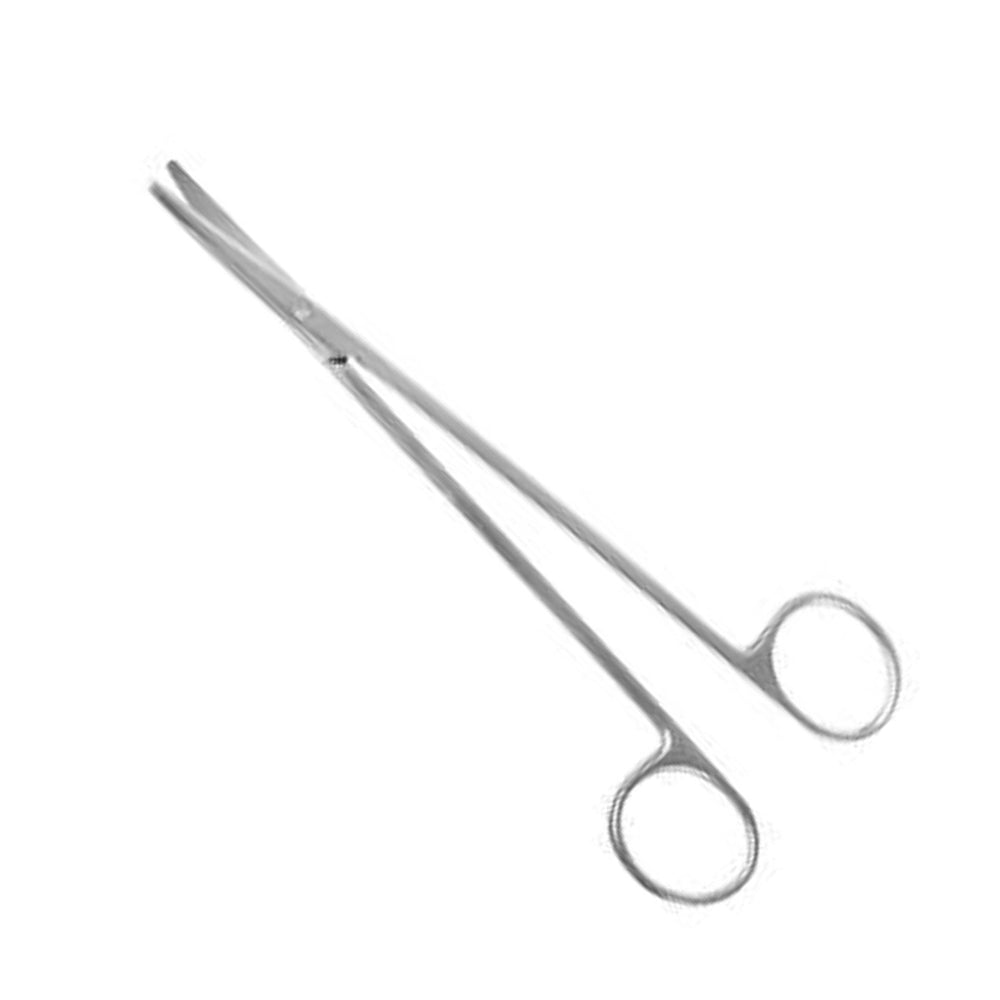
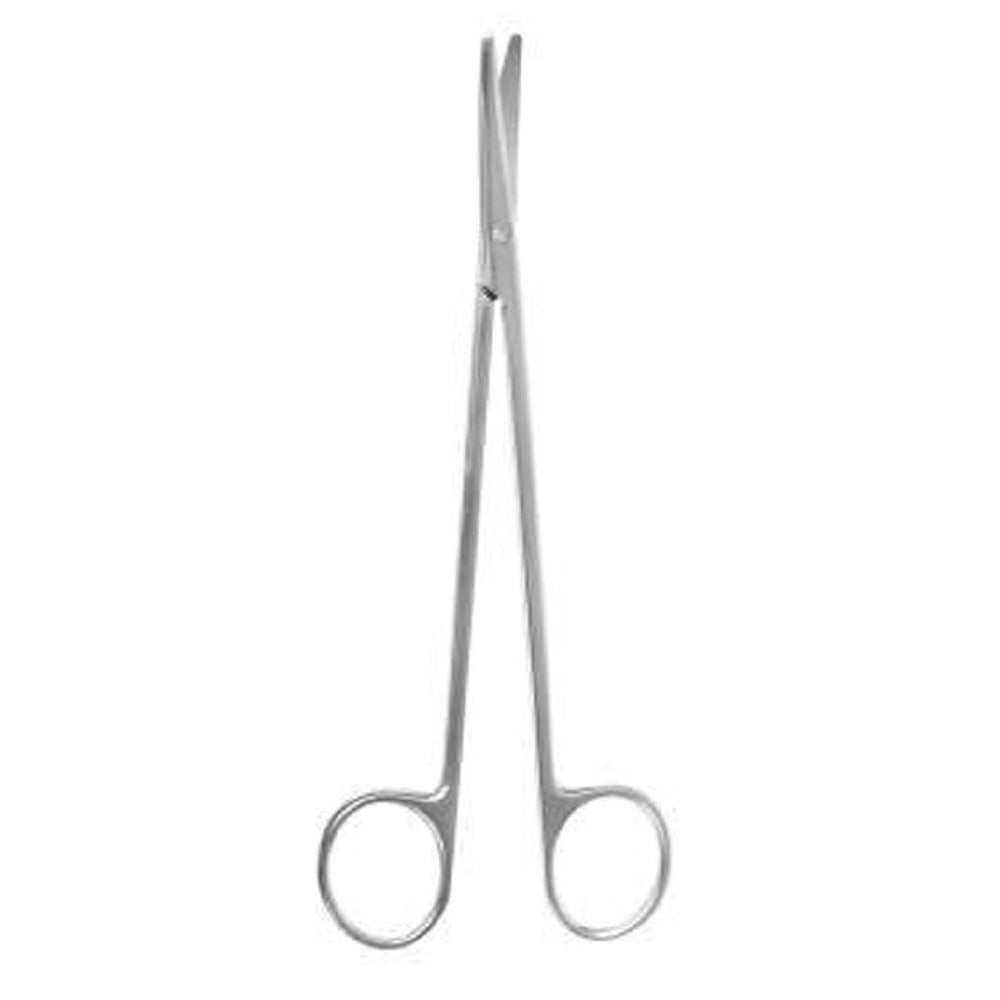
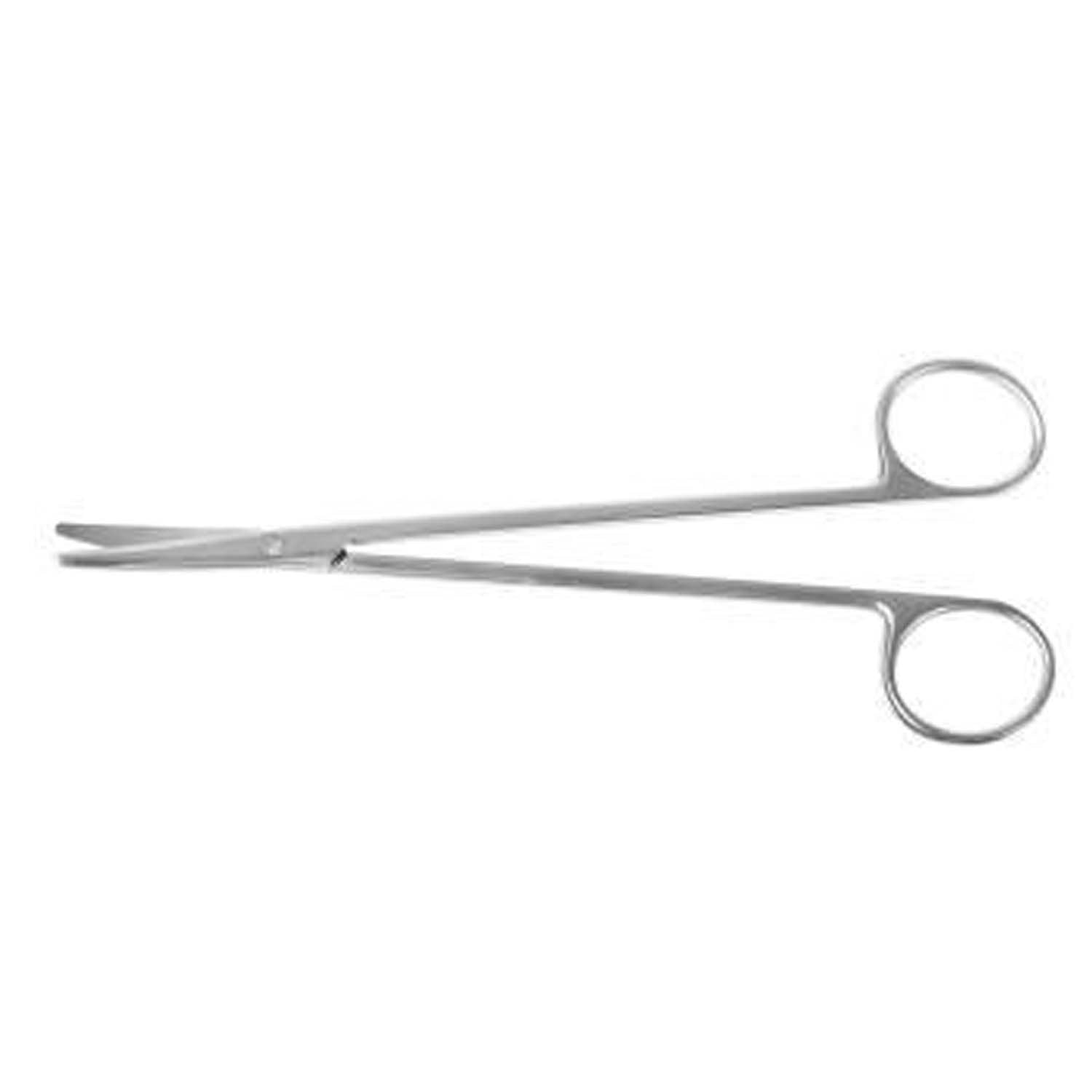
Metzenbaum Dissecting Cutting Scissors, SKU PS-OT-01013, are reusable surgical dissecting scissors manufactured from German stainless steel for controlled soft-tissue dissection, fascia refinement, mucosal trimming, fibrous band division, and closure-stage operating room cutting. The available variants are PS-2660 with 8" (20cm) overall length, PS-2661 with 9" (23cm) overall length, PS-2662 with 10" (25cm) overall length, and PS-2663 with 11" (28cm) overall length. The image shows long curved blunt blades, a screw-joint pivot, extended shanks, ring handles, and an inset distal blade view for identifying the rounded atraumatic tip profile. General surgeons, gynecology teams, plastic surgeons, ENT surgeons, oral and maxillofacial surgeons, colorectal surgeons, veterinary surgeons, and operating room staff use this pattern during laparotomy, hysterectomy access, hernia repair, wound revision, superficial adhesiolysis, flap undermining, mucosal edge adjustment, scar revision, biopsy margin refinement, suture cutting, and closure-stage soft-tissue management in hospitals, surgical centers, clinics, dental operating rooms, veterinary theaters, teaching labs, and reusable surgical trays.
The working mechanism uses two slender curved blades joined by a screw-joint pivot that transfers ring-handle compression into controlled distal closure. The curved profile allows the lower blade to pass beneath elevated soft tissue, fascia, mucosa, scar strands, peritoneal folds, or flap margins while the upper blade completes the cut from an oblique approach. Rounded blunt tips reduce point pressure when the instrument moves near delicate tissue planes, allowing progressive dissection rather than aggressive penetration. The elongated shanks keep the operator’s hand away from retractors, suction, forceps, clamps, packs, and assistant instruments. Ring handles provide thumb and ring-finger purchase, while the index finger stabilizes the shank and guides blade orientation. The screw joint maintains blade alignment so the cutting edges meet predictably during short controlled closures. There is no ratchet, spring, or locking catch, so each cut depends on fingertip pressure, tissue traction, blade angle, and direct visualization. This geometry is selected for soft-tissue planes rather than dense fascia, bone, wire, or instrument-resistant material.
During open general surgery, the scissors assist after scalpel entry by separating superficial soft tissue, trimming fascial margins, dividing fine fibrous strands, and refining wound edges before closure. In gynecology, the curved blades support soft-tissue adjustment during hysterectomy, cesarean section wound management, pelvic exposure, and closure-stage tissue refinement. Plastic surgery teams use the pattern for flap undermining, scar revision, skin-edge contouring, graft-bed preparation, and small fibrous band division after the plane has been developed. ENT and oral surgery teams can apply the longer variants around mucosal margins, tonsillar pillar remnants, intraoral flaps, and biopsy edges where a broader Mayo pattern would engage excess tissue. Colorectal and abdominal teams use the scissors for peritoneal edge adjustment and superficial adhesiolysis after tissues are lifted with forceps or retracted safely. Veterinary surgeons can place the same pattern in soft-tissue trays for abdominal, wound, oral, and reconstructive procedures. The cutting stage is performed after the target plane is exposed and stabilized, keeping the blade path away from vessels, nerves, ducts, and deeper structures outside the selected line.
PS-2660 with 8" (20cm) overall length is selected for compact operating fields, superficial wound revision, minor procedure rooms, oral soft-tissue work, scar refinement, and veterinary cases where close hand control is required. PS-2661 with 9" (23cm) length gives added reach for routine general surgery, gynecology, and plastic surgery dissection while preserving controlled curved blade handling. PS-2662 with 10" (25cm) length is selected when the surgeon needs more shaft clearance around retractors, suction, clamps, and deeper wound corridors. PS-2663 with 11" (28cm) length provides the longest listed reach for abdominal, pelvic, colorectal, and large-animal soft-tissue procedures where the hand must remain outside the main operative cavity. All four variants share the same curved blunt dissecting concept, screw-joint pivot, and ring-handle control, so selection depends on exposure depth, patient habitus, tissue plane, hand clearance, and whether the surgeon is working near the surface or across a deeper corridor. Stocking the full length range supports minor, intermediate, and major procedure trays.
German stainless steel construction supports blade stability, corrosion resistance, and repeatable pivot movement through repeated cleaning and steam sterilization cycles. Satin, dull, and mirror finish options allow procurement teams to match surface preference with glare control, visual inspection, and established operating room tray standards. After use, the blades should be opened and cleared of blood, tissue residue, suture fragments, dressing fibers, graft debris, and lint before enzymatic cleaning. Processing can include manual brushing, ultrasonic decontamination, washer-disinfector exposure, rinsing, drying, screw-joint inspection, cutting-edge review, packaging, and steam autoclave sterilization according to facility protocol. The pivot area requires careful attention because retained debris can alter closure resistance and reduce distal cutting accuracy. CE marking, ISO 13485 documentation, and FDA procurement context support purchasing records for hospitals, clinics, distributors, surgical centers, dental units, veterinary facilities, and teaching programs. Class I classification, reusable construction, carton-box packing, 1-piece MOQ, OEM availability, 1-year warranty, and return and replacement support assist replacement ordering, institutional purchasing, and distributor catalog supply.
| SKU | PS-OT-01013 |
|---|---|
| Product Name | Metzenbaum Dissecting Cutting Scissors |
| Price | $10.01 |
| Size/Gauge Variants | PS-2661 overall length 9" (23cm); PS-2662 overall length 10" (25cm); PS-2663 overall length 11" (28cm); PS-2660 overall length 8" (20cm) |
| Instrument Category | Reusable surgical dissecting scissors |
| Procedure | Laparotomy, hysterectomy access, hernia repair, wound revision, superficial adhesiolysis, flap undermining, mucosal edge adjustment, scar revision, biopsy margin refinement, suture cutting, closure-stage soft-tissue management |
| Material | German stainless steel |
| Finish | Satin, dull, or mirror finish |
| Sterilization | Reusable instrument suitable for enzymatic cleaning, ultrasonic decontamination, washer-disinfector processing, drying, pivot inspection, packaging, and steam autoclave sterilization |
| Instrument Classification | Class I reusable surgical instrument |
| Reusable | Yes |
| Certifications | CE, ISO 13485, FDA |
| Warranty | 1 year |
| MOQ | 1 piece |
| OEM / Custom Orders | Available for distributor supply, institutional branding, bulk purchasing, and customized packing programs |
| After-Sale Service | Return and replacement support for eligible orders |
How are Metzenbaum Dissecting Cutting Scissors different from Mayo scissors?
Mayo scissors are the closest alternative because they are also used for operating room cutting. Metzenbaum Dissecting Cutting Scissors have a more slender blade profile for fine soft-tissue dissection, flap undermining, and controlled trimming. Mayo patterns are typically selected for denser fascia, sutures, graft material, and stronger general cutting. The Metzenbaum pattern reduces tissue engagement during each closure, which helps when the surgeon works along delicate planes. Both instruments use ring handles and a screw-joint pivot. The clinically relevant difference is blade width, tissue density, and whether the task requires fine dissection or stronger cutting force.
How should the 20cm, 23cm, 25cm, and 28cm variants be selected?
The 20cm PS-2660 variant is selected for compact fields, minor procedure trays, oral soft tissue, superficial wound revision, and close hand control. The 23cm PS-2661 variant suits routine general surgery, gynecology, plastic surgery, and soft-tissue trimming where moderate reach is required. The 25cm PS-2662 variant provides additional clearance around retractors, suction, clamps, and deeper wound corridors. The 28cm PS-2663 variant is selected for abdominal, pelvic, colorectal, and veterinary fields where the handle must remain outside the operative cavity. Metzenbaum Dissecting Cutting Scissors should be matched to exposure depth, tissue plane, patient habitus, and required hand clearance. Stocking all four sizes supports minor, intermediate, and major surgical tray configurations.
What do CE, ISO 13485, and FDA details mean for procurement?
CE documentation supports international conformity records for reusable surgical instrument purchasing. ISO 13485 indicates manufacturing under a medical device management system covering production control, inspection, and traceability. FDA procurement context supports U.S. purchasing files for Class I reusable surgical scissors. Metzenbaum Dissecting Cutting Scissors can be entered into hospital, clinic, dental, veterinary, distributor, and operating room catalogs with documented material, finish, model selections, warranty, MOQ, OEM availability, and after-sale service. These records help purchasing officers, receiving teams, and sterile processing departments align the item with internal approval requirements. The certification profile supports tender files, replacement stock, and standardized surgical tray programs.
How does the screw-joint pivot control cutting during dissection?
The screw-joint pivot is the main control feature because it transfers ring-handle pressure into blade closure. The surgeon places the thumb and ring finger in the handles while using the index finger along the shank to guide the curved blades. As the handles close, the cutting edges meet at the selected mucosal edge, flap margin, fascia strand, suture, scar tissue, or soft-tissue plane. The pivot keeps the blades aligned without a ratchet, spring, or locking catch. Metzenbaum Dissecting Cutting Scissors rely on fingertip pressure, tissue stabilization, blade orientation, and direct visualization rather than mechanical locking. Cleaning around the pivot is important because dried blood, tissue residue, suture fragments, or lint can alter resistance and reduce smooth closure.
Are these scissors suitable for reusable sterile processing and distributor stock?
Yes, Metzenbaum Dissecting Cutting Scissors are reusable German stainless steel instruments suitable for hospital, clinic, dental, veterinary, distributor, surgical center, and operating room supply workflows. After use, the blades and screw joint should be opened so blood, tissue residue, suture fragments, lint, dressing fibers, and graft debris can be removed before sterilization. Processing can include enzymatic cleaning, ultrasonic decontamination, washer-disinfector exposure, drying, pivot inspection, packaging, and steam autoclaving. The 1-piece MOQ supports replacement ordering for small clinics, procedure rooms, specialty trays, and surgical departments. OEM availability supports distributor branding, institutional packing, and bulk purchasing programs. The 1-year warranty and return and replacement service support procurement teams managing recurring dissecting-scissor inventory.