
Featured Collection
Your cart
Featured Collection

PEAK SURGICAL
SKU:
Couldn't load pickup availability
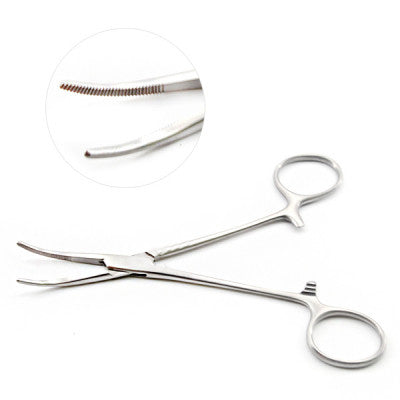
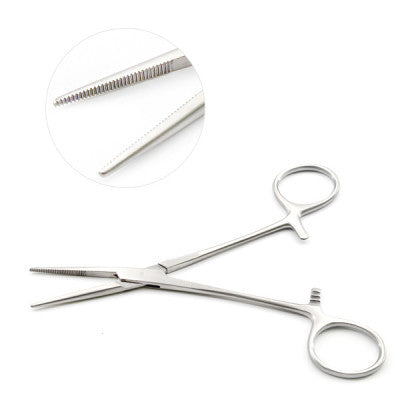
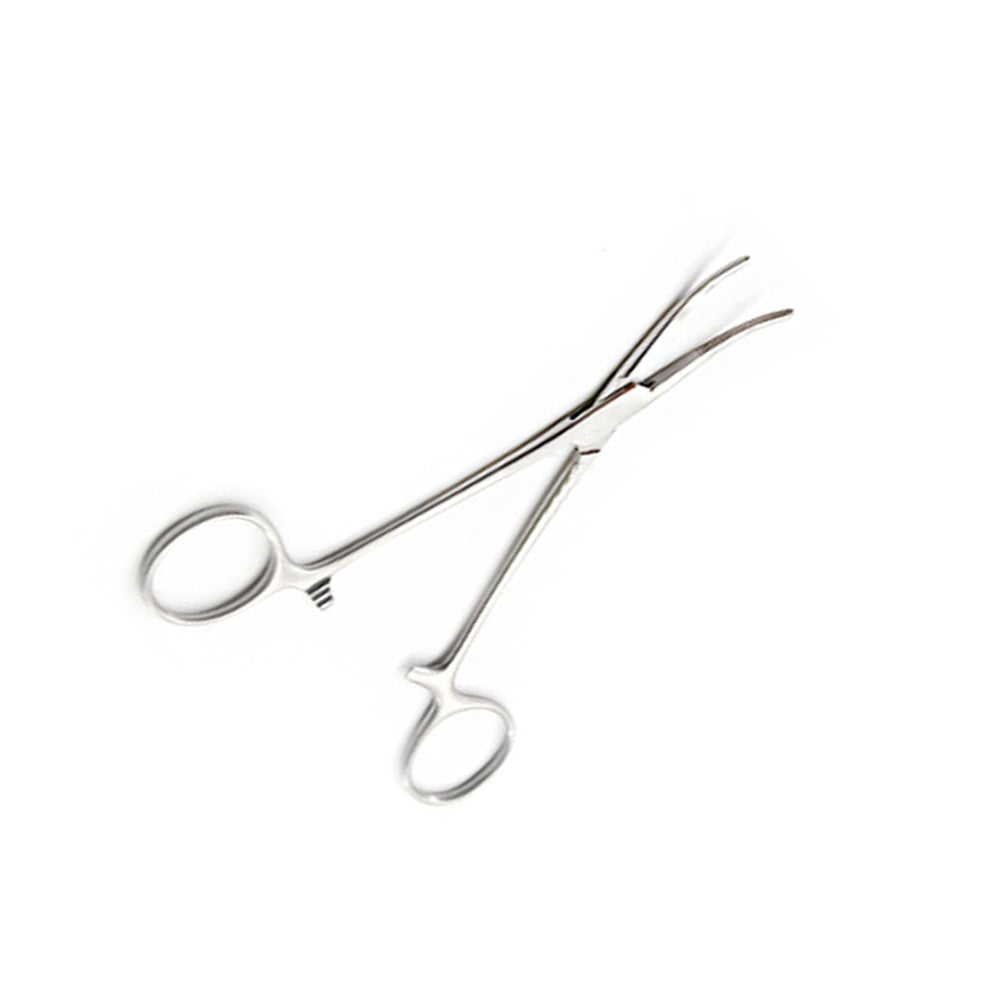
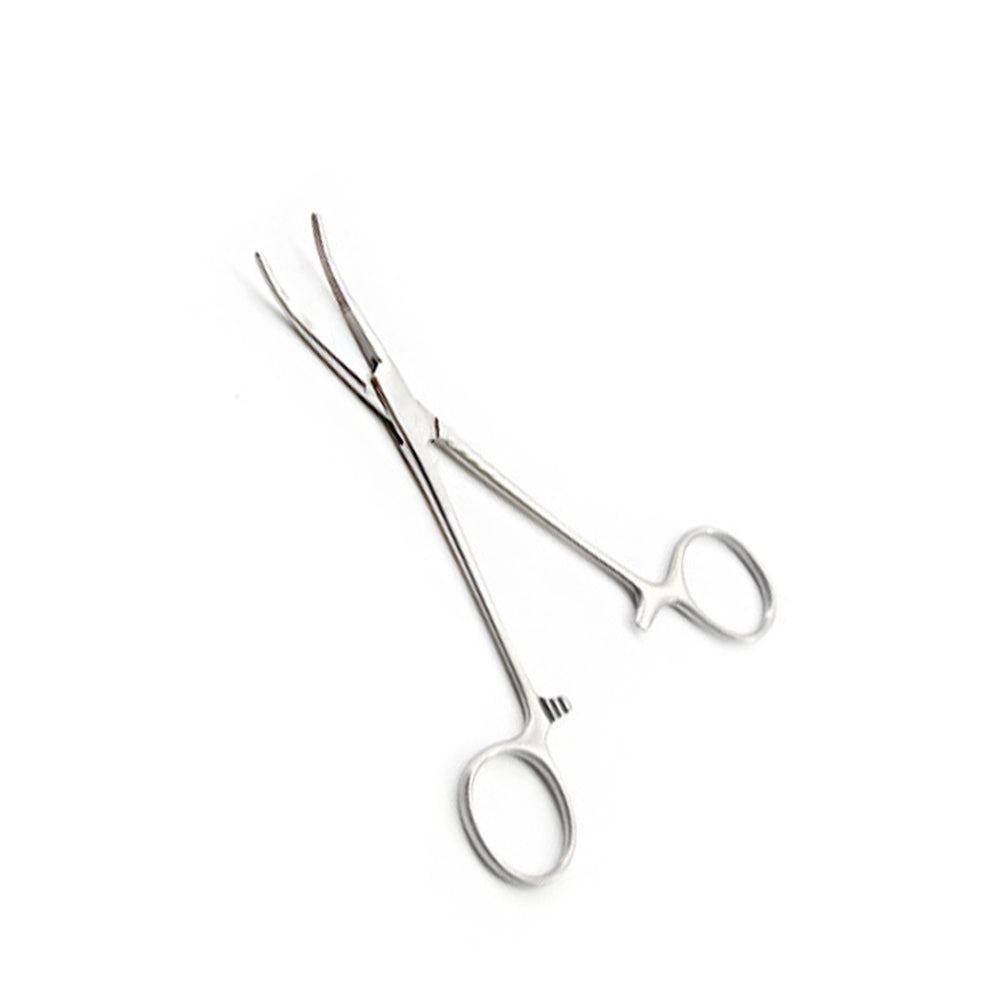
Kelly Hemostatic Forceps, commonly referred to as "Kelly Clamps," are a variety of locking forceps, used mostly to regulate the circulation of blood ( hemostasis) by clamping blood vessels.
While they resemble other hemostats While they look similar to other hemostats, they differ in their appearance. The semi-serrated jaws distinguish Kelly design. This particular design permits the surgeon to hold vessels in place or clamp tissues using the serrated tip with the smooth proximal section of the jaw to prevent crushing delicate structures.
Kelly forceps are designed for the durability and precision of their tactile properties and bridge the gap between the delicate "Mosquito" forceps and heavy-duty "Rochester-Pean" clamps.
Feature Specification
Material Premium Surgical Grade Stainless Steel
Jaw Pattern half-serrated (Serrations on the lower part only)
Tip Configuration Blunt / Atraumatic
Standard Sizes 5.5" (14 cm) and 6.25" (16 cm)
Handle Type Ring Finger Ring with a three-position Ratchet Lock
Sterilisation Fully Autoclavable (134 °C / 273degF)
The choice of the best hemostat is crucial to ensure the effectiveness of surgery. This is how the Kelly is different from its close equivalents:
Forceps Kelly are "multipurpose" tools found in almost every surgical field, which includes General Surgery, OB/GYN, and ER trauma kits.
The most common use for it is to close bleeding vessels (arteries or veins) before ligation (tied to be cut off) or cauterized.
The rounded, blunt tips -- particularly when they are in the curving version--allow surgeons to softly cut away tissue planes without the possibility of punctures that could cause tears.
In many cases, Kelly clamps are used in a variety of procedures. They are used as "tags" to hold the ends of sutures, or to hold surgical drapes or tubing in an operation.
The secure locking mechanism makes them ideal for removing pieces of tooth, bone or foreign objects in orthopaedic or emergencies.
To ensure that the ratchet mechanisms and jaws remain in perfect alignment:
