Featured Collection
Your cart
Featured Collection

PEAK SURGICAL
SKU:PS-OT-0769
Couldn't load pickup availability
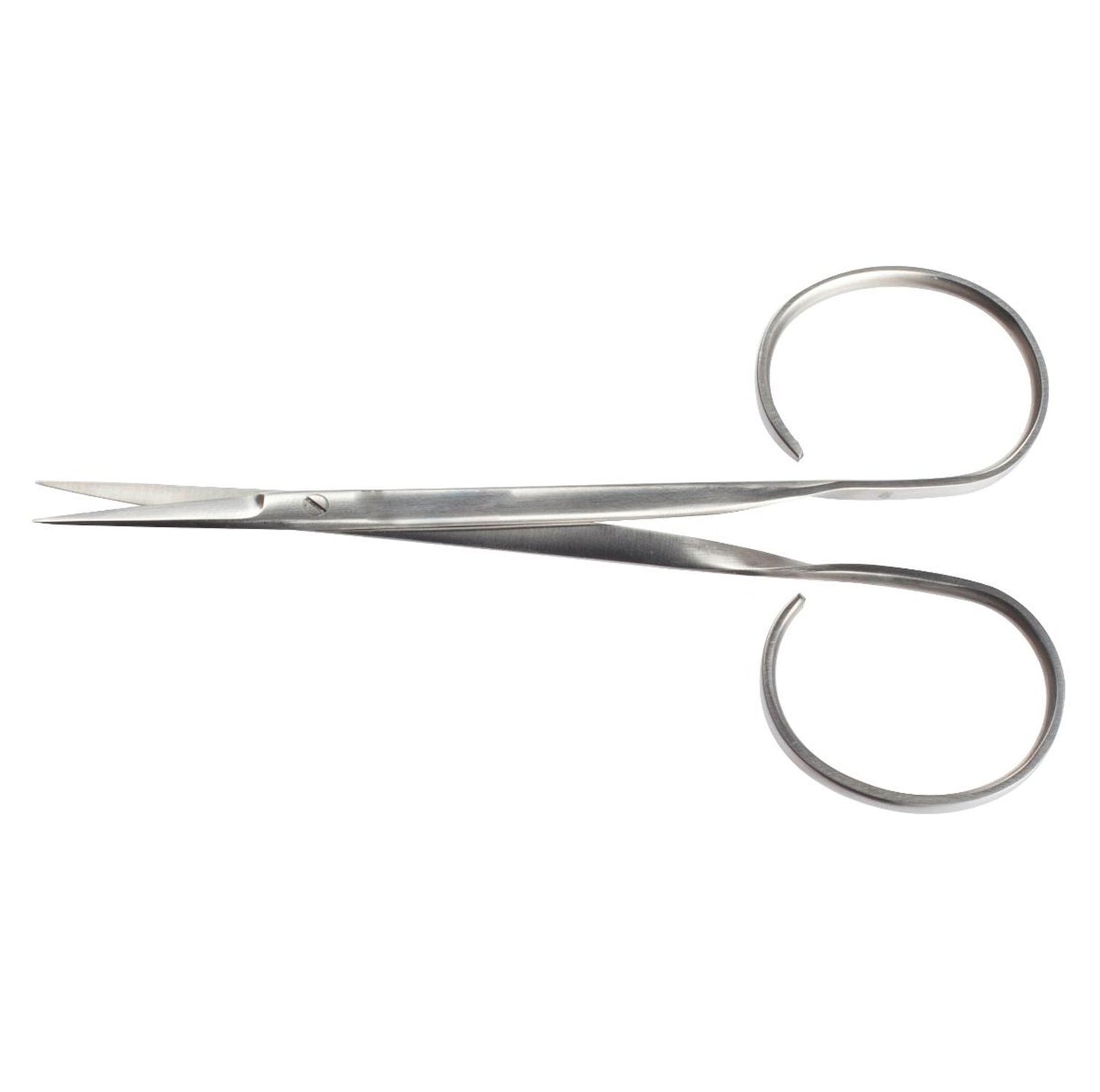
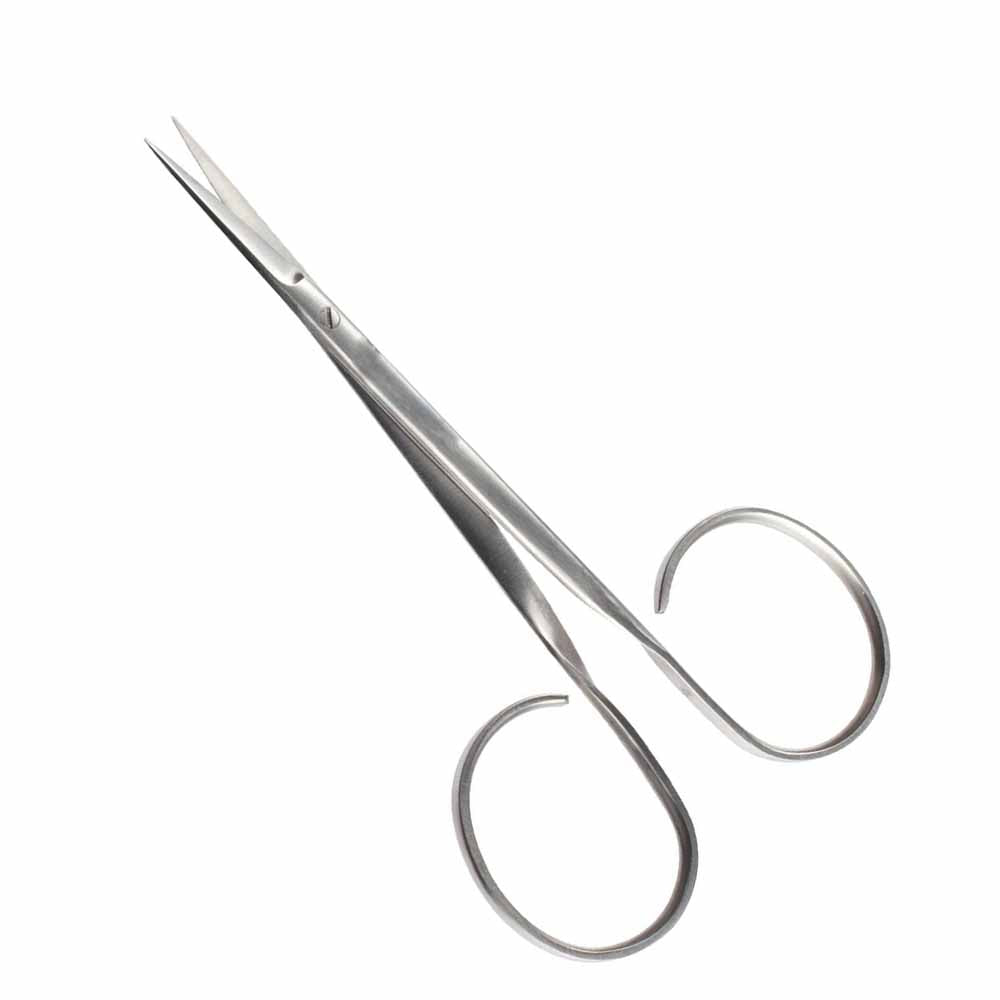
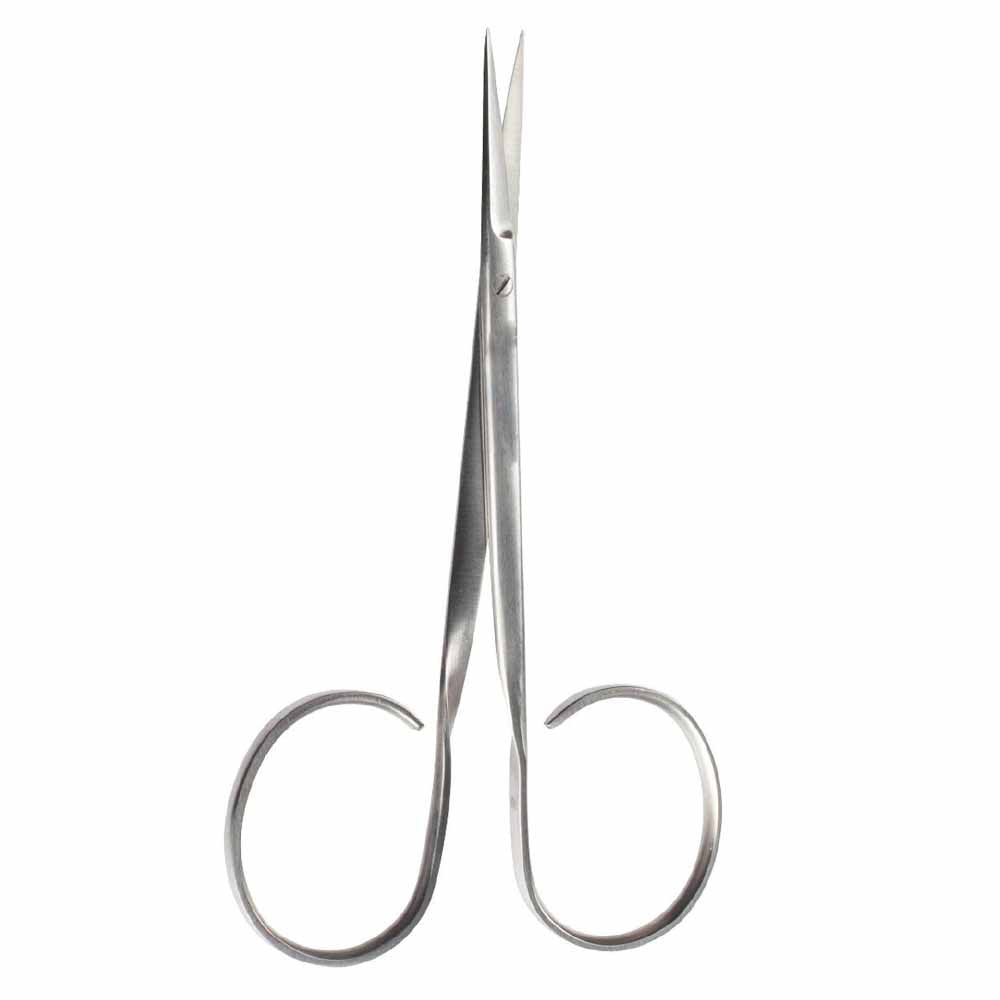
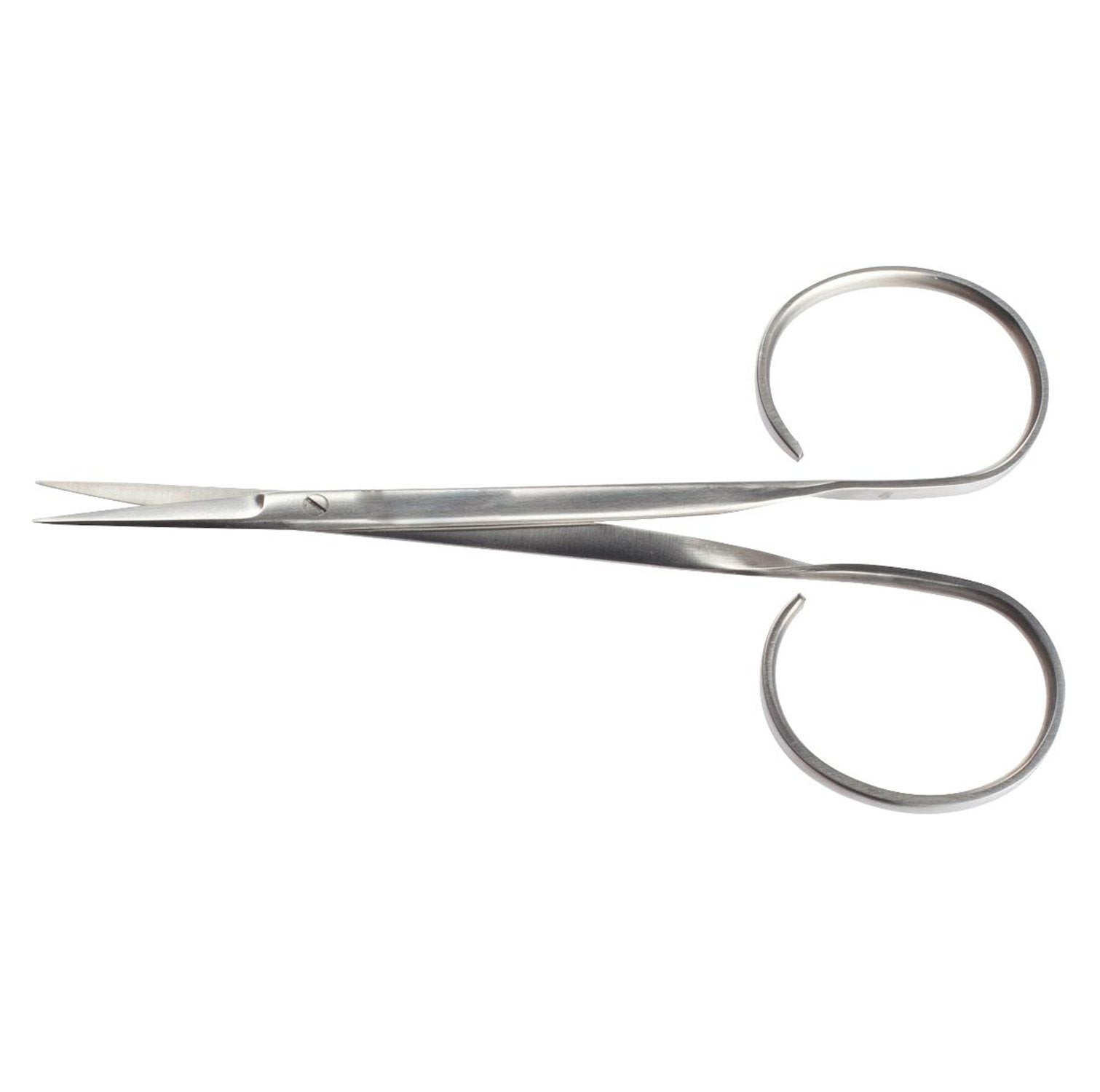
The Iris Scissors Eye Surgery (price: $4.62 — confirm SKU and size with Peak Surgicals) are a small, fine German stainless steel scissor with sharp-pointed blades, available in straight and curved configurations, marketed specifically for ophthalmic anterior segment surgery and other eye-related procedures requiring precise iris and fine ocular tissue division. This listing is distinct from the Iris Cutting Scissors ($5.94) also available from Peak Surgicals — both instruments share the same fundamental Iris scissor pattern of fine, sharp-pointed blades suited to delicate tissue cutting, but this product is positioned specifically for the ophthalmic surgery market, where the instrument's original clinical application — division of iris tissue during anterior segment procedures — remains the primary indication. The straight configuration is used where the surgeons view of the cutting line through the operating microscope is unobstructed and a direct cutting line is appropriate, while the curved configuration allows the blade tip to follow the natural curvature of ocular structures such as the limbus or the curved edge of the iris itself. It is used by ophthalmologists and ophthalmic surgical teams during iridectomy, anterior segment reconstruction, trabeculectomy-related tissue management, and other intraocular and periocular procedures requiring fine, controlled tissue division under high magnification. Available in satin, dull, and mirror finishes, reusable, autoclave compatible, and supplied under CE Mark, ISO 13485, and FDA certification.
The Iris Scissors Eye Surgery instrument is sized and shaped for the unique demands of intraocular surgery, where all dissection and tissue manipulation occurs within the confined anterior chamber of the eye, viewed through an operating microscope at high magnification, with millimetre-scale tolerances determining surgical success. The fine, sharp-pointed blades allow the ophthalmic surgeon to perform a peripheral or sector iridectomy — a precise, limited excision of iris tissue — without disturbing the surrounding iris stroma, pupillary margin, or adjacent anterior chamber angle structures. The small blade scale matches the dimensions of the iris itself, which is only a few millimetres in radial width, meaning a general surgical scissor of any larger pattern would be entirely unsuited to the scale of tissue being manipulated. Under the operating microscope, the surgeon relies on the scissors' fine tip control to make a single precise cut at the intended location, since the confined anterior chamber space and the proximity of the lens, cornea, and angle structures leave minimal room for an imprecise or extended cut without risking damage to adjacent ocular tissue.
The Iris Scissors Eye Surgery instrument is used in several specific ophthalmic surgical contexts. In peripheral and sector iridectomy, performed as a standalone procedure for angle-closure glaucoma prophylaxis or as part of a combined procedure such as trabeculectomy, the scissors excise a defined portion of iris tissue to create an alternative aqueous outflow pathway or to prevent pupillary block. In anterior segment reconstruction following trauma or complicated cataract surgery, the scissors are used to trim and tidy iris tissue that has prolapsed through a corneal or scleral wound, or to excise damaged iris segments before closure. In some trabeculectomy techniques, the instrument assists in managing iris tissue that may prolapse into the surgical opening during sclerostomy formation. The curved configuration is particularly suited to following the natural curve of the iris root or the limbal curvature when working near the angle structures, while the straight configuration is preferred for direct, linear cuts across iris tissue when a straight excision line is the surgical goal.
In ophthalmic surgery specifically, the choice between straight and curved Iris Scissors depends on the precise anatomical target and the surgeon's approach angle through the corneal or limbal incision. The curved configuration is often preferred for iridectomy procedures because the iris itself has a curved peripheral margin, and a curved blade allows the surgeon to excise a smoothly curved sector of tissue that matches the iris's natural contour, producing a more anatomically regular iridectomy opening. The straight configuration is preferred when a direct linear cut is required, such as trimming a straight segment of prolapsed iris tissue at a wound margin, or when the surgical approach angle through the incision naturally aligns with a straight cutting line. Ophthalmic surgical trays frequently include both configurations to provide flexibility for the range of anterior segment procedures and individual surgeon technique preferences encountered in cataract, glaucoma, and anterior segment trauma surgery.
The Iris Scissors Eye Surgery instrument is manufactured from German stainless steel, providing the fine edge precision required for intraocular tissue cutting through repeated sterilization cycles. Given the microscopic scale of the surgical target and the proximity to critical ocular structures, even minor degradation of the blade tip or cutting edge has a proportionally larger impact on surgical precision than the same degree of wear would have on a general surgical instrument. The instrument is available in satin, dull, and mirror surface finishes — satin and dull finishes are particularly relevant for ophthalmic microscope use, where glare from a polished instrument surface under the coaxial or oblique microscope illumination can interfere with the surgeon's view of the fine anterior segment structures. All three finishes are compatible with steam autoclave sterilization, and the instrument should be processed according to standard ophthalmic instrument reprocessing protocols, which in many institutions include additional precautions to minimise the risk of toxic anterior segment syndrome (TASS) from residual detergent or sterilant chemical exposure, given the direct intraocular contact this instrument category has during use.
The Iris Scissors Eye Surgery instrument is manufactured under CE Mark, ISO 13485, and FDA compliant quality standards. ISO 13485 certification confirms Peak Surgicals operates a documented quality management system covering German stainless steel material traceability, fine blade and tip dimensional tolerancing, and manufacturing process controls for reusable ophthalmic surgical instruments. CE Mark confirms conformity with EU MDR requirements for reusable non-powered surgical instruments. FDA compliance supports procurement for US ophthalmology practices, eye hospitals, and ambulatory surgical centres performing anterior segment surgery, where FDA-compliant documentation is frequently required for instruments with direct intraocular tissue contact. Class I instrument classification, 1-year warranty, OEM availability, and MOQ of 1 piece support both institutional ophthalmic instrument tray procurement and individual replacement ordering.
| Product Name | Iris Scissors Eye Surgery |
|---|---|
| Price | $4.62 USD |
| Size | Confirm with Peak Surgicals |
| Configuration | Straight or Curved (specify on order) |
| Instrument Type | Fine sharp-pointed iris scissor for ophthalmic surgery |
| Instrument Category | Ophthalmology — Anterior Segment Surgical Instruments |
| Procedure | Iridectomy (peripheral/sector), anterior segment reconstruction, trabeculectomy-related iris management, ocular trauma repair |
| Material | German Stainless Steel |
| Finish | Satin / Dull / Mirror (specify on order) |
| Sterilization | Steam autoclave compatible (follow institutional ophthalmic reprocessing protocol) |
| Instrument Classification | Class I |
| Reusable | Yes |
| Rust Free | Yes |
| Certifications | CE Mark, ISO 13485, FDA |
| Warranty | 1 Year |
| MOQ | 1 Piece |
| OEM / Custom Orders | Available |
| Packing | Carton Box |
| After-Sale Service | Return and Replacement |
How does this product differ from the Iris Cutting Scissors also listed by Peak Surgicals?
The Iris Cutting Scissors ($5.94) and the Iris Scissors Eye Surgery (this product, $4.62) both use the same fundamental fine, sharp-pointed Iris scissor blade pattern, available in straight and curved configurations. The Iris Cutting Scissors listing presents the instrument for its broad multi-specialty use — plastic surgery, ENT, hand surgery, dermatology, and general fine tissue work — reflecting how widely the Iris pattern has been adopted beyond its original application. This Iris Scissors Eye Surgery listing presents the same fundamental instrument pattern specifically for its ophthalmic anterior segment application — iridectomy, anterior segment reconstruction, and trabeculectomy-related procedures. The price difference may reflect packaging, size, or finish variation between the two listings; procurement teams ordering specifically for ophthalmic surgical trays should select this listing, while those ordering for general multi-specialty fine tissue cutting may select either depending on price and exact specifications.
What is an iridectomy and why does it require this specific instrument?
An iridectomy is the surgical excision of a portion of iris tissue, most commonly performed peripherally near the iris root to create an alternative pathway for aqueous humour flow in the management of angle-closure glaucoma, or as part of a combined glaucoma procedure such as trabeculectomy to prevent iris tissue from blocking the newly created drainage opening. The iris is a thin, delicate, highly vascular structure only a few millimetres in radial width, situated within the confined anterior chamber adjacent to the cornea, lens, and angle structures. Performing an iridectomy requires an instrument capable of precise, limited tissue excision at this microscopic scale without disturbing the surrounding stroma or adjacent structures — the fine, sharp-pointed blades of the Iris Scissors Eye Surgery instrument are specifically proportioned for this task, in contrast to general surgical scissors that would be entirely unsuited to the scale and precision required.
Why is the choice between straight and curved blades particularly relevant in ophthalmic surgery?
In ophthalmic surgery, the curved configuration is frequently preferred for iridectomy because the iris has a naturally curved peripheral margin near the angle, and a curved blade allows the surgeon to excise a tissue sector that follows this natural curve, producing a smoothly contoured iridectomy opening rather than an angular or irregular defect. The straight configuration is preferred for direct, linear cuts, such as trimming prolapsed iris tissue at a straight wound margin following trauma or during anterior segment reconstruction. Because ophthalmic procedures are performed under high microscope magnification with very limited room for instrument repositioning within the anterior chamber, selecting the appropriately curved or straight configuration in advance, based on the planned surgical approach, is more important in ophthalmic surgery than in many other specialties where the surgeon has more working space to adjust technique mid-procedure.
What special reprocessing considerations apply to ophthalmic instruments like these?
Instruments used in direct intraocular contact, including Iris Scissors used for ophthalmic surgery, require careful reprocessing attention to minimise the risk of toxic anterior segment syndrome (TASS) — a non-infectious inflammatory reaction of the anterior segment that can occur when residual chemical contaminants, such as detergent residue, biofilm, or sterilant byproducts, are introduced into the eye during surgery. Many ophthalmic surgical centres follow enhanced reprocessing protocols beyond standard surgical instrument cleaning, including dedicated rinsing with sterile or distilled water rather than tap water, minimising detergent concentration and ensuring complete rinsing, and avoiding flash sterilization cycles that may not allow adequate time for chemical residue dissipation. Procurement and sterile processing departments equipping ophthalmic instrument trays should confirm their reprocessing protocol meets the relevant ophthalmic-specific guidelines, such as those published by ophthalmic professional and infection control organisations, in addition to standard surgical instrument reprocessing practice.
What certifications does this instrument carry?
The Iris Scissors Eye Surgery instrument carries CE Mark, ISO 13485, and FDA compliance certification. CE Mark confirms conformity with EU MDR requirements for reusable non-powered surgical instruments. ISO 13485 certification confirms Peak Surgicals maintains a quality management system covering German stainless steel material traceability, fine blade and tip dimensional tolerancing, and manufacturing process controls for reusable ophthalmic surgical instruments. FDA compliance supports procurement for US ophthalmology practices, eye hospitals, and ambulatory surgical centres requiring verified regulatory documentation for instruments with direct intraocular tissue contact. Class I instrument classification, 1-year warranty, MOQ of 1 piece, and OEM availability satisfy institutional and individual ophthalmic surgeon procurement requirements.