Featured Collection
Your cart
Featured Collection

PEAK SURGICAL
SKU:PS-OT-0771
Couldn't load pickup availability
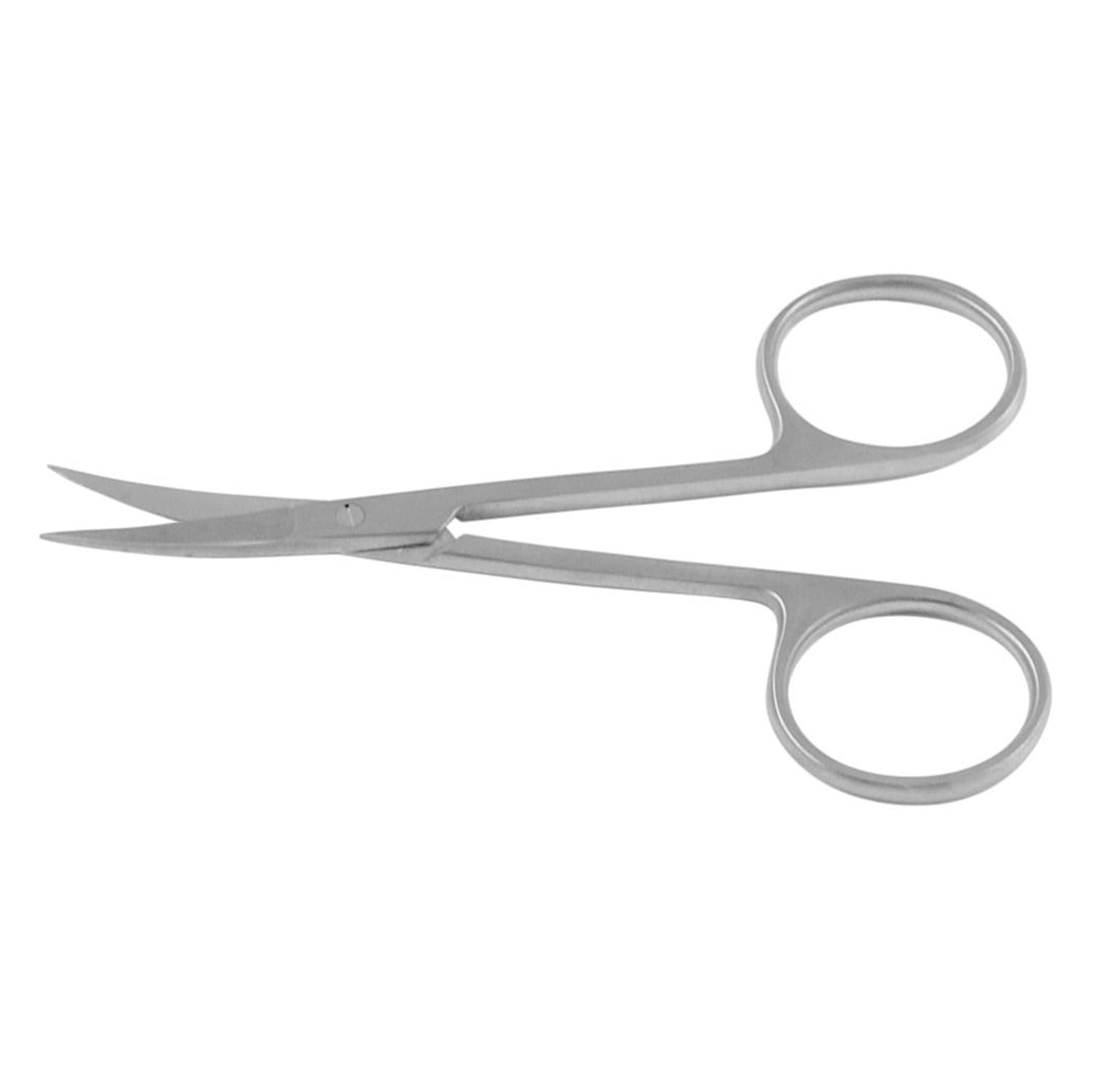
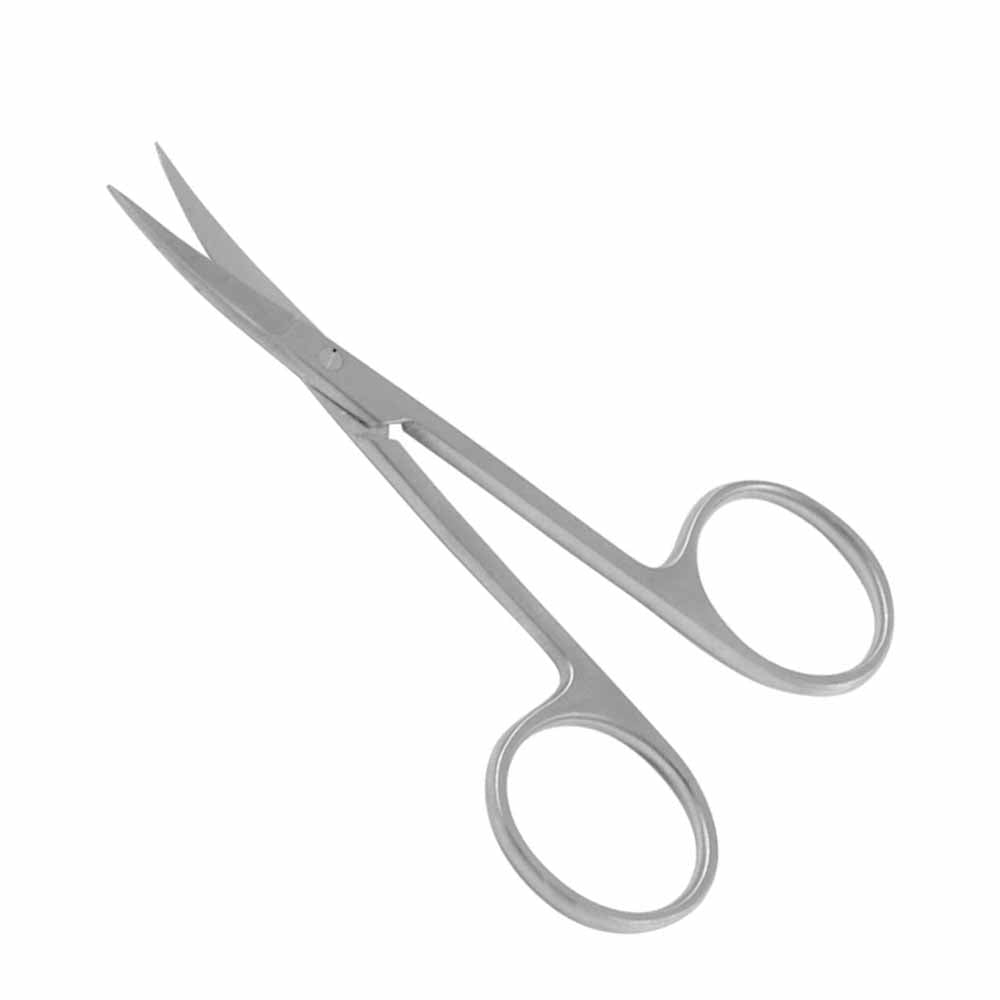
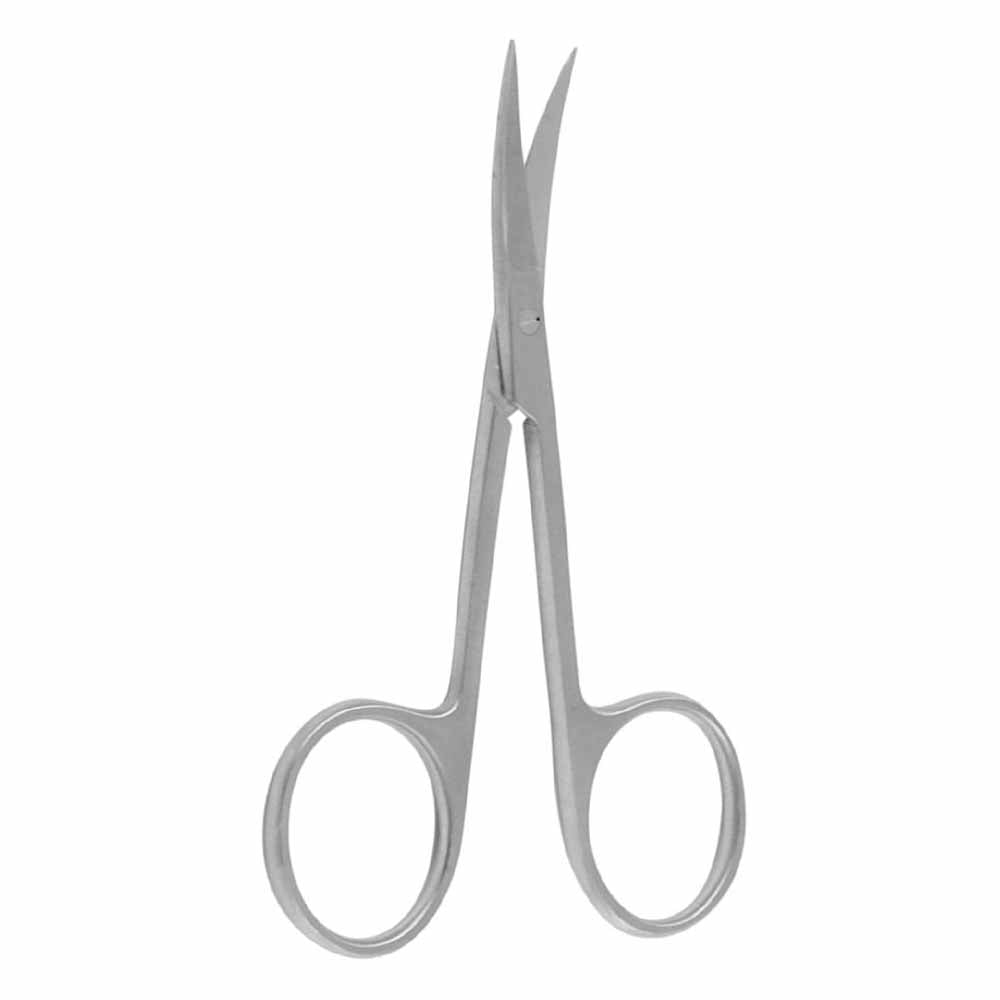
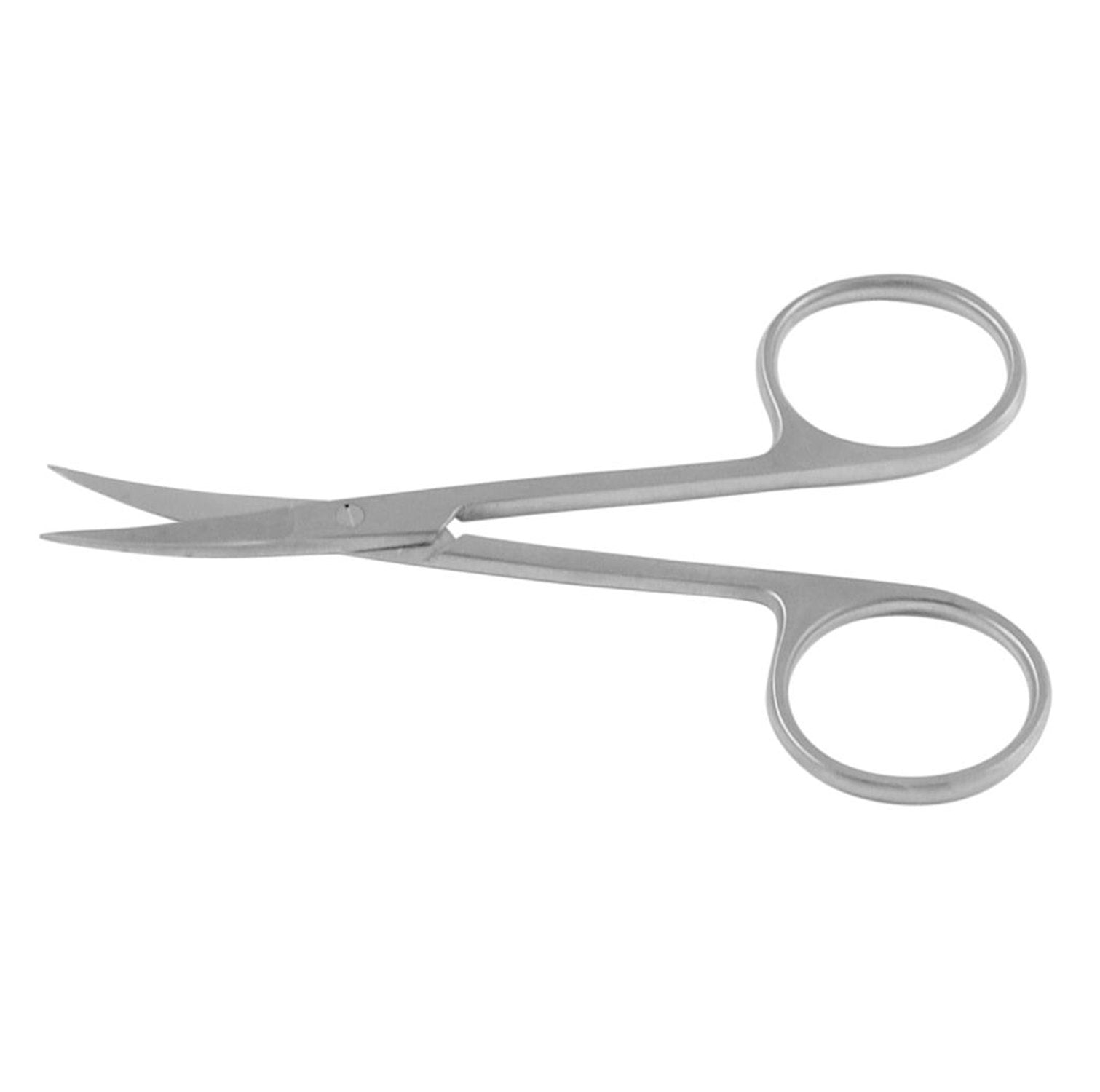
The Iris Cutting Scissors from Peak Surgicals (price: $5.94 — confirm SKU and size with Peak Surgicals; standard sizes are typically 4" or 4.5") are a small, delicate German stainless steel scissor with fine sharp-pointed blades, originally developed for ophthalmic iris surgery and now widely used across multiple surgical specialties wherever fine, precise cutting of delicate tissue is required in a confined surgical field. Available in straight and curved blade configurations, the Iris Cutting Scissors feature short, narrow blades with sharp tips that allow precise controlled cuts in tissue too delicate or too confined for standard dissecting scissors such as Metzenbaum or Mayo patterns. The straight configuration is used for cutting in a direct line of sight where the surgeon's view of the cutting line is unobstructed, while the curved configuration allows the blade tip to follow a curved tissue plane or to be introduced at an angle while the handle remains in a more natural hand position. It is used by ophthalmologists, plastic surgeons, ENT surgeons hand surgeons, paediatric surgeons, dermatologists, and general surgeons for fine suture removal, delicate soft tissue dissection, conjunctival and corneal tissue work, skin biopsy excision, and any procedure requiring precise cutting of thin or delicate tissue layers. Available in satin, dull, and mirror finishes, reusable, autoclave compatible, and supplied under CE Mark, ISO 13485, and FDA certification.
The defining design feature of the Iris Cutting Scissors is the combination of small blade size, fine cutting edges, and sharp pointed tips, all proportioned for working in tissue planes and surgical fields where the bulk and cutting force of a standard general surgical scissor would be excessive or imprecise. The sharp tips allow the scissor to be used not only for cutting along its full blade length but also for fine tip-cutting, where only the very point of the blades engages the tissue — this is useful when initiating a small incision in a membrane or thin tissue layer, or when trimming a precise amount of suture or tissue without disturbing the surrounding field. The short blade length relative to general surgical scissors reduces the leverage and force applied per unit of handle closure, giving the surgeon finer control over the depth and extent of each cut — a critical safety feature when working adjacent to structures such as the conjunctiva, cornea, peripheral nerves, small vessels, or paediatric tissue where the margin for error is small. The original ophthalmic application — division of iris tissue during anterior segment eye surgery — required exactly this combination of small scale and sharp precision, and the same blade geometry has since proven broadly useful wherever fine-scale cutting is the priority over rapid tissue division.
The Iris Cutting Scissors are used in a wide range of clinical contexts beyond their ophthalmic origin. In ophthalmology, they remain in use for iridectomy and other anterior segment procedures requiring fine iris tissue division, as well as for conjunctival incision and closure-related trimming during cataract and glaucoma surgery. In plastic and reconstructive surgery, they are used for precise trimming of skin edges during scar revision, fine dissection in delicate facial and hand surgery, and suture trimming where a standard suture scissor would be too bulky for the surgical field. In ENT surgery, they are used for fine mucosal and soft tissue work in confined spaces such as the ear canal, nasal cavity, and oral cavity. In hand surgery, the small blade size and precise control are valuable for tendon, nerve, and vessel-adjacent dissection where standard dissecting scissors carry excessive risk of inadvertent injury to closely apposed structures. In dermatology and minor outpatient procedures, the Iris Cutting Scissors are commonly used for fine skin biopsy excision, suture removal, and trimming of small soft tissue lesions. Across all these applications, the common requirement is precise, controlled cutting in tissue or anatomical spaces too delicate or too confined for general-purpose surgical scissors.
The straight configuration of the Iris Cutting Scissors provides a direct cutting line and is preferred when the surgeon has a clear, unobstructed view of the tissue to be cut and the cutting line does not need to deviate around an obstacle — common in skin biopsy trimming, suture removal, and superficial tissue work where the field is open and accessible. The curved configuration allows the blade tip to be angled relative to the handle, which is useful when the cutting target lies along a curved tissue plane, when working around a convex or concave anatomical surface, or when the surgeon's hand position must be offset from the direct line of the cut to avoid obstructing the view of an assistant, an operating microscope, or a loupe-magnified field. In ophthalmic and fine plastic surgery applications, the curved pattern is often preferred for its ability to follow the natural curvature of ocular or facial anatomical structures. Procurement departments equipping a general or multi-specialty instrument tray frequently stock both configurations to cover the range of cutting requirements encountered across different procedures and surgeon preferences.
The Iris Cutting Scissors are manufactured from German stainless steel, providing the fine edge retention required for repeated precise cutting through multiple sterilization cycles — given the small scale of the blade and the fine tip geometry, even minor edge degradation or tip misalignment significantly compromises the instrument's precision compared to a larger general surgical scissor where the same degree of wear has proportionally less impact on cutting performance. The instrument is available in satin, dull, and mirror surface finishes — satin and dull finishes reduce glare under operating microscope or loupe magnification commonly used during the fine procedures this instrument is selected for, while mirror finish provides maximum corrosion resistance and ease of inspection. All three finishes are compatible with steam autoclave sterilization. Given the fine tip geometry, careful handling during cleaning and sterilization is important to avoid tip damage — the sharp points are more vulnerable to bending or misalignment from impact than the blunter tips of general dissecting scissors.
The Iris Cutting Scissors are manufactured under CE Mark, ISO 13485, and FDA compliant quality standards. ISO 13485 certification confirms Peak Surgicals operates a documented quality management system covering German stainless steel material traceability, fine blade and tip dimensional tolerancing, and manufacturing process controls for reusable precision surgical instruments. CE Mark confirms conformity with EU MDR requirements for reusable non-powered surgical instruments. FDA compliance supports procurement for US hospitals, ophthalmology practices, plastic surgery centres, ENT departments, and dermatology clinics requiring verified regulatory documentation. Class I instrument classification, 1-year warranty, OEM availability, and MOQ of 1 piece support both institutional multi-specialty instrument tray procurement and individual replacement ordering.
| Product Name | Iris Cutting Scissors |
|---|---|
| Price | $5.94 USD |
| Size | Confirm with Peak Surgicals (common sizes: 4" or 4.5") |
| Configuration | Straight or Curved (specify on order) |
| Instrument Type | Fine sharp-pointed scissor for delicate tissue cutting |
| Instrument Category | Ophthalmology / General Surgery / Plastic Surgery — Fine Cutting Instruments |
| Procedure | Ophthalmic anterior segment surgery, fine plastic and reconstructive surgery, ENT mucosal dissection, hand surgery, dermatologic biopsy and suture trimming |
| Material | German Stainless Steel |
| Finish | Satin / Dull / Mirror (specify on order) |
| Sterilization | Steam autoclave compatible |
| Instrument Classification | Class I |
| Reusable | Yes |
| Rust Free | Yes |
| Certifications | CE Mark, ISO 13485, FDA |
| Warranty | 1 Year |
| MOQ | 1 Piece |
| OEM / Custom Orders | Available |
| Packing | Carton Box |
| After-Sale Service | Return and Replacement |
How do Iris Cutting Scissors differ from standard dissecting scissors such as Metzenbaum?
Metzenbaum scissors are general-purpose dissecting scissors with longer blades designed for blunt and sharp dissection of moderate to fine tissue in standard surgical fields, available in various lengths to suit different working depths. Iris Cutting Scissors are considerably smaller, with short, fine blades and sharp pointed tips specifically suited to precision cutting in confined or highly delicate tissue planes, such as ophthalmic anterior segment structures, fine skin margins, or tissue immediately adjacent to nerves and small vessels. Where a Metzenbaum scissor provides versatility and adequate cutting force for general dissection across a range of tissue types, the Iris Cutting Scissors trade cutting capacity and reach for precision, fine tip control, and minimal tissue disturbance — they are not intended for bulk tissue division but for the final, precise cuts where exact control matters more than speed or reach.
What is the difference between straight and curved Iris Cutting Scissors and which should be selected?
Straight Iris Cutting Scissors cut along a direct line and are preferred when the surgeon has an unobstructed view of the tissue being cut, such as during skin biopsy trimming, suture removal, or superficial fine dissection in an open field. Curved Iris Cutting Scissors angle the blade tip relative to the handle, allowing the cutting point to follow a curved anatomical surface or to approach the tissue from an offset angle while the surgeon's hand remains in a comfortable position outside the direct line of sight — useful in ophthalmic surgery following the curvature of ocular structures, or in confined ENT and facial surgical fields where a straight instrument would obstruct visualisation. The choice between configurations depends on the specific procedure and surgeon preference; many instrument trays for multi-specialty or ophthalmic use stock both configurations.
Why are sharp pointed tips important on this instrument compared to blunt-tipped scissors?
The sharp pointed tips of the Iris Cutting Scissors allow the surgeon to use the very tip of the blades for highly localised, precise cutting — initiating a small incision in a thin membrane, trimming a single suture end close to a knot, or making an exact, limited cut without engaging the full blade length and risking an unintended extension of the cut. This contrasts with blunt-tipped scissors, such as those used for blunt spreading dissection in flap surgery, where the rounded tip is a deliberate safety feature to prevent tissue perforation during blunt separation technique. The Iris Cutting Scissors' sharp tips serve the opposite purpose — providing maximum precision for a deliberate, controlled cut rather than safety during blunt tissue spreading — and the two designs are not interchangeable for their respective intended uses.
What specialties commonly use Iris Cutting Scissors outside of ophthalmology?
Despite their ophthalmic origin and name, Iris Cutting Scissors are widely used across plastic and reconstructive surgery for fine skin and soft tissue work, in ENT surgery for delicate mucosal dissection in confined spaces such as the ear and nasal cavity, in hand surgery for precise dissection near tendons, nerves, and small vessels, in paediatric surgery where smaller anatomical scale demands finer instrumentation, and in dermatology and minor procedure settings for skin biopsy excision and suture trimming. The instrument's small scale and precise cutting capability have made it a standard component of general surgical instrument trays across many specialties, independent of its original ophthalmic application.
What certifications does this instrument carry?
The Iris Cutting Scissors carry CE Mark, ISO 13485, and FDA compliance certification. CE Mark confirms conformity with EU MDR requirements for reusable non-powered surgical instruments. ISO 13485 certification confirms Peak Surgicals maintains a quality management system covering German stainless steel material traceability, fine blade and tip dimensional tolerancing, and manufacturing process controls for reusable precision surgical instruments. FDA compliance supports procurement for US hospitals, ophthalmology practices, plastic surgery centres, ENT departments, and dermatology clinics requiring verified regulatory documentation. Class I instrument classification, 1-year warranty, MOQ of 1 piece, and OEM availability satisfy institutional and individual procurement requirements for multi-specialty fine cutting instrument sets.