Featured Collection
Your cart
Featured Collection

PEAK SURGICAL
SKU:PS-710
Couldn't load pickup availability
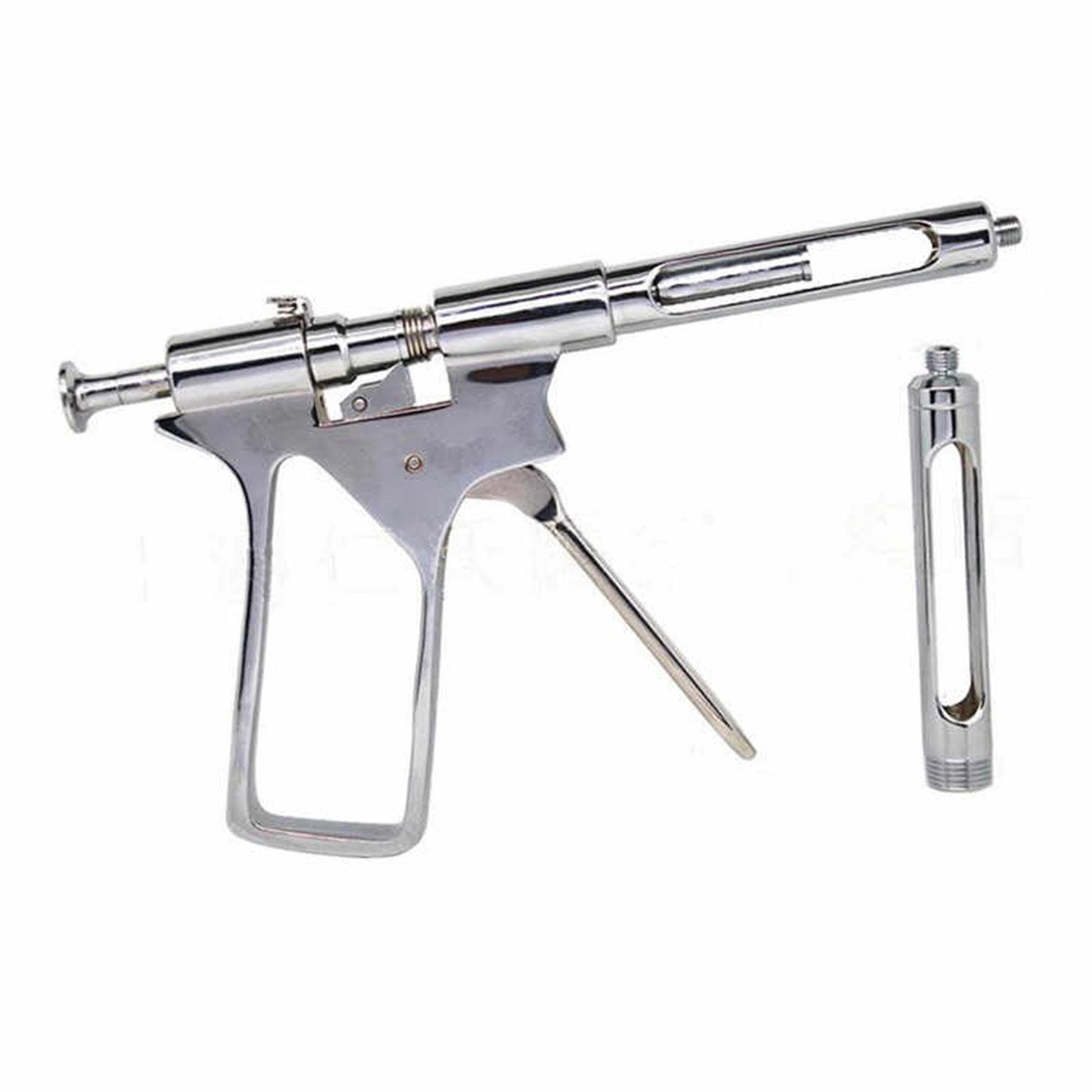
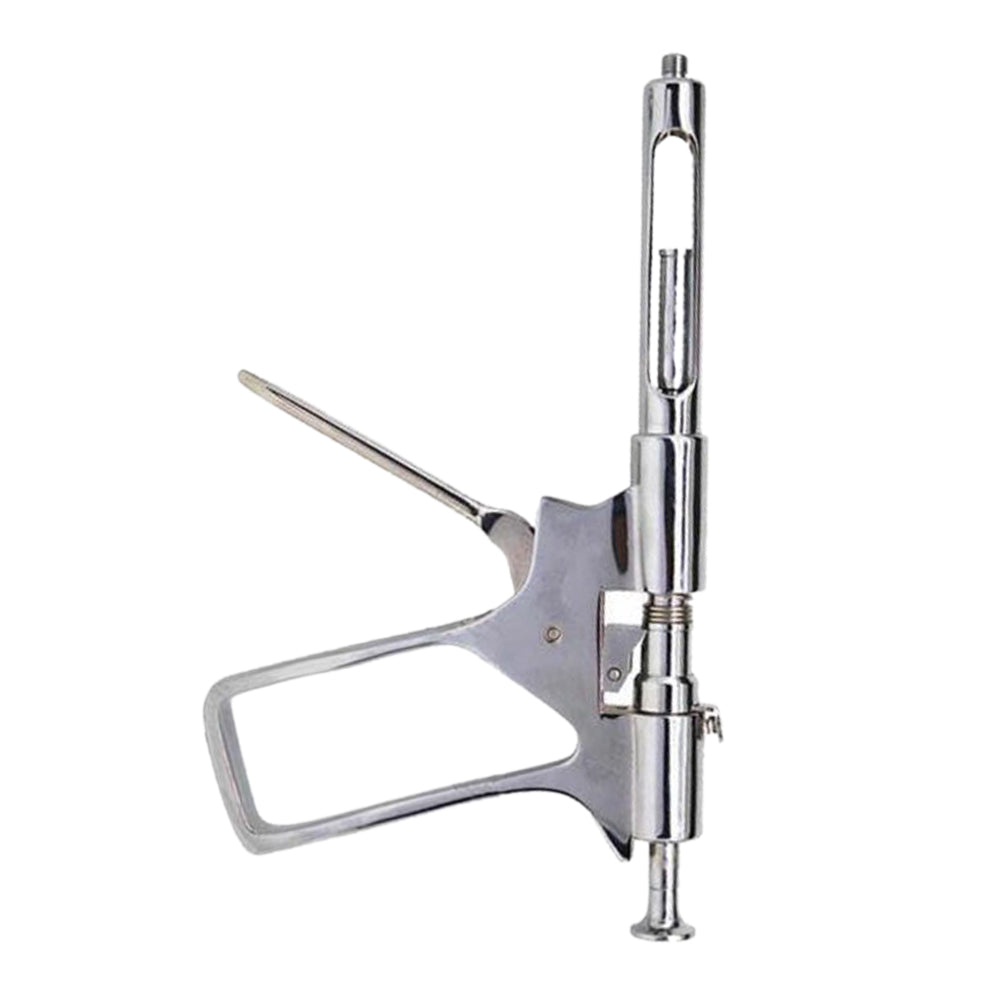
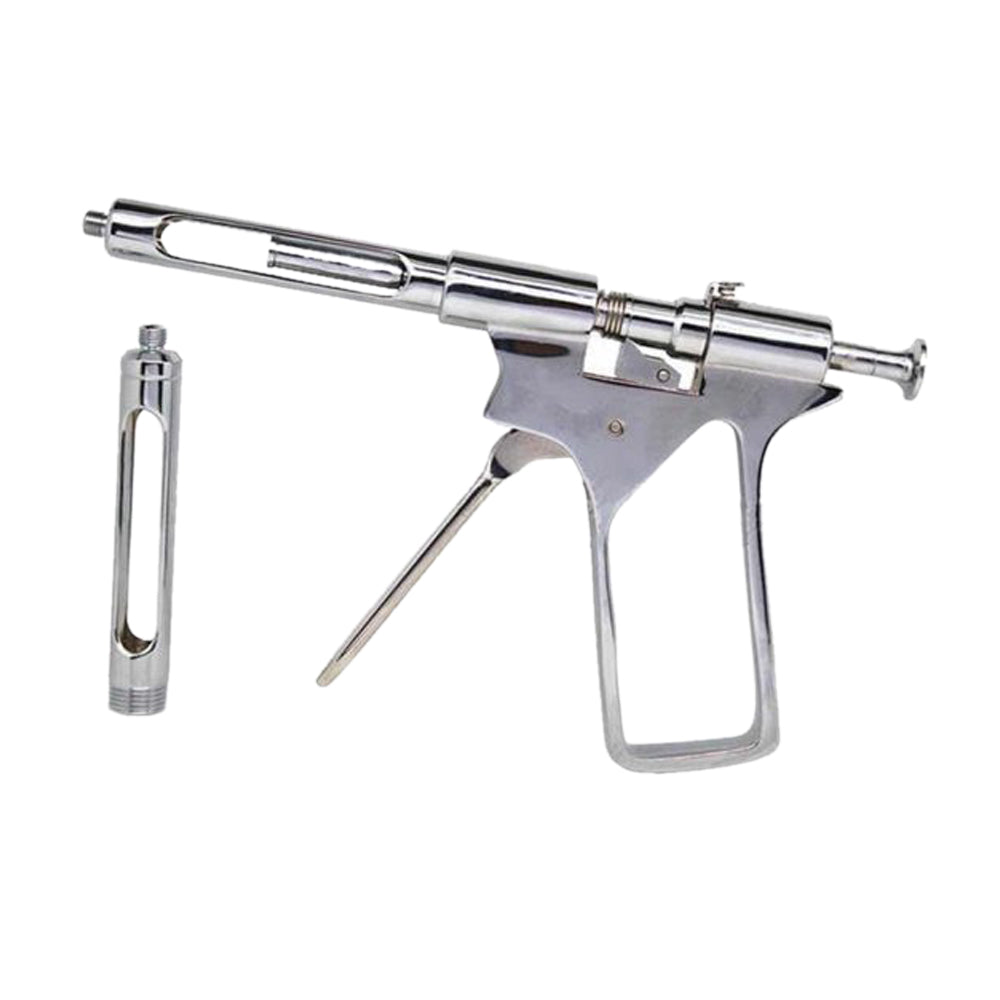
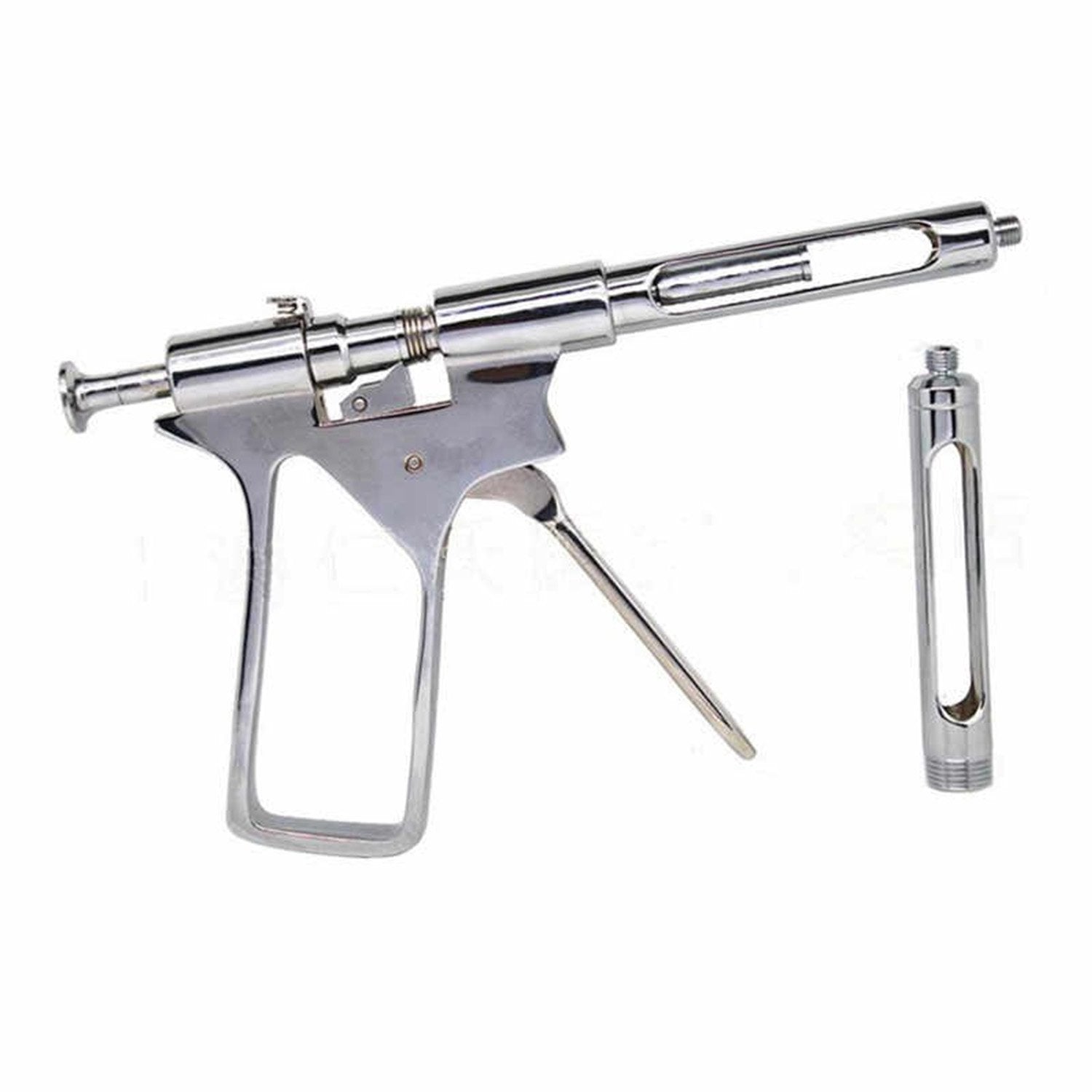
The Intraligamental Syringe from Peak Surgicals (SKU: PS-710) is a reusable German Stainless Steel dental anesthetic delivery instrument designed for periodontal ligament injection, intraseptal anesthesia, endodontic supplemental anesthesia, restorative tooth-specific anesthesia, pediatric dental procedures, extraction support, and minor oral surgery. This syringe is priced at $66.00 and is listed in 0.5ml, 1ml, 2ml, 3ml, 5ml, 10ml, 20ml, 30ml, 50ml, and 60ml size variants for clinical ordering and anesthesia workflow selection. The visible design includes a pistol-grip frame, cartridge barrel, side viewing window, removable cartridge chamber, plunger rod, rear thumb plunger, trigger lever, needle hub connection, pressure-transfer mechanism, and polished stainless steel body for controlled local anesthetic expression. Dentists, oral surgeons, endodontists, pediatric dentists, periodontists, hospital dental departments, outpatient clinics, university dental programs, and procurement teams use this instrument during mandibular molar endodontics, failed block supplementation, crown preparation, deep caries excavation, pulpotomy, pulpectomy, tooth extraction, periodontal therapy, localized gingival manipulation, and single-tooth anesthesia where the periodontal ligament route is selected.
The Intraligamental Syringe uses a pistol-grip frame to convert controlled hand compression into measured anesthetic delivery through the cartridge system. The cartridge barrel receives the anesthetic cartridge and aligns it with the plunger rod so forward movement is transferred directly to the cartridge piston. The side viewing window allows the clinician to monitor cartridge seating and remaining anesthetic volume during repeated ligament-space injections. The trigger lever gives progressive mechanical control, which is clinically important because periodontal ligament injection is performed against dense fibrous tissue with higher resistance than buccal infiltration or palatal deposition. The rear plunger assembly provides loading, seating, and controlled piston engagement, while the needle hub directs a fine dental needle toward the gingival sulcus and root surface. The pistol-style body supports a stable hand position during posterior access and helps maintain needle angle beside molars, premolars, canines, and incisors. The mechanism has no ratchet because delivery depends on continuous tactile resistance, gradual lever pressure, and precise needle stabilization.
During periodontal ligament anesthesia, the needle is positioned through the gingival sulcus with the bevel oriented toward the root surface, then advanced into the ligament space at the mesial or distal line angle of the selected tooth. The trigger is activated gradually so anesthetic is expressed in small controlled increments around the root. In endodontic treatment, the instrument supports supplemental anesthesia for irreversible pulpitis, mandibular molars, inflamed pulps, and incomplete inferior alveolar nerve block response before access opening, pulp chamber entry, canal negotiation, shaping, irrigation, and obturation. During restorative dentistry, it provides localized tooth anesthesia for crown preparation, deep caries excavation, composite restoration, matrix placement, inlay preparation, and bridge abutment work. In extraction workflow, the syringe supports additional periodontal anesthesia before luxator insertion, elevator use, root movement, and forceps delivery. Pediatric clinicians use the same tooth-specific method when broad lip, tongue, or cheek numbness is not desired after treatment. Periodontists use it before subgingival instrumentation, localized flap access, root planing, and gingival contouring around selected teeth.
The 0.5ml variant is selected for minimal-volume tooth-specific anesthesia in pediatric care, anterior teeth, and localized periodontal ligament supplementation where a small anesthetic volume is required. The 1ml and 2ml options support routine PDL injection around single-rooted teeth, premolars, and endodontic rescue cases. The 3ml and 5ml variants suit multi-rooted teeth, extraction support, periodontal procedures, and restorative appointments requiring repeated delivery around one or more roots. The 10ml and 20ml options support higher-volume clinical setups, multi-chair use, teaching environments, and procedure sequencing where multiple localized injections are expected during the same session. The 30ml, 50ml, and 60ml sizes are ordered for broader departmental inventory planning, high-volume clinic workflows, institutional procurement, and repeated anesthesia preparation across dental operatories. The full size range allows procurement teams to align syringe configuration with clinical volume, procedure type, operator preference, chairside turnover, and department-level anesthesia instrument standardization.
German Stainless Steel gives the Intraligamental Syringe the rigidity, corrosion resistance, and reusable durability required for repeated dental anesthesia workflows. A dental cartridge syringe must retain barrel alignment, cartridge chamber accuracy, plunger movement, trigger response, needle hub fit, side-window visibility, and smooth exterior surfaces because anesthetic delivery depends on mechanical stability and precise pressure transfer. The polished finish supports visual inspection after cleaning and helps reduce residue retention around the frame, chamber, hub, and trigger assembly. After use, the needle is removed, the anesthetic cartridge is discarded according to clinical protocol, the chamber is opened, the plunger path is cleaned, the trigger area is brushed, and the exterior body is wiped before sterilization workflow. CE marking, ISO-13485 certification, and FDA compliance support dental clinic purchasing, hospital procurement, distributor documentation, and international tender files. The listed price, reusable format, broad size range, MOQ of 1 piece, and return-and-replacement support help dental departments standardize intraligamental anesthesia inventory.
| SKU | PS-710 |
|---|---|
| Product Name | Intraligamental Syringe |
| Price | $66.00 per piece |
| Size/Gauge Variants | 0.5ml, 1ml, 2ml, 3ml, 5ml, 10ml, 20ml, 30ml, 50ml, 60ml |
| Instrument Category | Dental Instruments / Dental Syringe / Intraligamental Anesthetic Syringe |
| Procedure | Periodontal Ligament Injection, Intraligamental Anesthesia, Intraseptal Anesthesia, Endodontic Supplemental Anesthesia, Restorative Dentistry, Pediatric Dentistry, Tooth Extraction, Periodontal Treatment |
| Material | German Stainless Steel |
| Finish | Polished stainless steel clinical finish |
| Sterilization | Reusable syringe body suitable for dental instrument reprocessing workflow after cartridge and needle removal |
| Instrument Classification | Class I reusable dental anesthetic delivery instrument |
| Reusable | Yes |
| Certifications | CE, ISO-13485, FDA |
| Warranty | 1 Year |
| MOQ | 1 Piece |
| OEM / Custom Orders | Available |
| After-Sale Service | Return and Replacement |
How does the Intraligamental Syringe compare with a conventional aspirating dental syringe?
The Intraligamental Syringe is designed for periodontal ligament and tooth-specific anesthetic delivery. A conventional aspirating dental syringe is primarily used for inferior alveolar nerve block, buccal infiltration, palatal infiltration, mental nerve block, and field anesthesia. The key design difference is pressure transfer: this instrument uses a pistol-grip lever and plunger mechanism to express anesthetic into the dense ligament space around a selected tooth. A standard aspirating syringe uses a larger thumb-ring frame and direct plunger pressure for broader soft tissue deposition. The Intraligamental Syringe is selected for endodontic rescue anesthesia, restorative procedures, pediatric care, extraction supplementation, and localized periodontal work. Conventional syringes remain essential for regional and infiltration techniques. Dental anesthesia trays use both instruments because block anesthesia and PDL delivery serve different clinical steps.
Which size variant is selected for clinical use?
The 0.5ml size is selected for minimal-volume periodontal ligament injection in pediatric dentistry, anterior teeth, and focused single-root supplementation. The 1ml and 2ml variants are used for routine tooth-specific anesthesia around incisors, canines, premolars, and endodontic rescue cases. The 3ml and 5ml sizes support multi-rooted teeth, extraction supplementation, crown preparation, and repeated localized injections during restorative or periodontal treatment. The 10ml and 20ml options suit high-turnover operatories, teaching clinics, and multi-chair workflows where repeated cartridge-based anesthesia preparation is required. The 30ml, 50ml, and 60ml variants support institutional inventory planning and department-level procurement. The Intraligamental Syringe size choice is based on clinical volume, tooth type, procedure duration, and chairside setup. Stocking multiple variants gives dental teams controlled coverage from minimal-volume single-tooth care to broader clinic usage.
What do CE, ISO 13485, and FDA compliance mean for dental procurement?
CE marking supports conformity documentation for dental clinics, hospitals, distributors, and procurement teams sourcing reusable dental anesthetic instruments. ISO 13485 indicates that manufacturing is managed under a medical device quality management system with controlled production, inspection, and traceability. FDA compliance supports procurement records for buyers sourcing reusable dental devices for regulated healthcare markets. The Intraligamental Syringe fits purchasing categories for non-powered dental anesthetic delivery instruments used in operative dentistry, endodontics, pediatric dentistry, periodontics, and oral surgery. These credentials help procurement officers compare the product against tender requirements, internal purchasing rules, and distributor documentation needs. The listed SKU PS-710, price $66.00, German Stainless Steel construction, reusable format, and size range support repeat ordering. For hospital oral health departments and private dental practices, the documentation aligns localized anesthetic delivery with regulated sourcing requirements.
How is the pistol-grip lever mechanism used during PDL injection?
The anesthetic cartridge is seated inside the barrel, the needle is attached to the hub, and the tip is positioned into the periodontal ligament space beside the target root. The clinician stabilizes the pistol-grip frame while maintaining needle angulation against the root surface. The trigger lever is compressed gradually so the internal plunger rod advances the cartridge piston in controlled increments. This controlled movement is required because the ligament space resists fluid deposition more than vestibular mucosa. The side viewing window allows the operator to monitor cartridge position and remaining solution while tactile resistance is assessed at the hand. The Intraligamental Syringe allows immediate release when repositioning is required around another root surface. This mechanism supports endodontic supplemental anesthesia, extraction support, restorative treatment, periodontal therapy, and pediatric tooth-specific anesthesia.
How should the Intraligamental Syringe be cleaned and prepared after use?
After use, the needle is removed through sharps protocol and the anesthetic cartridge is removed from the barrel. The syringe is decontaminated promptly so anesthetic residue, blood, saliva, or tissue fluid does not dry on the cartridge chamber, needle hub, trigger area, plunger contact, or side window. The chamber is opened and cleaned so the next cartridge seats correctly. The trigger and plunger movement are checked for smooth mechanical response before the instrument returns to the anesthesia tray. German Stainless Steel surfaces are wiped and inspected for corrosion, loose parts, blocked threads, or debris around the mechanism. The Intraligamental Syringe is reprocessed after cartridge and needle removal. Proper care preserves pressure control, cartridge fit, needle alignment, trigger response, and repeated clinical usability.