Refining the Profile: The Excellence of the Fomon Rasp
The specialized area of nasal surgery, rhinoplasty (nasal surgery), making an elegant, natural-looking nasal bridge, is one of the most delicate jobs that surgeons perform. It is the Fomon Rasp is a top surgical instrument specifically designed to reduce cartilage and bone. It lets the surgeon cut dorsal humps down and fine-tune nasal contours using the same degree of control that standard chisels can't match.
Anatomy of the Fomon Rasp
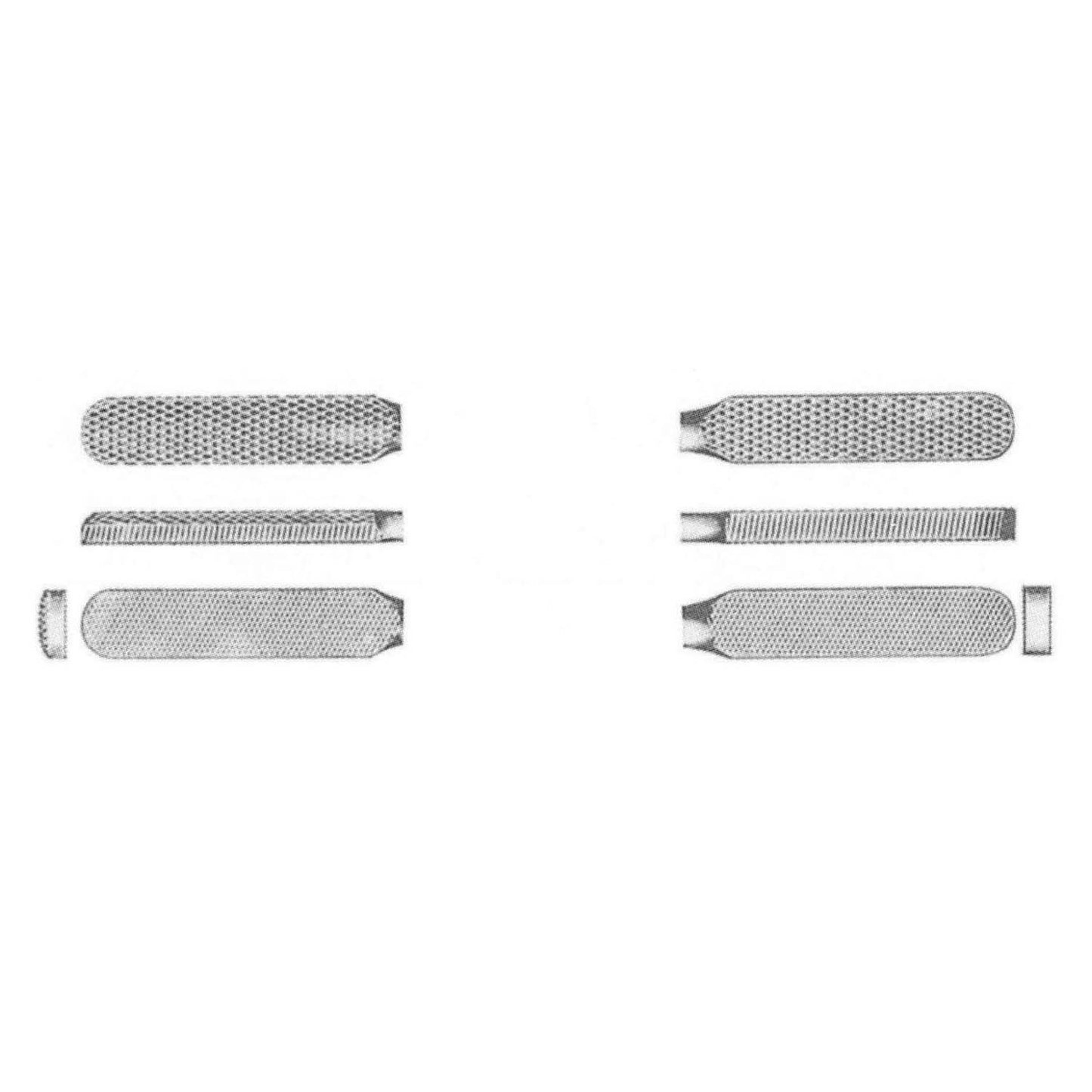
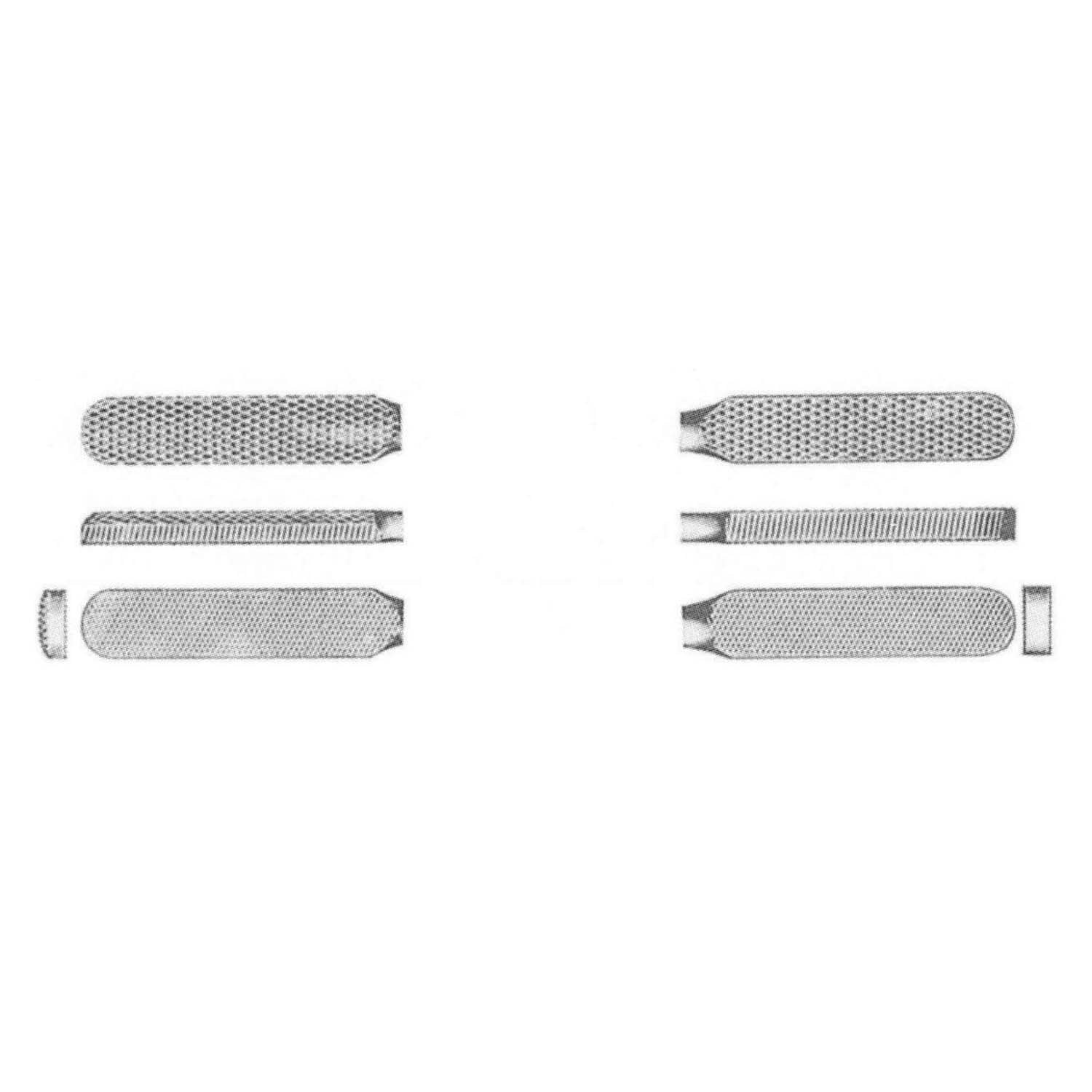
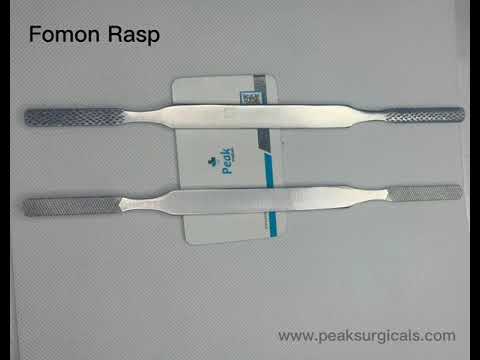
This Fomon razor is distinguished due to its distinctive double-ended design as well as its special "grit" or teeth, as opposed to a traditional wood rasp. The surgical rasp is designed to ensure the precision and safety of tissue.
-
Double-Ended Versatility Most Fomon rasps come with two different surfaces. Typically, they have one with a coarse grit at one end and a rough grind on the other. This enables the surgeon to swiftly switch between a more aggressive bone removal procedure and delicately smoothing, without changing instruments.
-
Aggressive vs. Fine Teeth A coarse tooth is utilized to reduce the prominence of bony humps quickly, whereas the smooth side (often having a diamond-dust micro-serrated surface) can be used to remove small imperfections for an "polished" finish.
-
Ergonomic center handle: The central portion of the instrument is constructed with a knurled or flattened grasp, allowing surgeons the best feedback through tactile sensation. This is essential because, when performing "closed" rhinoplasty, the surgeon usually relies on feeling instead of direct vision.
Key Benefits of Rhinoplasty
-
Predictable Reduction Utilizing rasps is usually more secure than using one of the types (chisel). It eliminates bone in tiny layers, significantly lessening the risk of accidental over-resection, or "saddle nose" deformities.
-
Superior Contouring. Its flat-profile rasp makes sure that the nasal bridge stays straight. It is the best tool to smooth the transition between nose bones as well as the cartilages on the lateral side.
-
Reduced trauma: Because it uses an edging motion instead of striking force, there's typically less swelling and bruising post-operatively as compared to surgeries that require using a chisel and mallet.
Primary Surgical Applications
While it is mostly used as a "nose job" tool, the Fomon rasp is employed in various ways:
-
Dorsal Hump Reduction: Reducing the bony-cartilaginous hump that runs along the bridge of the nose.
-
The Revision Rhinoplasty procedure: The smoothing of "spicules" or irregularities left from previous operations.
-
Septoplasty is sometimes used for smoothing bony spurs down the septum or nasal floor.
-
Maxillofacial surgery: Small-scale bone contouring during the facial reconstruction procedure.
Quality and Maintenance
Fomon rasps are highly-maintenance tools because their efficiency is dependent upon the sharpness of the teeth.
-
Tungsten Carbide Inserts: Highest-quality Fomon rasps have Tungsten Carbide (TC) teeth. It is much more durable than standard stainless steel. This is making sure that the rasp is sharper for much longer.
-
Proper cleaning: Bone dust and tissue debris can rapidly clog the teeth of the rasp (a process called "loading"). It is crucial to utilize a wire brush before and after the procedure to remove the serrations. This is followed by ultrasonic cleaning.
-
Standards for hardness: Made from stainless-steel surgical grade. The body of the device must be strong enough to avoid being bent under pressure, which could result in an unbalanced cut.
Conclusion
It is the Fomon Rasp is a key element for aesthetic surgical procedures. In providing a "middle ground" between aggressive bone cutting and delicately finished surgery, it allows surgeons the capability to create the face of a patient using artistic precision and safety for medical use.
 CE Certified
 FDA Certified
 ISO Certified