Featured Collection
Your cart
Featured Collection

PEAK SURGICALS
SKU:PS-DE-001
Couldn't load pickup availability
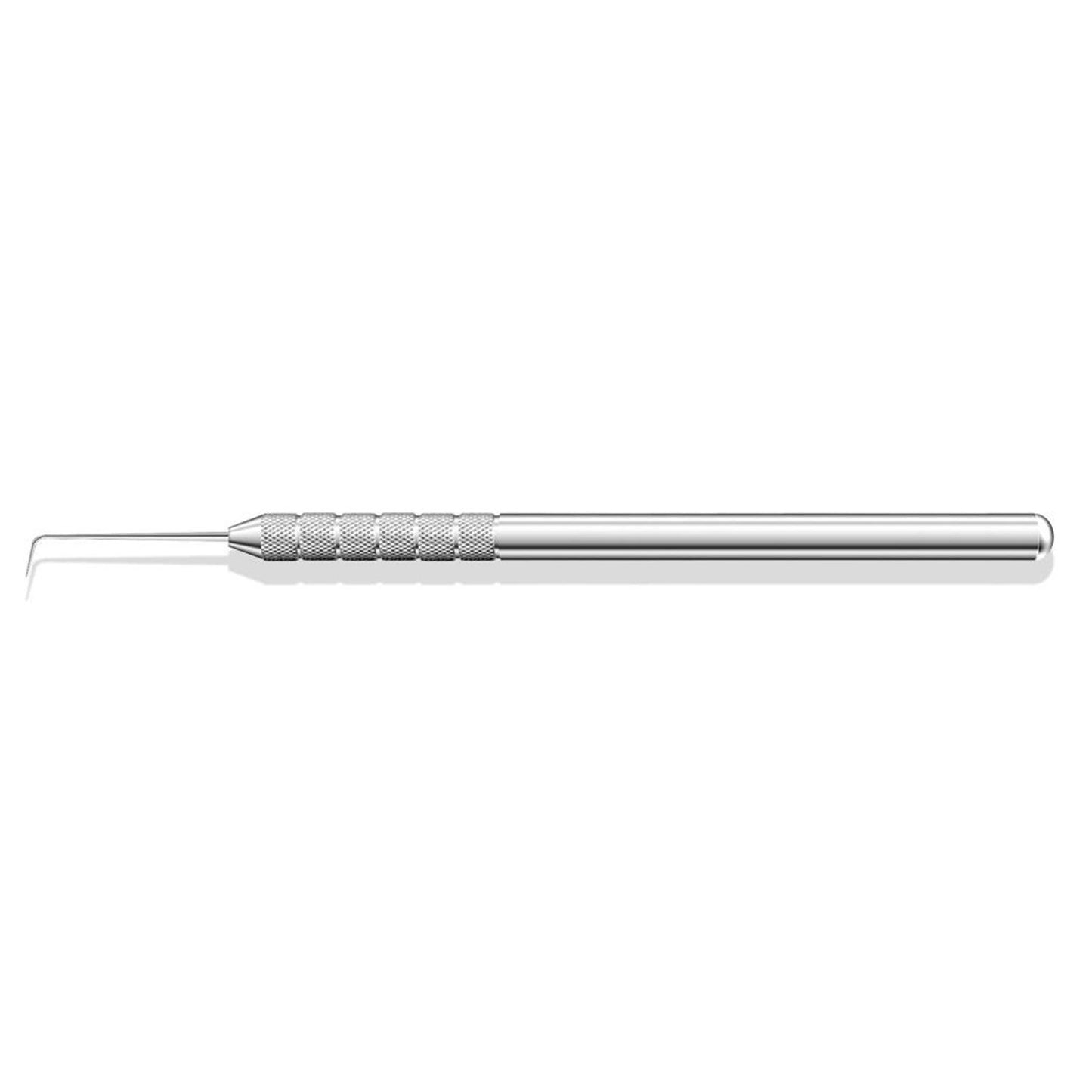
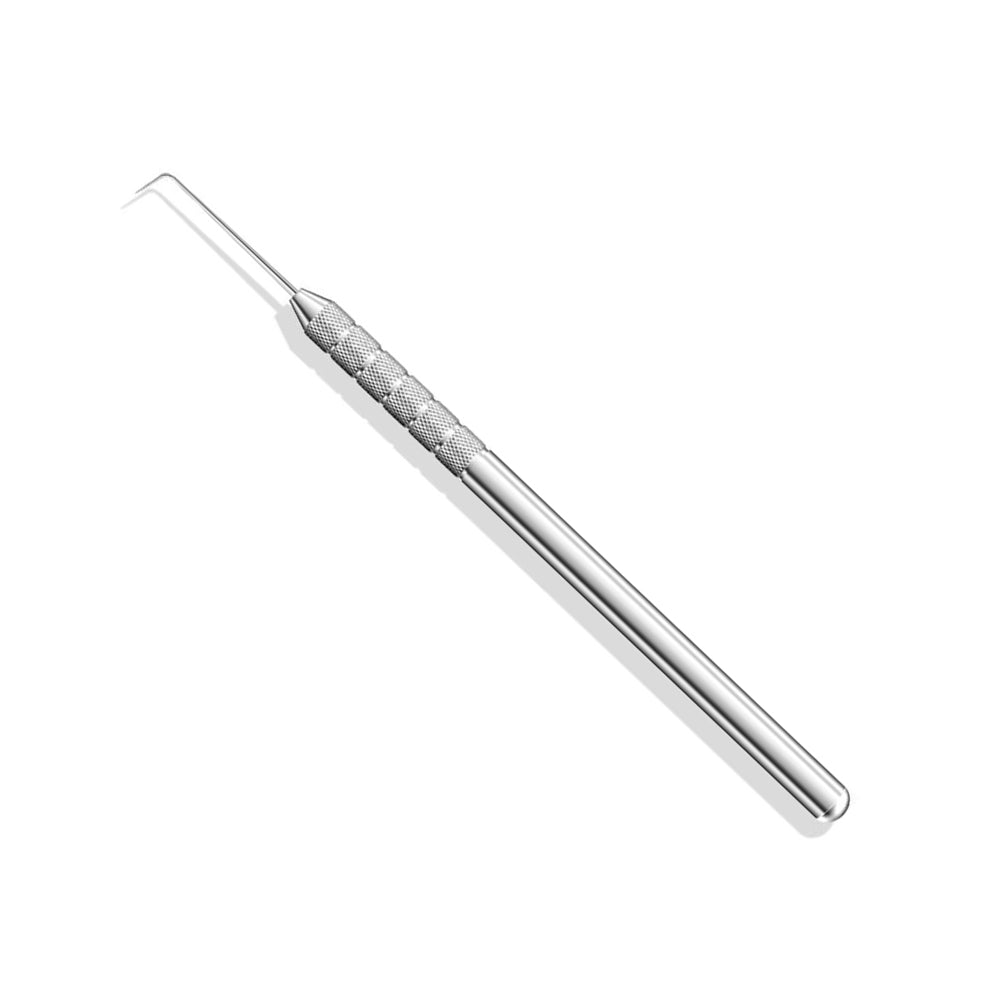
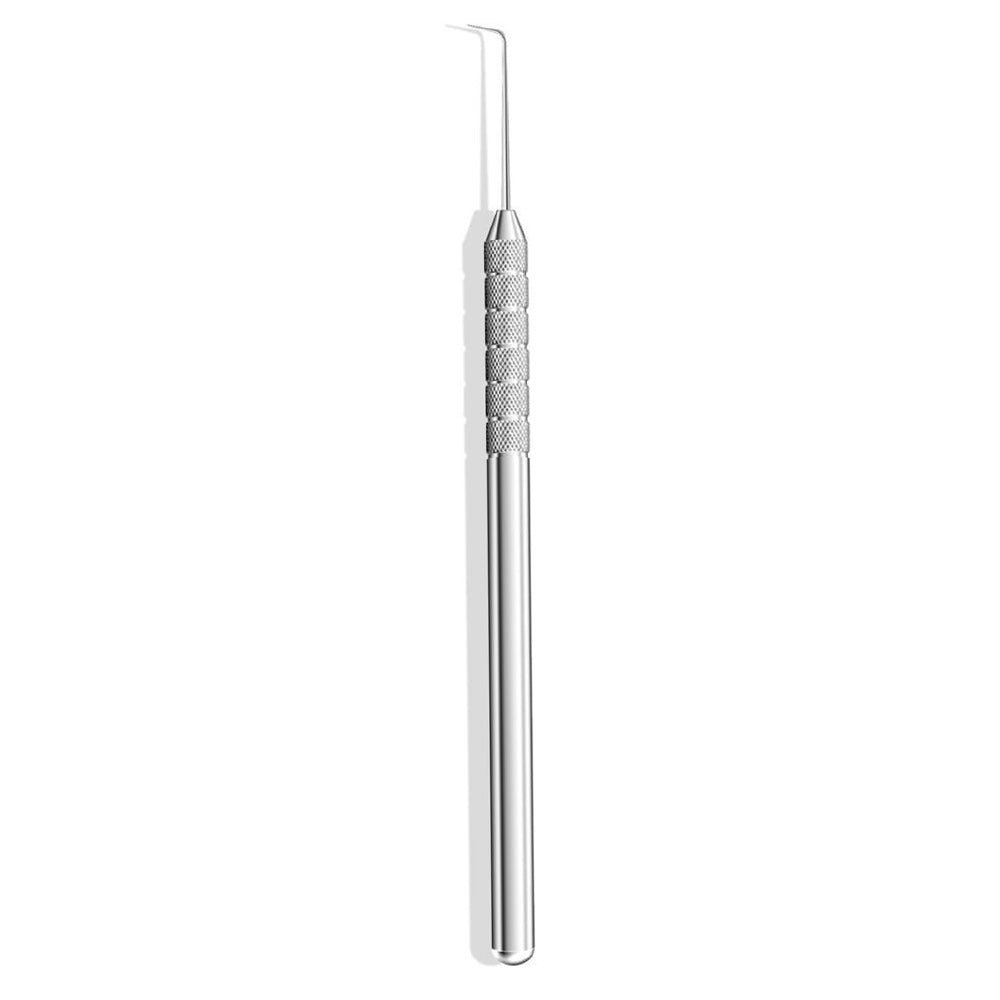
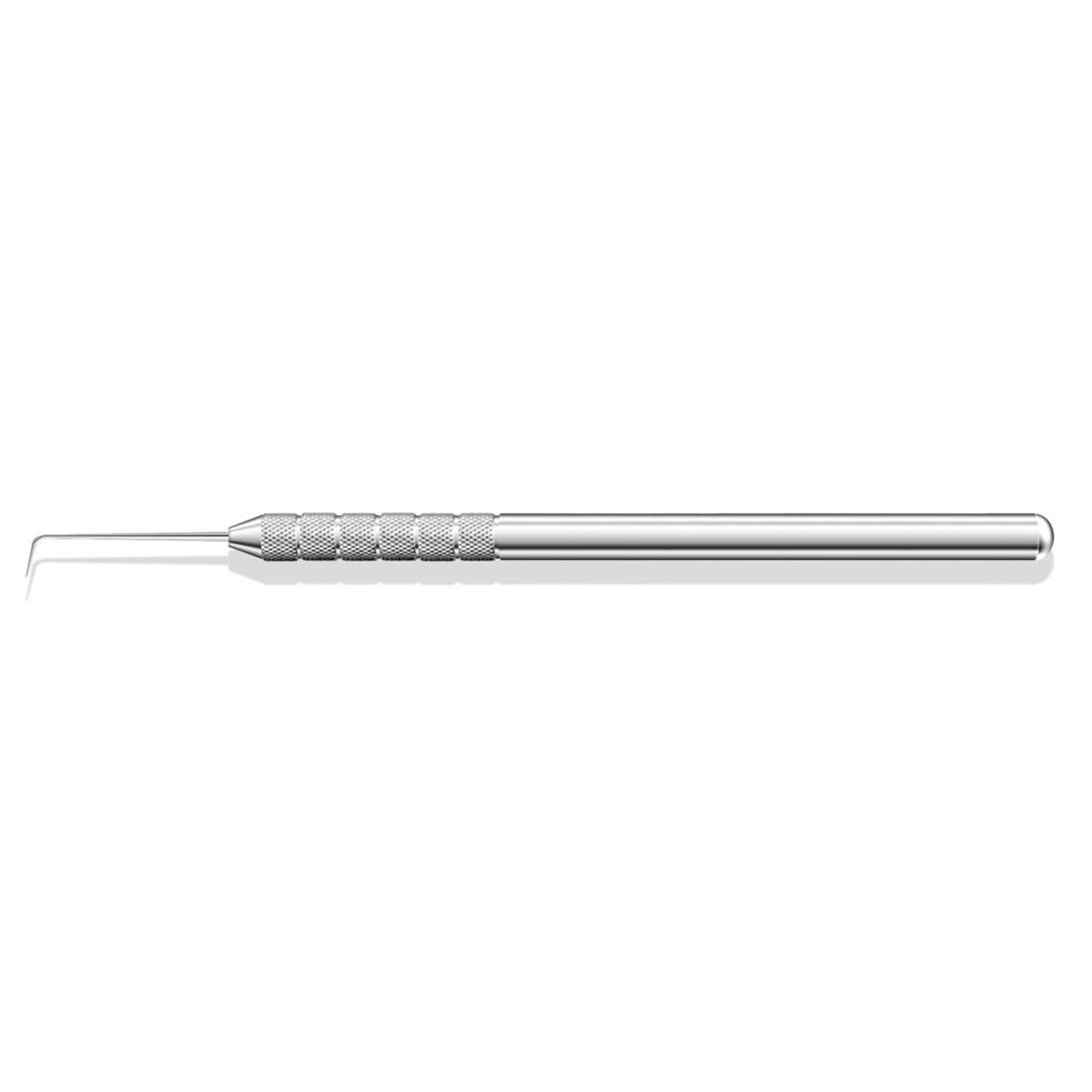
The Explorer Short Right Angle Tip from Peak Surgicals (SKU: PS-DE-001) is a reusable German Stainless Steel dental diagnostic explorer designed for tactile inspection of enamel defects, restoration margins, fissures, calculus deposits, proximal surfaces, crown margins, implant-adjacent contours, and endodontic access detail. This instrument is listed in 1mm and 2mm size variants, with each piece priced at $3.30. The visible design includes a slim right-angle working tip, short terminal probe end, narrow shank, knurled grip section, smooth cylindrical handle, and polished stainless steel body for controlled tactile response. Dentists, restorative clinicians, periodontists, endodontists, oral surgeons, dental hygienists, dental schools, outpatient dental clinics, hospital dental departments, and procurement teams use this explorer during routine oral examination, caries detection, calculus assessment, restoration margin review, crown and bridge evaluation, composite finishing review, sealant inspection, periodontal maintenance, root surface assessment, endodontic access checking, and dental training. The short right-angle tip allows the operator to enter tight occlusal grooves, interproximal spaces, posterior line angles, subgingival margins, and narrow restorative interfaces while maintaining a stable pencil-grip position.
The Explorer Short Right Angle Tip uses a compact 90-degree terminal working end to improve access where a straight explorer tip cannot reach the inspected surface at the correct contact angle. The short angled tip lets the clinician trace around occlusal pits, fissures, proximal boxes, restoration edges, crown margins, veneer margins, and cervical surfaces with controlled point contact. The fine probe end transmits tactile feedback through the shank and handle, allowing the operator to detect roughness, ledges, overhangs, open margins, calculus, softened enamel, and surface discontinuity. The narrow shank keeps the working end visible around posterior teeth, lingual surfaces, buccal line angles, and interproximal embrasures. The knurled grip provides stable finger control with gloves and helps maintain consistent pressure during repeated examination movements. The smooth cylindrical handle balances the instrument during pencil-grip use. This explorer has no hinge, ratchet, spring, or locking feature because diagnostic performance depends on controlled hand pressure, visual alignment, and tactile interpretation at the tip.
During caries detection, the explorer is guided across occlusal fissures, pits, proximal grooves, and suspicious enamel surfaces to identify surface breakdown, marginal catch, and texture change. In restorative dentistry, the short right-angle tip follows composite margins, amalgam margins, inlay edges, onlay margins, crown margins, bridge abutments, and veneer interfaces to detect overhangs, ledges, open margins, residual cement, or finishing defects. During periodontal maintenance, the angled tip can inspect supragingival and accessible subgingival calculus near cervical tooth contours and root surface irregularities. In crown and bridge evaluation, it helps trace the finish line around gingival margins where visibility is limited by soft tissue position, adjacent teeth, and restoration contour. During endodontic access checking, the fine tip supports examination of access cavity walls, pulp chamber floor detail, canal orifice area, and residual restorative edges after preparation. The instrument works beside dental mirrors, air-water syringe, saliva ejector, scaler, periodontal probe, spoon excavator, composite instruments, and burs during chairside diagnostic workflow.
The 1mm Explorer Short Right Angle Tip is selected when the clinician needs fine point access into narrow fissures, tight proximal areas, small restoration margins, crown edges, orthodontic bracket margins, sealant borders, and delicate endodontic access details. Its smaller listed tip size supports precise tracing when the working area is restricted by contact points, gingival contour, posterior tooth position, or limited mouth opening. The 2mm variant provides a broader working contact for routine surface inspection, larger restoration margins, calculus assessment, broad occlusal grooves, and general clinical screening where a slightly wider tactile reference is preferred. This size is useful when the clinician needs stronger surface feedback over a larger contact area without changing instrument pattern. Both variants use the same short right-angle geometry, so hand position, approach angle, and tactile behavior remain consistent during examination. The two-size range gives dental teams a practical option for fine-detail inspection and broader diagnostic contact across restorative, periodontal, endodontic, and general dentistry procedures.
German Stainless Steel gives the Explorer Short Right Angle Tip the rigidity, corrosion resistance, and surface durability required for repeated dental clinic use. A diagnostic explorer must retain tip sharpness, right-angle geometry, shank alignment, handle balance, and smooth surface finish because distortion or dulling reduces tactile accuracy during margin detection and surface assessment. The polished stainless steel finish supports visual inspection after cleaning and reduces debris retention along the handle, shank, and working tip. After clinical use, the instrument is decontaminated, the angled tip is brushed carefully, the knurled grip is cleaned, the shaft is wiped along its full length, and the probe end is inspected before steam sterilization by autoclave after complete drying. CE marking, ISO-13485 certification, and FDA compliance support dental clinic purchasing, hospital procurement, distributor documentation, and international tender files. The listed price, 1mm and 2mm options, reusable format, MOQ of 1 piece, and return-and-replacement support help procurement teams standardize diagnostic explorer inventory.
| SKU | PS-DE-001 |
|---|---|
| Product Name | Explorer Short Right Angle Tip |
| Price | $3.30 per piece |
| Size/Gauge Variants | 1mm, 2mm |
| Instrument Category | Dental Instruments / Diagnostic Explorers / Probe and Explorer Instruments |
| Procedure | Dental Examination, Caries Detection, Restoration Margin Review, Crown Margin Inspection, Calculus Assessment, Composite Finishing Review, Endodontic Access Inspection, Periodontal Maintenance |
| Material | German Stainless Steel |
| Finish | Polished stainless steel clinical finish |
| Sterilization | Steam sterilizable / Autoclave compatible after cleaning and drying |
| Instrument Classification | Class I reusable dental diagnostic instrument |
| Reusable | Yes |
| Certifications | CE, ISO-13485, FDA |
| Warranty | 1 Year |
| MOQ | 1 Piece |
| OEM / Custom Orders | Available |
| After-Sale Service | Return and Replacement |
How does the Explorer Short Right Angle Tip compare with a straight dental explorer?
The Explorer Short Right Angle Tip is designed for angled access into confined tooth surfaces, while a straight dental explorer works best on direct-line surfaces. The right-angle tip improves contact with posterior fissures, proximal margins, crown edges, cervical areas, and restoration interfaces where a straight tip approaches at an inefficient angle. A straight explorer remains useful for open occlusal surfaces and broad visible areas. The short angled pattern is selected when the clinician needs controlled access around tight embrasures, subgingival restoration margins, and line angles. Its tip geometry also keeps the handle away from the mirror and cheek during posterior examination. The Explorer Short Right Angle Tip provides stronger tactile access in difficult restorative and diagnostic areas. Dental trays often include both patterns because each supports a different inspection angle.
Which size should be selected: 1mm or 2mm?
The 1mm size is selected for fine diagnostic contact in narrow fissures, tight proximal surfaces, delicate crown margins, small composite edges, sealant borders, and endodontic access details. It gives the operator a more precise point for tracing subtle defects and small marginal gaps. The 2mm size is selected for broader diagnostic contact during routine examination, larger restoration review, calculus detection, and general surface assessment. This size provides a wider tactile reference when the clinician wants stronger feedback across a larger margin or groove. The Explorer Short Right Angle Tip in both sizes uses the same right-angle approach, so handling remains consistent. The size choice depends on surface width, access restriction, and level of detail required. Stocking both sizes supports complete chairside diagnostic workflow.
What do CE, ISO 13485, and FDA compliance mean for procurement?
CE marking supports conformity documentation for dental clinics, hospitals, distributors, and procurement teams sourcing reusable diagnostic instruments. ISO 13485 indicates that manufacturing is managed under a medical device quality management system with controlled production, inspection, and traceability. FDA compliance supports procurement files for buyers sourcing reusable stainless steel dental devices for regulated healthcare markets. The Explorer Short Right Angle Tip fits purchasing categories for non-powered reusable dental diagnostic explorers. These credentials help procurement officers compare the instrument against tender requirements, internal sourcing rules, and distributor documentation needs. German Stainless Steel construction, reusable format, 1-year warranty, MOQ of 1 piece, and return-and-replacement service support repeat ordering. For dental departments, the documentation aligns margin inspection and diagnostic probing function with regulated sourcing expectations.
How is the short right-angle tip controlled during examination?
The clinician holds the Explorer Short Right Angle Tip in a modified pencil grip and stabilizes with an intraoral finger rest. The right-angle probe is placed against the target surface and moved with light controlled strokes rather than heavy pressure. During margin inspection, the tip follows the restoration edge, crown finish line, fissure, or cervical contour while the clinician reads tactile feedback through the handle. The angled geometry helps the working end reach areas hidden from a straight approach. The instrument has no ratchet, spring, or locking mechanism because diagnostic control comes from finger rest, tip angulation, mirror vision, and tactile sensitivity. The knurled grip helps prevent rotation during repeated tracing movements. This control method supports caries detection, margin review, calculus assessment, and endodontic access inspection.
How should the Explorer Short Right Angle Tip be cleaned and sterilized after use?
After use, the explorer is decontaminated promptly so saliva, blood, plaque, calculus particles, restorative debris, etchant residue, or polishing material does not dry on the tip, shank, or handle. The right-angle tip is brushed carefully because debris can remain near the bend and along the fine working end. The knurled grip is cleaned thoroughly so residue does not remain inside the textured surface. The shaft and handle are wiped along their full length and inspected for alignment, corrosion, dulling, or surface damage. German Stainless Steel supports steam sterilization by autoclave after complete cleaning and drying. The Explorer Short Right Angle Tip should return to the diagnostic tray only after the tip is clean, sharp, aligned, and visually intact. Proper reprocessing preserves tactile accuracy, margin detection, and repeated clinical usability.