Featured Collection
Your cart
Featured Collection

PEAK SURGICAL
SKU:PS-OT-0415
Couldn't load pickup availability
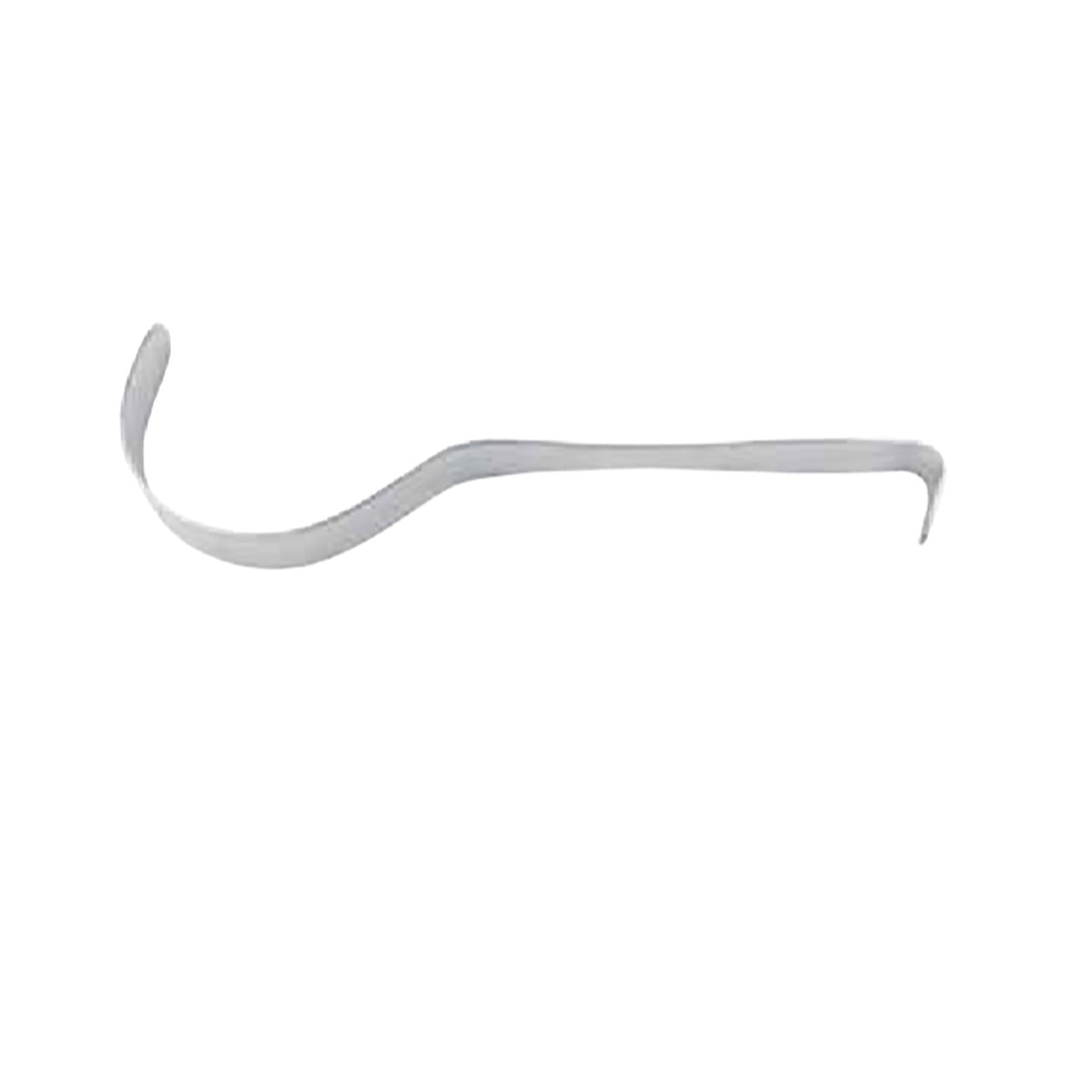
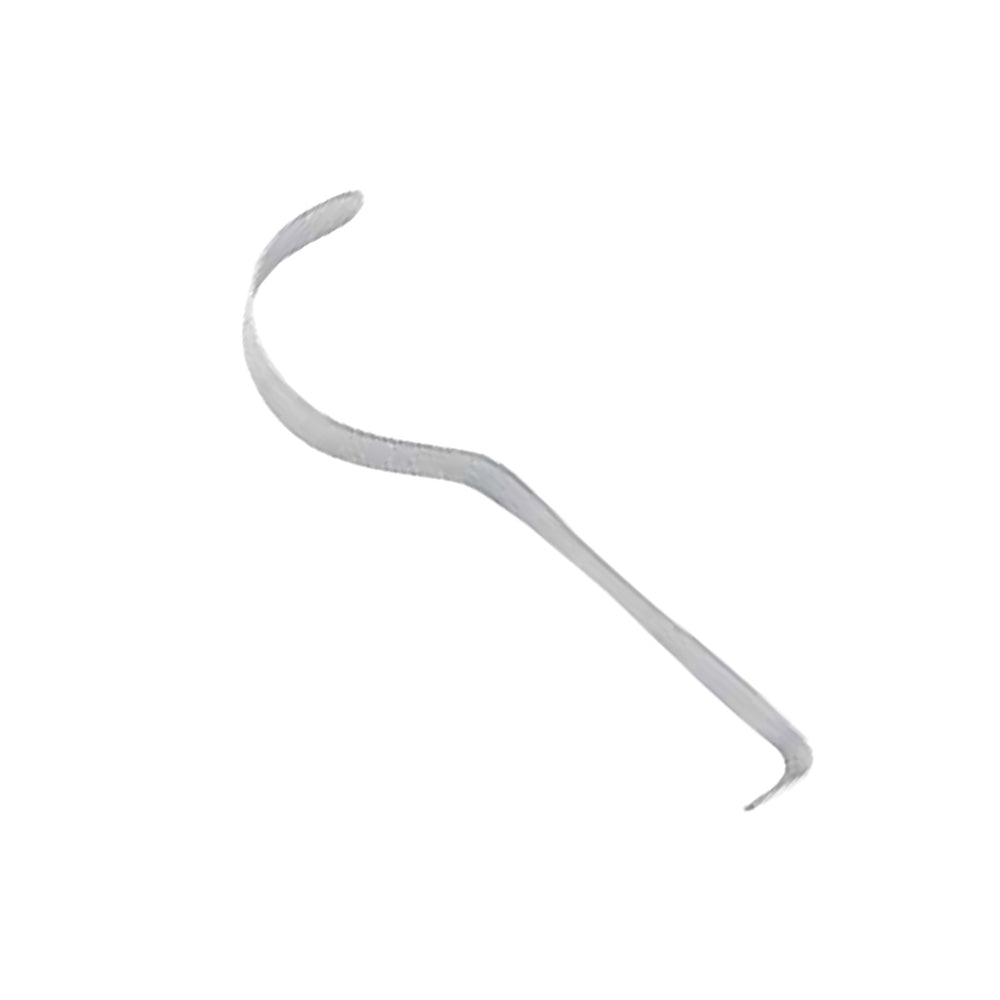
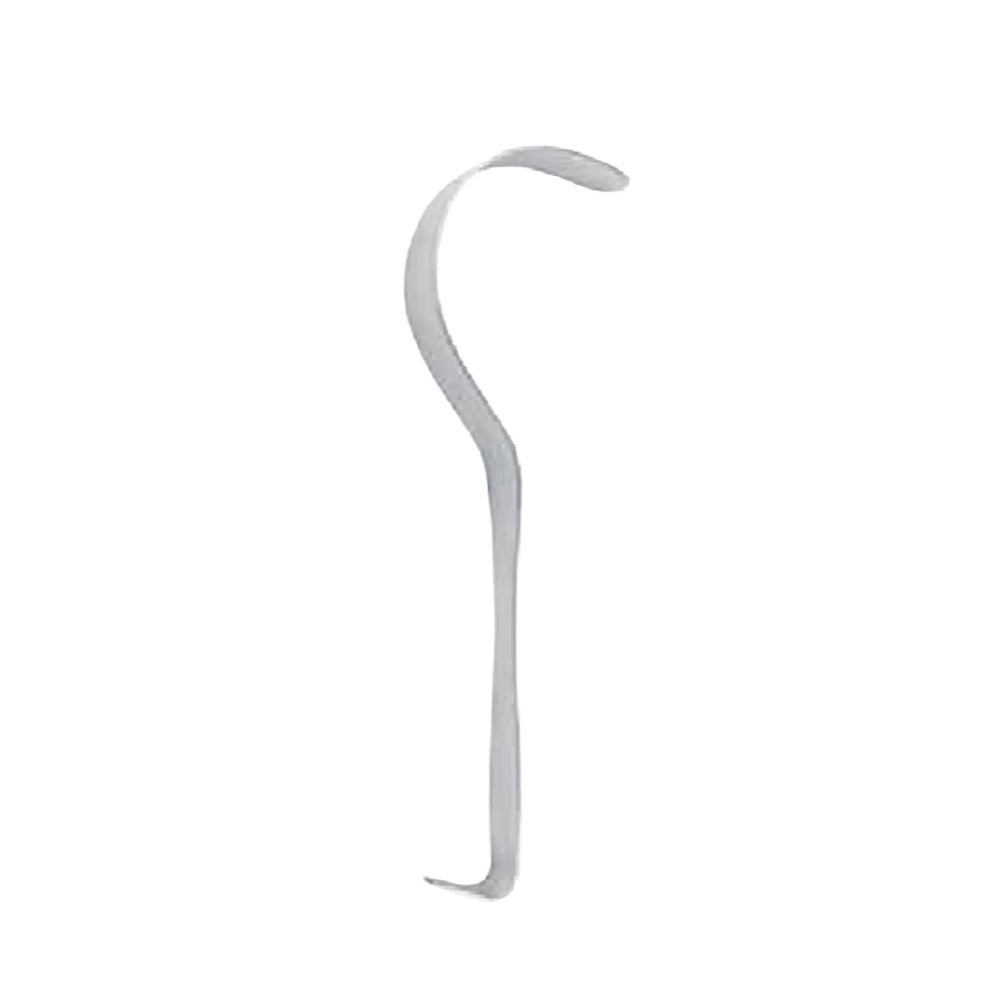
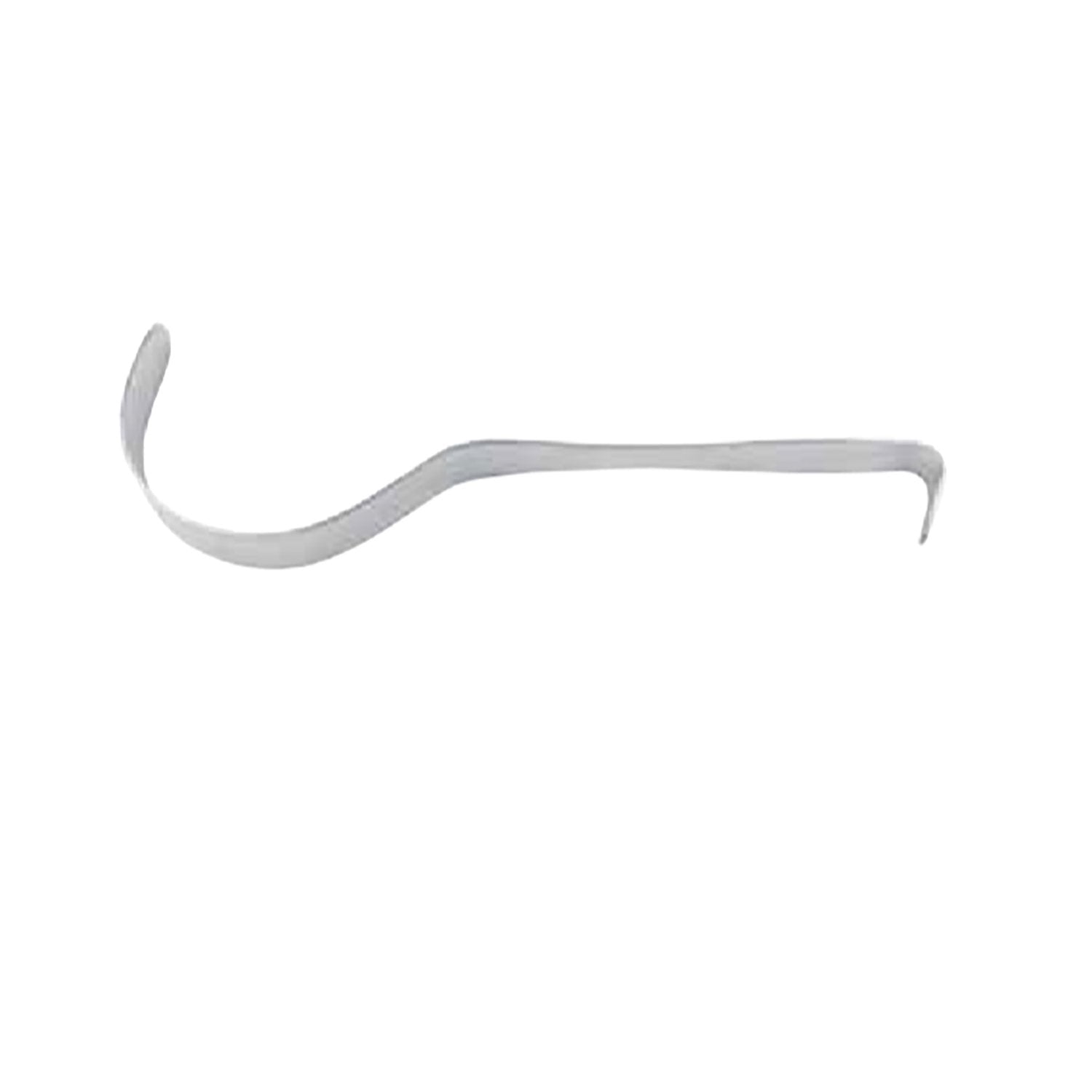
In big surgeries on the abdomen and chest, it's important to be able to safely move big organs out of the way so that the surgeon can see clearly. The Deaver Retractor is one of the most well-known and used tools in the operating room. Its beautiful, curved shape is made to pull back deep-seated organs like the liver, stomach, or bladder so that the surgeon can see the structures underneath.
Anatomy and Design
The Deaver retractor is a work of art in ergonomic simplicity. It is made to give you the most leverage with the least amount of damage to the tissue.
The "S" Curve: The tool has a unique, sweeping curve. This shape lets it go deep into the pelvic or abdominal cavity while the handle stays far away from the incision, making sure it doesn't get in the way of the surgeon's hands.
Flat Blade Profile: The blade is thin and flat, with edges that are rounded. This wide surface area helps spread the retraction pressure evenly across the organ, stopping the "focal" trauma or bruising that can happen with narrower tools.
Integrated Handle: The end that is closest to the body is usually bent into a hook or a ring. This gives the surgical assistant a safe, comfortable grip, which is very important because these retractors often have to be held under a lot of tension for a long time.
Key Benefits and Clinical Use
Better Depth: The Deaver comes in a range of widths and lengths, from 19mm to 100mm wide. This range makes it useful for a wide range of patients, from thin children to complicated bariatric surgeries.
Atraumatic Retraction: The Deaver doesn't have "toothed" or "hooked" retractors. Instead, it uses its smooth, polished surface to move organs. This is why it is the best tool for handling delicate organs like the liver or spleen.
Stability: The wide blade creates a stable wall that keeps bowel loops and other tissues from "slipping" back into the surgical area once it is in place.
Main Uses in Surgery
The Deaver retractor is a "must-have" tool for any major general surgery tray:
Cholecystectomy (Open): This procedure pulls the liver up to show the gallbladder and cystic duct.
Gastric Surgery: Putting the stomach or liver to the side during surgery for ulcers or gastric bypass.
Hysterectomy: Pulling back the bladder or bowel during gynecological surgeries on the abdomen.
Thoracic Surgery: Moving the lungs or chest wall gently during operations in the thoracic cavity.
Standards of Quality and Differences
The Best Stainless Steel: Deaver retractors are made from high-tensile surgical-grade stainless steel, which means they have to be strong enough to hold back heavy organs without bending or "springing."
Satin vs. Mirror Finish: Some are satin-finished to cut down on glare from strong surgical lights, while others are mirror-polished to make them easier to clean.
Some "Deaver-style" retractors are made from malleable copper or soft stainless steel, so the surgeon can bend the curve to fit the patient's body. Standard Deavers are rigid.
Final Thoughts
The Deaver Retractor is still an important part of the surgical suite. The design has been around for a long time and allows for deep, atraumatic exposure that is necessary for complicated internal surgeries. This makes sure that the surgical team can see what they are doing and work safely and effectively.