
PEAK SURGICAL
Cooley Vascular Suction Tube for 7.0 to 10.0mm Cardiac Field Aspiration
Cooley Vascular Suction Tube for 7.0 to 10.0mm Cardiac Field Aspiration
SKU:PS-7936
Couldn't load pickup availability
- 30 Days Money Back Guarantee.
- 100% Quality Satisfaction.
- Medical Grade Steel Reusable.
 CE Certified
 FDA Certified
 ISO Certified


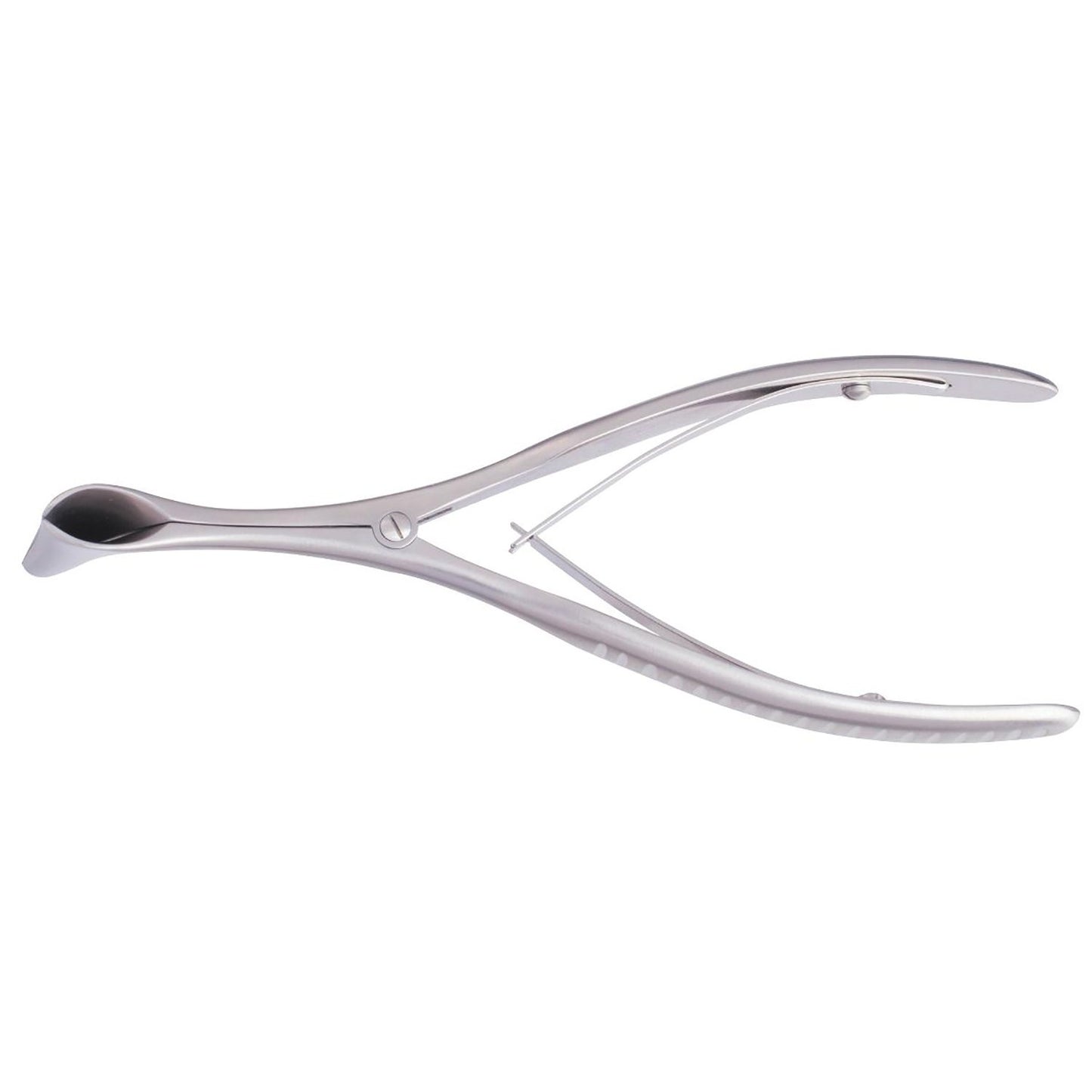
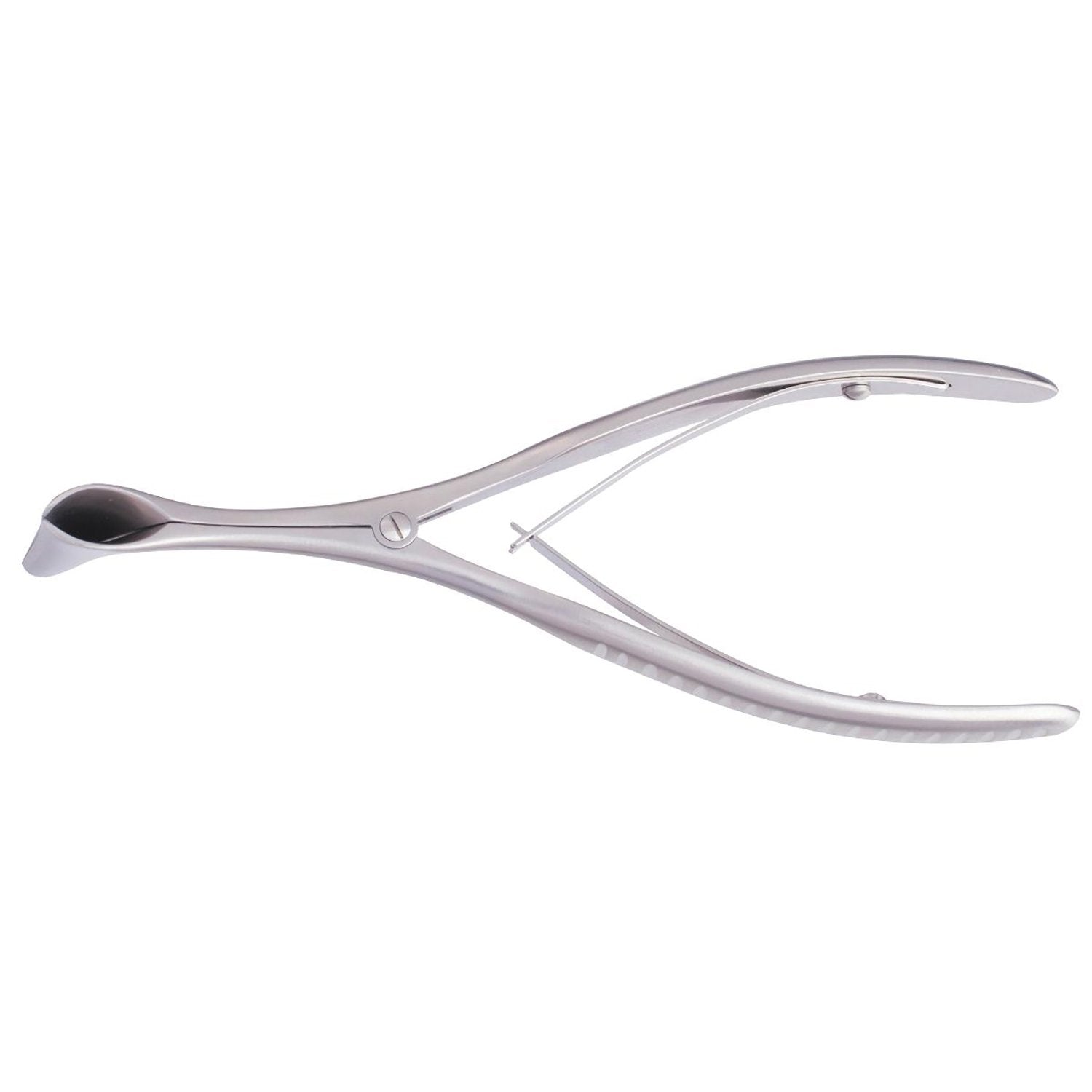
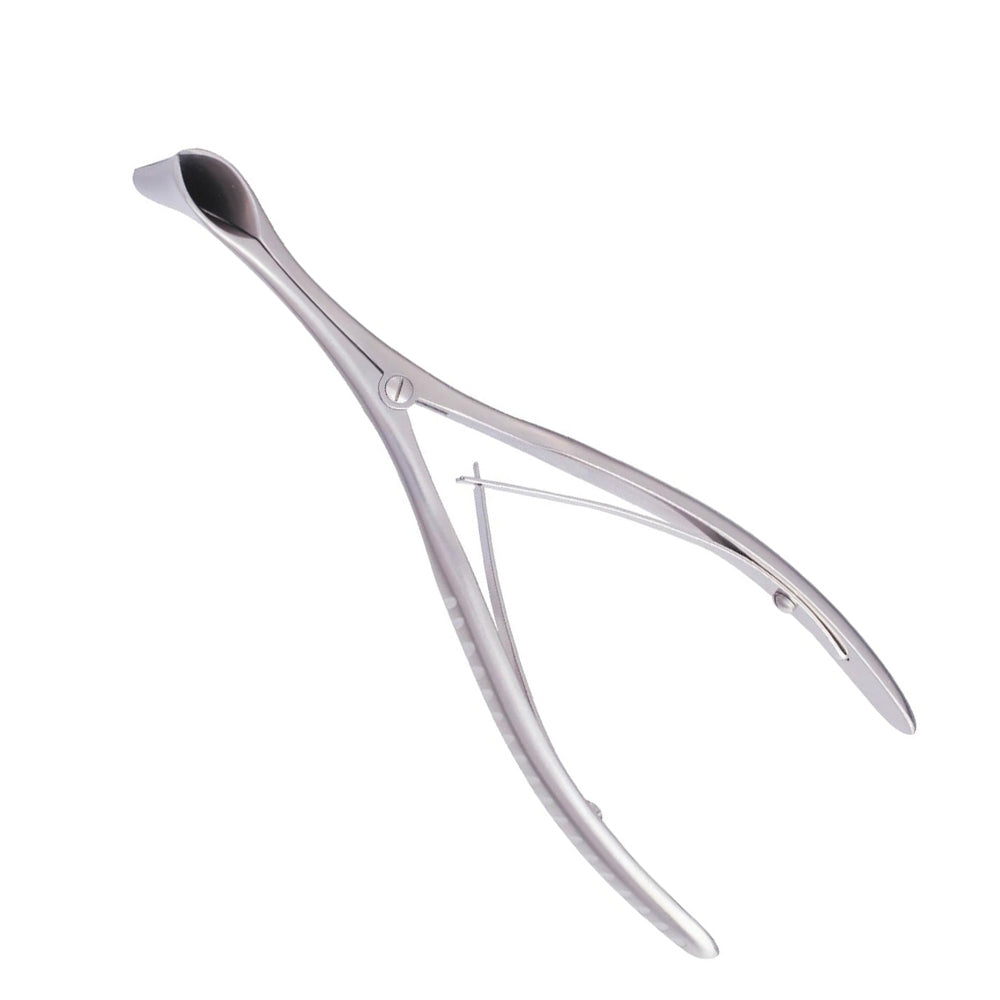
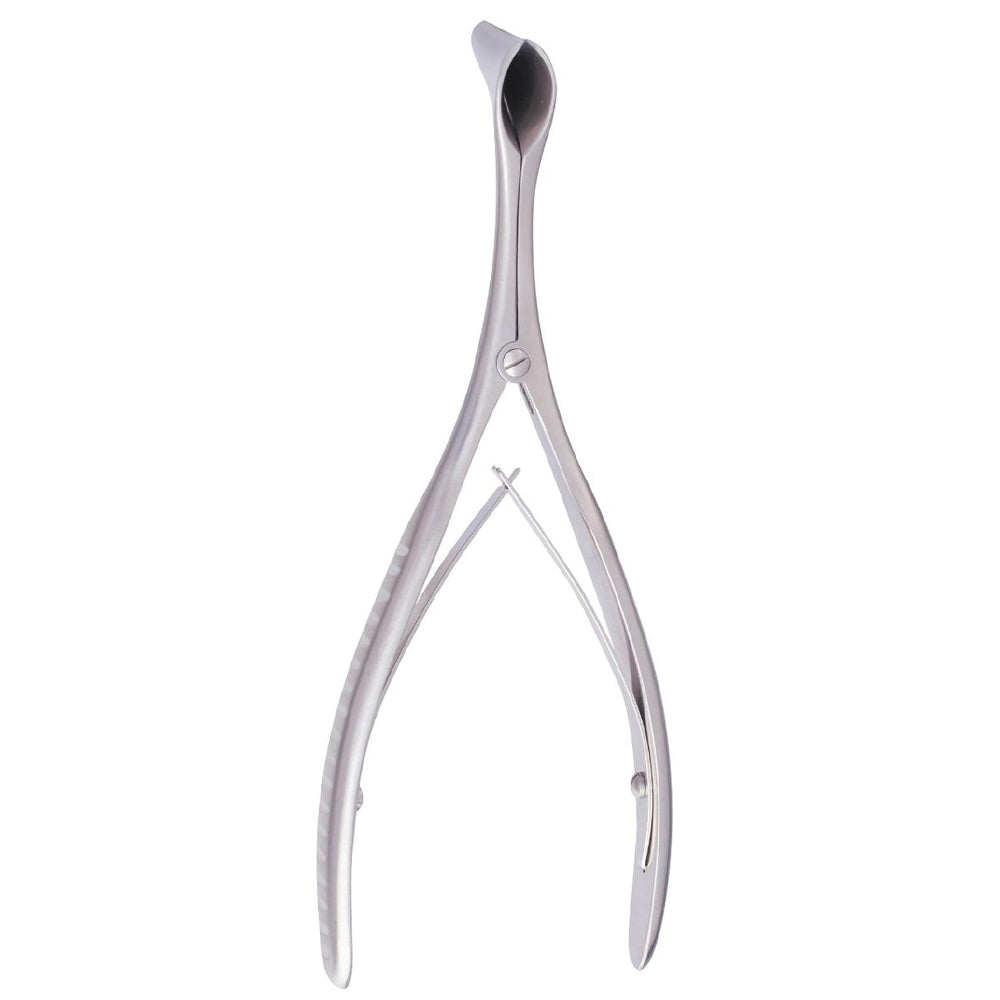
The Cooley Vascular Suction Tube from Peak Surgicals (SKU: PS-7936) is a reusable 7.0 to 10.0mm German Stainless Steel cardiovascular suction instrument designed for controlled evacuation of blood, saline irrigation, clot fragments, and operative fluid during vascular and cardiothoracic procedures. Each instrument is priced at $17.60 and features a spoon-shaped distal suction head, broad atraumatic working mouth, internal aspiration channel, spring-action handle, pivot screw, curved handle arms, stabilizing leaf spring, and proximal suction connection for operating room tubing. Cardiothoracic surgeons, vascular surgeons, cardiac operating room teams, surgical centers, hospitals, and procurement departments use this instrument during coronary artery bypass grafting, valve repair, valve replacement, aortic surgery, peripheral bypass, endarterectomy, arteriotomy exposure, vessel graft preparation, and cardiac chamber field clearance. The curved spring-handle mechanism allows the suction head to be guided with controlled hand pressure, while the broad distal mouth clears fluid from the operative field without the narrow focal draw of a fine cannula. This design is suited to open vascular work where rapid visualization of vessel walls, suture lines, graft ends, and bleeding points is required.
Spoon-Shaped Suction Head, Pivot Screw, Spring Handle, and Curved Arms
The Cooley pattern is built around a broad spoon-shaped suction head that presents a wider aspiration surface than a straight tubular cannula. This distal geometry allows the surgeon to clear blood and irrigation from a vascular field while reducing aggressive point suction against vessel adventitia, graft wall, myocardium, or suture material. The spoon mouth helps collect fluid from shallow operative recesses, including the pericardial field, arteriotomy margin, valve exposure area, and graft anastomosis site. The curved handle arms provide distance between the surgeon’s hand and the operative target, keeping suction control outside the immediate field while maintaining a stable approach angle. The pivot screw acts as the central articulation point, allowing controlled movement between the handle arms and distal suction portion. The leaf spring returns the handle to its resting position after compression, giving consistent tactile response during repeated repositioning. This spring-action mechanism supports controlled placement and withdrawal during active aspiration, especially when the surgeon needs to clear the field close to clamps, grafts, sutures, cannulas, and vascular patches.
Cardiothoracic and Vascular Workflow Around Anastomoses and Vessel Exposure
During coronary artery bypass grafting, the Cooley Vascular Suction Tube clears blood and irrigation from the distal coronary target, internal mammary artery graft field, saphenous vein graft end, and anastomotic suture line. The spoon-shaped head supports broad field clearance while the surgeon inspects needle placement, heel-to-toe graft alignment, and leakage along the anastomosis. In valve surgery, the suction head can evacuate pooled blood and saline from the atrial, ventricular, or aortic root field while exposure is maintained by retractors and valve hooks. During aortic surgery, it supports visualization around the arteriotomy, patch repair, graft seating, and clamp release inspection. In peripheral vascular bypass, the instrument helps clear the femoral, popliteal, carotid, or tibial vessel field before arteriotomy closure and flow restoration. During endarterectomy, suction is used to keep the endarterectomy plane and distal intimal endpoint visible while debris and blood are removed. In each workflow, the instrument helps maintain a readable field around fine vascular suturing without occupying the narrow working line like a rigid straight suction tube.
7.0 to 10.0mm Working Range and Broad Field Aspiration
The 7.0 to 10.0mm size range gives the Cooley Vascular Suction Tube a working mouth suited to open cardiovascular and vascular fields where fluid volume is higher than in microsurgical suction tasks. A smaller fine-bore tube can clog quickly with clot or draw tissue into a concentrated opening, while a larger uncontrolled suction head can interfere with needle passage and graft handling. This size range balances evacuation capacity with visibility around vessels, chambers, grafts, and suture lines. The 7.0mm end of the working range is suitable for more confined spaces such as coronary exposure, small arteriotomy inspection, carotid endarterectomy, and distal peripheral bypass fields. The 10.0mm end supports broader fluid clearance in the pericardial cavity, aortic exposure, valve surgery, and larger vascular reconstruction fields. The broad mouth also improves collection of pooled blood during clamp release testing, hemostasis inspection, and graft flushing. For procurement teams, this single working range covers common cardiac and vascular aspiration needs without requiring multiple fine suction cannulas for broad field clearance.
German Stainless Steel, Finish Options, Sterilization, and Procurement Documentation
German Stainless Steel provides the rigidity, corrosion resistance, and mechanical stability required for a reusable vascular suction instrument exposed to blood, saline, heparinized irrigation, cleaning agents, and repeated sterilization cycles. The spoon-shaped head and pivot mechanism must retain alignment because deformation changes how the suction mouth approaches vessel walls, graft material, myocardium, and suture lines. The listed satin, dull, and mirror finish options support operating room preferences. Satin and dull finishes reduce glare under surgical lights and head-mounted illumination, while mirror finish provides a smooth surface for visual inspection after cleaning. After use, the instrument is decontaminated, the suction channel is flushed, the distal head is cleaned, the pivot screw is inspected, the spring mechanism is checked, and the instrument is steam sterilized in an autoclave cycle suitable for reusable stainless steel surgical tools. The Class I classification, CE marking, ISO-13485 certification, and FDA compliance support hospital procurement records, distributor tenders, and international purchasing documentation. The listed 1-year warranty, MOQ of 1 piece, OEM availability, and return and replacement service support cardiovascular tray replacement planning.
| SKU | PS-7936 |
|---|---|
| Product Name | Cooley Vascular Suction Tube |
| Price | $17.60 per piece |
| Size/Gauge Variants | 7.0 to 10.0mm |
| Instrument Category | Cardiovascular Instruments / Vascular Suction Tube |
| Procedure | Coronary Artery Bypass Grafting, Valve Surgery, Aortic Surgery, Peripheral Bypass, Endarterectomy, Arteriotomy Exposure |
| Material | German Stainless Steel |
| Finish | Satin, Dull, Mirror |
| Sterilization | Steam sterilizable / Autoclave compatible |
| Instrument Classification | Class I |
| Reusable | Yes |
| Certifications | CE, ISO-13485, FDA |
| Warranty | 1 Year |
| MOQ | 1 Piece |
| OEM / Custom Orders | Available |
| After-Sale Service | Return and Replacement |
How does the Cooley Vascular Suction Tube compare with a Yankauer suction tip?
The Cooley Vascular Suction Tube is designed for cardiovascular and vascular operative fields, while a Yankauer suction tip is more commonly used for broad oral, pharyngeal, and general surgical fluid evacuation. A Yankauer tip has a bulbous end and is useful for clearing pooled secretions or blood from larger cavities, but it is less specialized for work around vascular grafts, arteriotomy margins, fine sutures, and cardiac exposure. The Cooley design uses a spoon-shaped working head and spring handle to support controlled placement close to vessel walls and anastomoses. Its broad mouth clears blood without the same focal draw produced by a narrow cannula. During coronary, aortic, or peripheral vascular work, this gives the surgeon more controlled aspiration around clamps, patches, and graft material. For vascular trays, the Cooley pattern is the more specific instrument.
Why is the 7.0 to 10.0mm size range useful in vascular surgery?
The 7.0 to 10.0mm size range gives the instrument enough aspiration surface to clear active bleeding and irrigation while staying compact enough for vascular exposure. The lower end of the range is useful around coronary targets, carotid endarterectomy fields, femoral arteriotomy sites, and distal bypass work where space is limited. The wider end supports aortic work, valve exposure, pericardial fluid evacuation, and broader vascular reconstruction fields where fluid volume is higher. Cooley Vascular Suction Tube sizing therefore fits the difference between small vessel visualization and wider cardiac cavity clearance. The spoon-shaped head can collect fluid from shallow recesses without requiring repeated tip repositioning. This supports inspection of anastomotic lines during flushing, clamp release, and hemostasis review. The size range gives operating room teams a practical balance between suction capacity and surgical access.
What do CE, ISO 13485, and FDA compliance mean for procurement?
CE marking supports conformity documentation for hospitals, clinics, and distributors that require recognized medical device compliance records. ISO 13485 indicates that production is managed under a medical device quality management system with controlled manufacturing, inspection, and traceability. FDA compliance supports procurement files for buyers sourcing reusable surgical instruments for regulated markets. The Cooley Vascular Suction Tube is listed as a Class I reusable instrument, which fits standard purchasing categories for non-powered stainless steel cardiovascular instruments. These credentials help procurement teams evaluate the product against tender requirements, internal sourcing policies, and distributor documentation needs. The German Stainless Steel material, 1-year warranty, MOQ of 1 piece, and OEM availability strengthen the purchasing record for repeat ordering. For hospitals building cardiac and vascular trays, the documentation aligns clinical function with regulated supply chain requirements.
How is the spring handle used during intraoperative suction?
The spring handle is used to control the position and pressure of the suction head while the instrument is placed in a vascular or cardiac field. The surgeon compresses the curved arms to guide the distal head, adjust the working angle, and stabilize the suction mouth near blood, irrigation, or clot. The pivot screw provides the central movement point, while the leaf spring returns the handles after compression. This gives a consistent tactile response during repeated approach and withdrawal near sutures, clamps, vessel walls, and graft material. The Cooley Vascular Suction Tube can therefore be positioned without relying only on shaft leverage. This matters during anastomotic inspection because the surgeon needs to clear blood while preserving needle control and graft alignment. The spring mechanism supports controlled handling during CABG, valve surgery, aortic work, and peripheral bypass.
How should this vascular suction instrument be cleaned and sterilized?
After surgery, the instrument is decontaminated promptly so blood, clot, saline residue, and tissue debris do not dry inside the suction head or internal channel. The spoon-shaped tip is cleaned thoroughly because retained material along the concave surface can affect inspection and reprocessing. The suction pathway is flushed until flow is clear, and the pivot screw, handle arms, and spring structure are brushed and inspected. The instrument is dried completely before packaging because trapped moisture around the joint can affect long-term surface condition. German Stainless Steel supports steam sterilization by autoclave after complete cleaning and functional inspection. The Cooley Vascular Suction Tube should be checked for spring return, pivot stability, tip alignment, and unobstructed lumen before returning to the cardiovascular tray. Proper reprocessing preserves suction response and operating room readiness.