
Featured Collection
Your cart
Featured Collection

PEAK SURGICALS
SKU:PS-J-013
Couldn't load pickup availability
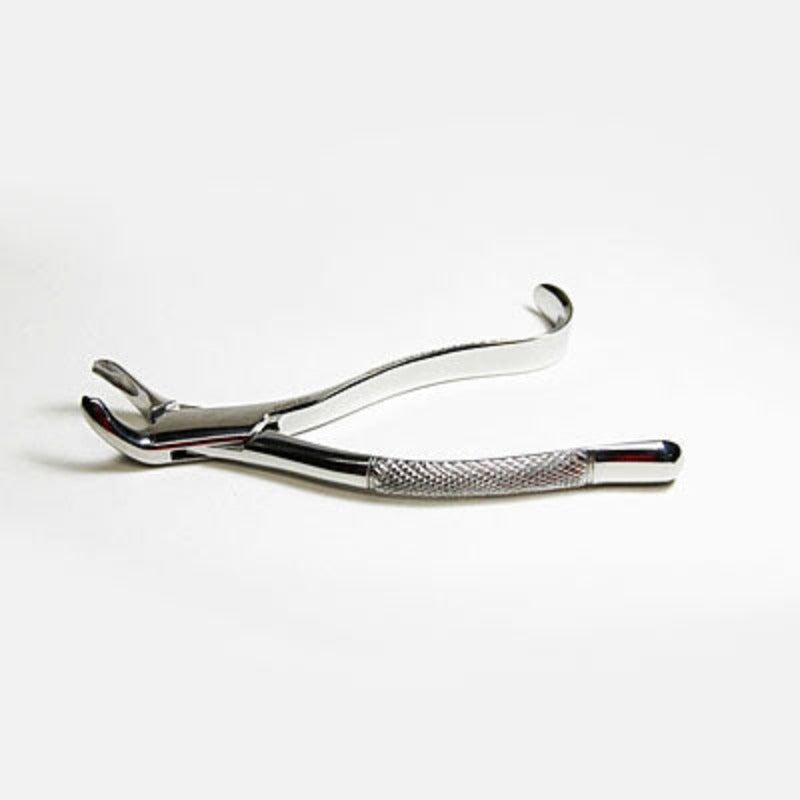
The American Pattern Forceps Lower Teeth from Peak Surgicals (SKU: PS-J-013) are reusable German Stainless Steel dental extraction forceps designed for mandibular tooth grasping, cervical crown engagement, lower molar luxation, third molar delivery, retained root control, and posterior tooth removal after periodontal ligament release. This product is priced at $10.30 per piece and is listed in American Forceps Lower 3rd Molars No. 5, American Forceps Lower Molar Cowhorn No. 16, American Extraction Forceps Lower Molars No. 16S, American Extraction Forceps Lower Molars No. 17, American Forceps Lower Molars Left No. 18L, American Forceps Lower Molars Right No. 18R, and American Forceps Lower Molars Cowhorn No. 23. The visible design includes slightly curved handles, textured grip zones, a box-joint pivot, mandibular beaks, cowhorn-style lower molar options, smooth outer jaw shoulders, and polished extraction surfaces. Oral surgeons, general dentists, prosthodontic extraction providers, periodontists, dental residents, hospital dental departments, outpatient oral surgery clinics, and procurement teams use these forceps during lower third molar extraction, mandibular first molar removal, second molar delivery, bifurcation engagement, fractured crown retrieval, retained posterior root removal, periodontal extraction, and pre-prosthetic mandibular tooth clearance.
The American lower tooth pattern uses a slightly curved handle to place the operator’s hand in a stable working position while approaching the mandibular arch from the buccal and lingual aspects. The curved handle shape improves hand fitting during apical pressure, buccolingual socket expansion, rotational movement, and final traction. The box-joint pivot keeps both beaks aligned during closure, allowing measured compression around the cervical crown or root trunk without lateral jaw drift. Mandibular molar beaks are shaped to seat around lower posterior anatomy where broad crowns, bifurcation position, and dense cortical bone require controlled engagement. Cowhorn variants use pointed horn-like beaks that enter the furcation between mesial and distal roots, converting handle compression into elevation through the root bifurcation. Textured grip zones support control during wet intraoral conditions involving saliva, blood, irrigation fluid, calculus, and periodontal debris. These forceps have no ratchet because extraction requires continuous tactile response, immediate release, and controlled repositioning as mobility changes.
During lower third molar extraction, the forceps are applied after flap access, bone removal, sectioning, or elevator mobilization has created sufficient crown and root movement. The beaks are seated at the cervical region, then the clinician applies apical pressure to deepen purchase before buccolingual movement expands the mandibular socket. For mandibular first and second molars, cowhorn patterns are used when the furcation can be engaged between mesial and distal roots, creating controlled lift through the bifurcation rather than relying only on coronal grip. No. 17 and No. 16S patterns support lower molar delivery after periodontal ligament separation and initial luxation. Left and right No. 18 patterns improve quadrant-specific access when posterior handle position and beak orientation affect seating. During fractured crown retrieval, smaller cervical purchase is used after residual tooth structure is exposed. These instruments work beside periosteal elevators, straight elevators, Cryer elevators, luxators, root tip elevators, surgical suction, curettes, scalpel handles, needle holders, and suturing instruments.
American Forceps Lower 3rd Molars No. 5 are selected for mandibular third molar delivery where posterior access, crown angulation, and limited distal space require a lower third molar pattern. American Forceps Lower Molar Cowhorn No. 16 are selected when the clinician needs furcation engagement between mandibular molar roots to elevate the tooth through controlled handle compression. American Extraction Forceps Lower Molars No. 16S provide a lower molar working profile for cases requiring a compact beak configuration. American Extraction Forceps Lower Molars No. 17 are used for standard mandibular molar extraction when the crown and cervical root region provide stable purchase. American Forceps Lower Molars Left No. 18L and Right No. 18R are selected by quadrant so beak orientation matches left or right posterior anatomy. American Forceps Lower Molars Cowhorn No. 23 are used for strong bifurcation engagement in mandibular molars after periodontal ligament release. This variant range supports planned mandibular extraction according to tooth position, root form, access angle, and extraction stage.
German Stainless Steel gives the American Pattern Forceps Lower Teeth the rigidity, corrosion resistance, and reusable durability required for repeated dental extraction procedures. Mandibular forceps must retain beak opposition, cowhorn tip definition, pivot stability, handle symmetry, serration integrity, and smooth external surfaces because small distortion changes cervical purchase and root delivery control. Satin and dull finishes reduce reflection under dental operatory lights and surgical headlights, while mirror finish supports visual inspection after cleaning. After clinical use, the beaks are opened, jaw grooves are brushed, the box-joint pivot is cleaned through repeated opening and closing, textured handle areas are cleared, and all working surfaces are inspected before steam sterilization by autoclave after complete drying. CE marking, ISO-13485 certification, FDA compliance, Class I classification, 1-year warranty, MOQ of 1 piece, OEM availability, and return-and-replacement service support dental clinic purchasing, hospital procurement, distributor documentation, and international tender files. The listed pattern range supports standardized lower posterior extraction tray planning.
| SKU | PS-J-013 |
|---|---|
| Product Name | American Pattern Forceps Lower Teeth |
| Price | $10.30 per piece |
| Size/Gauge Variants | American Forceps Lower 3rd Molars No. 5; American Forceps Lower Molar Cowhorn No. 16; American Extraction Forceps Lower Molars No. 16S; American Extraction Forceps Lower Molars No. 17; American Forceps Lower Molars Left No. 18L; American Forceps Lower Molars Right No. 18R; American Forceps Lower Molars Cowhorn No. 23 |
| Instrument Category | Dental Instruments / Extracting Forceps / American Pattern Lower Tooth Forceps |
| Procedure | Mandibular Molar Extraction, Lower Third Molar Delivery, Cowhorn Furcation Engagement, Fractured Crown Retrieval, Retained Root Removal, Periodontal Extraction, Surgical Extraction, Pre-Prosthetic Tooth Clearance |
| Material | German Stainless Steel |
| Finish | Satin, Dull, Mirror |
| Sterilization | Steam sterilizable / Autoclave compatible after cleaning and drying |
| Instrument Classification | Class I reusable dental extraction instrument |
| Reusable | Yes |
| Certifications | CE, ISO-13485, FDA |
| Warranty | 1 Year |
| MOQ | 1 Piece |
| OEM / Custom Orders | Available |
| After-Sale Service | Return and Replacement |
How do American Pattern Forceps Lower Teeth compare with English pattern lower molar forceps?
American Pattern Forceps Lower Teeth use plier-style handles with a compact mandibular beak arrangement for direct tactile control. English pattern lower molar forceps use a different handle-to-beak geometry and a heavier leverage profile. The American pattern is selected when the clinician needs controlled cervical engagement, quadrant-specific access, and immediate release during mandibular socket expansion. English pattern instruments are used by operators who prefer a different leverage arc and grip mass during posterior extraction. The American design works efficiently after elevators or luxators have loosened the periodontal ligament. Its curved handle improves hand position during lower molar access, especially when cheek, tongue, and opposing teeth restrict movement. Dental extraction trays include both styles when a department supports multiple extraction techniques.
Which listed pattern is selected for mandibular molar extraction?
No. 5 is selected for lower third molars where posterior access and crown angulation require a third molar pattern. No. 16 and No. 23 are cowhorn designs used when furcation engagement between mesial and distal roots provides controlled elevation. No. 16S supports lower molar work where a compact beak profile improves access. No. 17 is selected for standard mandibular molar extraction when cervical crown purchase is available. No. 18L and No. 18R are selected for left and right lower molars when side-specific beak orientation improves seating. American Pattern Forceps Lower Teeth therefore cover third molars, routine lower molars, cowhorn furcation cases, and quadrant-specific posterior extraction. The pattern choice follows tooth location, root divergence, crown condition, socket resistance, and prior elevator mobility.
What do CE, ISO 13485, and FDA compliance mean for procurement?
CE marking supports conformity documentation for dental clinics, hospitals, distributors, and procurement teams sourcing reusable extraction instruments. ISO 13485 indicates that manufacturing is managed under a medical device quality management system with controlled production, inspection, and traceability. FDA compliance supports procurement records for buyers sourcing reusable stainless steel dental devices for regulated healthcare markets. American Pattern Forceps Lower Teeth fit purchasing categories for non-powered dental extraction forceps used in oral surgery and general dentistry. These credentials help procurement officers compare the product against tender requirements, internal purchasing rules, and distributor documentation needs. German Stainless Steel construction, reusable format, listed SKU PS-J-013, price $10.30, MOQ of 1 piece, and return-and-replacement service support repeat ordering. For hospital dental departments and private practices, the documentation aligns mandibular extraction function with regulated sourcing expectations.
How are the pivot, curved handle, and cowhorn beaks controlled during extraction?
The forceps are applied after gingival cuff release and periodontal ligament separation with a luxator or elevator. The beaks are seated at the cervical region or into the furcation when a cowhorn pattern is selected. The box-joint pivot keeps the working jaws aligned as the clinician compresses the curved handles gradually. Apical pressure is applied first, followed by controlled buccolingual movement to expand the mandibular socket. Cowhorn beaks convert handle compression into upward tooth movement by engaging the furcation between mandibular molar roots. American Pattern Forceps Lower Teeth do not use a ratchet because the operator must release or reposition instantly when mobility changes. This control method supports lower molar extraction, lower third molar delivery, fractured crown retrieval, and retained root handling.
How should American Pattern Forceps Lower Teeth be cleaned and sterilized after use?
After use, the forceps are decontaminated promptly so blood, saliva, calculus, periodontal tissue, tooth debris, bone particles, or irrigant does not dry on the beaks, cowhorn tips, pivot, handles, or textured grip. The jaw tips are brushed carefully because extraction debris can remain inside grooves and serrated surfaces after cervical engagement. The box-joint pivot is cleaned while the handles are opened and closed so residue is cleared from moving surfaces. The handle texture is brushed to preserve grip control during the next extraction. German Stainless Steel supports steam sterilization by autoclave after complete cleaning and drying. American Pattern Forceps Lower Teeth return to the oral surgery tray after jaw opposition, pivot motion, beak integrity, and surface cleanliness are inspected. Proper reprocessing preserves extraction control and repeated clinical usability.
