


PEAK SURGICAL
McGee Wire Crimping Forceps for 3 1/2 Inch Stapedotomy Wire Control
McGee Wire Crimping Forceps for 3 1/2 Inch Stapedotomy Wire Control
SKU:PS-5206
Couldn't load pickup availability
- 30 Days Money Back Guarantee.
- 100% Quality Satisfaction.
- Medical Grade Steel Reusable.
 CE Certified
 FDA Certified
 ISO Certified


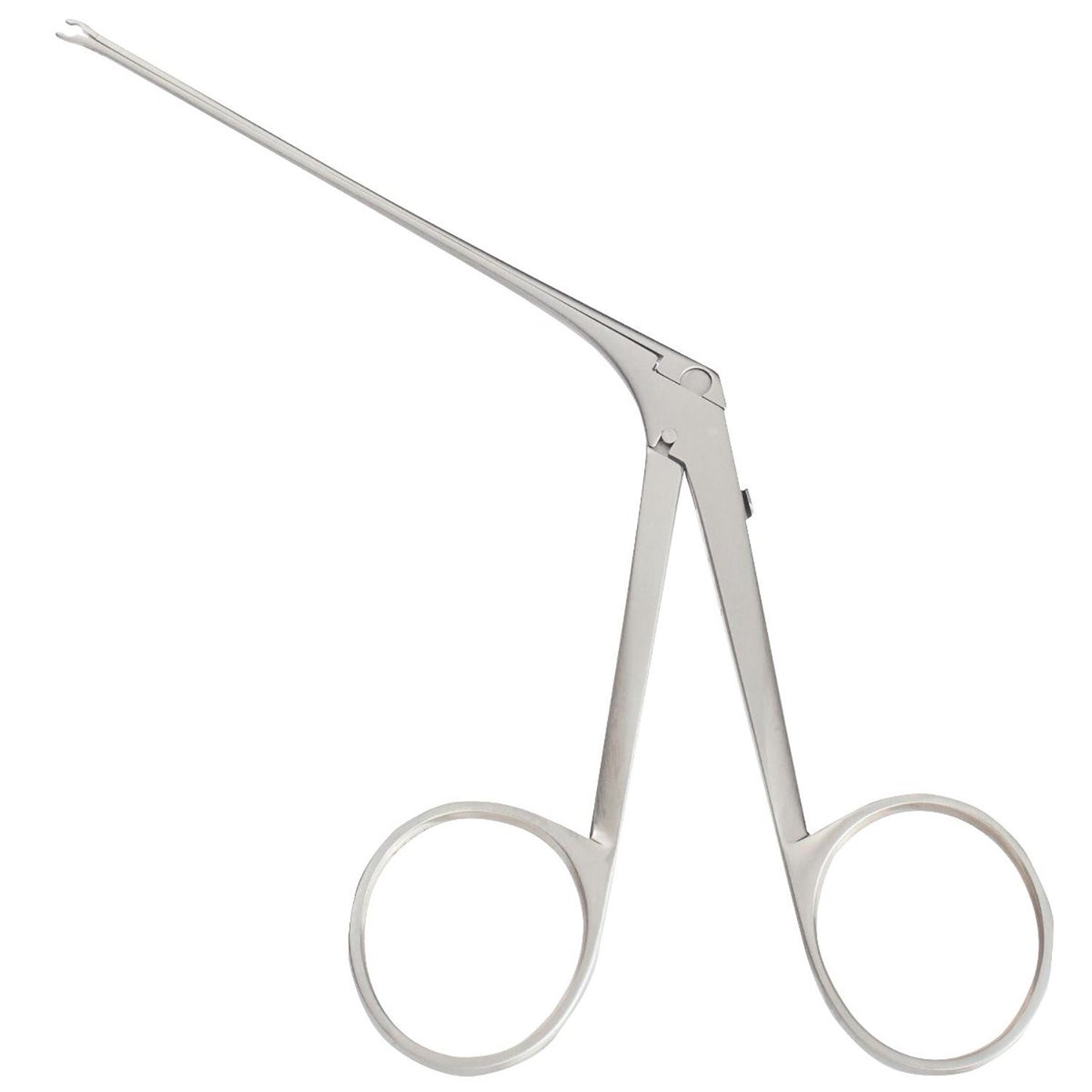
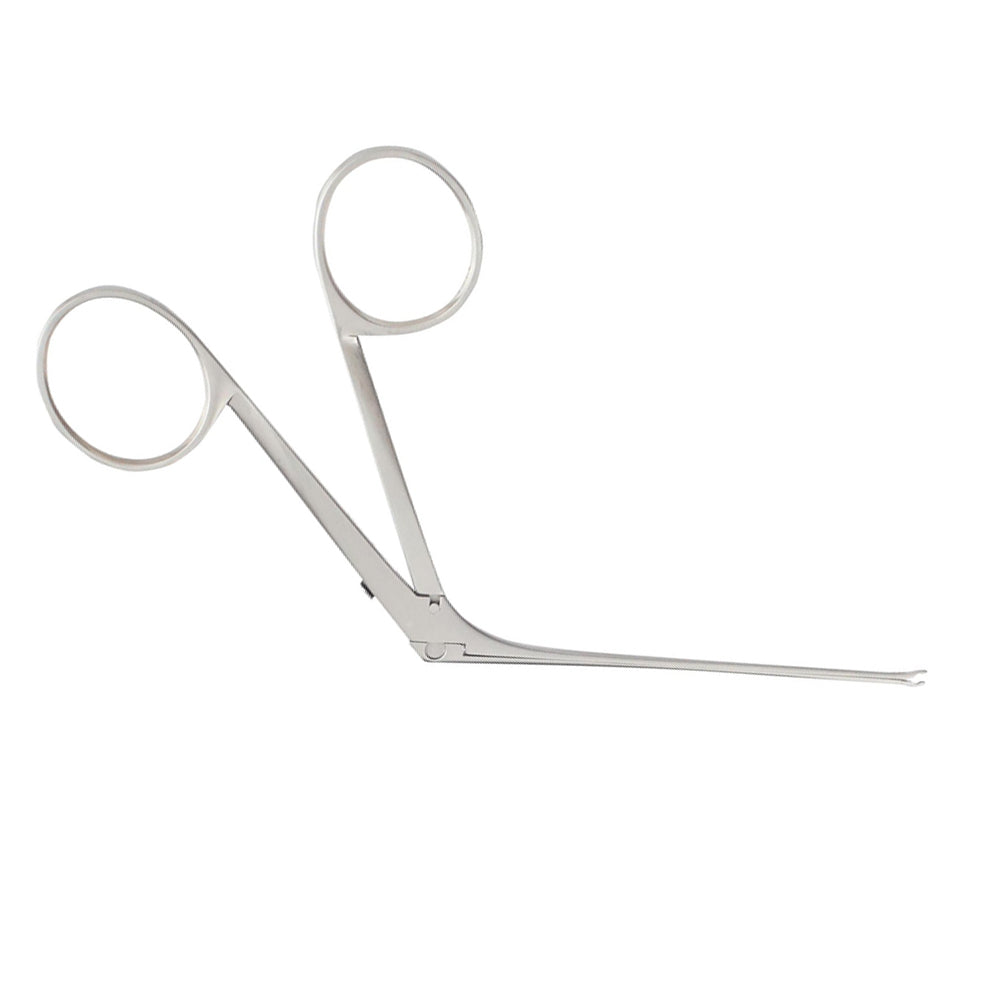
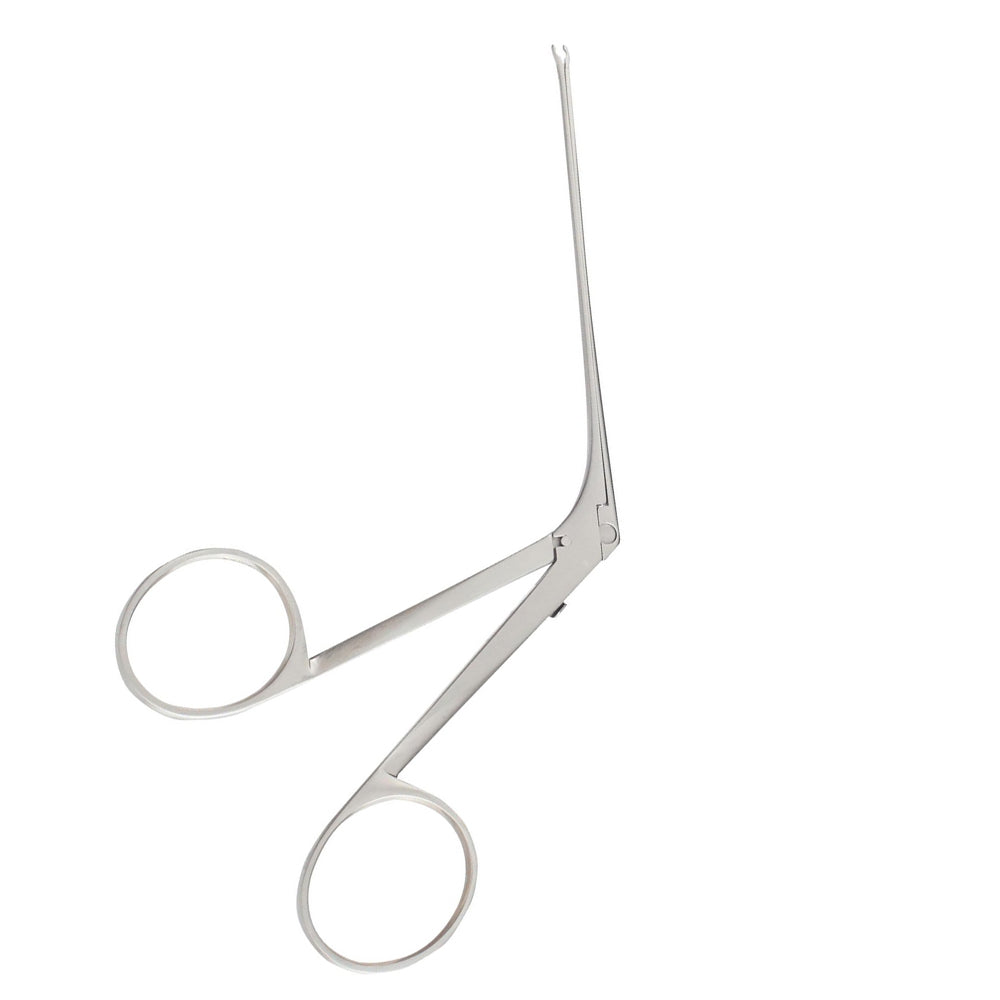
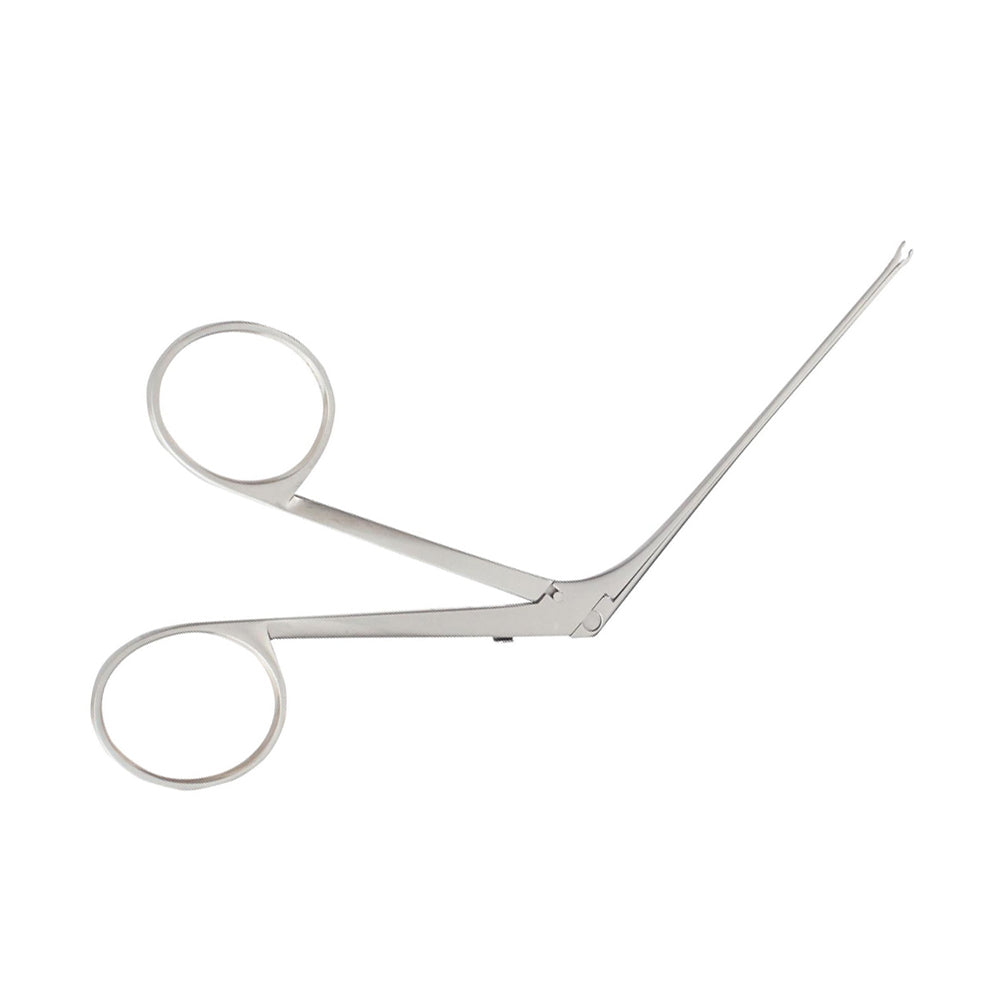
McGee Wire Crimping Forceps, SKU PS-5206, is a 3 1/2 inch ENT otologic wire crimper manufactured from German stainless steel for controlled prosthesis loop closure during middle ear surgery. This model is supplied as PS-5206 in the 3 1/2 inch size, with a long slender shaft, ring handles, pivot joint, and delicate forked working tip designed for access through the ear canal under microscopic visualization. The instrument is used in stapedotomy, stapedectomy, ossiculoplasty, and revision stapes procedures where a wire loop or piston loop is seated and closed around the long process of the incus. Otologists, neurotologists, ENT surgeons, hospital operating rooms, ambulatory surgery centers, and specialist ear clinics use this pattern when fine closure force must be delivered at depth without excessive hand movement near the operative field. The slim shaft supports approach through a speculum, while the distal geometry focuses compression at the prosthesis loop rather than surrounding ossicular tissue.
Long Shaft Closure Geometry
The McGee pattern works through a lever action created by ring handles, a compact pivot joint, and an elongated narrow shaft. When the handles are compressed, closing force travels through the shanks to the distal forked tip, allowing the surgeon to approximate a prosthesis wire loop around the incus with measured pressure. The long shaft exists to keep the surgeon's hand outside the microscopic field while the tip works deep in the external auditory canal and middle ear space. Its narrow profile allows passage through an ear speculum without crowding the suction tip, Rosen needle, pick, or prosthesis inserter. The forked tip gives a defined contact surface for loop closure, helping the crimp engage the prosthesis rather than flattening adjacent structures. The pivot provides repeatable closure arc and tactile feedback through the handles. Ring grips stabilize finger placement during fine otologic manipulation, especially when the hand is supported against the temporal bone or operating table.
Stapes Procedure Workflow
During primary stapedotomy, the forceps are introduced after tympanomeatal flap elevation, ossicular assessment, footplate fenestration, and prosthesis placement. Once the piston is positioned through the fenestra and its loop rests around the long process of the incus, the distal tip is advanced under microscope control to close the loop. In stapedectomy, the same closure step is performed after prosthesis seating over the oval window graft or footplate replacement construct. In ossiculoplasty revision work, the instrument assists when an existing wire loop requires controlled tightening or adjustment after prosthesis exchange. The 3 1/2 inch working length suits adult otologic exposure through standard ear specula and keeps the hand position stable outside the narrow operative corridor. The instrument is selected for wire-based stapes prostheses where precise loop adaptation is required before mobility testing. After closure, the surgeon can evaluate ossicular chain movement and piston travel without switching to a heavier general forceps pattern.
PS-5206 Size Selection
PS-5206 is the single listed model for this product and is supplied in the 3 1/2 inch size. This short otologic length is chosen for microscopic middle ear surgery because it provides enough reach through the external auditory canal while preserving fingertip control at the handles. Longer general surgical forceps can amplify hand motion and reduce tactile feedback during stapes prosthesis closure, while shorter dressing patterns lack the distal geometry needed for controlled loop contact. The narrow shaft supports work through adult ear specula during stapedotomy and stapedectomy, and the delicate tip is suitable for the final crimping stage after prosthesis positioning. The ring-handle layout gives the surgeon a secure grip when working with gloved fingers in a seated microscope posture. The model is purchased as an individual instrument for ENT trays, otology sets, and replacement stock for hospitals or distributors managing middle ear surgery inventory.
Steel Finish And Procurement Standards
German stainless steel construction supports reusable operating room use where corrosion resistance, dimensional stability, and repeated sterilization cycles are required. The listed finish options include satin, dull, and mirror surface presentations; satin and dull surfaces reduce glare under microscope illumination, while mirror polishing supports smooth cleaning and inspection during instrument reprocessing. The instrument is autoclavable after standard decontamination, cleaning, rinsing, drying, inspection, and packaging according to the facility's sterile processing workflow. As a reusable Class I surgical instrument, it fits ENT procurement requirements for traceable instrument supply, routine tray assembly, and replacement purchasing. CE marking, ISO 13485 manufacturing controls, and FDA-compliant procurement context support ordering for hospitals, clinics, distributors, and surgical supply teams serving international markets. The one-year warranty, MOQ of one piece, OEM availability, and return or replacement after-sale service give procurement teams clear commercial terms for single-unit purchase or catalog stocking.
| SKU | PS-5206 |
|---|---|
| Product Name | McGee Wire Crimping Forceps |
| Price | $23.10 USD |
| Size/Gauge Variants | 3 1/2 inch, model PS-5206 |
| Instrument Category | ENT otologic wire crimping forceps |
| Procedure | Stapedotomy, stapedectomy, ossiculoplasty, stapes prosthesis wire loop fixation |
| Material | German stainless steel |
| Finish | Satin, dull, mirror |
| Sterilization | Reusable and autoclavable |
| Instrument Classification | Class I surgical instrument |
| Reusable | Yes |
| Certifications | CE, ISO 13485, FDA |
| Warranty | 1 year |
| MOQ | 1 piece |
| OEM / Custom Orders | Available |
| After-Sale Service | Return and replacement support |
How does McGee Wire Crimping Forceps differ from House Wire Crimping Forceps?
McGee Wire Crimping Forceps is built around a slender 3 1/2 inch otologic shaft and a fine distal tip for closing a stapes prosthesis loop. House Wire Crimping Forceps also serves middle ear prosthesis work, but many House patterns use a different distal jaw profile and handle feel. The McGee pattern is selected when the surgeon wants compact ring-handle control with a narrow approach through the ear speculum. Its working end is intended to focus pressure directly on the loop around the incus. The difference is clinically important because stapes surgery requires stable closure without broad compression across the ossicular chain. For ENT trays, McGee Wire Crimping Forceps is a dedicated crimper rather than a general grasping instrument.
How is the 3 1/2 inch size selected for stapedotomy and stapedectomy?
The 3 1/2 inch size is selected for transcanal microscopic access to the middle ear. In stapedotomy, this length reaches the prosthesis loop after the piston is seated through the footplate fenestra. In stapedectomy, it supports closure after the prosthesis is positioned over the oval window reconstruction. The compact length helps the surgeon keep the hand steady outside the ear canal while the tip works near the incus. McGee Wire Crimping Forceps is useful when the operating corridor is narrow and excessive shaft length would reduce control. For standard adult otologic exposure, PS-5206 gives practical reach without the bulk of general forceps.
What do CE, ISO 13485, and FDA mean for procurement teams?
CE marking supports documentation for regulated medical device purchasing in markets that recognize European conformity requirements. ISO 13485 indicates the manufacturing quality management system used for medical device production and supply control. FDA-compliant procurement context supports purchasing documentation for buyers supplying hospitals, clinics, and distributors. McGee Wire Crimping Forceps is listed with CE, ISO 13485, and FDA certification information for institutional ordering. These details help purchasing teams align product records with vendor files and operating room supply requirements. They also support international distribution where instrument traceability and certification records are reviewed before purchase.
How is the pivot mechanism used during intraoperative crimping?
The pivot converts ring-handle compression into controlled distal tip closure. During stapes surgery, the surgeon places the tip around the prosthesis loop and closes the handles gradually. The pivoted action keeps the closing arc predictable while the hand remains outside the microscopic operative field. This mechanism lets the surgeon apply pressure to the wire loop without using a broad crushing motion. McGee Wire Crimping Forceps provides tactile feedback through the ring handles as the loop adapts to the incus. After crimping, the surgeon can release the handles and withdraw the instrument along the same transcanal path.
Can hospitals and clinics reprocess this instrument for repeated ENT tray use?
Yes, the instrument is manufactured as a reusable German stainless steel surgical instrument. It is suitable for autoclave sterilization after proper cleaning, drying, inspection, and packaging by the sterile processing department. The satin, dull, or mirror finish should be inspected for debris, staining, surface damage, and tip alignment before tray assembly. McGee Wire Crimping Forceps can be stocked as a single replacement item or included in otology and stapes surgery instrument sets. The MOQ of one piece supports small clinic purchasing as well as distributor replenishment. Return and replacement after-sale service and a one-year warranty support procurement teams managing ENT inventory.