Featured Collection
Your cart
Featured Collection

PEAK SURGICAL
SKU:ps-9980
Couldn't load pickup availability
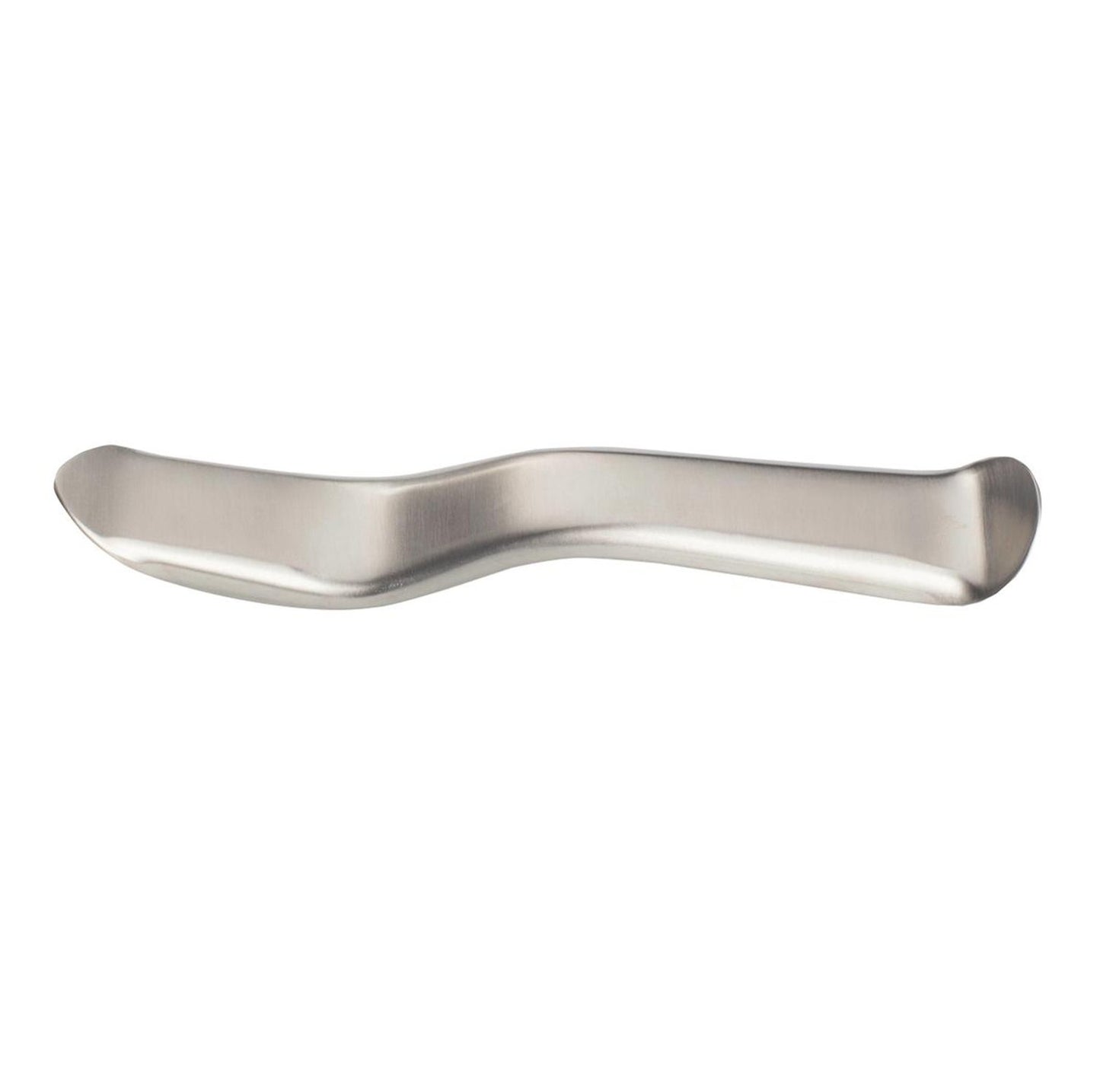
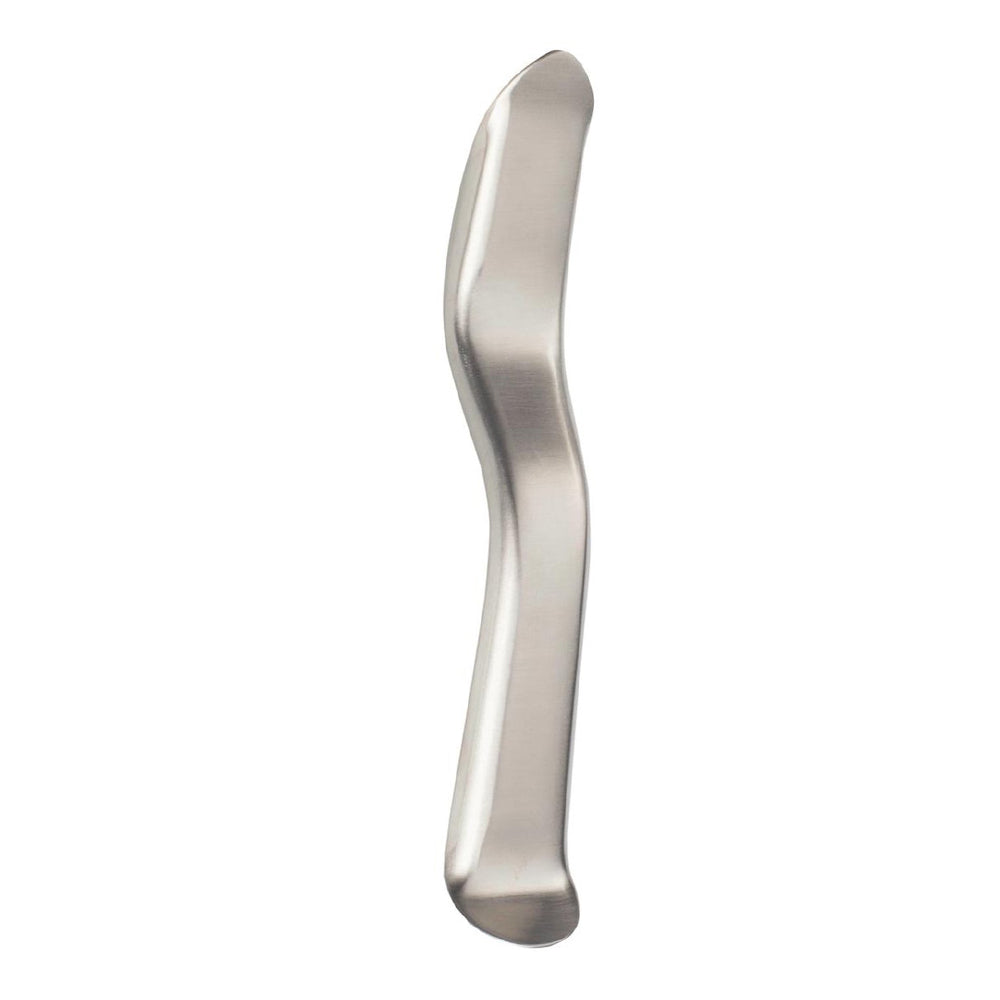
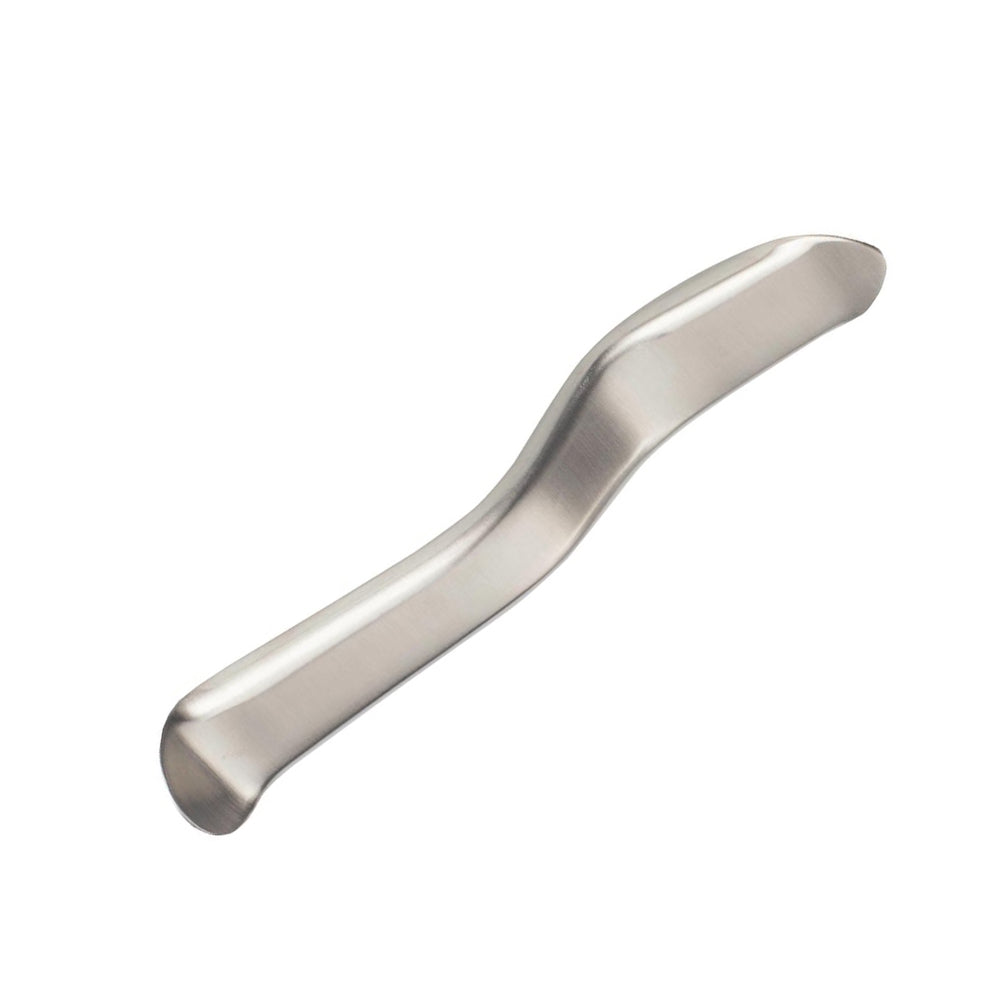
The Minnesota Cheek Retractor from Peak Surgicals (SKU: ps-9980) is a reusable 140mm German Stainless Steel oral retractor and tongue depressor designed for controlled soft tissue retraction during dental, ENT, and maxillofacial procedures. This instrument is listed with an overall length of 14.5 cm / 5 3/4" and is priced at $4.95 per piece. The visible design includes a double-ended stainless steel body, blunt-edged retraction blades, bayonet-shaped working end, angled lip-and-cheek end, curved tongue-depressing end, smooth rounded margins, and a solid central handle for manual control. Oral surgeons, dentists, periodontists, implant surgeons, ENT surgeons, maxillofacial teams, hospital operating rooms, dental clinics, ambulatory surgical centers, and procurement departments use this retractor during tooth extraction, surgical third molar removal, implant placement, periodontal flap surgery, apicoectomy, vestibuloplasty, biopsy, cyst enucleation, oral lesion excision, intraoral suturing, and oral cavity examination. The double-ended pattern supports cheek, lip, tongue, buccal mucosa, vestibular tissue, and floor-of-mouth control while keeping the operative field open for suction, elevators, forceps, scalpel handles, periosteal elevators, needle holders, and suture instruments.
The Minnesota pattern uses a double-ended retraction body so the clinician can switch between cheek, lip, and tongue control without changing instruments during the same oral procedure. The blunt-edged blades are shaped to contact mucosa without sharp tissue engagement, which is critical when retracting buccal mucosa, labial tissue, tongue margin, vestibular fold, and oral commissure. The bayonet-shaped outline offsets the working end from the operator’s hand, improving visibility around posterior teeth, retromolar tissue, mandibular vestibule, maxillary buccal sulcus, and intraoral flap margins. The angled cheek-and-lip end holds mobile soft tissue away from the surgical field, while the broader curved end can depress the tongue or stabilize the floor of the mouth. The smooth rounded margins reduce localized pressure during sustained manual retraction. The solid central handle gives stable grip and rotation control with gloved fingers, allowing the assistant or surgeon to adjust blade angle while suction, elevators, extraction forceps, burs, curettes, and suture instruments remain active in the oral cavity.
During surgical extraction, the Minnesota Cheek Retractor holds the cheek and lip away from the molar, premolar, canine, or incisor region while the surgeon elevates mucoperiosteal tissue, luxates the tooth, sections roots, removes bone, and irrigates the socket. In third molar surgery, the bayonet profile helps protect buccal mucosa and commissure tissue while maintaining visibility around the retromolar pad, mandibular ramus, distal second molar, and buccal flap. During implant placement, the retractor controls the vestibule and lip while the osteotomy sequence, irrigation, implant driver, and cover screw placement are performed. In periodontal flap surgery, it supports exposure around gingival margins, interdental papillae, mucogingival junction, and alveolar crest. In apicoectomy, biopsy, cyst enucleation, and oral lesion excision, the angled blade keeps movable tissue away from the incision line while the surgeon works with scalpel, suction, curettes, elevators, and needle holders. In ENT oral cavity procedures, the same instrument supports tongue and cheek displacement during inspection, biopsy, and minor intraoral access.
The 140mm listed size gives the Minnesota Cheek Retractor a compact working length for dental and oral surgical fields where the hand must remain close enough for responsive tissue control. The overall 14.5 cm / 5 3/4" span provides enough reach for posterior oral access while keeping the instrument manageable inside dental chairs, clinic procedure rooms, and operating rooms. The angled end is selected when the surgeon needs cheek or lip retraction along the buccal vestibule, labial sulcus, oral commissure, or flap margin. The bayonet-shaped end gives improved working clearance around posterior teeth and intraoral soft tissue because the handle does not sit directly over the operative target. The opposite end is used when tongue control or floor-of-mouth depression is required during mandibular work, anterior exposure, or intraoral examination. This two-end configuration supports tooth extraction, implant surgery, periodontal access, biopsy, cyst work, and suturing by matching the retraction surface to the specific oral tissue being controlled.
German Stainless Steel gives the Minnesota Cheek Retractor the rigidity, corrosion resistance, and surface durability required for repeated dental, ENT, and maxillofacial use. A cheek retractor must retain smooth blade edges, bayonet alignment, handle stability, rounded margins, and a clean surface finish because distortion or roughness can affect mucosal contact and tissue presentation. Satin and dull finishes reduce glare under dental operatory lights, surgical headlights, and operating room illumination, while mirror finish provides a smooth surface for visual inspection after cleaning. After use, the instrument is decontaminated, both blade ends are brushed, the central handle is cleaned, blade margins are inspected, and the full surface is checked before steam sterilization by autoclave after complete drying. The Class I classification, CE marking, ISO-13485 certification, and FDA compliance support hospital purchasing, dental clinic procurement, distributor documentation, and international tender files. The listed 1-year warranty, MOQ of 1 piece, OEM availability, rust-free construction, carton packing, and return and replacement service support reusable oral surgery tray replacement planning.
| SKU | ps-9980 |
|---|---|
| Product Name | Minnesota Cheek Retractor |
| Price | $4.95 per piece |
| Size/Gauge Variants | 140mm; overall length 14.5 cm / 5 3/4" |
| Instrument Category | Surgical Instruments / Oral Retractors / Tongue Depressors |
| Procedure | Tooth Extraction, Surgical Third Molar Removal, Dental Implant Placement, Periodontal Flap Surgery, Apicoectomy, Vestibuloplasty, Oral Biopsy, Cyst Enucleation, Intraoral Suturing |
| Material | German Stainless Steel |
| Finish | Satin, Dull, Mirror |
| Sterilization | Steam sterilizable / Autoclave compatible |
| Instrument Classification | Class I |
| Reusable | Yes |
| Certifications | CE, ISO-13485, FDA |
| Warranty | 1 Year |
| MOQ | 1 Piece |
| OEM / Custom Orders | Available |
| After-Sale Service | Return and Replacement |
How does the Minnesota Cheek Retractor compare with an Austin cheek retractor?
The Minnesota Cheek Retractor is double-ended, while an Austin cheek retractor is typically a single-ended right-angle oral retractor. The Minnesota pattern gives the surgeon one end for cheek and lip control and another end for tongue depression or broader intraoral soft tissue displacement. Austin retractors are useful for firm cheek retraction during oral surgery, especially when a right-angle blade is preferred. The Minnesota design gives more functional range during extraction, implant placement, periodontal surgery, biopsy, and intraoral suturing because the operator can change the working end without changing the instrument. Its bayonet-shaped profile also keeps the hand away from the direct line of sight in posterior access. Austin instruments provide strong localized cheek retraction, while the Minnesota pattern supports cheek, lip, tongue, and vestibular tissue control. Oral surgery trays often include both patterns because they serve different retraction angles and tissue-contact requirements.
Why is the 140mm size useful for oral and maxillofacial procedures?
The 140mm size gives the clinician enough reach for posterior oral access while preserving close hand control during dental and maxillofacial work. This length is practical when retracting the cheek around molars, controlling the lip during anterior procedures, or depressing the tongue during mandibular access. A shorter instrument can place the hand too close to the operating site, while a longer pattern can reduce precision in dental chairside work. The Minnesota Cheek Retractor balances access and control for extraction, third molar surgery, periodontal flap elevation, implant osteotomy exposure, and suturing. The 14.5 cm / 5 3/4" overall span supports use in both dental clinics and operating rooms. The bayonet profile improves visibility by offsetting the handle from the retracted tissue. This size is therefore suitable for routine oral surgery trays, ENT oral cavity sets, and maxillofacial procedure kits.
What do CE, ISO 13485, and FDA compliance mean for procurement?
CE marking supports conformity documentation for hospitals, clinics, and distributors sourcing reusable surgical and dental instruments. ISO 13485 indicates that manufacturing is managed under a medical device quality management system with controlled production, inspection, and traceability. FDA compliance supports procurement files for buyers sourcing reusable stainless steel instruments for regulated markets. The Minnesota Cheek Retractor is listed as a Class I reusable instrument, which fits standard purchasing categories for non-powered oral retractors and tongue depressor instruments. These credentials help procurement officers compare the item against tender requirements, internal sourcing policies, and distributor documentation needs. German Stainless Steel construction, 1-year warranty, MOQ of 1 piece, OEM availability, and rust-free finish support repeat ordering. For dental, ENT, and maxillofacial departments, the documentation aligns oral tissue retraction function with regulated purchasing expectations.
How is the double-ended design used during intraoral retraction?
The double-ended design is used by selecting the blade shape that matches the tissue being controlled. The angled cheek-and-lip end is placed against buccal mucosa, labial tissue, vestibular fold, or oral commissure to open the operative field. The bayonet-shaped end helps maintain sightlines around posterior teeth, retromolar tissue, and intraoral flap margins. The broader curved end can depress the tongue or stabilize floor-of-mouth tissue during mandibular procedures. The Minnesota Cheek Retractor does not use a ratchet, spring, or locking mechanism because control is entirely manual and depends on blade placement, hand pressure, and rotation. The central handle allows the assistant or surgeon to change angle without blocking suction, elevators, forceps, scalpel, or needle holders. This hand-controlled method is valuable during tooth extraction, implant surgery, periodontal access, biopsy, and oral suturing.
How should the Minnesota Cheek Retractor be cleaned and sterilized after use?
After use, the retractor is decontaminated promptly so blood, saliva, bone dust, soft tissue residue, dental irrigant, or impression material does not dry on the blade surfaces or handle. Both blunt working ends are brushed carefully because residue can remain along the rounded blade margins and curvature transitions. The central handle is cleaned along its full surface so grip control remains stable during the next procedure. The blade edges are inspected for smoothness, alignment, and surface integrity before packaging. German Stainless Steel supports steam sterilization by autoclave after complete cleaning and drying. The Minnesota Cheek Retractor should return to the oral surgery tray only after both ends are visually clean, the bayonet profile remains aligned, and the surface finish is intact. Proper reprocessing preserves tissue contact, visibility, and repeated clinical usability.