
Featured Collection
Your cart
Featured Collection

PEAK SURGICALS
SKU:
Couldn't load pickup availability
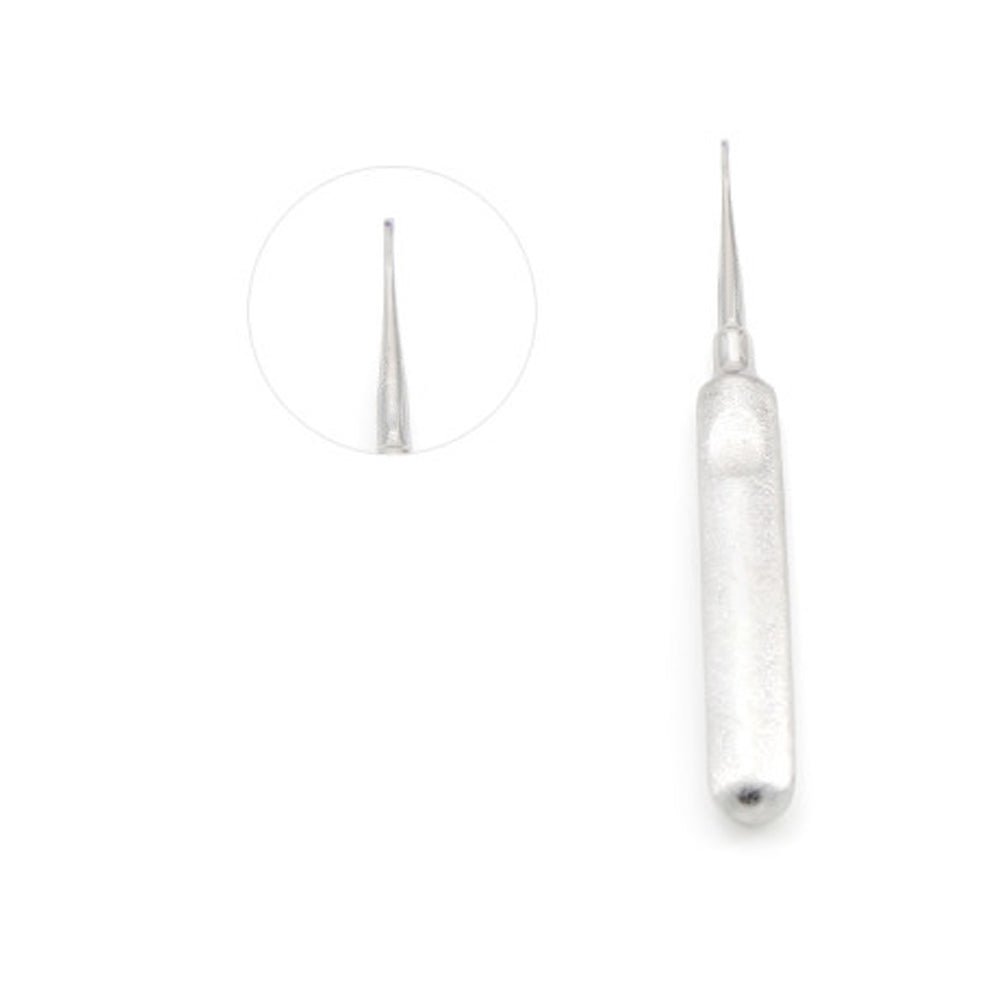
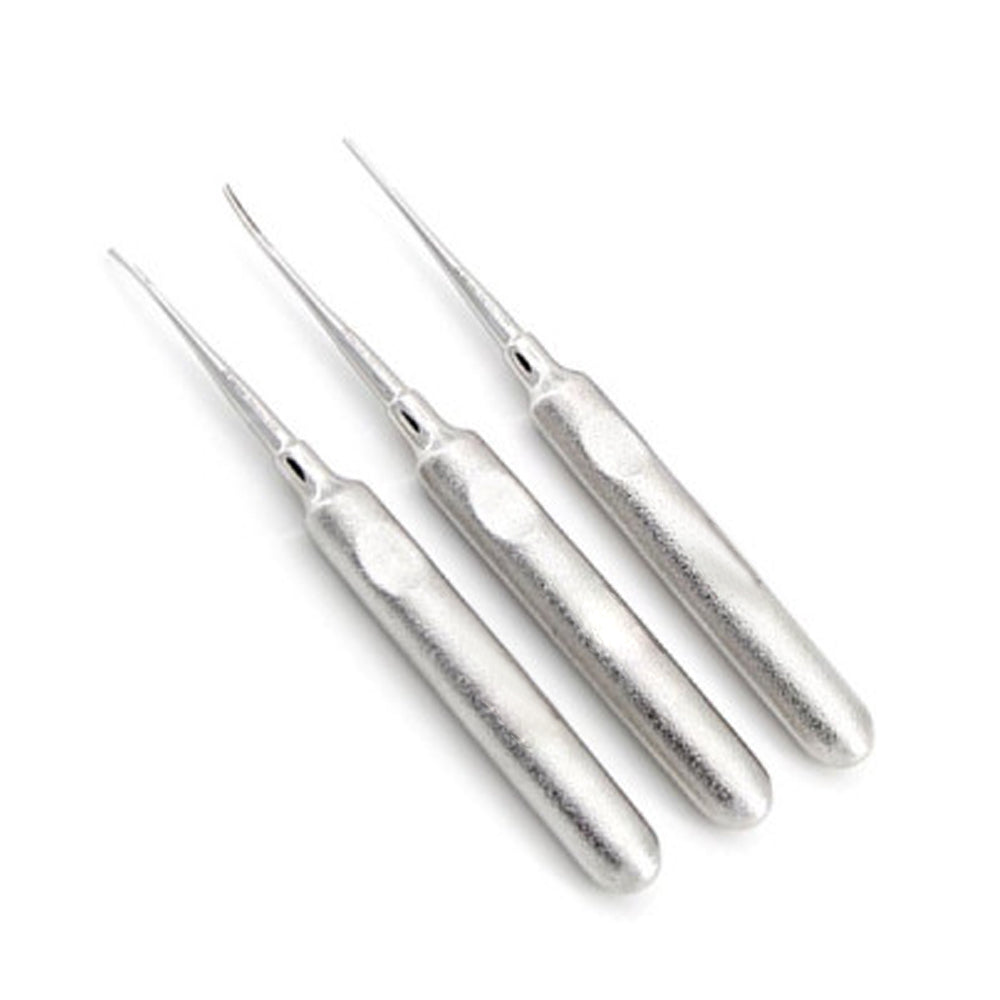
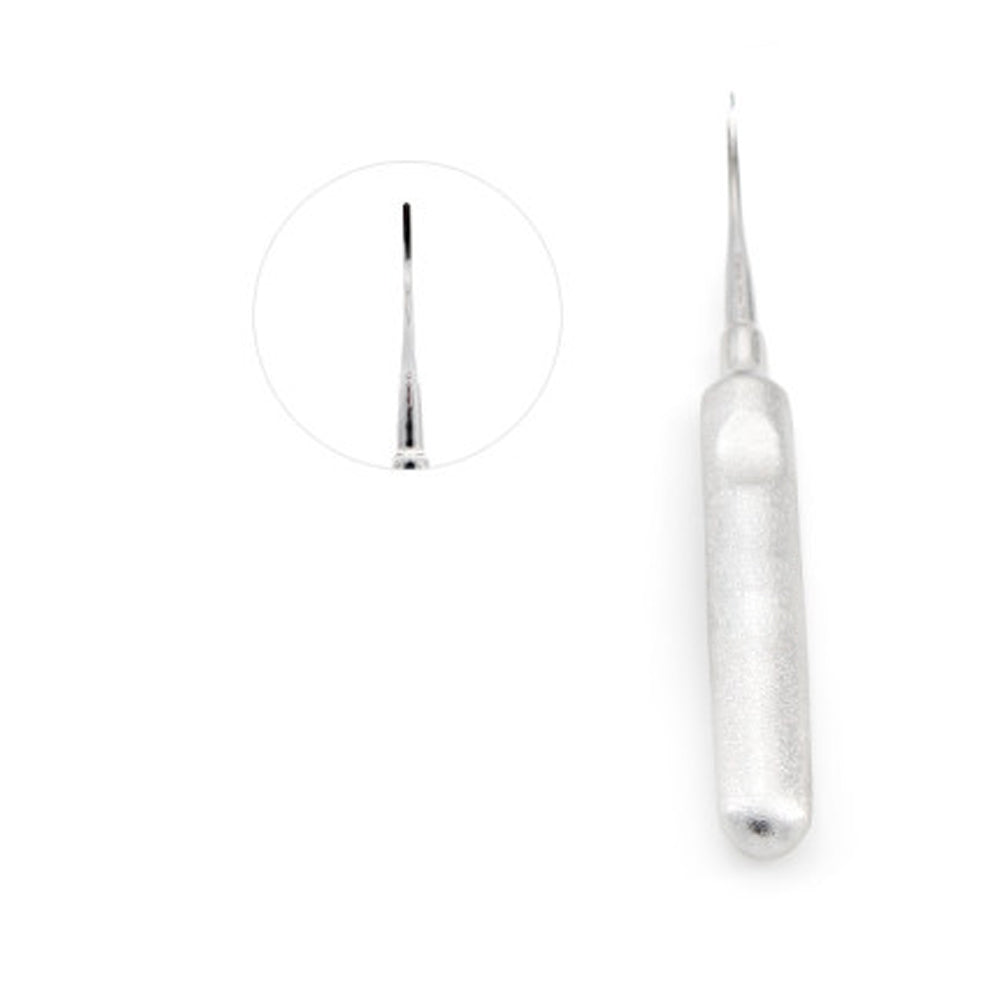
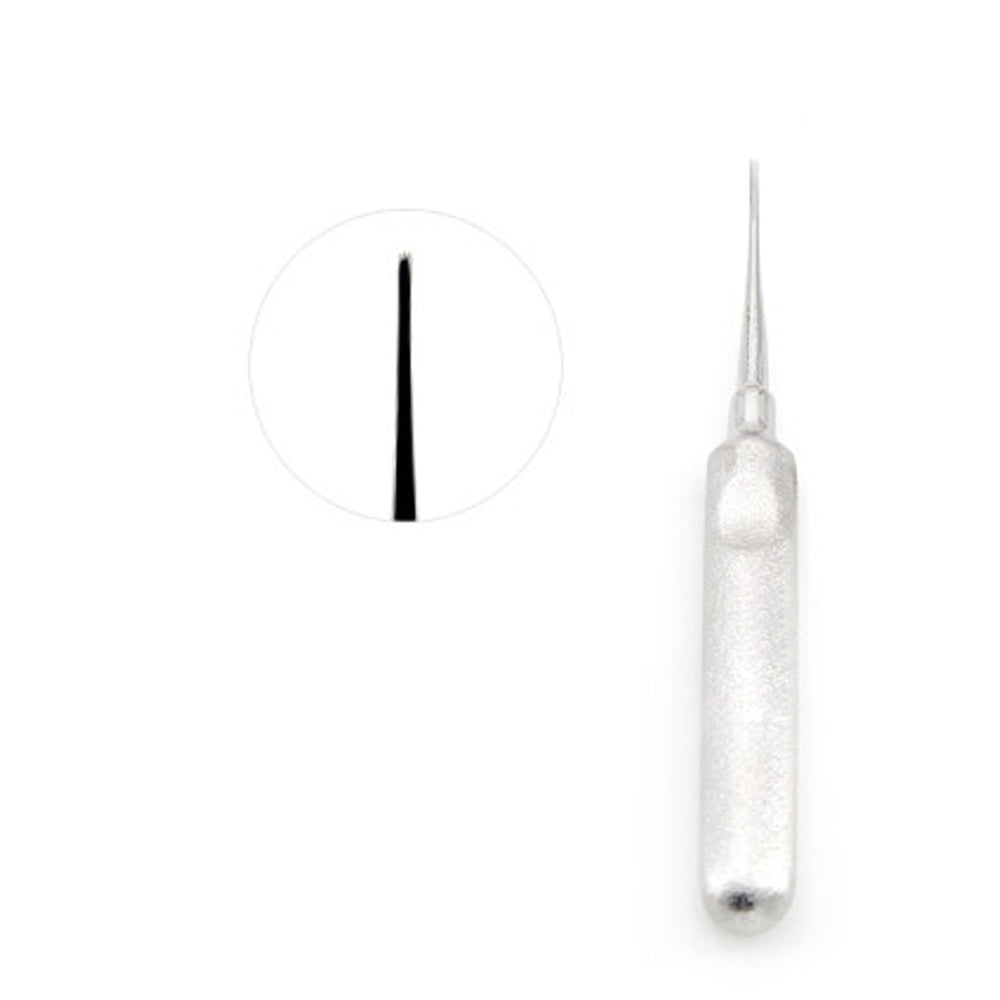
The clinical standard for atraumatic feline dentistry. The Feline Luxating Root Elevator (1.3mm) is a specialized veterinary dental instrument engineered for the high-precision extraction of delicate feline teeth. Featuring a micro-thin 1.3mm working tip, this tool acts as a mechanical necessity for veterinarians performing surgical extractions and managing periodontal disease in small patients. By combining a sharp, luxating edge with a slim profile, it allows for the controlled separation of the periodontal ligament with minimal trauma to the surrounding alveolar bone.
[Add to Cart – Professional Veterinary Dentistry Series]
The Feline Luxating Root Elevator (1.3mm) is a vital asset for any veterinary clinic or dental specialty suite. Its primary utility lies in its "finesse-first" approach; in feline dentistry, the risk of crown or root fracture is high due to the fragile nature of the teeth. This 1.3mm luxator allows the clinician to work systematically around the circumference of the tooth, gradually neutralizing the vacuum and ligamentous attachments.
Built to exceed the rigorous hygiene standards of modern veterinary medicine, this instrument is fully autoclavable. Its high-polish finish ensures ease of cleaning and total resistance to corrosion, even in high-volume dental practices.
Feature Details
Material Premium Surgical-Grade Stainless Steel
Tip Width 1.3mm (Micro)
Instrument Type Luxating Elevator
Target Species : Feline (Cats) and Small Exotics
Maintenance Fully Autoclavable / Reusable
Primary Use Cases:
Q: What is a Feline Luxating Root Elevator used for?
A: It is used to separate the periodontal ligament from the tooth root by cutting the fibers. This loosens the tooth within the socket, allowing for an extraction that requires significantly less force.
Q: What does the 1.3mm size refer to?
A: This refers to the width of the sharpened working tip. A 1.3mm tip is considered a "micro" size, specifically designed for the very narrow spaces found in cat mouths and small exotic animals.
Q: Can I use this for prying like a standard elevator?
A: Luxators are designed primarily for cutting and wedging into the ligament space. While they provide some elevation, excessive prying force should be avoided to prevent chipping the thin, sharp edge. It is best used in a circular "rocking" motion around the root.
Q: Is this instrument suitable for small dogs?
A: Yes, it is excellent for toy breed dogs (such as Chihuahuas or Pomeranians) and other small animals where standard veterinary dental tools are too large.
Q: How should I maintain the sharpness of the tip?
A: To maintain clinical performance, the tip should be inspected regularly. It can be sharpened using a fine Arkansas stone. Always clean with an enzymatic detergent immediately after use to prevent bioburden buildup before autoclaving.
